Turkey Travel Guide: A Complete Travel Guide to Turkey (2026)
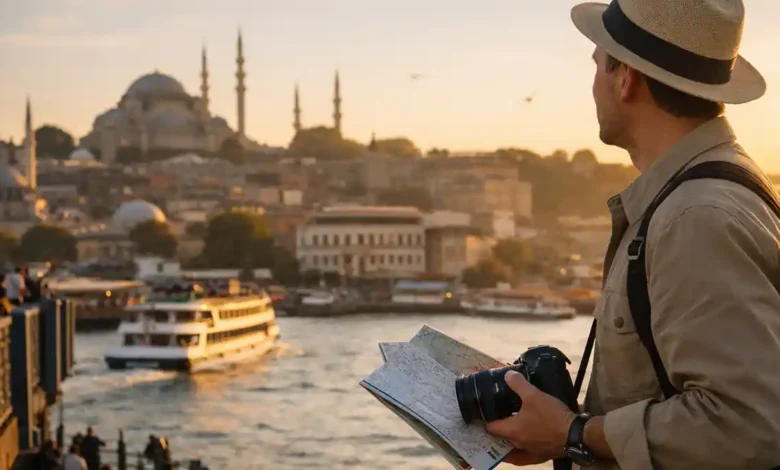
Turkey travel guide if you want one country that blends epic history, big city energy, unreal landscapes, and food that feels like a warm welcome, Turkey (Türkiye) is hard to beat. It’s not just a place to visit. It’s a place you experience through sounds, flavors, and daily rituals: ferry rides across a glittering strait, tea poured without rushing, markets that feel alive, and coastlines that stretch farther than your plans.
This guide is designed to be genuinely useful. You’ll learn when to go, where to build your route, how transportation works, what things typically cost, what to eat, how to avoid common travel mistakes, and how to shape an itinerary that feels smooth instead of stressful. It’s written in clear, practical English expert-led, but friendly so you can plan confidently even if it’s your first time in Turkey.
Why Turkey is such a strong travel choice
Turkey sits at a crossroads of continents and empires. That layered past shows up everywhere: in skylines, street names, old walls, and the way modern life flows around ancient places. You can spend the morning in a centuries old neighborhood, take a high speed ferry at lunchtime, and end the day eating grilled seafood near the water without needing a big plan.
What travelers typically love most:
- Istanbul: one of the world’s great cities historic, stylish, and full of motion.
- Cappadocia: volcanic valleys, cave hotels, and sunrise balloon views.
- The Aegean and Mediterranean coasts: ruins, beach towns, and road trip freedom.
- Food culture: long breakfasts, street snacks, and dinners built around sharing.
- Strong value: you can travel comfortably without luxury level spending if you plan well.
Best time to visit Turkey
Turkey is a large country with multiple climates. Your ideal timing depends on where you’re going and what you want from the trip.
Spring (March to May)
Spring is excellent for sightseeing. Cities feel energetic, temperatures are usually comfortable, and coastal areas begin warming up. This is one of the best periods for combining Istanbul with Cappadocia and historical sites.
Summer (June to August)
Summer is peak beach season along the Mediterranean and Aegean. Expect lively towns, long days, and higher prices in popular coastal areas. Major cities can feel hot and crowded, especially in July and August.
Autumn (September to November)
Autumn is often the sweet spot: fewer crowds than summer, pleasant temperatures, and warm seas that can last into early winter along some coasts. It’s a strong choice for a mixed itinerary.
Winter (December to February)
Winter works well if you prefer calmer travel. Istanbul becomes cozy and atmospheric, thermal towns feel extra relaxing, and some regions offer snow landscapes. Cappadocia can look stunning in winter, though balloon flights are more weather dependent.
Simple planning rule:
For a first time mix of everything trip, aim for April–May or September–October.
Entry requirements: visas and travel documents
Visa requirements vary by nationality and can change, so check official sources close to your travel dates.
General guidance
- Some travelers enter visa free, others need an e-Visa, and some need a consulate visa.
- If you’re eligible for the e-Visa, applying online is usually straightforward.
Practical document checklist
- Passport valid for your travel period (and any additional validity your nationality may require)
- Visa or e-Visa confirmation (digital and printed copy)
- Hotel bookings and return/onward ticket details (helpful at borders)
- Travel insurance details (strongly recommended)
How many days do you need in Turkey?
Turkey rewards time, but you can still have a great trip without rushing if you choose a focused route.
Good trip lengths (realistic and enjoyable)
- 5–7 days: Istanbul + one region (Cappadocia or a coastal base)
- 8–10 days: Istanbul + Cappadocia + one Aegean stop (Ephesus/Pamukkale area works well)
- 12–14 days: Istanbul + Cappadocia + coast (Aegean or Mediterranean), with room for slower evenings
Avoid this common trap: trying to cover Istanbul, Cappadocia, and multiple coastal towns in a single week. You’ll spend too much time moving and not enough time living the trip.
Costs and budgeting: what to expect
Turkey can fit different budgets. Costs depend on season, city vs. coast, and how early you book.
Typical spending styles (excluding international flights)
- Budget: guesthouses or hostels, street food, intercity buses, selective paid attractions
- Midrange: boutique hotels, a mix of casual and nicer dining, guided day tours
- Comfort: upgraded hotels, frequent taxis, domestic flights, premium experiences (hammam packages, boat tours, balloon flights)
Smart ways to control spending
- Choose one splurge experience and keep the rest simple.
- Stay longer in fewer bases to reduce transport costs.
- Eat where locals eat: you’ll often pay less and enjoy more.
- In peak summer, coastal hotspots can be significantly pricier consider shoulder season for better value.

Getting around Turkey: transport that actually works
Turkey is travel friendly once you understand the basics. You’ll typically combine domestic flights, intercity buses, and local transit.
Domestic flights
Flights can save serious time on long distances (for example, Istanbul to Cappadocia area, or Istanbul to Antalya). If your trip is short, flying between regions can protect your sightseeing days.
Intercity buses
Long distance buses are common, comfortable, and usually good value. They’re a reliable option when you want to save money or travel overnight.
Car rental
A car is best for coastal routes and small town exploration, especially on the Aegean and Mediterranean. City driving can be stressful, so many travelers rent a car only for the coastal portion.
Istanbul transport (your biggest time saver)
In Istanbul, public transport is often faster than driving because traffic is real. If you stay near a tram or metro line, your days become easier.
Istanbul tips that help immediately:
- Use ferries as transport and sightseeing in one move
- Plan major sightseeing early in the day
- Wear comfortable shoes many areas involve hills, cobblestones, and stairs
Where to go in Turkey: best regions for different travel styles
1. Istanbul (3–5 days)
Istanbul is essential for first time visitors because it gives you history, culture, food, shopping, and views in one place.
What to prioritize:
- Historic sights in the Old City
- A market experience (Grand Bazaar or Spice Bazaar)
- A ferry ride for skyline views
- At least one neighborhood day outside the big sights zone
Where to stay (simple guidance):
- Sultanahmet: great for walking to major sights
- Galata/Karaköy: stylish, central, excellent cafés and restaurants
- Kadıköy: more local feel, strong food scene, easy ferry connections
2. Cappadocia (2–3 days)
Cappadocia feels like another planet: soft volcanic valleys, carved rock sites, and sunrise skies.



Top experiences:
- Sunrise viewpoint (balloons or no balloons)
- Valley hikes
- An underground city visit
- A cave hotel stay if it fits your budget
Cappadocia hot air balloon tips (real talk):
- Flights depend on weather; cancellations happen.
- Book early in popular months.
- If you can, plan two potential mornings so a cancellation doesn’t break your itinerary.
3. Aegean region (3–6 days)
This is ideal if you want ancient history, relaxed towns, and coastal breezes.
Highlights:
- Ephesus (near Selçuk): one of the most impressive ancient sites in the region
- İzmir: a lively base with a strong food and café culture
- Boutique coastal towns (prices rise in summer)
4. Pamukkale and Hierapolis (1–2 days)
Pamukkale’s bright terraces are iconic, and the nearby ancient site adds depth. Go early to avoid heat and crowds in peak season.
5. Mediterranean coast (4–7 days)
If beaches and boat days are your priority, build time here.
Popular bases:
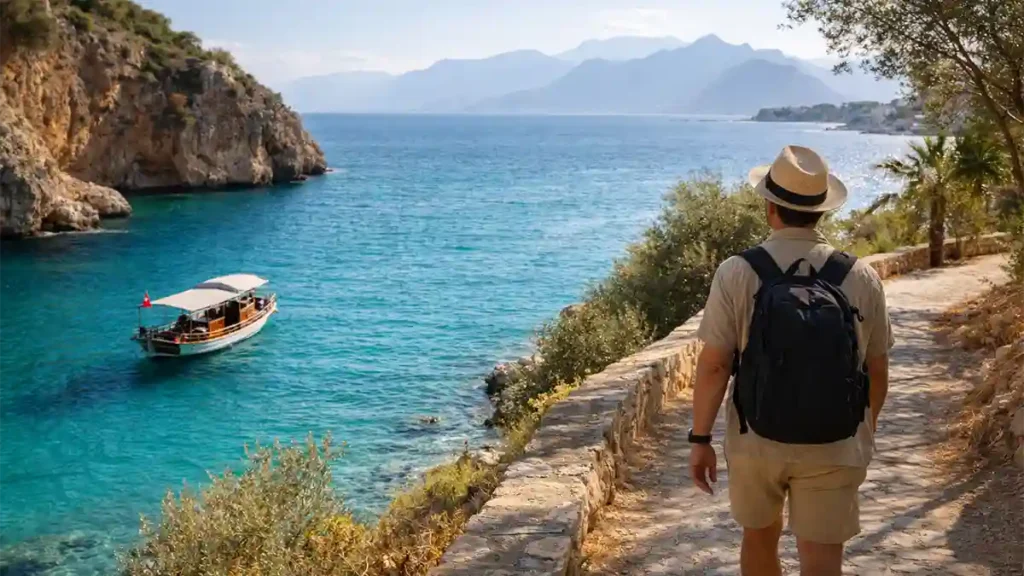
- Antalya: a major hub with an atmospheric old town
- Kaş / Kalkan: boutique coastal charm
- Fethiye / Ölüdeniz: lagoon views and outdoor adventure options
6. Black Sea region (3–6 days)
Choose the Black Sea if you want lush landscapes, cooler summer weather, and a slower pace. It’s excellent for nature focused travel.
7. Southeast and East (4–10 days)
This region is deeper, more cultural, and strongly food driven. It can be one of the most rewarding parts of Turkey for experienced travelers, but it needs more planning time.
Itineraries you can copy and use
A. 7-Day Classic: Istanbul + Cappadocia
Days 1–4: Istanbul
- Day 1: Old City highlights + local dinner
- Day 2: Markets + ferry ride
- Day 3: Museum/neighborhood day
- Day 4: Flexible day (shopping, cafés, hammam, or a day trip)
Days 5–7: Cappadocia
- Day 5: Arrive + sunset viewpoint
- Day 6: Balloon morning or sunrise viewpoint + valley walk
- Day 7: Underground city + depart
Why it works: two bases, minimal transit stress, high impact sights.
B. 10-Day Balanced: Istanbul + Cappadocia + Ephesus area
Days 1–4: Istanbul
Days 5–7: Cappadocia
Days 8–10: Aegean base (Selçuk or İzmir) for Ephesus and nearby towns
Why it works: you get city energy, landscapes, and ancient history without overpacking.
C. 14-Day Variety Route: City + Cappadocia + Coast
Days 1–4: Istanbul
Days 5–7: Cappadocia
Days 8–10: Aegean (Ephesus + Pamukkale)
Days 11–14: Mediterranean coast (Antalya + one smaller coastal town)
Key strategy: don’t change hotels every night. Use bases and day trips.
Food guide: what to eat (and how to enjoy it)
Turkey’s food culture is one of its strongest travel reasons. You don’t need a perfect restaurant list. You need a rhythm: breakfast, tea breaks, street snacks, and one slow dinner most nights.
What to try
- Turkish breakfast (kahvaltı): breads, cheeses, olives, eggs, honey, fresh vegetables, jams
- Simit: sesame bread ring easy, cheap, and everywhere
- Meze: small plates meant for sharing
- Grills and kebabs: many regional styles, each with its own personality
- Gözleme: thin flatbread filled with cheese, spinach, or other options
- Baklava and Turkish desserts: try different versions; quality varies by region
- Tea (çay): accept it when offered it’s hospitality, not just a drink
Eating tips that improve your trip
- Walk a few streets away from major tourist zones for better value.
- In busy areas, look for places that are clearly serving locals.
- If you have dietary needs, ask politely and clearly; many dishes can be adjusted.
Culture and etiquette: quick, useful basics
Small cultural awareness makes interactions smoother and more respectful.
Visiting mosques
- Dress modestly (shoulders and knees covered)
- Be quiet and respectful
- Avoid interrupting prayer times if you’re sightseeing
- Follow signage on photography rules
Bargaining
- Common in bazaars and some markets
- Keep it friendly and calm
- Don’t bargain aggressively if you’re not interested in buying
Hospitality
You may be offered tea or small gestures of help. A simple thank you and a respectful attitude go a long way.
Safety, scams, and smart habits
Most visitors have an easy trip, but it helps to stay alert in crowded tourist zones.
Practical safety habits:
- Keep valuables secure in busy markets and public transport
- Use reputable transport options and confirm details for longer taxi trips
- Carry a copy of your passport info page (digital backup helps)
- Avoid exchanging money in suspicious places; use reputable exchange offices or banks
Travel mindset: be aware, not anxious. Turkey is a major tourism country, and millions of people travel through it every year.
Packing and preparation: what you’ll be glad you brought
Essentials that make travel easier:
- Comfortable walking shoes
- A light scarf or cover up (useful for religious sites and sun)
- Power adapter if your home plug type differs
- A small day bag with water, tissues, and hand sanitizer
- A basic medicine kit (pain relief, stomach support, band aids)
Season specific notes:
- Spring/autumn: layers for changing temperatures
- Summer: sun protection matters (hat, sunscreen)
- Winter: a warm jacket, especially outside coastal areas
Common first timer mistakes (and how to avoid them)
- Overbuilding the route: too many cities in too few days
- Underestimating travel time: long distances look short on maps
- Overbooking tours: leave time for unplanned wandering
- Only eating in tourist strips: step away and you’ll eat better
- Skipping rest: Istanbul alone can be physically intense
Quick FAQ
Is Turkey good for first time international travelers?
Yes. Major destinations are well developed for tourism, transport is accessible, and the country is used to visitors especially in Istanbul and Cappadocia.
How many days are enough for a first Turkey trip?
8–10 days is ideal for Istanbul + Cappadocia + one Aegean or coastal base.
What’s the best time to visit Turkey for comfortable sightseeing?
Spring and autumn usually offer the best balance of weather and crowds.
Is Cappadocia worth it if I don’t do the balloon ride?
Absolutely. Valleys, viewpoints, cave hotels, and underground cities are still unforgettable.
Should I rent a car in Turkey?
Renting a car is most useful on coastal routes and smaller towns. In big cities especially Istanbul public transport is usually easier.
How do I keep the trip affordable?
Use intercity buses, stay longer in fewer bases, eat local food, and travel in shoulder season instead of peak summer.
Is Turkey safe for tourists?
Most trips are smooth. Use normal travel precautions, especially in crowded areas, and stick to reputable transport and services.
What’s the easiest classic route for first timers?
Istanbul (3–5 days) + Cappadocia (2–3 days), then add Ephesus or a short coast stop if you have extra time.
Conclusion: plan smart, travel slower, enjoy more
Turkey works best when you give it space. Build a route around a few strong bases, choose the right season for your style, and keep enough flexibility for the moments you can’t schedule sunset viewpoints, unexpected café stops, and those long dinners that turn into the best memories.
If you share your trip length (7 / 10 / 14 days) and your travel style (budget / midrange / comfort), I can turn this into a personalized day by day itinerary with a simple cost estimate and recommended bases.
Saudi Arabia Travel Guide 2026 | Dubai Travel Guide 2026 | Islamabad Travel Guide 2026 | Top Travel Destinations in the World for 2026