Saudi Hajj 2026 Visas Begin: What Pakistanis Should Know (Timeline + Checklist)
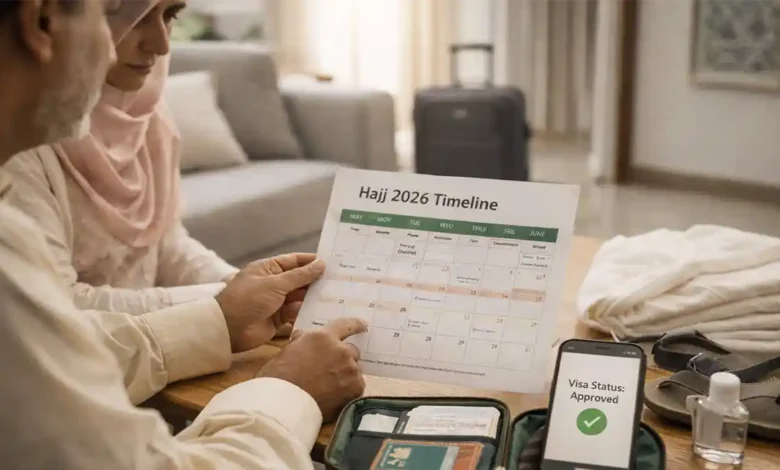
Saudi Hajj 2026 visas are now being issued earlier than many pilgrims are used to. Saudi Arabia’s Ministry of Hajj and Umrah announced visa issuance for the 2026 Hajj season (1447 AH) starting February 8, 2026.
If you’re Pakistani and planning Hajj whether you applied through the government scheme or a private operator this early start is not a minor update. It affects your entire planning calendar: biometrics, data verification, payments, training, travel readiness, and even how you protect yourself from scams.
This guide is built for real life, not theory. It explains what the early visa start means, how Pakistan’s biometrics requirements fit into the process, and what to do week by week so you don’t end up scrambling. You’ll also get a copy paste checklist at the end that you can keep on your phone.
1. What changed in 2026 and why Pakistanis should care
Saudi authorities didn’t just open visas early. They are pushing an accelerated operational calendar so missions and service providers finalize contracts and pilgrim data earlier, with the aim of improving readiness before the peak rush.
For Pakistani pilgrims, the practical consequences are straightforward:
- Your file must be clean earlier. Passport details, spelling, photos, and identity matching need to be correct before your case moves forward.
- Biometrics becomes the gatekeeper. If your biometrics are pending, the process can stall no matter how prepared you feel.
- The WhatsApp package scam season starts earlier too. When people hear visas started, scammers sell urgency. Your best defense is a checklist and official verification.
Also worth noting: Saudi authorities have shown increasing enforcement around service quality and compliance in religious travel. For example, reporting in early 2026 described the Ministry suspending contracts with 1,800 foreign travel agencies over Umrah service issues an indicator of tighter oversight across the broader pilgrimage ecosystem.
Bottom line: early visas reward people who prepare early and punish people who rely on rumors.
2. Hajj 2026 in one page: the key dates that shape everything
Here are the dates that matter for planning and leave management (with a reminder: exact ritual days depend on the lunar calendar, but operational milestones are clearer).
Confirmed / officially reported milestones
- Visa issuance begins: February 8, 2026.
- Pilgrim arrivals expected from: April 18, 2026 (start of the final operational phase, per reporting).
Tentative ritual timing (for planning only)
The core rites fall in late May 2026 based on widely used calendar projections, but moon sighting can shift final dates by a day. Treat these as planning anchors, not flight booking truth.
3. Government vs Private for Pakistanis: choose based on risk, not hype
Pakistani pilgrims usually travel through either:
- Government Hajj Scheme, or
- Private Hajj Scheme (Munazzams / operators).
Both can work well. The best choice depends on what you value most: cost predictability, proximity, services, flexibility, and reliability.
Government Hajj Scheme: structured, predictable, less customization
Pakistan’s Hajj policy reporting for 2026 described estimated government scheme costs in the range of PKR 1.15–1.25 million, with long and short duration options.
Typical strengths
- Clear application channel and documentation
- Defined installment schedule and training
- Lower risk of hidden package surprises
Common tradeoffs
- Less flexibility in hotel choice and proximity
- Larger groups, slower customization
- You follow the official schedule strictly
Private Hajj Scheme: flexible, can be premium but requires strict verification
Private packages can offer closer hotels, smaller groups, and customized services. The tradeoff is that the pilgrim must verify everything: provider status, written package terms, and what is actually included.
Pakistan’s Ministry of Religious Affairs maintains pages and documents related to the private scheme and operator lists/status updates.
How to choose quickly (a simple rule)
- If you want predictability and cost discipline, government scheme is usually safer.
- If you want comfort control (hotel distance, group size, services), private can be better only if the operator is credible and transparent.
4. The Pakistan friendly Hajj 2026 timeline (realistic and usable)
Think of Hajj preparation in five phases: selection → verification → biometrics → visa readiness → travel & rites. Early visa issuance means these steps compress into a cleaner, earlier schedule.
Phase A: Confirm your route and freeze your identity data
This sounds basic, but it’s where most problems start.
Do immediately
- Confirm whether you are traveling via government or private scheme.
- Freeze your official spelling as per passport.
- Make sure your CNIC/NICOP name alignment matches what your application uses.
One letter mismatch can become a small problem that costs weeks.
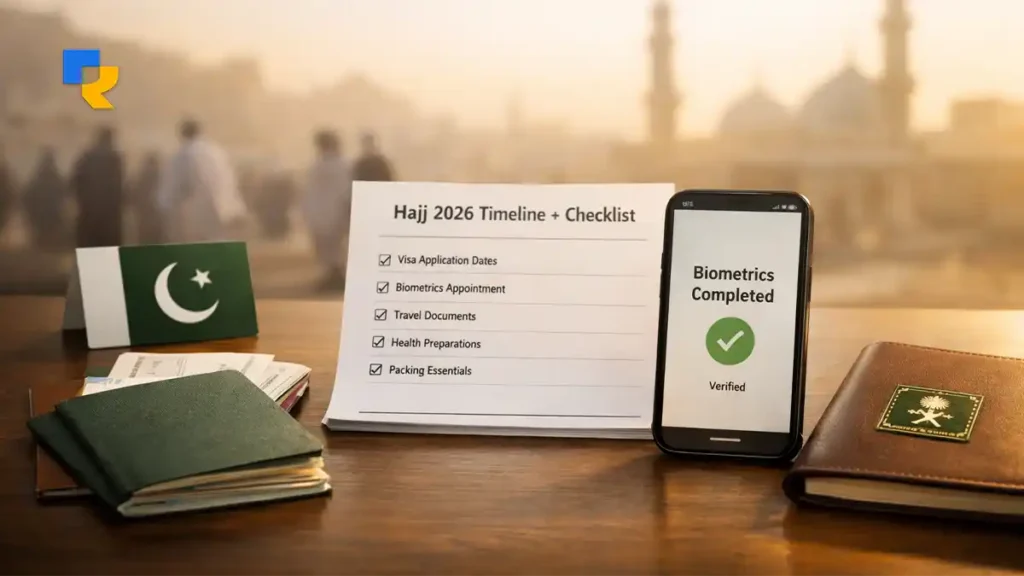
Phase B: Biometrics (the step you should never delay)
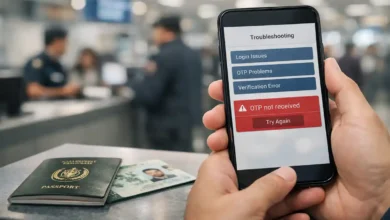
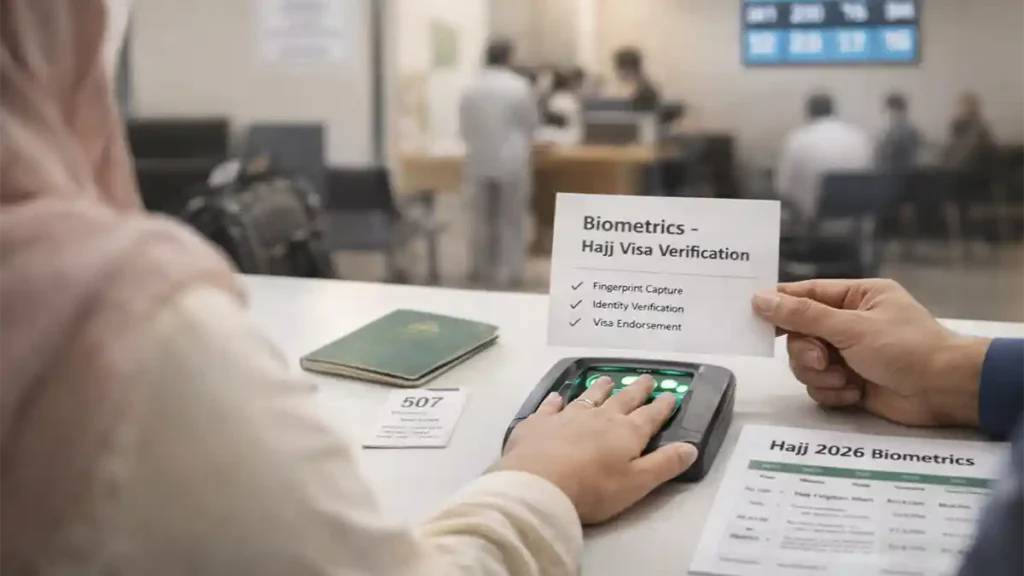
Pakistan’s Ministry of Religious Affairs has stated that pilgrims must complete fingerprint biometrics for Hajj visa endorsement using the Saudi Visa Bio app without delay.
In early February 2026, reporting showed Pakistan extending the biometrics deadline for government-scheme pilgrims to February 17.
Why this matters: biometrics is not just a formality. It’s a system requirement. If it’s not completed, your file can stop moving.

Phase C: Visa issuance and readiness confirmation
Saudi visa issuance began February 8, 2026.
Your job as a pilgrim is not to chase screenshots. Your job is to ensure your package channel (govt/private) confirms your status through proper documentation and consistent records.
Phase D: Travel window and arrivals
Reporting indicates first groups are expected to arrive from April 18, 2026, which pushes serious preparation earlier especially health readiness, packing, and mobility training.
5. Hajj visa reality check: what it is, and what it is not
This section protects your money.
A Hajj visa is not interchangeable with a visit/tourist visa
Saudi authorities have repeatedly emphasized enforcement around unauthorized presence in Makkah during restricted Hajj periods. The Saudi Press Agency published a Ministry of Interior announcement describing fines up to SAR 20,000 for visit visa holders entering or remaining in Makkah during restricted windows.
Plain meaning:
If someone tells you, Go on a visit visa and we’ll manage, treat that as a high risk proposal. Even if it worked for someone, it’s not a planning strategy.
Don’t accept proof that can’t be verified
Scammers love sending:
- low quality PDFs,
- cropped screenshots,
- urgent final call voice notes.
A legitimate process has consistent identity data, written receipts, and a channel you can verify.
6. Biometrics for Pakistanis: step by step, without confusion
Let’s simplify the biometrics story.
What you need to know
- Biometrics is required for visa endorsement.
- Pakistan extended the biometrics deadline to Feb 17 (for the government scheme, per reporting).
What to do (practical order)
- Check your passport and photo quality (clear, current, compliant).
- Complete biometrics early don’t wait for last week messages.
- Save proof: confirmation screen, reference numbers, and screenshots.
- Verify spelling consistency across passport, application, receipts, and biometrics record.
Common Pakistani mistakes that delay processing
- Using a nickname spelling in one place
- Extra space or missing middle name
- Switching transliteration styles between documents
- Old passport number used in one record
If you fix these early, you save yourself stress later.
7. Costs and budgeting: what Pakistanis should plan for
Hajj costs aren’t just package cost. They are package cost plus survival expenses, contingencies, and smart buffers.
Government cost reference point
For 2026, multiple official and widely reported sources described government scheme estimates around PKR 1.15–1.25 million, varying by finalized agreements, city, and package duration.
The three layer budget method (simple and effective)
Create three envelopes (physical or digital):
- Daily spending (food extras, small purchases, SIM, laundry)
- Emergency reserve (medical, last minute transport, unexpected needs)
- Return buffer (airport day costs, delays, just in case)
This structure protects you from the classic mistake: spending your emergency money early because you didn’t separate it.
Hidden costs people forget
- Replacement items (sandals break, power bank fails)
- Comfort upgrades (simple ones, like an extra bag or light umbrella)
- Medicines you didn’t plan for
- Local calls/roaming issues
- Donations or charity you choose to give (plan intentionally)
8. Health readiness: follow official guidance, and train like it’s a physical event
Hajj is spiritual but physically demanding. Millions are moving in heat, on foot, for days.
Vaccines and health requirements can change
Saudi authorities publish health guidance for pilgrims and update approved vaccines and requirements. Saudi Ministry of Health pages note that requirements and recommended vaccines are updated and include meningococcal and seasonal influenza among key items.
Nusuk also publishes health guidance content for pilgrims.
Practical advice:
Don’t rely on old posts or forwarded images. Confirm requirements through official sources and your operator’s current instructions.
Train your body (the easiest preparation most people skip)
A widely circulated health focused report noted that pilgrims can walk very long distances daily, and recommended physical conditioning and practical safety habits like hydration and protective gear.
A simple, safe training plan
- Start with 20 minutes of walking daily
- Gradually increase to 45–60 minutes
- Break in your footwear early
- Practice hydration habits (especially if you have health conditions follow your doctor’s advice)
Hygiene in crowds (common sense that works)
In dense gatherings, respiratory illness spreads fast. Your tools are simple:
- hand hygiene,
- tissues,
- staying hydrated,
- rest when possible.
This isn’t about fear. It’s about staying functional so you can worship properly.
9. Nusuk Card: why it matters even if you booked through Pakistan
You may hear Nusuk and assume it’s only for certain countries. Even if Pakistan’s pipeline is different, the concept still matters because Saudi systems increasingly rely on digital and ID linked pilgrim management.
Pilgrim guidance documents for Hajj 2026 have emphasized that pilgrims must carry a Nusuk Card issued upon arrival and that it is a mandatory identification document used for services and movement across sites.
What to do with your Nusuk Card
- Keep it on you, not in your suitcase
- Take a photo of it (front/back) for backup
- If it’s lost, report it immediately through your group coordinator
Small item, big impact.
10. Scams and too good to be true packages: how Pakistanis can protect themselves
Early visa issuance increases scams because urgency sells.
Red flags you should treat as stop signs
- We can do Hajj on visit visa, no issue
- No written package inclusions
- Pressure to pay quickly before the quota closes
- Vague hotel info (near Haram) with no distance category
- Refusal to share operator registration details
Why enforcement messaging matters
Saudi authorities have published fines related to unauthorized presence in Makkah during restricted periods.
This is exactly why shortcut offers are risky: penalties and disruptions can ruin the trip.
11. The timeline Pakistanis should follow (month by month)
Use this as a planning map. Adjust based on your scheme and official updates.
February 2026: the verification month
- Visa issuance begins Feb 8, 2026.
- Complete biometrics as early as possible; Pakistan extended the biometrics deadline to Feb 17 (government scheme, per reporting).
- Confirm spelling consistency everywhere
- Build your document folder (paper + digital)
March 2026: the readiness month
- Confirm your travel group contacts
- Review rites training materials
- Finalize health readiness based on current official guidance
- Start walking training if you haven’t
April 2026: the execution month
- Pilgrim arrivals expected from April 18, 2026.
- Pack light, pack smart
- Prepare your phone setup (power bank, offline notes, emergency numbers)
- Ensure family meet point planning (especially if traveling together)
Late May 2026: rites period (tentative)
- Stay with your group plan
- Prioritize hydration, shade, rest windows
- Keep your ID documents accessible
12. Copy paste master checklist (Pakistan optimized)
A. Documents (make 2 paper sets + 1 cloud backup)
- Passport (carry original + 2 photocopies)
- CNIC/NICOP copies
- 6–8 passport photos (spares help)
- Payment receipts and package confirmation
- Emergency contacts (printed card)
- Prescriptions (if applicable)
B. Biometrics and verification
- Biometrics completed (save proof).
- Confirm your name spelling matches passport exactly
- Keep a screenshot folder on your phone
C. Health and safety essentials (general, non medical)
- ORS/electrolyte packets
- Basic blister kit (plasters, antiseptic wipes)
- Unscented toiletries (Ihram appropriate)
- Masks/tissues (crowd hygiene)
- Any required vaccination proof as per current official guidance
D. Packing (light and functional)
- Ihram + belt/pouch
- Comfortable, broken in sandals + backup
- Light umbrella or cap (heat management)
- Refillable water bottle
- Small prayer mat
- Power bank + spare cable
E. Digital and ID
- Phone unlocked
- Important notes offline (hotel info, group leader, embassy contacts)
- Nusuk Card kept safely once issued
F. Family / elderly planning (high impact)
- Two daily meet points (morning + evening)
- A printed card with hotel name and key details
- One responsible person holds the backups
Quick FAQ
When did Saudi Hajj 2026 visas start?
Saudi Hajj 2026 visa issuance began February 8, 2026, per reporting and official announcements.
When do pilgrims start arriving for Hajj 2026?
Reporting indicates the first groups are expected from April 18, 2026.
Is biometrics mandatory for Pakistani pilgrims?
Pakistan’s Ministry guidance states biometrics are required for Hajj visa endorsement using the Saudi Visa Bio app.
Pakistan extended the biometrics deadline what was it extended to?
Reporting showed an extension for government scheme pilgrims to February 17, 2026.
Can I do Hajj on a visit/tourist visa?
That’s high risk. Saudi authorities have published enforcement notices with fines up to SAR 20,000 for visit visa holders entering or staying in Makkah during restricted periods.
What is the Nusuk Card and why should I care?
Hajj 2026 guidance documents emphasize carrying the Nusuk Card as a mandatory ID for services and movement between holy sites.
What’s the biggest reason visas get delayed for Pakistanis?
Incomplete biometrics, mismatched spelling across documents, or missing proof records are common causes.
What’s one smart thing I can do today?
Build your Hajj folder: passport copies, receipts, biometrics proof, and emergency contacts then keep backups in cloud storage and on paper.
Conclusion: early visas are a gift if you plan like a professional
Saudi Arabia beginning Hajj 2026 visa issuance on February 8, 2026 is a clear signal that the season is being operationally prepared earlier than usual.
For Pakistanis, the best response is not panic and constant checking. It’s a calm, structured plan:
- complete biometrics early,
- keep identity data consistent,
- verify your channel and package terms,
- follow current health guidance,
- and use a checklist that prevents predictable mistakes.
Do that, and your preparation becomes quiet and confident the way it should be for a journey this important.