Rawalpindi: The Historic Twin City of Islamabad, Complete Guide
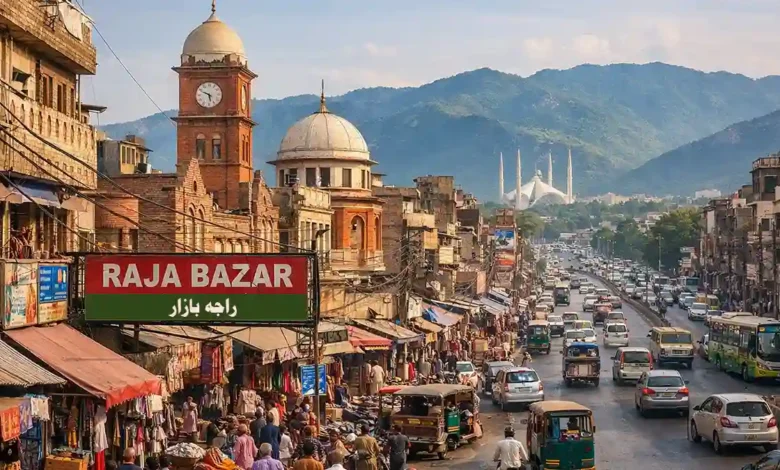
Rawalpindi historic twin city of Islamabad is more than just a neighboring urban center it is the living, breathing soul of northern Pakistan. While Islamabad stands as a carefully planned capital with wide boulevards and modern institutions, Rawalpindi tells a deeper, older story shaped by empires, trade routes, colonial rule, and everyday resilience.
Often referred to simply as Pindi, Rawalpindi is where Pakistan’s past and present collide. Its ancient bazaars sit beside modern shopping malls, colonial era buildings coexist with bustling flyovers, and centuries old traditions continue alongside fast paced urban growth. For travelers, historians, students, investors, and curious readers alike, Rawalpindi offers an experience that is authentic, layered, and deeply human.
This complete guide explores Rawalpindi from every meaningful angle its ancient roots, cultural identity, economic role, food scene, transportation, military significance, and future direction. Whether you are visiting for the first time or rediscovering the city with fresh eyes, this article will help you understand why Rawalpindi remains indispensable to Pakistan’s national identity.
Rawalpindi and Islamabad: Understanding the Twin City Concept
Rawalpindi and Islamabad are known collectively as Pakistan’s twin cities, yet they could not be more different in character.
Islamabad was built in the 1960s as a modern capital orderly, green, and administrative. Rawalpindi, by contrast, evolved organically over centuries. It served as a military cantonment during British rule and later became the operational backbone of Pakistan’s defense infrastructure.
Despite these contrasts, the two cities are inseparable:
- Rawalpindi supports Islamabad with labor, commerce, and services
- Millions commute daily between the two cities
- Islamabad provides administrative prestige and international visibility
- Infrastructure, economy, and culture overlap deeply
In many ways, Islamabad is the face of Pakistan, but Rawalpindi is its heartbeat.
Ancient Origins and Early History of Rawalpindi
Rawalpindi’s history stretches back thousands of years, making it one of the oldest continuously inhabited areas in the Potohar Plateau.
From Ancient Settlements to Trade Hub
- Gandhara civilization
- Mauryan Empire
- Kushan Empire
- Hindu Shahi kingdoms
Archaeological evidence shows that the region around Rawalpindi was inhabited during the Indus Valley Civilizationera. Later, it became part of:
Due to its strategic location near the ancient Grand Trunk Road, Rawalpindi developed into a key trading point linking Central Asia, South Asia, and the Middle East.
Meaning of the Name Rawalpindi
The name “Rawalpindi” is believed to come from “Rawal”, a Hindu religious title, and “Pindi”, meaning village. Over time, the village grew into a major town, eventually transforming into a regional powerhouse.
British Era and Military Importance
The arrival of the British in the 19th century permanently reshaped Rawalpindi.
Cantonment City Development
In 1851, Rawalpindi was established as a British military cantonment. This brought:
- Railways and roads
- Administrative buildings
- Schools and hospitals
- Structured urban planning
The city became one of the most important military centers in British India a role it still plays today.
Colonial Architecture Legacy
Many areas in Rawalpindi still feature colonial era structures, especially around:
- Saddar Bazaar
- Mall Road
- Rawalpindi Cantonment
These buildings add a historical charm that contrasts sharply with modern construction.
Rawalpindi After Independence
Following Pakistan’s independence in 1947, Rawalpindi emerged as a critical city during the nation’s formative years.
- It briefly served as Pakistan’s capital before Islamabad was completed
- It became headquarters of Pakistan’s military leadership
- It absorbed large migrant populations, accelerating urban growth
Unlike Islamabad’s planned expansion, Rawalpindi grew organically, resulting in its dense neighborhoods, vibrant streets, and unmatched street life.
Cultural Identity of Rawalpindi
Rawalpindi’s culture is rich, diverse, and deeply rooted in everyday life.
Languages and Ethnic Diversity
While Punjabi and Potohari dominate, Rawalpindi is home to:
- Pashtun communities
- Kashmiri families
- Migrants from across Pakistan
This diversity creates a cultural blend visible in food, dress, festivals, and social traditions.
Festivals and Daily Life
Religious and national festivals Eid, Ashura, Independence Day are celebrated with enthusiasm. Street decorations, food stalls, and night markets transform the city during festive seasons.
Famous Markets and Bazaars of Rawalpindi
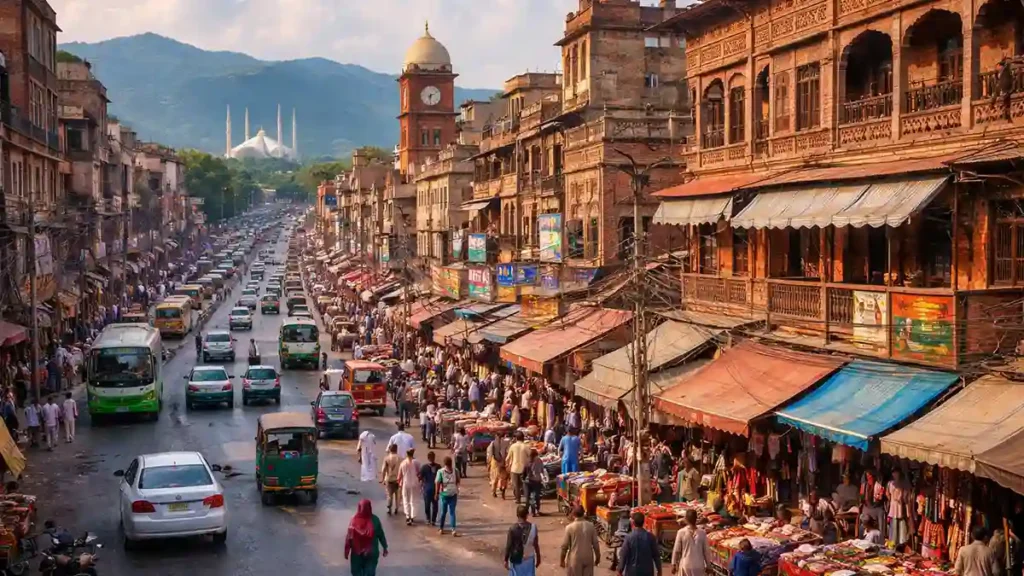
Rawalpindi’s bazaars are among the most vibrant in Pakistan.
Raja Bazaar
The heart of the city, Raja Bazaar is famous for:




- Traditional clothing
- Jewelry
- Spices
- Electronics
- Street food
It is chaotic, colorful, and full of life a true representation of Rawalpindi’s soul.
Saddar and Commercial Areas
Saddar offers a more organized shopping experience with:
- International brands
- Cafés
- Bookstores
- Tailoring shops
It reflects the city’s ability to blend tradition with modern retail culture.
Food Scene: Where Rawalpindi Truly Shines
If Islamabad is calm and refined, Rawalpindi is bold and flavorful.
Iconic Dishes
- Nihari
- Paye
- Charsi Karahi
- Seekh Kebabs
- Halwa Puri breakfasts
Food streets in areas like Saddar, Murree Road, and Committee Chowk are legendary among locals.
Rawalpindi’s food culture is not curated it is authentic, loud, and deeply satisfying.
Economic Role and Employment Opportunities
Rawalpindi plays a vital role in the regional economy.
Key Economic Sectors
- Military and defense institutions
- Retail and wholesale trade
- Transportation and logistics
- Small manufacturing
- Real estate and construction
The city provides employment to millions, including residents of Islamabad and nearby districts.
Education and Healthcare in Rawalpindi
Rawalpindi hosts several respected institutions:
Educational Institutions
- Army Medical College
- Fatima Jinnah Women University
- Gordon College
- Multiple private universities and colleges
Healthcare Facilities
- Combined Military Hospital (CMH)
- Holy Family Hospital
- Benazir Bhutto Hospital
These institutions serve not just Rawalpindi but large parts of northern Pakistan.
Transportation and Connectivity
Rawalpindi is one of Pakistan’s most connected cities.
- Metro Bus service linking Islamabad
- Extensive road network
- Railway junction connecting major cities
- Proximity to Islamabad International Airport
Its transport infrastructure makes it a natural gateway to the north.
Rawalpindi’s Challenges and Urban Pressure
Despite its strengths, Rawalpindi faces challenges:
- Overpopulation
- Traffic congestion
- Infrastructure strain
- Environmental concerns
However, ongoing urban development projects aim to modernize the city while preserving its character.
The Future of Rawalpindi
Rawalpindi’s future lies in balanced growth.
Planned improvements include:
- Smart traffic systems
- Urban renewal projects
- Digital governance initiatives
- Improved public transport
As Islamabad expands, Rawalpindi will remain its indispensable partner older, rougher, but far more expressive.
Quick FAQ
Why is Rawalpindi called the twin city of Islamabad?
Rawalpindi is called Islamabad’s twin city because it supports the capital with commerce, labor, transport, and shared infrastructure.
Is Rawalpindi older than Islamabad?
Yes, Rawalpindi is much older and has a history spanning thousands of years, while Islamabad was built in the 1960s.
What is Rawalpindi famous for?
Rawalpindi is famous for Raja Bazaar, street food, military headquarters, and its rich cultural heritage.
How far is Rawalpindi from Islamabad?
Rawalpindi and Islamabad are adjacent cities, with most areas just 10 to 20 minutes apart by road.
Is Rawalpindi good for tourists?
Yes, Rawalpindi offers historic markets, traditional food, cultural sites, and easy access to northern tourist areas.
Which areas are best for shopping in Rawalpindi?
Raja Bazaar, Saddar, and Commercial Market are the most popular shopping areas.
What languages are spoken in Rawalpindi?
Punjabi, Potohari, Urdu, and Pashto are commonly spoken in Rawalpindi.
What makes Rawalpindi different from Islamabad?
Rawalpindi is vibrant and historic with dense markets, while Islamabad is modern, planned, and administrative.
Conclusion
Rawalpindi historic twin city of Islamabad is not merely a supporting character it is the foundation upon which the capital stands. From ancient civilizations to modern military command, from chaotic bazaars to academic institutions, Rawalpindi embodies Pakistan’s complexity in its purest form.
It is a city that does not pretend to be perfect. Instead, it thrives on authenticity, resilience, and cultural depth. To understand Islamabad, one must understand Rawalpindi. And to understand Pakistan, one must experience both.