First International Trip from Pakistan: A Complete Checklist (2026)

First international trip from Pakistan can feel exciting, confusing, and slightly overwhelming at the same time. One moment you are imagining airport photos and new cities, and the next you are worrying about passports, visas, baggage rules, immigration questions, and whether you forgot something important. That mix of excitement and stress is completely normal.
For first time travelers, the biggest challenge is not the flight itself. It is the lack of clarity before the journey begins. Many people in Pakistan plan their first trip by collecting random advice from friends, YouTube videos, TikTok clips, or travel groups. Some of that advice is useful, but much of it is incomplete, outdated, or based on someone else’s situation. International travel works best when you follow a proper checklist and understand why each step matters.
The good news is that your first trip does not have to be complicated. If you handle the basics properly, the entire process becomes much easier. You do not need to act like an experienced traveler. You only need to be prepared.
This guide breaks the process into simple, practical steps so first time travelers from Pakistan can move forward with confidence in 2026.
Why your first international trip needs a checklist
A domestic trip allows room for small mistakes. International travel usually does not. A missing document, a weak booking plan, an expired passport, or even confusion at the airport can create serious problems. That is why preparation matters more than confidence.
A proper checklist helps you in three important ways. First, it reduces stress because you know what to do in order. Second, it lowers the risk of expensive mistakes. Third, it helps you look more organized and credible when dealing with airlines, visa offices, immigration staff, and hotel check ins.
Think of your first international trip as a project. Once you divide it into smaller tasks, it stops feeling overwhelming.
Step 1: Choose the right first destination
Your first destination should be realistic, not just exciting. A lot of people make the mistake of choosing a place based only on social media appeal. A country may look beautiful online, but it may not be ideal for a first time traveler from Pakistan if the visa process is difficult, the cost is too high, or the travel route is too complicated.
For a first trip, simplicity is usually the better choice. A destination with a clear visa process, one main city, manageable costs, and straightforward transport is often more suitable than a complex itinerary with multiple flights and unfamiliar rules.
Before you fall in love with a destination, ask yourself a few practical questions. Can you afford the full trip, not just the ticket? Is the visa process realistic for your profile? Will the language barrier be manageable? Is the trip too ambitious for your first time? These questions may sound basic, but they can save you from major frustration.
A first trip should build your confidence, not test your patience at every stage.
Step 2: Check your passport first
Your passport is the foundation of the entire journey. Before thinking about flights, hotels, or shopping, make sure your passport is valid and in good condition.
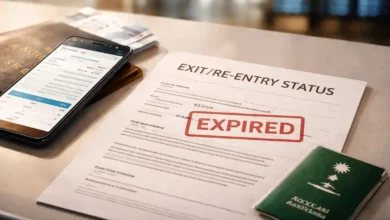
Many first time travelers assume that a passport only needs to be valid on the day of travel. That is not always enough. Some countries expect your passport to remain valid for several months after your planned return date. This is one of the most common issues people overlook.
If your passport has limited validity left, renew it before making serious plans. It is always better to fix this early rather than panic later. Also check that your name, date of birth, and other personal details match your other documents exactly. Even a small mismatch can create unnecessary complications.
If you do not have a passport yet, begin that process first. No travel plan is real until this document is sorted.
Step 3: Understand the visa process clearly
A flight ticket does not guarantee a successful trip. Your visa situation often matters even more than your booking. This is where first time travelers can make expensive mistakes.
Some destinations allow visa free entry for certain travelers. Some offer e-visas. Others require full embassy applications, interviews, appointment slots, bank statements, hotel bookings, travel history, and proof that you intend to return to Pakistan after your trip. Every country has its own rules, and those rules can change.
This is why you should never assume that the process will be simple just because someone else traveled there recently. Your personal case matters. Your passport strength, job situation, bank balance, travel purpose, and documentation quality all influence how smooth the process will be.
Before spending heavily, understand these points:
- whether you need a visa, e-visa, or transit visa
- how long the visa process usually takes
- what documents are required
- whether travel insurance is needed
- whether confirmed hotel and return ticket are expected
- how much proof of funds may be necessary
A smart traveler respects paperwork. A careless traveler trusts luck. For international travel, paperwork usually wins.
Step 4: Create one complete travel file
One of the best habits for a first time traveler is keeping all important documents together in one organized file. Do not depend only on your memory, your email inbox, or screenshots scattered across your phone gallery.
Your travel file should include:
- passport
- visa or e-visa approval
- flight ticket
- hotel confirmation
- travel insurance, if needed
- CNIC copy
- passport size photos
- bank statement or proof of funds
- emergency contacts
- any invitation letter or supporting documents related to your trip
It is also wise to keep digital copies saved in your phone, email, and cloud storage. If you lose a paper copy, a digital backup can be extremely helpful.
Organization matters more than people realize. At airports and immigration counters, speed and clarity create a strong impression. When someone asks for a document, you should be able to show it quickly without opening ten apps or checking five different folders.
Prepared travelers often look calm not because they are fearless, but because they know exactly where everything is.
Step 5: Book carefully, not emotionally
Once your documents are in order, move toward bookings. This is where people often get carried away by cheap fares, flashy hotel photos, or influencer style travel plans.
For your first international trip, avoid unnecessary complexity. A slightly more expensive direct flight may be far better than a confusing route with long transit gaps, baggage re-check issues, or unclear airport changes. The cheapest ticket is not always the smartest option.
The same goes for hotels. Choose a place with a good location, reliable reviews, easy access to transport, and a clear cancellation policy. For a first trip, safety and convenience are more valuable than luxury.
Budget honestly. Do not calculate only airfare and hotel costs. Your full budget should include visa fees, baggage charges, food, airport transport, local travel, internet or SIM costs, travel insurance, and emergency money. Many people underestimate the real cost of a trip because they only focus on the booking stage.
A smart booking plan should make your trip easier, not harder.
Step 6: Pack like a traveler, not like you are moving countries
Packing is where first time travelers often lose discipline. They carry too much, pack the wrong things, or leave out essentials while making room for items they never use.
The best approach is practical packing. Build your suitcase around what you will actually need, not every possible scenario you imagine. Choose outfits based on weather, comfort, and simplicity. A first trip is not the time to experiment with inconvenient shoes, heavy luggage, or unnecessary extras.
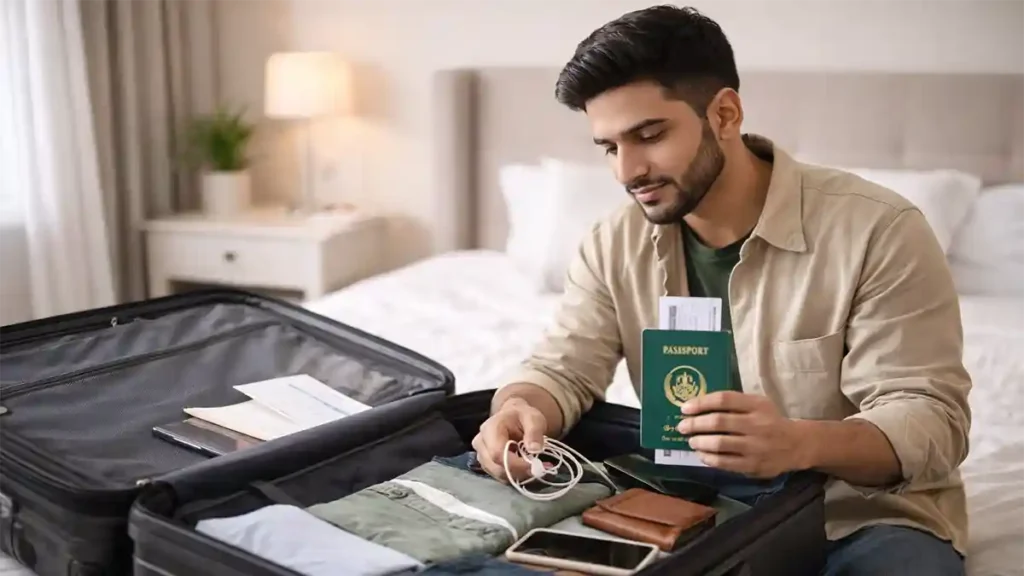
Your hand carry should include the items that matter most:
- passport and key travel documents
- wallet and cards
- phone and charger
- medicines
- one change of clothes
- basic toiletries within airline limits
- valuables and important electronics
Never put essential documents or important medication in checked baggage. If your suitcase gets delayed, your trip should still remain manageable.
Also remember that airline baggage rules can vary. Check both weight and size limits before reaching the airport. A small detail like excess baggage can create stress, delays, and extra charges.
Good packing is not about carrying more. It is about carrying better.

Step 7: Prepare for the airport experience in Pakistan
For many people, the airport is the most intimidating part of their first international trip. The reason is simple: they do not know the sequence. Once you understand the flow, airport anxiety drops quickly.
In most cases, your journey will follow this order: airport entry, airline check in or baggage drop, security, immigration, waiting at the gate, and boarding.
The key is to arrive early and stay calm. Do not leave home in a rush. Do not depend on last minute printing. Do not assume everything will go perfectly. Give yourself enough time for traffic, queues, security checks, and unexpected delays.
At immigration, you may be asked simple questions such as:
- where are you going
- why are you traveling
- how many days will you stay
- where will you stay
- who paid for the trip
These are not trick questions. Just answer clearly and honestly. Short, direct answers are best. If you are traveling for tourism, say tourism. If you are staying at a hotel, have the booking ready. If you have a return ticket, know the date.
People often become nervous because they think they need to sound impressive. They do not. They only need to sound clear and consistent.
Step 8: Plan for arrival before you leave Pakistan
A lot of travelers focus so much on departure that they forget to prepare for landing. But a smooth arrival is part of a successful trip.
Before you fly, save your hotel address, booking details, emergency contacts, and transport plan. Know how you will get from the airport to your accommodation. Decide whether you will use airport taxi services, ride hailing apps, hotel pickup, or public transport. Do not land in a new country and start researching basic arrival details after you switch off airplane mode.
It is also smart to think about money access. Carry some funds in a practical form, whether that means cash, cards, or a mix of both depending on the destination. Relying on only one payment method is risky.
As soon as you land, focus on three things: connectivity, transport, and communication. Get internet access, confirm your route to the hotel, and send a quick message to someone back home. These simple steps create immediate peace of mind.
Step 9: Stay alert, but do not ruin the experience with fear
First time international travelers sometimes become so cautious that they stop enjoying the journey. Yes, you should stay aware of your surroundings, protect your passport, respect local laws, and avoid careless decisions. But travel is also meant to expand your world.
Use common sense. Keep your valuables secure. Do not trust strangers too quickly. Respect airport, hotel, and immigration rules. Avoid carrying prohibited items. Double check your return travel plan before the last day. But alongside that, allow yourself to enjoy the reason you traveled in the first place.
Take in the new environment. Observe how people move, eat, work, speak, and live. Your first trip is more than a checklist. It is an education.
Quick FAQ
How early should I start planning my first international trip from Pakistan?
Start at least 6 to 10 weeks early for a simple trip, and earlier if your passport needs renewal or your visa category takes time.
Is a passport alone enough for international travel?
No. Depending on the destination, you may also need a visa or travel authorization, hotel booking, return ticket, insurance, and proof of funds.
Should I choose an e-passport or a normal passport in Pakistan?
If available to you, an e-passport is a strong option because it includes an embedded chip and ICAO-compliant features.
Can I apply for a Pakistani passport outside my home city?
Yes. DGI&P says citizens may apply from any passport office regardless of the address on their CNIC.
What is the biggest first time travel mistake?
Treating documentation casually. Missing, expired, or mismatched documents are a common cause of boarding and entry problems.
Do I always need travel insurance?
Not always, but it is strongly recommended, and for Schengen visas it is part of the required document set.
What should stay in my hand carry?
Passport, visa papers, wallet, phone, charger, medicines, one set of clothes, and your key travel documents.
What should I do if immigration asks questions at the airport?
Stay calm, answer briefly, and show documents in order. Clear, consistent answers work better than long explanations.
Conclusion
Your first international trip from Pakistan does not need to be perfect. It needs to be well prepared.
Once your passport is valid, your visa path is clear, your bookings are sensible, your documents are organized, your packing is practical, and your airport plan is strong, the journey becomes far less stressful. Most first time travel problems come from rushing, guessing, or ignoring small details. Preparation solves most of them before they become real problems.
The truth is simple: confidence in travel does not come from experience alone. It comes from readiness. That is what turns a nervous first time traveler into someone who can move through the airport, board the flight, land in a new country, and say, I can do this.
And that is exactly how your first international trip should begin.