Abha Travel Guide: Cool Weather and Scenic Views
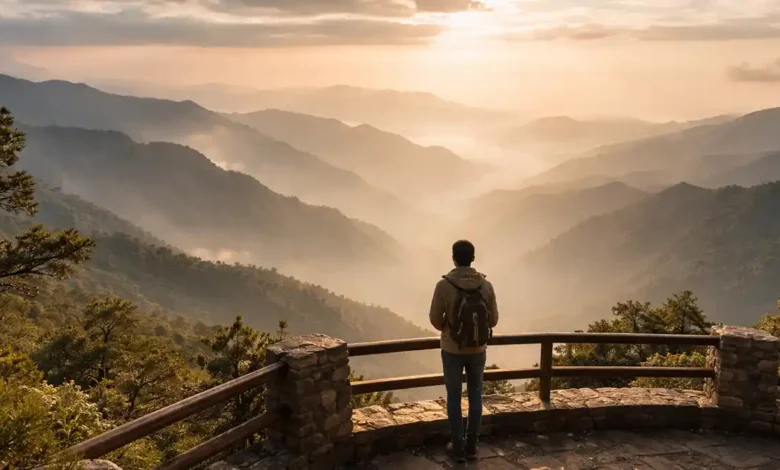
Abha travel guide: if you want a Saudi getaway where you can walk, explore, and enjoy fresh air, Abha delivers. Set high in the Asir Mountains, Abha is known for milder temperatures, misty hillsides, juniper landscapes, and viewpoints that instantly slow you down.
This is not a one attraction and done destination. Abha shines when you take it at a relaxed pace: cool evenings even in summer, café stops with mountain views, art filled corners of the city, and day trips to villages where stone buildings rise dramatically from the terrain.
In this guide, you’ll get:
- The best time to visit and what cool weather really means in Abha
- Scenic viewpoints and nature spots that are genuinely worth your time
- Cultural stops that explain what makes Asir feel distinct
- Local food to try on purpose (not as an afterthought)
- A practical 2–3 day itinerary that flows smoothly
Let’s plan your Abha trip in a modern, editorial, and easy to follow way.
Why Abha Feels Cooler (and Why That Changes Your Trip)
Abha sits at a high elevation (around 2,000+ meters above sea level), and that altitude is the main reason the weather feels different from much of Saudi Arabia. Temperatures tend to be milder, evenings are often comfortable, and outdoor plans are easier to enjoy especially during the hotter months elsewhere.
Abha weather: a simple reality check
Abha isn’t cold all year, but it’s noticeably cooler than lowland cities.
- Warm season: days are generally pleasant to warm, and evenings are often comfortable.
- Winter: mornings and nights can feel chilly, so layers matter.
This affects how you pack and how you plan your days:
- You can schedule outdoor time without constantly hiding indoors.
- Viewpoints can feel breezy (sometimes surprisingly cold at night).
- Mist and fog are part of the atmosphere, so timing helps.
Best Time to Visit Abha (Season by Season)
Late spring to early autumn (May to September): the classic escape
This is Abha’s most popular travel window because many travelers come for relief from intense heat in other regions. Expect pleasant evenings, lively cafés, and great conditions for viewpoints.
Best for: cable cars, scenic drives, sunset spots, and long evening walks.
Peak summer (July and August): busier, but fun
In many years, Abha’s summer period includes seasonal programs and events that add energy to the city. If you enjoy crowds, family friendly activities, and a more festival feeling, this is a good time.
Best for: travelers who want a lively atmosphere and a fuller calendar.
November to February: crisp, calm, and photogenic
Abha feels quieter in winter, and the cooler air can make the mountains feel extra dramatic.
Best for: slower travel, cozy stays, and early morning viewpoints.
Pack smart: winter evenings can feel cold, especially in higher areas.
Getting to Abha (Flights and First Steps)
Flying in
Most visitors arrive via Abha International Airport, the city’s main air gateway.
Arrival tip: Abha’s elevation can feel different, especially if you arrive from a humid or hot city. Drink water, keep your first evening relaxed, and save intense walking for the next day.
Getting around
Abha is far easier when you can move freely.
Best options:
- Car rental: ideal for viewpoints, Al Soudah, and day trips
- Ride hailing/taxis: workable inside the city, less reliable for remote stops
- Tours: helpful if you want a structured plan without driving
If you’re short on time and don’t have a car, stay close to central Abha and focus on city viewpoints + cultural areas.
Where to Stay (Quick Guide)
1. Central Abha: best all round base
Good for first time visitors who want restaurants, cafés, easy transport, and quick access to city viewpoints.
2. Al Soudah area: for cooler mornings and stronger scenery
Perfect if your priority is mountain mood and early views. Expect cooler nights and a quieter feel.
3. Khamis Mushait: practical and often budget friendly
This area can be convenient for road access and pricing, though it may feel more functional than scenic.
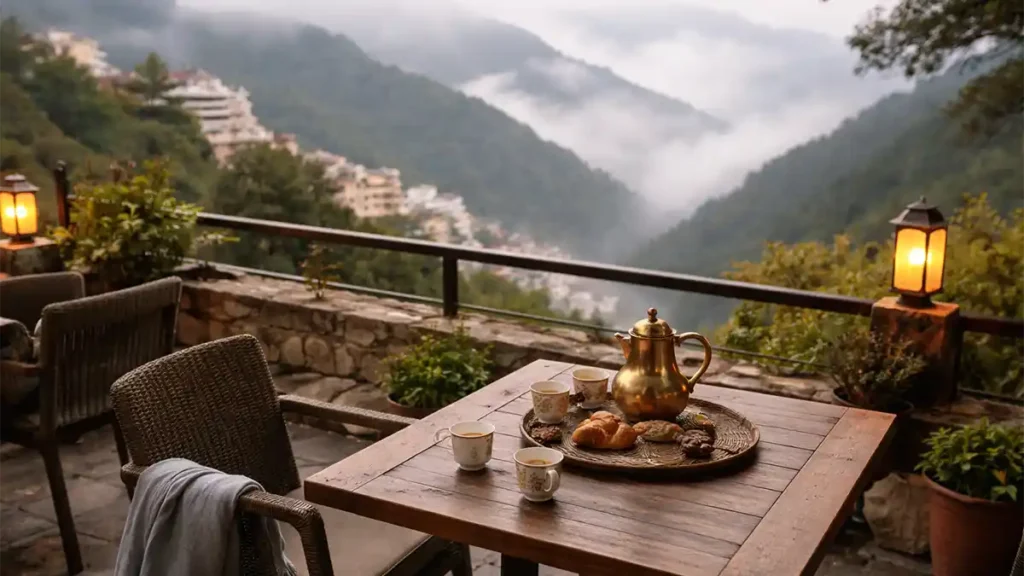
The Scenic Abha List (Views You’ll Remember)
1. Al Soudah: Abha’s signature mountain experience
Al Soudah is one of the most iconic areas near Abha cooler air, high viewpoints, and a mountains first atmosphere.
How to do it well:
- Go early for fog and softer light
- Stay through late afternoon for golden hour views
- Bring a light jacket, even in warm months
2. Abha cable car: scenery with a thrill factor
Cable car rides are a classic Abha experience, combining panoramic views with an easy, photo friendly way to see the landscape.
Pro tip: ride when the light is gentle late afternoon usually gives the best pictures.
3. Habala: dramatic terrain and a strong story
Habala is known for steep cliffs and a distinctive heritage identity tied to mountain life. It’s a powerful stop for scenery and perspective.
Tip: slow down here. The place works best when you take time to look and absorb the scale.
4. City viewpoints at night: underrated and beautiful
Abha’s evening mood is special cool air, city lights, and a calmer pace. Add one viewpoint stop after dinner, especially if you enjoy night photography.
Nature Around Abha: The Green Side of Saudi Arabia
Asir National Park: the big nature highlight
The wider Asir area includes protected natural spaces known for mountain ecosystems and forests. You don’t need to be an advanced hiker to enjoy it.
Great ways to experience nature without overplanning:
- short walks with clean air and wide views
- simple picnic stops
- foggy mornings that turn ordinary scenes into cinematic ones
What to carry:
- comfortable shoes with grip
- water and small snacks
- a power bank (you will take a lot of photos)
Culture and Heritage: Why Abha Feels Different
Al Muftaha: arts, galleries, and local energy
Al Muftaha is an easy cultural stop: walkable, creative, and a great place to understand Abha’s modern identity through art and public spaces.
Al Qatt Al Asiri: the patterns you’ll keep noticing
If you see bold, colorful geometric designs in homes and cultural spaces, you’re seeing a tradition strongly connected to the Asir region. It adds a local signature to the trip and makes Abha feel rooted rather than generic.
Rijal Almaa: the heritage day trip worth planning
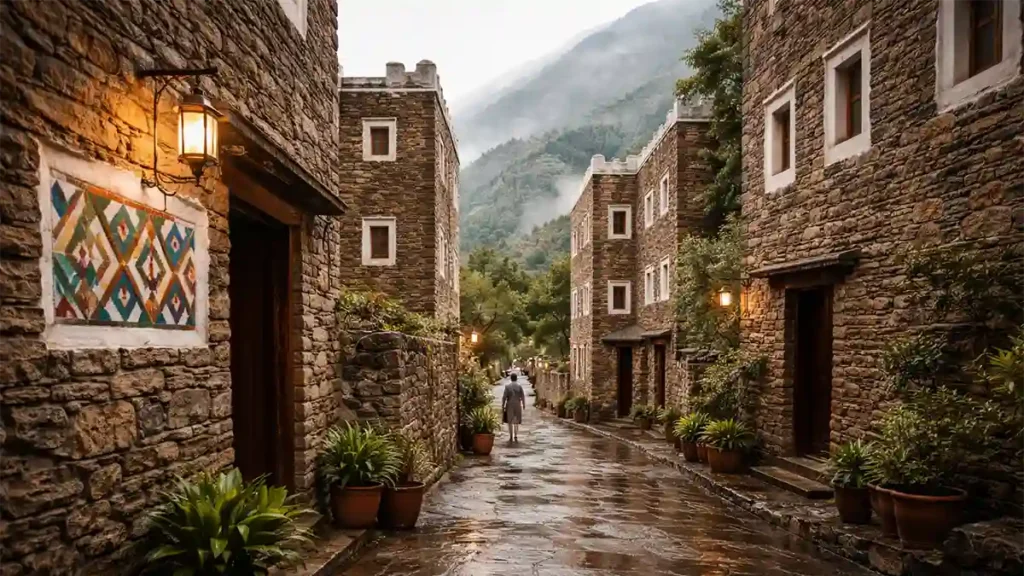
Rijal Almaa is famous for its stone architecture and village atmosphere. It’s one of the strongest day trips from Abha if you want history, culture, and striking visuals in one place.
Why it’s worth it:
- dramatic architecture and photo angles
- a deeper look into the region’s heritage
- a perfect Day 3 destination if you have time
What to Eat in Abha: Aseeri Comfort Food
Abha’s food fits the climate: hearty, comforting, and often paired with local honey.
Try these:
- Mifa style bread and regional bread traditions
- Areekah (a popular local dish often enjoyed with honey and ghee)
- local honey and warm drinks after a viewpoint run
Ordering tip: ask for local specialties Asiri style when available you’ll usually get a more authentic version.
A Practical Abha Itinerary (2 Days or 3 Days)
Option A: 2 day itinerary (simple and strong)
Day 1. City + culture
- Morning: café + an easy city viewpoint
- Midday: Al Muftaha (art and culture)
- Afternoon: relaxed lunch + light exploring
- Evening: city lights viewpoint + dinner
Day 2. Mountains + scenery
- Morning: Al Soudah early views
- Midday: cable car experience
- Afternoon: nature stop and unplanned exploring
- Evening: dessert and a calm café finish
Option B: 3 day itinerary (best balance)
Day 1. Abha basics
- Al Muftaha + central areas
- viewpoints in soft evening light
Day 2. Scenic Abha
- Al Soudah as the main event
- cable car + sunset stop
Day 3. Heritage day trip
- Rijal Almaa day trip
- return for a relaxed final evening
This structure keeps your days varied and prevents the trip from turning into nonstop driving.
What to Pack (So You Stay Comfortable)
Abha’s cooler air is a gift if you pack for it.
Bring:
- light jacket or hoodie
- comfortable walking shoes
- sunglasses (mountain light can be bright)
- scarf or wind layer for viewpoints
- moisturizer + lip balm (mountain air can feel dry)
For photos:
- lens/phone wipe cloth (fog happens)
- power bank
- a little patience with mist and changing light
Budget Tips That Still Feel Premium
- Pick one experience moment (cable car, a guided heritage visit, or a special dinner), then keep the rest simple.
- Views are often free the key cost is transport and timing.
- Eat one local specialty meal per day and keep the other meal light.
Common Mistakes First Timers Make (Avoid These)
- Underpacking layers because Saudi is always hot.
- Visiting viewpoints at random times instead of planning around light and fog.
- Trying to cram Al Soudah, Habala, and a heritage village into a single day.
- Skipping culture completely and turning Abha into just viewpoints.
Quick FAQ
When is the best time to visit Abha?
May to September is best for mild weather and outdoor plans; winter is quieter and cooler.
Does Abha get cold at night?
Yes, especially in winter and in higher areas. Bring a light jacket year round.
Is a car necessary in Abha?
Not required, but highly recommended for Al Soudah, Habala, and day trips.
What’s the top scenic spot near Abha?
Al Soudah is the classic choice for big mountain views and cooler air.
Is the cable car worth doing?
Yes, great views with minimal effort, especially near late afternoon.
What’s the best cultural stop in the city?
Al Muftaha is an easy, walkable introduction to Abha’s arts and culture.
What’s the best heritage day trip?
Rijal Almaa is a standout for architecture, photos, and local history.
What local food should I try first?
Try Areekah and local bread traditions, ideally paired with honey.
Conclusion: Why Abha Deserves a Spot on Your Saudi Travel List
Abha proves that Saudi Arabia is not one landscape. It’s mountain air, misty horizons, creative neighborhoods, heritage architecture, and evenings that invite you outside. With the right timing and a calm plan, Abha becomes more than a quick escape it becomes a place you’ll want to return to, especially when you need cool weather and scenic views.





2 Comments