Taif Travel Tips: Roses, Markets, and Viewpoints
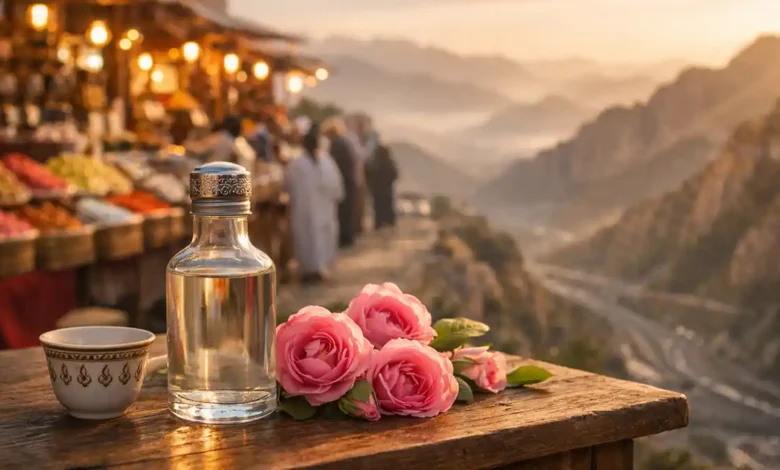
Taif travel tips begin with a simple plan: start early for roses, shop later for the best market energy, and save the viewpoints for the golden hour. Taif sits high in the Hijaz mountains, and that elevation shapes everything you will feel and do. Days can be pleasantly mild, while evenings in the mountain areas may turn cool faster than first-time visitors expect. The result is a destination that feels like a refresh button, especially if you are coming from warmer, lower-altitude cities.
But Taif is not only about weather. It is a place where perfume culture is not a trend, it is a tradition. Where market stalls can smell like cardamom, incense, and fresh fruit at the same time. Where a short drive can shift the scenery from city streets to mountain roads and sweeping overlooks. And where the rose is not just a photo opportunity, but a serious local industry that produces rose water and oils prized across the region.
This guide is designed to be practical, modern, and editorial in tone. You will learn when to visit, what to do in rose season, how to shop Taif markets with confidence, which viewpoints deliver the best light, and how to build an itinerary that feels full without feeling rushed.
Why Taif feels different (and why it matters for your itinerary)
Taif’s altitude changes your daily rhythm. In many places, travelers build their day around escaping midday heat. In Taif, the smarter strategy is to build your day around experience quality:
- Early morning is best for rose farms and distillation visits because the scent is stronger and the air is cleaner.
- Midday suits indoor heritage spots, relaxed lunches, and café time.
- Late afternoon and sunset are perfect for mountain viewpoints because the light becomes soft and the temperatures drop.
Think of Taif as three connected experiences: roses, markets, and mountains. The best trips weave these together in the right order instead of treating them like separate checkboxes.
Best time to visit Taif: roses, comfort, and crowds
(1) Rose season (the signature Taif experience)
If you want Taif at its most iconic, plan for late March through April. This is the period when rose activity is typically strongest. Rose season is short, and harvest windows can be tight, so the exact timing may shift slightly each year depending on weather and bloom cycles.
What rose season changes for travelers:
- The city feels more festive and scented, especially around farms and perfume shops.
- You can often see real harvesting and distillation in action.
- Rose-related products are fresher, and the variety is better.
If rose farms are your main reason for visiting, book your accommodation earlier than usual, especially if you plan to travel on a weekend.
(2) Summer (the cool-weather escape)
Summer is popular for a different reason: Taif can feel like a mountain retreat when other areas feel hot. Expect more families and more domestic travelers. Attractions become busier, but the overall vibe is lively and social.
(3) Shoulder months and winter (quiet, scenic, and calm)
Outside peak seasons, Taif often feels more spacious. Viewpoints can be clearer, and you can take your time in markets without dense crowds. If you enjoy slower travel, this is a strong option.
Getting to Taif and getting around efficiently
Arriving in Taif
- Car or private driver: Best for flexibility, especially if you want to combine Al Hada and Al Shafa with farms and markets in one trip.
- Flights: Convenient if you are coming from far away and want to save time.
- Tours: Useful if you prefer a fixed schedule and do not want to handle logistics.
Moving around inside Taif
Taif’s highlights are spread out. Rose farms, old market areas, and mountain viewpoints are not all next to each other. For a smooth experience, plan to use one of the following:
- rental car
- hired driver
- tour package with multi-stop routes
Travel tip: Add buffer time. Mountain roads can slow down on weekends, and viewpoints are more enjoyable when you arrive relaxed.
Roses in Taif: how to do it properly (not just for photos)
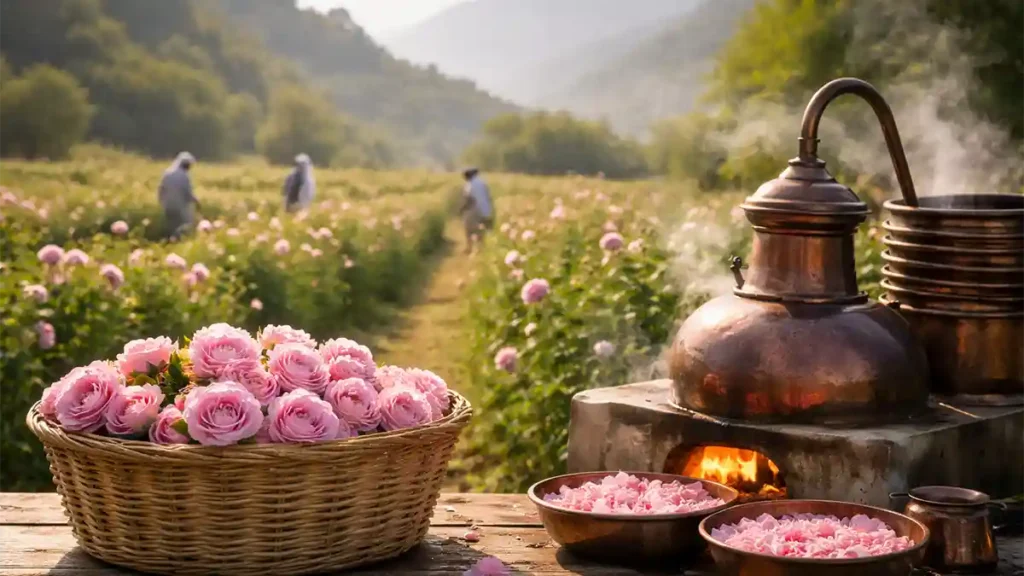
Taif’s rose culture is the heart of the destination. The rose is not treated like a seasonal decoration. It is a regional identity, a craft, and a product line that supports farms, distilleries, and markets.
How to plan a rose morning
If you can commit to one early start, choose a rose day.
Why early matters:
- The fragrance is often most noticeable in cooler morning air.
- Farms look better in natural light before harsh midday sun.
- You avoid peak crowd times and can learn more from hosts or staff.
What to do at a rose farm:
- Walk the rows slowly and pay attention to the scent difference between areas.
- Ask how harvesting works and how bloom timing changes the crop.
- Take photos that show scale, not only close-ups. Wide shots make your story stronger.
Visit a distillation site: the experience upgrade
Rose farms are beautiful, but distillation is what turns beauty into something you can take home. If you can, visit a place that shows or explains distillation clearly.
What you will learn in a good distillation visit:
- how petals become rose water
- why temperature control matters
- the difference between rose water and rose oil
- why small-batch methods can affect scent intensity
Even if you do not love perfume, this is fascinating because it turns a “pretty flower trip” into a cultural and economic story.
Buying Taif rose water and oils: how to choose well
Rose products are the most common Taif souvenir, and they can be excellent when you buy carefully. They can also disappoint if you buy random bottles without understanding what you are getting.
What to buy (smart, useful choices)
- Rose water: versatile, giftable, and usually the best value
- Rose oil or concentrated attar: stronger scent, smaller quantity, higher price
- Rose soap or balm: easy to pack, good for simple gifts
- Rose-scented incense: great if you enjoy home fragrance
How to avoid low-quality options
Use these simple checks:
- The aroma should feel natural and soft, not harsh or chemical.
- Bottles should be sealed well and labeled clearly.
- Sellers should be able to explain where the product comes from and how it is made.
Packaging tip: Put bottles in a sealed bag and keep them away from electronics. Most leaks happen from travel pressure and loose caps, not from bad products.
Taif markets: how to shop with confidence
Taif markets are lively and layered. They are not only for souvenirs. They reflect the city’s agricultural side and its fragrance culture at the same time. You will often see seasonal fruit, spices, incense, textiles, and perfume shops in close proximity.
(1) Start with fruit and local food items
Even if you are not a “shopping person,” begin with fruit or food goods. It is a low-pressure way to enjoy market energy.
Common market finds:
- seasonal fruits and dried fruit
- nuts, honey, and local snacks
- spice blends for tea or cooking
Food-based souvenirs are practical. They are used, shared, and remembered.
(2) Explore traditional market areas for atmosphere
Old market zones are where Taif feels most authentic. The experience is not only what you buy, but how it feels: lantern light, spice scent, and the rhythm of bargaining.
Market etiquette that always works:
- Ask before photographing people or small stalls.
- Keep small cash for quick purchases.
- Bargain politely where it fits, especially for non-food items.
(3) What is worth buying in Taif markets
To keep your shopping meaningful, focus on items connected to Taif’s identity:
High-value purchases:
- authentic rose water or oils
- incense and bakhoor
- spices and tea blends
- small craft items that are easy to carry
Avoid: bulky décor items you do not truly want. Taif is best remembered through scent, taste, and experiences.
Viewpoints: where Taif becomes unforgettable
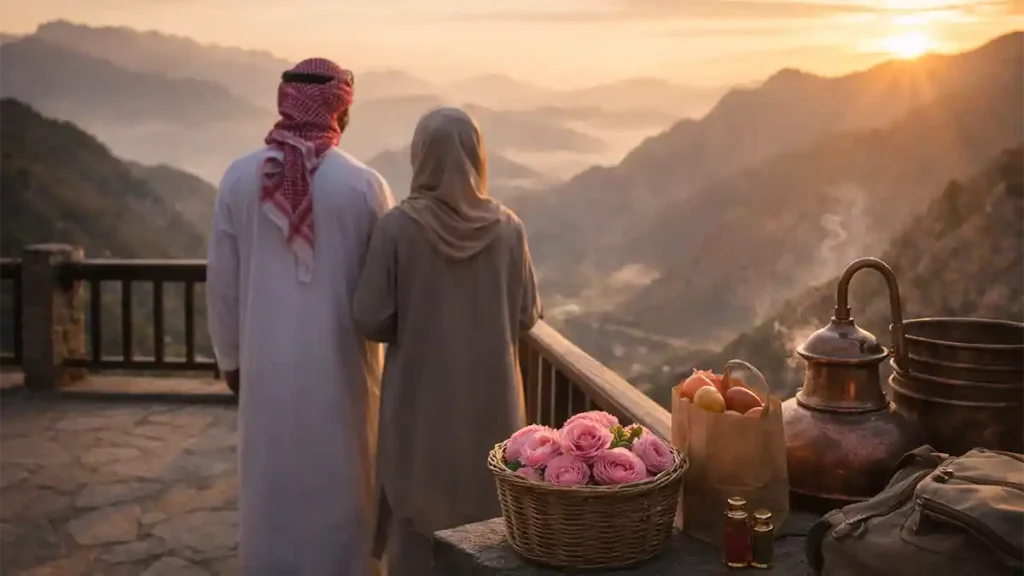
Taif’s viewpoints are the kind of places where people suddenly go quiet. The air feels sharper, the landscape looks wider, and the light changes faster than you expect. If you time this well, viewpoints can become the highlight of your entire trip.
Al Hada: dramatic roads and classic mountain scenery
Al Hada is one of the best-known mountain areas near Taif. The route is scenic, and the overlooks can feel cinematic in late afternoon.
Why Al Hada works for most visitors:
- it is easy to combine with a city day
- it offers wide valley views
- it suits families, couples, and solo travelers
Al Hada cable car: how to enjoy it fully
If you plan to ride the cable car, treat it as a “timing activity,” not a random stop.
Best time: late afternoon, when the light softens and the temperature becomes comfortable.
Best mindset: enjoy the view first, then take photos. The biggest mistake is spending the entire ride staring at a screen.
Practical note: operating hours and ticket prices can change by season. Check close to your travel date.
Al Shafa: cooler air and big overlooks
Al Shafa is often described as a higher, cooler mountain area with viewpoints that feel more open and calm. It is ideal for travelers who want a true escape vibe and slower pacing.
What Al Shafa is best for:
- sunset overlooks
- evening tea with a view
- slow mountain drives and fresh air
Viewpoint habits that improve every trip
- Arrive 30 to 45 minutes before sunset for the best lighting shift.
- Bring a light jacket even if your afternoon felt warm.
- Choose one viewpoint and stay longer instead of rushing between five stops.
You will remember a single perfect sunset more than a rushed collection of quick photos.
Add a heritage stop: Shubra Palace (the cultural anchor)
To balance nature with culture, include one heritage stop. Shubra Palace is one of Taif’s well-known historical landmarks, recognized for its architectural character and cultural importance.
Why it fits your itinerary:
- it breaks up the day between markets and mountain drives
- it adds depth and context to your trip story
- it is a calm, structured experience after busy shopping areas
If you enjoy architecture, take time to notice details like balconies, windows, and ornamental elements. This is the kind of place that makes Taif feel like more than a weekend escape.
Souk Okaz: the culture-and-performance option
If your travel dates align with Souk Okaz programming, consider it a major bonus. It is known as a cultural festival experience that highlights heritage, performance, and the legacy of the historic souk.
Why it is worth considering:
- it adds a “big event” feeling to your trip
- it introduces culture beyond shopping
- it creates strong photo and memory moments
Not every visitor will catch Souk Okaz, but if you do, it can become the story you talk about most.
Two itineraries that work in real life
Option A: One-day Taif plan (focused and satisfying)
Early morning: rose farm plus distillation visit
Late morning: market walk (fruit, spices, rose products)
Midday: lunch and café time
Afternoon: heritage stop or park time
Late afternoon to sunset: Al Hada viewpoints or cable car
Evening: relaxed dinner and light shopping
This plan gives you Taif’s core without exhausting you.
Option B: Weekend plan (more relaxed, better views)
Day 1: roses + markets + heritage + cafés
Day 2: Al Shafa for viewpoints, slow mountain time, and sunset tea
The weekend approach feels calmer and gives you space to enjoy the mountains properly.
Practical Taif travel tips: packing, comfort, and small details
What to pack
- light jacket or hoodie for evenings
- comfortable walking shoes for markets
- sunglasses and sunscreen (mountain sun can still be strong)
- a small day bag for water, snacks, and purchases
- a sealed pouch or zip bag for rose water bottles
Timing tips
- Weekends can be busier, so start earlier than you think.
- Markets often feel best late afternoon into evening.
- Viewpoints are most rewarding near sunset, not at midday.
Respect and comfort
- Ask before photographing people.
- Dress modestly in public spaces and markets.
- Keep your tone polite when bargaining; a friendly approach goes far.
What to bring home: a simple Taif shopping list
If you want a clean, no-regrets list:
- Rose water (best gift and most practical)
- A small rose oil or attar (if you love fragrance)
- Spices or tea blends (useful, shareable)
- Seasonal dried fruit or honey (easy to pack, memorable)
Choose items you will actually use. The best souvenirs keep Taif alive in daily life.
Quick FAQ
1. When is the best time to visit Taif for roses?
Late March through April is typically the strongest window for rose-related experiences.
2. Are rose farms worth visiting if I have limited time?
Yes. A short farm visit plus a distillation stop is the fastest way to experience Taif’s identity.
3. What is the best Taif souvenir?
Authentic rose water. It is useful, gift-friendly, and strongly connected to the region.
4. Where should I shop for rose products?
Factory shops or trusted perfume sellers are usually best because they can explain sourcing and quality.
5. Are Taif markets good for non-shoppers?
Yes. Start with fruit, spices, and tea blends. These feel more practical than random souvenirs.
6. Which viewpoint area is better: Al Hada or Al Shafa?
Al Hada is the classic scenic route with popular attractions, while Al Shafa is calmer and often feels cooler.
7. What time is best for viewpoints and photos?
Arrive 30 to 45 minutes before sunset for the most flattering light.
8. What is one common mistake visitors make in Taif?
Skipping layers. Evenings in mountain areas can feel cool, so bring a light jacket.
Conclusion: the secret to Taif is pacing
Taif rewards travelers who do not rush. The city feels best when you follow a natural rhythm: roses in the morning, markets in the afternoon, and viewpoints at sunset. You will see more, enjoy more, and carry home better memories and better purchases.
If you only remember one rule, make it this: do the scented things early, the busy things later, and the scenic things in soft light. That is how Taif becomes not just a trip, but a story.





One Comment