Pakistan Education Update: Exams, Results, and New Policy Changes (What Students & Parents Should Know)
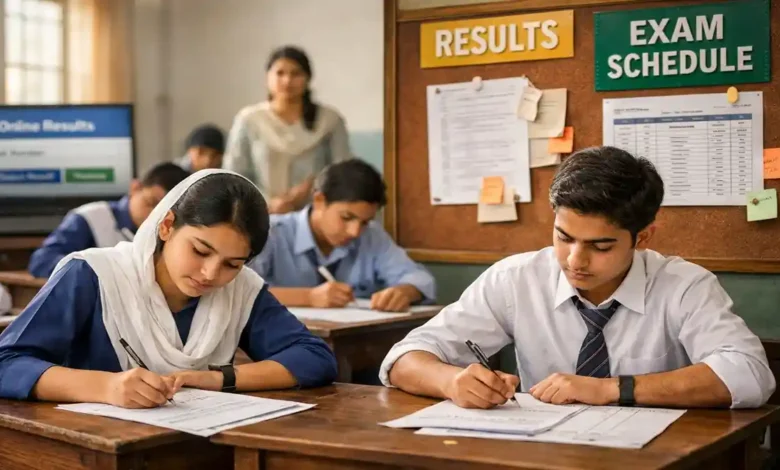
Pakistan education update is not just a headline right now it’s something students, parents, and teachers feel in real life. One day it’s an exam date sheet, the next it’s a surprise rule change, a new grading scheme, or a new policy that shifts how learning is measured. And while change can feel stressful, it can also be a chance to fix what has been broken for years: rote memorization, unfair marking, paper leaks, and results that don’t truly reflect learning.
Pakistan’s education system is enormous and diverse federal boards, provincial boards, public and private schools, madrassah education, Cambridge streams, technical tracks, and universities with their own admission rules. That’s why it’s easy for misinformation to spread, especially during result season. So in this guide, we’ll break down what’s changing (and why), what students should actually pay attention to, and how families can plan smartly instead of panicking.
We’ll cover:
- Exams: what’s shifting in patterns, calendars, and assessment methods
- Results: how to understand them, challenge them, and use them for admissions
- New policy changes: the reforms that are quietly reshaping curriculum, grading, and accountability
Why Pakistan’s Education Reforms Feel Urgent
Let’s be honest: Pakistan isn’t struggling because students lack talent. It’s struggling because the system often doesn’t support talent fairly especially for children in rural areas, low income families, and girls facing social barriers.
Two numbers explain the pressure behind today’s reforms:
- Pakistan has an estimated 25.1 million out of school children (ages 5-16) one of the highest totals globally.
- Public education spending has fallen extremely low in recent reporting, with the Pakistan Economic Survey 2024-25 cited as showing education spending around 0.8% of GDP, far below the 4-6% benchmark often referenced for SDG4 progress.
When resources are tight and learning levels are uneven, exams become even more high stakes because for many families, one board result can decide scholarships, admissions, and future careers.
And learning outcomes matter too. For example, the ASER Urban 2024 report highlights gaps where many students are not reaching expected reading levels by middle grades (e.g., a portion of Class 5 children reading below earlier grade level benchmarks).
So reforms are increasingly aimed at one big goal: move from marks chasing to real learning measurement without ruining students’ futures in the transition.
Understanding Pakistan’s Exam Landscape (So You Don’t Get Confused)
Before we talk reforms, here’s the exam structure most families deal with:
1. School level assessments (Class 1-8)
These can include internal exams, term tests, and depending on province standardized assessments for certain grades.
2. Board exams (Matric & Inter)
- SSC (Matric): Class 9-10
- HSSC (Intermediate): Class 11-12
Boards announce date sheets, roll number slips, results, rechecking, and improvement exams.
3. University entry tests + merit
Admissions often include board scores plus entry tests (depending on university/program).
Because Pakistan runs on multiple boards and provinces, reforms may arrive at different speeds. One board might implement a new system earlier; another might take two years. That’s why it’s important to follow your board’s official site, not random viral posts.
The Biggest Exam Change: From Marks Obsession to Smarter Assessment
For decades, board exams rewarded one main skill: memorizing and reproducing. But now, pressure is rising to test:
- conceptual understanding
- application (numericals, reasoning)
- writing clarity and structured answers
- practical skills (especially in technical and science streams)
The Model Assessment Framework (MAF) and Why It Matters
One of the most important national level developments is the Model Assessment Framework (MAF 2024 for Grades 9-12) linked with assessment standards, exam quality controls, item writing, and post exam analysis. It lays out how exams should be designed, conducted, marked, and improved more like professional testing systems.
Even if a student never reads this document, it influences:
- paper blueprint styles
- question quality
- standardization of marking
- digitization and transparency plans
If you’ve heard words like blueprints, SLO based questions, or conceptual papers, this is the bigger policy direction behind them.
FBISE New Grading System: What’s Changing and When
This is one update students are discussing everywhere: the FBISE new grading system.
What we know from official/credible sources
Pakistan’s Inter Boards Coordination Commission (IBCC) has outlined a shift to a 10 point grading system (A++ through U), and it also raises the passing threshold to 40% in the described framework.
Recent reporting also confirms that the Federal Board announced a revised grading scheme with implementation starting from 2026 for SSC-I/HSSC-I and later phases for senior classes.
Why this is happening (in simple words)
Marks create unhealthy competition: I got 945, you got 943. Grades group students into performance bands, which can:
- reduce pressure
- reduce marking inflation
- help universities compare applicants more consistently
IBCC’s FAQ also frames this shift as a way to reduce psychological pressure and competition culture.
What students should do right now
- Don’t panic about rumors. Follow your board’s notifications and IBCC guidance.
- Focus on conceptual preparation, because grading systems don’t reduce difficulty they change reporting.
- If you’re in a transition batch, confirm whether your year uses old vs new reporting.
FBISE Scheme of Studies Update: Practical Weight & Subject Structure
Another important reform that many students miss: the Inclusive Scheme of Studies 2024.
FBISE published implementation details indicating:
- implementation at SSC-I/HSSC-I from academic session 2025, and SSC-II/HSSC-II from 2026
- a clear split for some streams where practical based subjects may have different theory/practical weightings (e.g., technical/skill based subjects giving more weight to practicals)
This matters because it nudges education toward skills not just theory.
Student takeaway: If your subject includes a practical, treat it like a main scoring area, not a side activity. Build your lab work, viva prep, and project understanding early.
Punjab Grade 8 Board Exams: What’s New (and Why It’s a Big Signal)
Punjab is also pushing major assessment reform especially for middle grades.
Punjab has moved to restore Grade 8 board exams after a gap, and reports say the exams will be conducted by the Punjab Examination Commission for Testing and Assessment (often referenced as PECTA/related bodies in coverage).
Along with that, reporting indicates internal assessments would be strengthened for Grades 5-7 while Grade 8 returns to a standardized exam structure.
Why Grade 8 suddenly matters again
Because Grade 8 is often where:
- dropouts start rising
- learning gaps become harder to hide
- students shift from general learning into more exam oriented pathways
A standardized assessment here can help identify gaps early before Matric pressure hits.
Parent tip: If your child is in Grade 6-8, don’t wait for Class 9 to get serious. This is the new foundation stage.
Exams and Date Sheets: How to Follow Updates Without Getting Misled
Every year, fake date sheets circulate. The safest habit is simple:
Always verify from official portals
- For FBISE, use the official FBISE site updates/notifications.
- For Punjab boards, use the official board sites (e.g., BISE portals) for results/date sheets.
A practical verification checklist
Before sharing any exam news, ask:
- Does it link to an official board domain?
- Is there a notification number/date?
- Is it repeated by more than one credible source?
- Does your school administration confirm it?
If the answer is no, treat it as a rumor.
Results Season: What Students Should Know (Beyond Pass or Fail)
Results aren’t just a scorecard they’re a data story about:
- consistency across subjects
- strengths vs weak areas
- eligibility for admissions
- scholarship chances
- improvement strategy
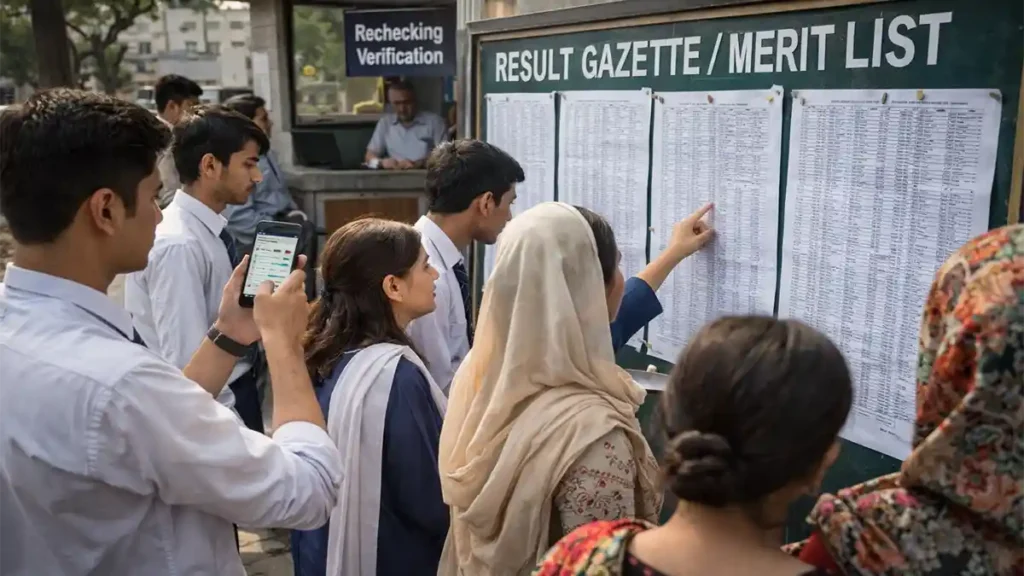
1. Gazette vs result card vs online result
Usually you’ll see:
- Online result first
- Gazette (official list format)
- Original result card/certificate later through institutions/board procedures
2. Rechecking and recounting (don’t waste your money)
In most boards, rechecking typically means:
- checking if total marks were added correctly
- ensuring no part was left unchecked
It usually does not mean the examiner will re-evaluate answers from scratch (rules vary by board). Always read the board’s policy carefully before applying.
3. Improvement exams: a smart option when used correctly
If you narrowly missed a merit threshold, improvement can be a real second chance.
But it only works when you:
- target 1-2 weak subjects
- focus on past paper trends + concept gaps
- fix presentation, time management, and common mistakes
New Policy Changes Shaping 2025-2026 and Beyond
Now let’s talk about the bigger picture reforms that influence everything else.
1. Assessment reform is becoming national policy direction
IBCC’s guidance and the Model Assessment Framework both point toward:
- standardized exam quality controls
- better paper design and moderation
- structured marking practices
- post exam analysis and continuous improvement
This is how mature exam systems evolve: they study results and refine future papers instead of repeating the same flaws every year.
2. Curriculum alignment and modernization pressure
Pakistan’s curriculum landscape has been evolving through National Curriculum structures and provincial textbook boards updating learning materials. For instance, PCTB notifications and textbook updates for upcoming academic sessions reflect ongoing changes in what students study.
What this means for students: relying on old notes from 5 years ago can be risky. The safest approach is:
- confirm the latest syllabus/topic list from your board
- use updated textbook editions
- match preparation with SLOs (student learning outcomes) where provided
3. Financing and access pressures are forcing hard decisions
When national education spending is low and recurrent costs dominate, reforms often focus on:
- exam system efficiency
- digitization
- targeted interventions (stipends, teacher training pilots, school rehabilitation)
The challenge is that reform needs money, and Pakistan’s education financing constraints are widely documented in recent summaries and reporting.

What These Changes Mean for Students (Practical, Not Motivational)
Here’s the real life translation of policy shifts:
If grading becomes more common
- Stop chasing tiny mark differences
- Start building strong performance bands: consistent practice across all chapters
- Improve writing quality (headings, steps, diagrams, definitions)
If assessment becomes more conceptual
You need to upgrade your preparation style:
- Learn why, not just what
- Practice short reasoning answers
- Solve mixed questions (not just repeated ones)
If internal assessment becomes stricter (especially middle grades)
- Class tests will matter more
- Attendance and regular preparation will become a bigger advantage
- Parents should reduce the only board exam matters mindset
What Parents Can Do (Without Becoming a Stress Machine)
Parents often want to help, but accidentally increase anxiety. Try this instead:
- Build a results plan, not a results panic
Ask:
- Which subjects are strongest?
- Which two subjects need the most support?
- What is the next milestone (test, practical, pre board)?
- Make official sources a family habit
Once a week, check board notifications from official sites not WhatsApp forwards. - Support health during exam season
Better sleep and calm routine can improve scores more than last minute cramming.
What Teachers and Schools Should Focus On (If Reforms Are Serious)
Reforms succeed or fail in the classroom.
If you’re a teacher or school leader, the Model Assessment Framework emphasizes areas such as:
- item writing quality
- formative assessment practices
- exam conduct standards
- marking reliability and result compilation improvements
Even simple upgrades help:
- use rubrics for written answers
- teach students how to structure responses
- practice time bound mock exams with feedback
A Quick Student Strategy for 2026 Style Exams
If you want a modern prep approach that fits reforms:
The 70/30 rule
- 70%: textbook + concepts + examples
- 30%: past papers + model papers + timed practice
The 3 layer revision plan
- First revision: understanding + notes
- Second revision: practice questions + marking scheme awareness
- Third revision: timed papers + weak area attack
This beats random guess papers because reforms are trying to reduce predictability.
Quick FAQ
Will the new grading system make exams easier?
No, grading changes reporting, not necessarily difficulty. Your preparation still needs to be strong.
When will FBISE implement the revised grading scheme?
Coverage indicates implementation starting from 2026 for certain levels, with later phases for others. Always confirm via official notifications.
Are Grade 8 board exams back in Punjab?
Yes, coverage reports Punjab restored Grade 8 board exams, with the exam body tasked to conduct them.
Where should I check my result safely?
Use your board’s official website and avoid unofficial result apps that request personal data.
What should I do if my marks seem wrong?
Check your board’s rechecking/recounting policy and apply through official channels only.
Are Pakistan’s reforms focused only on exams?
No, financing, access, curriculum alignment, and learning outcomes are also part of the reform pressure.
Conclusion: A Smarter System Is Possible If Students Prepare the Smart Way
Pakistan’s education system is in a transition phase. And transitions feel messy: different boards move at different speeds, policies arrive in phases, and rumors run faster than official notifications.
But the direction is clear. With grading reforms, assessment frameworks, and province level exam restructuring, Pakistan is slowly trying to shift from a memorization heavy system toward fairer measurement of learning the kind that rewards understanding, skills, and consistency.
For students, the winning strategy is not panic. It’s adjustment:
- prepare conceptually
- practice like exams are evolving
- follow official updates
- build steady performance, not last night miracles
If you do that, reforms won’t harm you they’ll actually help you stand out.






3 Comments