The Fascinating History of Chitral Valley, Pakistan
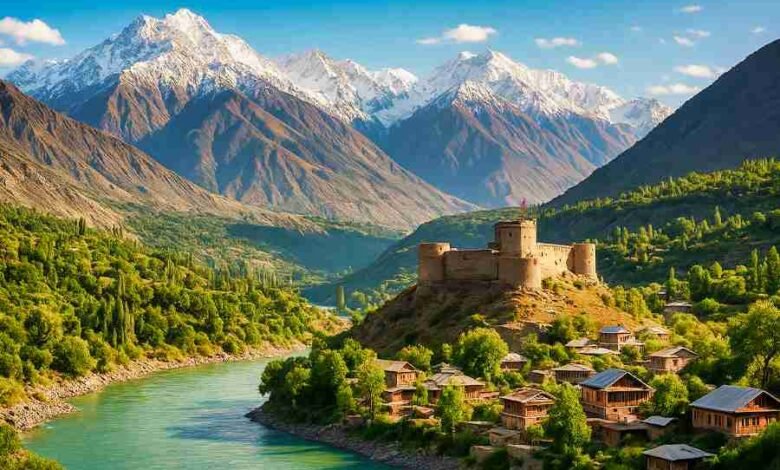
Introduction to the history of Chitral Valley
Nestled high in the majestic Hindu Kush mountains, Chitral is one of the most captivating regions of northern Pakistan. Known for its dramatic landscapes, unique culture, and warm hospitality, Chitral has a history that stretches back thousands of years. It has seen empires rise and fall, from ancient tribes to regional dynasties and colonial powers. Understanding the history of Chitral gives us a deeper appreciation for its resilience, traditions, and its role as a cultural bridge between Central and South Asia.
Early History and Ancient Roots
Chitral’s earliest history is intertwined with ancient civilizations that flourished along the mountain trade routes connecting the Indian subcontinent with Central Asia. Archaeological findings suggest that the region was inhabited as early as 2000 BCE.
Historically, Chitral was influenced by Iranian, Indo-Aryan, and Central Asian cultures. The region’s strategic location made it a crossroads for merchants and invaders. Some historians link ancient Chitral to “Kashkar”, a kingdom mentioned in Buddhist texts, indicating that Buddhism once thrived here before the spread of Islam.
The Rise of the Kator Dynasty
The defining chapter in Chitral’s political history began with the Kator Dynasty in the late 16th century. Founded by Muhtaram Shah Kator I, this dynasty unified the region and established Chitral as a powerful princely state. Under Kator rule, Chitral developed a strong local administration, a distinctive culture, and alliances with neighboring regions such as Gilgit and Badakhshan.
The Mehtar (ruler) of Chitral wielded considerable influence, maintaining semi-autonomous control even as empires around them expanded. The Kator rulers were known for their diplomacy skillfully balancing relationships with powerful neighbors like the Afghan Durranis and later the British Empire.
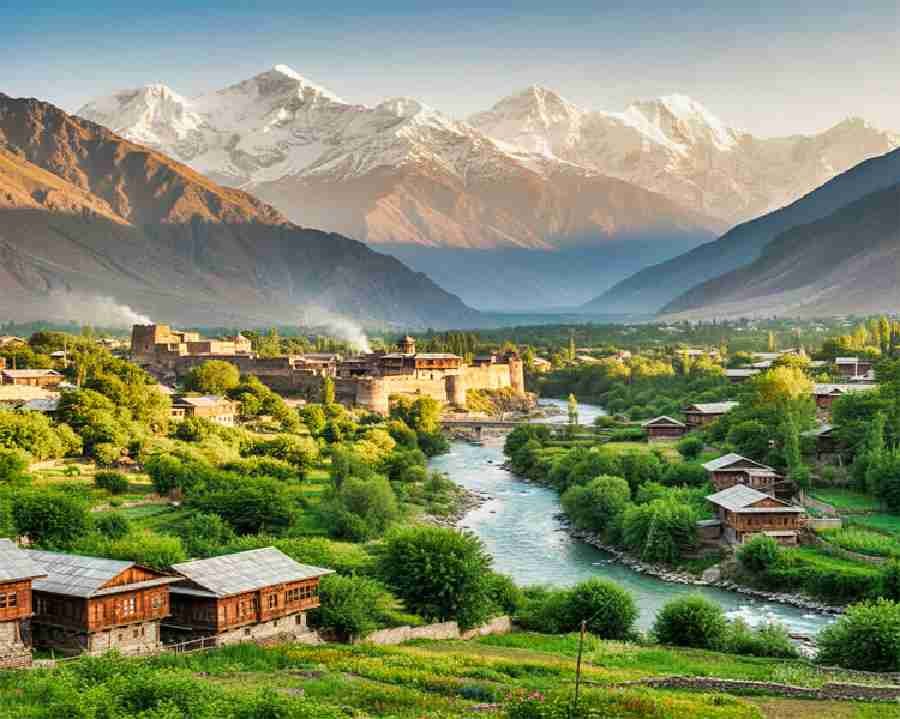
Chitral and the British Era
The British recognized Chitral’s strategic significance during the “Great Game,” the 19th-century power struggle between the British and Russian empires. The rugged mountain passes of Chitral offered a potential invasion route into India, drawing the attention of colonial powers.
The Siege of Chitral (1895) remains one of the most famous events in the region’s history. When local rulers clashed over succession after the death of Mehtar Aman-ul-Mulk, the British sent troops to relieve their besieged garrison in Chitral Fort. This event marked Chitral’s formal entry into the British sphere of influence.
After the siege, the British declared Chitral a princely state under their protection. The Mehtars retained local authority but were subordinate to the British Crown until Pakistan’s independence in 1947.
Chitral After Independence
When Pakistan gained independence, His Highness Muzaffar-ul-Mulk, the then Mehtar of Chitral, was among the first rulers to accede to the new nation. Chitral became part of Pakistan in 1947, maintaining its princely status until 1969, when it was fully integrated into the province of Khyber Pakhtunkhwa (then called the North-West Frontier Province).
Despite administrative changes, Chitral retained its unique cultural and linguistic identity. The local Khowar language, traditional music, and crafts still reflect a blend of Central Asian and South Asian influences.
Cultural Heritage and the Kalash People
One of Chitral’s most remarkable aspects is its cultural diversity, particularly the Kalash people. Living in the beautiful Kalash Valleys Bumburet, Rumbur, and Birir the Kalash are known for their distinct religion, colorful festivals, and rich mythology. They are believed to be descendants of ancient tribes, possibly linked to Indo-Aryan or Greek origins, though historians continue to debate this connection.
Their traditions stand as a living testament to Chitral’s long history of cultural exchange and tolerance. Today, the Kalash Valleys attract visitors from around the world who come to witness their Chilimjusht (spring festival) and Uchal (harvest festival).
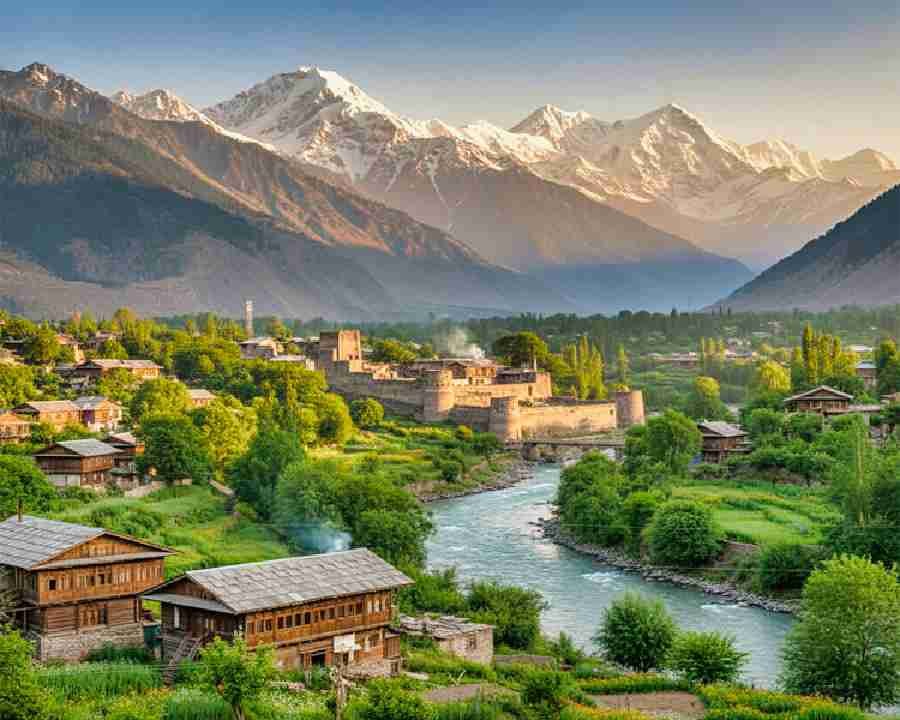
Modern Chitral: Between Tradition and Change
Modern-day Chitral is a blend of old and new. While the valley has embraced education, tourism, and infrastructure development, it continues to honor its centuries-old customs. The construction of the Lowari Tunnel has greatly improved connectivity with the rest of Pakistan, opening new opportunities for trade and travel.
At the same time, Chitral faces challenges climate change, limited healthcare access, and preserving its fragile ecosystem. Yet, the resilience of its people remains its greatest strength, just as it has been throughout history.
Conclusion
The history of Chitral is a story of endurance, adaptability, and cultural richness. From ancient kingdoms to modern Pakistan, the valley has witnessed countless transformations yet managed to retain its distinct identity. It stands today not only as a historical treasure but also as a living museum of human diversity and strength.
Chitral’s past continues to shape its future, reminding us that even in the most remote corners of the world, stories of unity, courage, and beauty endure through time.





One Comment