Women’s March Madness Explained: How the Tournament Works and Why It Matters
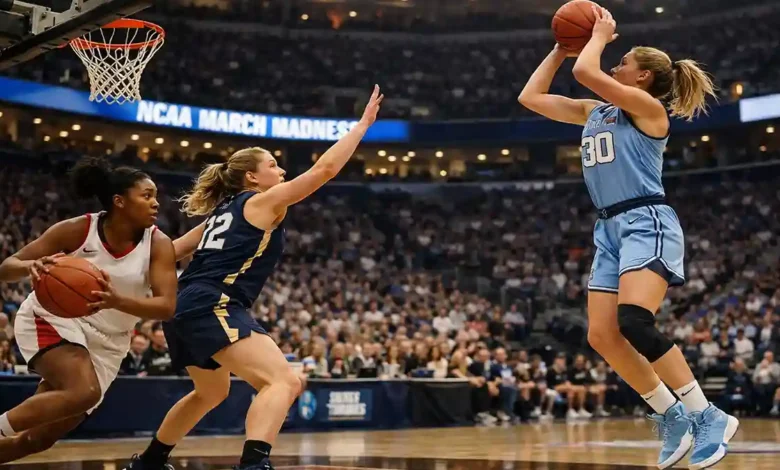
Women’s March Madness has become one of the most exciting events in sports, and not just for longtime basketball fans. Every spring, millions of people fill out brackets, follow surprise upsets, and watch star players turn college games into major national moments. What once felt like a tournament followed mainly by dedicated fans has grown into a cultural event with real power, real audience demand, and real influence.
At a basic level, Women’s March Madness is the NCAA Division I Women’s Basketball Championship. Teams from across the country compete in a single elimination tournament, which means every game matters. One loss ends the season. That urgency is a big reason the tournament feels so intense. But the event matters for more than drama alone. It has become a major stage for talent, school pride, media attention, and the continued rise of women’s sports.
To really enjoy the tournament, it helps to understand how it works, how teams get into the bracket, and why the event now carries so much weight far beyond the final score.
What Women’s March Madness actually is
Women’s March Madness is the national championship tournament for NCAA Division I women’s basketball. The field includes 68 teams, all competing for one title. Some teams qualify automatically by winning their conference tournaments. Others are chosen by the selection committee based on their body of work across the season.
This mix gives the tournament its unique personality. Elite programs arrive with high expectations and national attention. Smaller schools often come in with momentum, confidence, and the mindset that they have nothing to lose. That combination creates a bracket full of tension, ambition, and the possibility of surprise.
It is also part of why the tournament appeals to such a wide audience. Fans can watch powerhouse teams chase championships, but they can also discover new programs, exciting underdogs, and players who suddenly become national names.
How teams get selected
Not every team earns a place in the tournament the same way. Some secure an automatic bid by winning their conference tournament. For these teams, the route is clear: win the conference title and the tournament ticket is theirs.
Others earn at large bids, which are awarded by the NCAA selection committee. This committee evaluates teams based on factors like overall performance, quality wins, schedule strength, consistency, and how well they performed against strong opponents. That process leads to one of the biggest annual talking points in college basketball: Selection Sunday.
Selection Sunday matters because it is not only about which teams get in. It is also about where they land.
Why seeding matters so much
Once the 68-team field is set, teams are seeded and placed into the bracket. The seeds are meant to reflect the relative strength of the teams, with No. 1 seeds considered the strongest on paper and lower seeds facing more difficult paths.
This is where bracket strategy begins. A team’s seed affects its likely matchups, the difficulty of its route, and its margin for error. A high seed often gets an easier opening matchup. A middle seed may face a dangerous opponent right away and then run into a top contender in the next round.
Still, seeding is not destiny. It is a guide, not a guarantee.
That is one of the reasons March Madness is so compelling. The bracket suggests an order, but the games often challenge it. A lower seeded team with experience, strong defense, or a star guard can disrupt expectations very quickly. One cold shooting night from a favorite can change an entire region.
In the women’s tournament, top seeds also benefit from hosting early round games on campus. That can be a significant advantage. Familiar surroundings, travel comfort, and a supportive crowd can make early games feel very different from a neutral site matchup.

How the tournament format works
The tournament begins with the First Four, which reduces the field from 68 teams to 64. After that, the structure becomes familiar even to casual sports fans: first round, second round, Sweet 16, Elite Eight, Final Four, and then the national championship game.
Because it is single elimination, there is no second chance. That format gives every possession more pressure. Coaches shorten rotations. Players take on bigger responsibility. Fans become emotionally invested very quickly because each game carries immediate consequences.
This also explains why the tournament can create such memorable stories. In a regular season, a great team can recover from a bad game. In March, it cannot. That pressure makes the tournament feel sharper, faster, and more emotional than most of the basketball calendar.
Why upsets are such a big part of the story
People often focus on upsets because they are dramatic, but upsets also reveal something deeper about the tournament. They show how thin the margin can be between expectation and reality.
A lower seed may not have the same national profile as a top ranked team, but once the game starts, ranking history means very little. Matchups matter. Defensive discipline matters. Rebounding matters. Confidence matters. So does momentum. A team that enters the tournament playing its best basketball can become dangerous very quickly.
This is why fans keep watching even when their bracket is already broken. The tournament is not only about predicting winners. It is about seeing who handles pressure best, who adapts fastest, and who rises to the moment.
Why Women’s March Madness matters more than ever
The growth of Women’s March Madness is not just about basketball quality, though the basketball is excellent. It is also about visibility, audience demand, and the changing place of women’s sports in the wider sports industry.
In recent years, the tournament has attracted record breaking attention. Television viewership has surged. Attendance has climbed. Online engagement, highlights, debate, and bracket participation have all grown. That level of interest matters because it changes how the sport is covered, marketed, and valued.
When more people watch, more people care. When more people care, media outlets invest more seriously. Sponsors pay more attention. Schools gain exposure. Players build larger platforms. Young athletes see new possibilities for their own futures.
In that sense, Women’s March Madness is not just a tournament. It is a showcase of what happens when elite talent gets a bigger stage.
The branding and cultural shift behind the rise
Another reason the tournament matters is symbolic. The women’s championship now carries the same “March Madness” identity that has long been associated with college basketball’s biggest month. That may sound like a branding detail, but it carries weight.
Branding shapes perception. When the event is presented with the same seriousness, energy, and visibility as other major tournaments, audiences respond differently. It sends a message that this is not a side story. It is a central sports event.
That shift has helped bring more attention to the women’s game, but the tournament’s growth is not built on branding alone. It is built on the quality of the product. The players, coaches, rivalries, and high stakes games have given fans strong reasons to keep coming back.
Why casual fans are getting pulled in
One of the best things about Women’s March Madness is that you do not need to follow every team all season to enjoy it. The bracket itself gives the tournament a clear structure. Each round feels important. Each matchup has a direct consequence. It is easy to understand, but hard to predict.
That combination makes the event accessible without making it shallow. Casual fans can enjoy the excitement immediately, while serious fans can go deeper into tactics, rotations, and matchup analysis.
It is also a star making event. A player can deliver two brilliant performances and suddenly become the face of the tournament. A coach can guide a program through a difficult region and earn national respect. A school can become part of the conversation simply by making a strong run.

Why it matters beyond basketball
Women’s March Madness matters because it reflects something larger than sport. It shows how audiences respond when women’s sports receive stronger presentation, better promotion, and more consistent coverage. It proves that demand is real. It also highlights how quickly interest can grow when people are given a reason to watch.
For young athletes, the tournament offers inspiration and proof that big stages are possible. For universities, it raises national visibility. For media companies and advertisers, it shows the commercial strength of women’s sports. For fans, it delivers genuine excitement, memorable personalities, and meaningful competition.
That is why the tournament now feels like more than an annual championship. It feels like part of a wider shift in sports culture.
Quick FAQ
What is Women’s March Madness?
Women’s March Madness is the NCAA Division I Women’s Basketball Championship, the annual tournament that decides the national champion in women’s college basketball.
How many teams are in the tournament?
The tournament features 68 teams competing in a single elimination bracket.
How do teams qualify?
Some teams earn automatic bids by winning their conference tournaments, while others receive at large bids from the NCAA selection committee.
What is the First Four?
The First Four is the opening stage of the tournament, where selected teams compete for the final spots in the main 64-team bracket.
Why is seeding important?
Seeding shapes the bracket path and can affect matchups, difficulty, and hosting advantages in the early rounds.
Why do people care so much about upsets?
Upsets bring unpredictability, drama, and excitement. They are a big part of what makes the tournament so memorable.
Why has Women’s March Madness grown so much?
Stronger media coverage, star players, better visibility, and rising fan interest have helped the tournament grow rapidly.
Why does this tournament matter beyond sports?
It boosts visibility for women’s athletics, creates major opportunities for players and programs, and shows the growing power of women’s sports in the wider media and business landscape.
Conclusion
Women’s March Madness works because its format is simple and powerful: 68 teams enter, one champion remains. But what makes it special is everything built around that structure. The selection drama, the pressure of seeding, the potential for upsets, the emergence of stars, and the larger cultural significance all give the tournament its energy.
It is exciting because the basketball is excellent. It is important because the audience has shown that this event belongs at the center of the sports conversation. And it matters because every March, it reminds the world that women’s basketball is not just growing. It is commanding attention.