Saudi Road Trips: Routes, Stops, & Costs, 2026 Guide
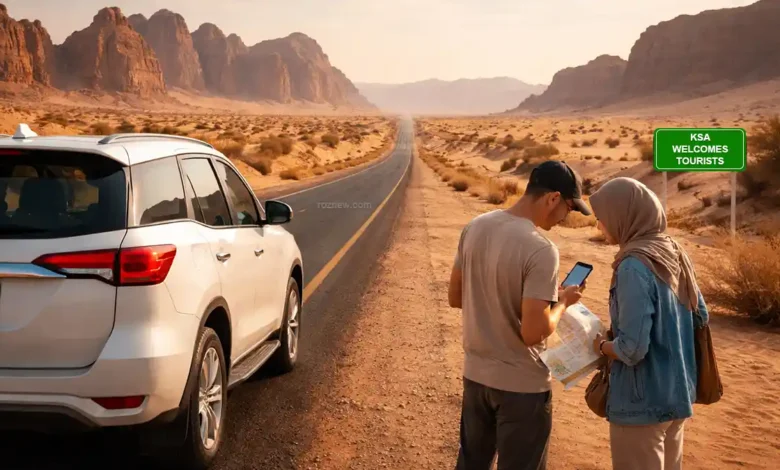
Saudi road trips are one of the best ways to experience the Kingdom in full scale wide deserts, coastal stretches, highland air, and heritage districts that feel like living museums. If you’ve ever looked at the map and thought, “Everything is far… is driving actually worth it?” the answer is yes, as long as you plan for distance, timing, and comfort.
Saudi Arabia is built for road travel. The highway network makes long drives practical, and services along popular routes have improved as domestic tourism has grown. More travelers also means more choices: better roadside facilities, more accommodation types, and a wider range of food options beyond the biggest cities.
This guide focuses on three things you care about most:
- Routes that make sense for real travelers
- Stops that add meaning, not just photos
- Costs you can estimate before you start the engine
By the end, you’ll know how to pick a route style, build a relaxed itinerary, and budget confidently whether you’re traveling solo, as a couple, or with family.
Why road tripping Saudi works so well
A great road trip needs good roads, interesting stops, and logistics that don’t exhaust you. Saudi delivers on all three.
The scenery changes faster than you expect
In one trip, you can go from:
- Central desert horizons
- Red Sea coastlines and breezy waterfronts
- Highland viewpoints in the southwest
- Heritage neighborhoods with distinctive architecture
It’s flexible in a way flights aren’t
Flights are great for distance, but road trips let you:
- Stop when you find a beautiful viewpoint
- Add a hidden café or market without rerouting a whole day
- Travel at your own pace, especially if you prefer early mornings or late evenings
You can control your budget
Road trips are naturally adjustable. If you want to spend less, you can shorten driving days, choose apartments over hotels, and swap paid attractions for free nature stops. If you want comfort, you can upgrade the car, book premium stays in high-demand destinations, and add curated experiences.
Best time of year for Saudi road trips
Saudi is travelable year-round, but comfort depends heavily on season and region.
Most comfortable months for long drives: October to April
- Cooler temperatures for walking and outdoor stops
- Better daylight and more enjoyable evenings
Best summer region: Southwest highlands (Taif, Al Baha, Abha)
These areas are often noticeably cooler than central and coastal regions, making them the smartest summer road-trip choice.
Shoulder-season tip (September and May):
Drive more during midday, and save walking-heavy sightseeing for early mornings and late afternoons.
Driving basics that make the trip smoother
What you should have before pickup day
Rental requirements vary by company, but most travelers should be prepared with:
- A valid driver’s license
- Passport/ID and entry documentation
- An International Driving Permit (often requested for visitors, depending on company policy)
Practical driving habits that reduce stress
- Treat city driving as the hardest part; highways can feel simpler
- Assume speed enforcement exists and drive conservatively
- Take breaks to avoid fatigue, especially on long straight stretches
- Keep water, a charger, and sunglasses in easy reach
The real cost of a Saudi road trip (simple and reusable)
Your road trip budget usually falls into six buckets:
- Car (rental or wear-and-tear if using your own)
- Fuel
- Accommodation
- Food and coffee stops
- Attractions and experiences
- Extras (insurance upgrades, SIM/eSIM, parking, unexpected needs)
Fuel is often cheaper than people expect. The bigger cost drivers are usually the car and accommodation, especially in high-demand destinations and weekends.

Fuel cost math you can trust
Use this quick formula for any route:
Fuel cost = (Trip distance ÷ km per liter) × price per liter
Typical efficiency estimates:
- Economy sedan: 13–17 km/L
- Mid-size sedan: 11–14 km/L
- SUV: 8–12 km/L
Example: 1,000 km total driving
- Sedan at 15 km/L: 1,000 ÷ 15 = 66.7 L
- SUV at 10 km/L: 1,000 ÷ 10 = 100 L
Multiply by the current fuel price to get a reliable estimate. This method stays accurate even if your route changes mid-trip.
Car rental costs: how to estimate without guessing
Rental prices swing based on city, season, and vehicle type. Your cost depends on:
- Size (sedan vs SUV)
- Insurance level
- Rental duration
- One-way drop-off fees (if you return the car in a different city)
- Weekend demand and holiday periods
Budget tip: If you’re traveling as two or more people, sharing rental + fuel often makes driving cheaper than flying, especially on multi-stop itineraries.
Accommodation costs: the biggest budget lever
Accommodation ranges widely, but your cost becomes predictable when you pick a travel style:
- Value style: simple hotels or budget apartments
- Comfort style: well-rated apartments or branded mid-range hotels
- Premium style: high-end hotels and destination stays
Money-saving move that still feels good:
Book apartments for 2+ nights in one base. It reduces daily packing, lowers food costs, and makes the trip feel calmer.




A realistic daily budget (per person, sharing a car)
Use these as planning ranges and adjust based on your route and comfort level:
- Value traveler: 250–450 SAR/day
- Comfort traveler: 450–850 SAR/day
- Premium traveler: 850+ SAR/day
If you’re solo, increase the daily number because you’re not splitting the car and fuel costs.
Build a road trip itinerary that doesn’t burn you out
(1) Choose a route style
Pick one and your plan instantly becomes simpler:
- Loop trip: start and end in the same city (easy and often cheaper)
- One-way trip: start in one city and end in another (more variety, higher rental fees)
- Hub-and-spoke: stay in one base and do day trips (ideal for families)
(2) Keep daily driving realistic
A comfortable road trip rhythm looks like this:
- 2–4 hours/day: relaxed and scenic
- 4–6 hours/day: efficient and balanced
- 6+ hours/day: only if you truly enjoy long driving days
(3) Plan stops like a storyteller
A strong day usually includes:
- One “anchor” stop (heritage site, major viewpoint, or signature activity)
- Two small stops (coffee, market, short walk)
- One sunset moment (desert edge, mountain lookout, waterfront)
Best Saudi Road Trip Routes (with smart stops + budget logic)
Route 1: Riyadh Weekend Loop (heritage + desert horizon)
Best for: first-timers, short breaks, families
Ideal length: 1–2 days
Why it works: short driving, big payoff
Suggested stops
- Diriyah-style heritage areas (plan early to avoid crowds)
- A sunset desert viewpoint drive
- A relaxed dinner stop back in the city
Cost logic: Low fuel spend; your budget mainly goes to meals, one experience ticket (if you choose), and a hotel night if you stay over.
Route 2: Riyadh → Hail → AlUla (heritage + epic landscapes)
Best for: travelers who want dramatic scenery and archaeology
Ideal length: 5–8 days
Signature payoff: AlUla as a multi-day destination, not a rushed stop
Why it works
This route breaks long distances into manageable segments and keeps your trip varied: regional towns, desert highways, rock formations, and a destination base.
Sample itinerary (comfortable pacing)
- Day 1: Riyadh → halfway stop city (rest + dinner)
- Day 2: Continue north to Hail area (sleep early)
- Day 3: Scenic stops + drive toward AlUla
- Day 4–6: AlUla base days (heritage sites, viewpoints, slow mornings)
- Day 7: Buffer day (weather, rest, or an extra experience)
Cost logic
Fuel stays manageable. The bigger cost is AlUla accommodation if you choose comfort stays. Plan multiple nights there so the destination feels worth the drive.

Route 3: Jeddah → Taif → Al Baha → Abha (the highlands road trip)
Best for: summer travel, nature, cooler evenings
Ideal length: 4–7 days
Vibe: sea-level energy to highland calm
Suggested stops
- Historic walking in older districts in Jeddah
- Taif viewpoints and market stops
- Al Baha scenic drives and short hikes
- Abha as a base for day drives and overlooks
Cost logic
Fuel is moderate. Accommodation prices can rise on weekends in popular highland areas, so weekday travel often helps your budget.
Route 4: Red Sea Road Trip (Jeddah or Yanbu → coastal base)
Best for: beach time, photography, slow travel
Ideal length: 3–6 days
Vibe: simple days with big skies
How to plan it
- Choose one coastal base (or two at most)
- Do half-day drives to beaches and viewpoints
- Keep your schedule light so the coast feels restful
Cost logic
This can be affordable if you avoid constant hotel changes and rely more on free nature stops than paid activities.
Route 5: Eastern Province → Al Ahsa (oasis + heritage)
Best for: short trip with culture and calm driving
Ideal length: 2–4 days
Why it works: easy distances, lots to explore at a relaxed pace
Suggested stops
- Oasis scenery and heritage areas
- Local food stops and markets
- A slow afternoon walking route (best in cooler months)
Cost logic
Short drives mean low fuel costs. This is a great route for travelers who prefer comfort without heavy driving days.
Route 6: Riyadh → Makkah → Jeddah (simple intercity classic)
Best for: a straightforward long-distance drive with city variety
Ideal length: 3–5 days with breaks
Tip: Add at least one overnight stop or a rest buffer if you don’t enjoy long driving stretches.
Cost logic
Fuel is easy to estimate. Your budget will mainly depend on where you stay and how central your hotels are.
Road-trip packing list (the essentials)
- Water (keep extra in the trunk)
- Phone mount + charger + power bank
- Offline maps downloaded for remote stretches
- Sunglasses and a light layer (highland evenings can surprise you)
- Small first-aid kit
- Basic car readiness check (tires, fluids, spare)
- Cash backup for small purchases
Quick FAQ
1. Are Saudi road trips cheaper than flying?
Often yes for two or more people, because you split the car and fuel. Flying can be cheaper for solo travelers on short trips.
2. What’s the most common budget mistake?
Underestimating accommodation costs in peak weekends and high-demand destinations.
3. How much should I budget for fuel?
Fuel is usually predictable. Use distance ÷ km/L, then multiply by the current price.
4. Sedan or SUV what’s better?
A sedan is cheaper and efficient for highways. An SUV is nicer for comfort, luggage, and some rougher access roads.
5. How many hours should I drive per day?
For most travelers, 4–6 hours is the best balance. Less feels relaxed; more requires discipline and rest breaks.
6. Best route for summer?
Jeddah → Taif → Al Baha → Abha, because the highlands can feel cooler and more pleasant.
7. What’s the safest way to road trip long distances?
Avoid fatigue: start early, take breaks, stay hydrated, and don’t push late-night drives after a full day.
8. How do I keep the trip feeling “fun,” not tiring?
Use a base city for 2–3 nights, plan one anchor stop per day, and protect your evenings for rest.
Conclusion: plan it once, enjoy it the whole way
Saudi road trips are at their best when you stop trying to “cover the whole country” and start building a route that feels human. Choose the right season, pick a route style, set realistic driving days, and budget with a simple framework so you’re not guessing. When costs are predictable and the itinerary has breathing room, the road trip becomes what it should be: a smooth journey through landscapes and stories you’ll remember long after the last kilometer.
Saudi Travel Guide 2026 | Islamabad Travel Guide 2026 | Turkey Travel Guide 2026 | Dubai Travel Guide 2026 | Europe Travel Guide 2026






2 Comments