Modern Pakistani Lifestyle: Culture, Fashion, and Daily Life
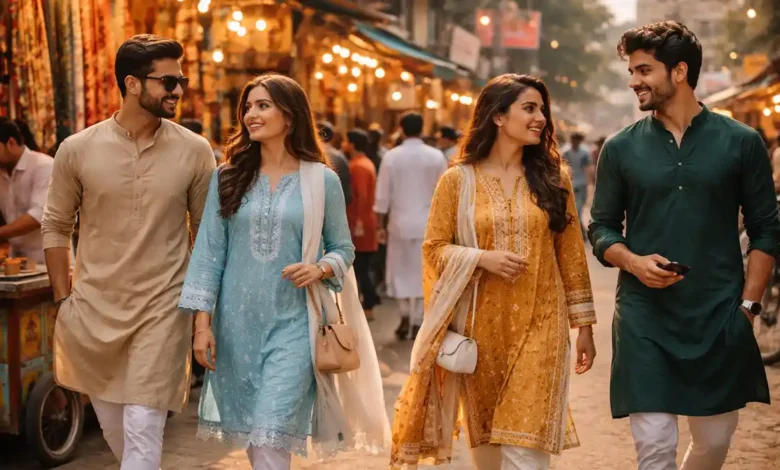
A Lifestyle That’s Always Evolving: Modern Pakistani Lifestyle is best understood as a living blend rooted in tradition, shaped by region, and constantly refreshed by youth energy, technology, and global influence. In one day, you might see a university student in sneakers and a kurta stopping for chai; a corporate professional heading to a meeting in a crisp shalwar kameez; and a family planning a wedding that mixes centuries old rituals with Instagram ready décor. It’s not old vs new it’s a country that stitches both into the same outfit.
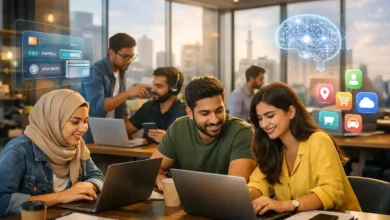
Pakistan is also young and connected. With a median age often reported around 20.6 years, it’s a society led by new ideas, new tastes, and new ways of working and socializing. digitally, the scale is massive: DataReportal reports 117 million internet users by the end of 2025, with penetration around 45.6%, alongside tens of millions of social media identities. That connectivity doesn’t erase cultural values it reshapes how people express them.
So what does daily life look like now? Let’s walk through it: culture, fashion, food, family rhythms, entertainment, work, class dynamics, and the subtle rules of modern living that locals understand instinctively.
Modern Pakistani Lifestyle in 2025: What Defines It Today?
When people talk about modern lifestyle, they often imagine something purely urban and Western. In Pakistan, modernity looks different: it’s a local upgrade, not a replacement. Here are a few traits that define it:
1. A youthful society creating fast moving trends
A young population fuels trend cycles music, memes, fashion cuts, café culture, sports fandom, and even the way Urdu and English blend in everyday speech (often called Urglish). This shows up in what people wear, how they decorate their homes, and how they socialize.
2. Urban growth, but village life still matters
Pakistan is urbanizing steadily, with recent estimates placing the urban population near 38%. At the same time, family links between cities and villages remain strong many urban households still feel half rural because grandparents, land, hometown ties, and wedding networks keep life connected across distances.
3. Digital habits changing everything from shopping to marriage decisions
Social media is no longer extra it’s integrated. People discover clothing brands, find food spots, follow religious scholars, learn recipes, track cricket updates, and even evaluate marriage proposals through social reputations and family networks online and offline. DataReportal’s scale numbers help explain why digital influence is so intense.
4. Tradition stays presentation changes
Values like hospitality, respect for elders, modesty, and community ties remain central. What changes is the format: e-invites for weddings, bridal looks inspired by designer runways, charity giving through apps, and family WhatsApp groups managing everything from Eid shopping to wedding logistics.
The Cultural Core: Family, Faith, Language, and Hospitality
Pakistan’s culture isn’t one single style it’s many cultures living under one flag. Punjabi, Sindhi, Pashtun, Baloch, Seraiki, Kashmiri, Gilgiti, and many more identities shape local life, along with religion and shared national experiences like cricket, music, and food.
Family life: still the main institution
Even in big cities, family is the center of decision making:
- Joint family living (or living near relatives) remains common, though nuclear family setups are rising in urban apartments.
- Major choices education, career moves, marriage often include family consultation.
- Respectful behavior toward elders is expected, even when young people privately disagree.
Modern twist: boundaries are slowly becoming a conversation. Younger couples may seek privacy, separate finances, or independent housing but often negotiate these changes carefully to preserve harmony.
Faith in everyday routines
Faith is woven into daily life prayer routines, Ramadan schedules, Eid gatherings, and moral frameworks around modesty and social conduct. Even people who describe themselves as not very religious usually still participate in key communal moments like Eid prayers, Ramadan iftars, and charity giving.
Modern twist: many people learn and discuss religion digitally short lectures, podcasts, reels, and online Q&A making religious knowledge more accessible and sometimes more debated.
Languages and identity
Urdu connects the country, but regional languages carry emotional weight people often feel most themselves in their mother tongue. English is influential in education, corporate life, and status signaling, while Urdu dominates entertainment, family spaces, and everyday public interaction.
Modern twist: code switching is now normal. A sentence might start in Urdu, borrow an English business term, and end with a regional expression especially among students and professionals.
Hospitality: the social superpower
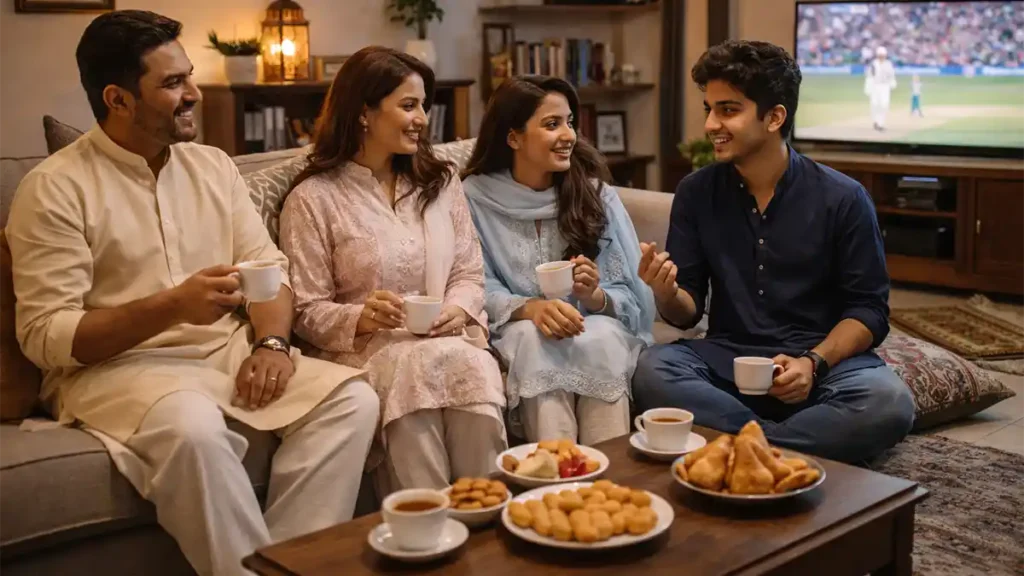
If you visit a Pakistani home, you’ll likely be offered tea, snacks, and warmth even if the household is busy. Hospitality is a cultural pride. Refusing repeatedly can seem impolite; accepting at least a little is often the smoother social choice.
Modern twist: hospitality now includes café meetups and food deliveries not just home cooking.
Daily Life: A Day in Urban Pakistan vs Small Town Pakistan
Modern Pakistani daily life depends heavily on location, income level, and gender norms, but some rhythms are widely shared.
Urban routine (Karachi, Lahore, Islamabad, Faisalabad, etc.)
A typical urban day might include:
- Morning school runs and office commutes (often with heavy traffic)
- Chai stops, office tea breaks, and quick street snacks
- Shopping via malls and online stores
- Evening family time, gym sessions, or café meetups
- Late night scrolling and streaming
Cities also influence lifestyle through exposure: new restaurants, salons, boutique launches, concerts, university events, startup culture, and trend driven weddings.
Small town routine
In smaller cities and towns:
- Family and community ties feel tighter and more visible
- Social life often revolves around relatives and neighborhood networks
- Local bazaars remain central for shopping and daily errands
- Traditions are generally more consistent (though still evolving)
Key point: Modern doesn’t mean city only. Many small towns are highly connected digitally; trends arrive quickly via smartphones.
Gender and daily freedom: changing, but unevenly
Women’s education and workforce participation vary widely by region and class. In many urban middle class settings, women study, work, and manage public life confidently. In other settings, mobility is still restricted.
Modern twist: home based work, e-commerce, online teaching, and content creation are expanding options especially for women who prefer or need flexible work.
Pakistani Food Culture: Where Tradition Meets Trend
Food is one of the clearest windows into Pakistani lifestyle because it shows class, region, and mood in one plate.
Street food is still a daily love language
Street food isn’t just snacks it’s social life:
- Chaat, gol gappay/pani puri, samosas, bun kebab
- Nihari breakfasts in some cities
- Barbecue nights (seekh kebab, tikka, malai boti)
- Dhabas and chai cafés that function like community hubs
Home cooking remains powerful
Even in modern homes, ghar ka khana (home food) is valued for health, comfort, and identity. Recipes are often family heirlooms updated with lighter oils, air fryers, and new techniques learned from YouTube.
The modern food scene: cafés, fusion, and Instagram menus
Urban Pakistan has seen a boom in:
- Specialty coffee and dessert cafés
- Fusion foods (desi tacos, biryani bowls, loaded fries with desi sauces)
- Aesthetic dining designed for photos
Modern twist: food is now content. A new restaurant can become famous in a week through reels.
Fashion: The Most Visible Expression of Modern Pakistani Lifestyle
If you want to see modern Pakistan, look at what people wear. Fashion here is practical, cultural, and expressive.
1. Everyday wear: comfort + identity
The shalwar kameez remains the most common outfit across genders comfortable in heat, adaptable, and socially respected. But styling has changed:
- Slimmer cuts, shorter shirts, straight pants, tulip shalwars
- Sneakers with traditional outfits
- Minimalist jewelry and neutral palettes
- Dupatta styling is more flexible (especially among younger women)
2. Lawn season: a uniquely Pakistani fashion economy
Few countries have a seasonal fashion phenomenon like Pakistan’s lawn collections printed summer fabrics that blend affordability with designer aesthetics. Lawn campaigns are often treated like mini cultural events.
3. Pret (ready to wear) and the rise of effortless polish
Middle class and upper middle class shoppers increasingly prefer stitched, ready to wear outfits:
- Faster lifestyle, more working women, more events
- Easier online ordering
- Consistent sizing and trendy cuts
4. Men’s fashion: understated, cleaner silhouettes
Men’s style has moved toward:
- Clean shalwar kameez tailoring
- Waistcoats for semi formal looks
- Kurta jeans and sneakers for casual outings
- Grooming culture: skincare, fragrances, barber styling
5. Weddings: fashion’s grand stage
Weddings are where Pakistani fashion becomes theater:
- Mehndi: bright colors, mirrorwork, playful accessories
- Barat: heavy formalwear, traditional jewelry, statement makeup
- Walima: softer elegance, pastel tones, refined embroidery
Even families with modest budgets often prioritize wedding clothing because it’s tied to dignity, memory, and social presentation.
6. Textile and style are linked to the economy
Pakistan’s fashion strength is backed by textiles. In official trade reporting, the Textile Group contributed over half of total exports in the January–March 2025 period (and similarly in Jul–Mar 2025), showing how central textiles are to the national economy.
Modern twist: fashion is not only cultural it’s a livelihood system: designers, tailors, embroidery workers, photographers, makeup artists, event planners, fabric sellers, and online resellers.
7. Modesty + modern design can coexist
Pakistani fashion often demonstrates that modesty doesn’t have to mean boring:
- Statement sleeves, structured cuts, layered looks
- Long shirts with wide leg pants
- Dupattas styled as fashion pieces
- Minimalist quiet luxury looks in local fabrics
Youth Culture: Music, Memes, Cricket, and Campus Life
Pakistan’s youth culture is a major engine of lifestyle change.
Entertainment choices: local pride + global content
Many young Pakistanis watch both:
- Pakistani dramas and films
- International streaming content (K-dramas, Turkish series, Hollywood, Bollywood where available)
- YouTube creators and TikTok trends
Cricket as a social identity
Cricket is not just sport; it’s a national mood. Match nights become family gatherings, street celebrations, debates, and meme storms. PSL culture has also shaped style (team jerseys, stadium outings, influencer content).
Campus life and ambition culture
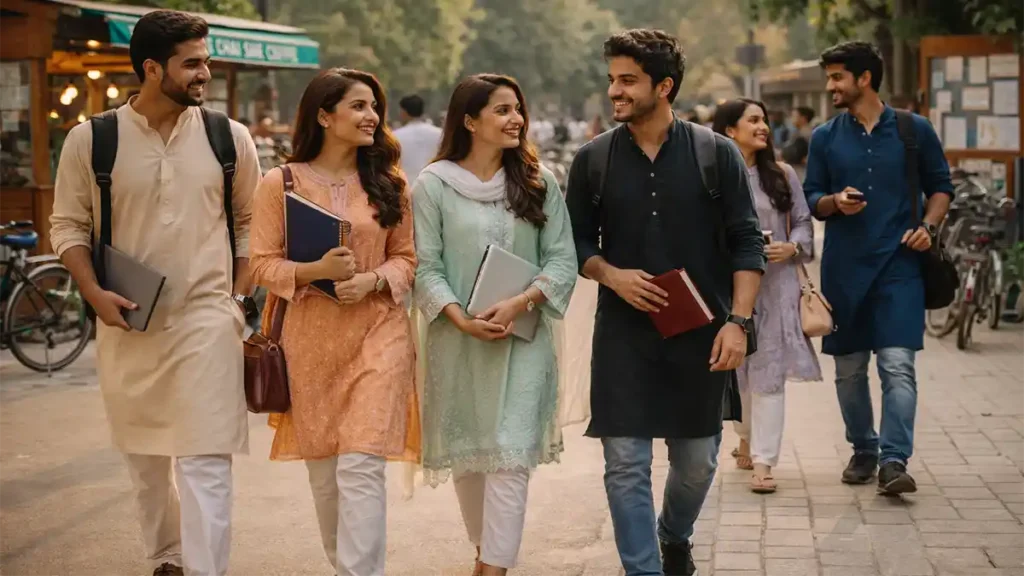
University culture often includes:
- Societies and events (debates, entrepreneurship, dramatics)
- Career building through internships and freelancing
- A rising personal brand mindset LinkedIn profiles, portfolios, content creation
Digital access supports this at scale, and Pakistan’s huge internet user base helps explain why online work and influence have grown so quickly.
Work, Money, and the Modern Hustle
Modern Pakistani lifestyle includes a strong hustle culture driven by economic pressure, ambition, and digital opportunity.
Corporate life
In major cities, corporate culture is expanding across:
- Banking and finance
- Telecom and tech
- Media and marketing
- Education, NGOs, development sector
Workwear often blends Western and local: blazers over Eastern outfits, or modest Western formal styles.
Freelancing and online work
Many young people explore:
- Graphic design, video editing, writing
- Web development, SEO, e-commerce management
- Online tutoring and coaching
Modern twist: freelancing is now socially understood. It’s no longer unusual to say, I work online.
Spending patterns: experiences matter more now
Across the middle class, spending is increasingly directed toward:
- Café culture
- Weekend trips (Murree, Hunza, Skardu, Swat, coastal Karachi)
- Weddings and events
- Smartphones and upgrades
This isn’t everyone’s reality Pakistan has deep income inequality but it does reflect how lifestyle aspirations are shifting.
Homes and Living Spaces: From Courtyards to Apartments
Traditional homes often featured courtyards and larger shared spaces. Urban density and rising land costs have pushed many people toward:
- Apartments
- Smaller modern houses
- Gated communities (especially for security and services)
The new interior style
Modern Pakistani homes often mix:
- Minimalist furniture with cultural accents (truck art prints, calligraphy, regional crafts)
- Neutral palettes with one bold feature wall
- Open kitchens (in newer builds)
- Smart TVs and stronger Wi-Fi as a basic utility
Social Life: Weddings, Gatherings, and the Café Era
Pakistan is socially rich life events are deeply communal.
The big three social spaces
- Home gatherings: dinners, chai meetups, family visits
- Event culture: weddings, dholkis, milads, birthdays, aqiqahs
- Cafés and malls: the modern neutral ground for friends and families
Weddings as lifestyle mirrors
Weddings show what a community values: family honor, aesthetics, tradition, and social connection. The scale varies, but the emotional investment is high across classes.
Festivals and Traditions: The Soul of the Calendar
Pakistani lifestyle becomes most visible during festivals.
Ramadan
Ramadan changes the rhythm of the entire country:
- Work hours shift
- Iftar becomes a daily family event
- Charity increases
- Night markets become lively
Eid
Eid is both spiritual and cultural:
- New clothes, family visits, special meals
- Kids receiving Eidi
- Social media greetings and photos
Regional festivals
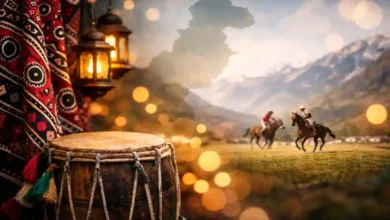
Cultural festivals, mela traditions, and seasonal celebrations vary by province and city, adding layers to what Pakistani lifestyle means locally.
The Urban–Rural Bridge: One Family, Two Worlds
One of the most modern Pakistani realities is living between worlds:
- A family might have a city apartment, a village home, and relatives abroad.
- Wedding plans may involve guests from multiple provinces and countries.
- Cultural identity is often mixed a Karachi accent with a hometown language and diaspora influences.
Urbanization is steadily reshaping the country, and development organizations like UNDP discuss Pakistan’s rapid urban transition and its implications for services, housing, and jobs.
Challenges That Shape Lifestyle Choices
To understand modern lifestyle honestly, you have to include pressures that influence daily decisions:
- Rising cost of living affecting food, education, and weddings
- Job competition and credential pressure
- Traffic, pollution, and city stress
- Balancing tradition with personal freedom (especially for women and youth)
Modern Pakistani lifestyle is not just trends it’s negotiation. People constantly balance what they want, what family expects, what society says, and what finances allow.
What Makes Modern Pakistani Lifestyle Unique?
If you had to summarize it in a few lines, it’s this:
- Deep roots, flexible expression
- Tradition as identity, not a cage
- Fashion that serves culture and creativity
- Food as community glue
- Youth shaping norms through digital life
- Family remaining central even when lifestyles change
Pakistan’s modern lifestyle is not a copy of anywhere else. It’s its own blend confident, evolving, sometimes contradictory, and always human.
Quick FAQ
What does modern Pakistani lifestyle actually mean today?
A mix of tradition and new habits family values, cultural identity, and modest style, alongside digital life, cafés, and changing work routines.
Is Pakistani lifestyle the same across the whole country?
No. It varies by province, city vs village, language, and income Pakistan has many lifestyles under one national culture.
What are the biggest fashion trends in Pakistan right now?
Ready to wear (pret), minimalist embroidered suits, sneakers with shalwar kameez, and modern tailoring with traditional fabrics.
How has social media changed daily life in Pakistan?
People discover fashion, food spots, education tips, and trends online social media now shapes shopping, opinions, and routines.
What role do family and tradition still play?
A major one. Family decisions, festivals, hospitality, and respect for elders remain central, even as lifestyles evolve.
What’s a simple way to experience Pakistani culture in daily life?
Try local street food, visit a bazaar, join an Eid/Ramadan gathering, and explore regional crafts, music, and language.
Conclusion: A Culture That Updates Without Losing Its Heart
Modern Pakistani Lifestyle is a story of continuity and change happening at the same time. The country is young, increasingly connected, and creatively restless yet still anchored in family life, faith, hospitality, and pride in cultural identity. You can see the evolution in fashion (fusion looks, pret culture, wedding styling), in daily life (digital habits, new work styles, café culture), and in the way people express tradition in modern formats.
And that’s the real point: modern Pakistan isn’t less Pakistani. It’s Pakistani in a new voice still warm, still communal, still colorful just speaking with updated words, updated silhouettes, and a phone in its hand.

3 Comments