How Smart Strategy Built the UAE’s Success
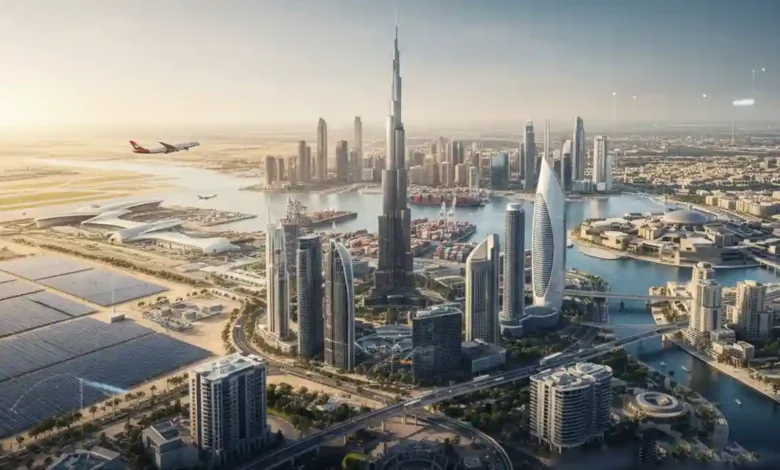
Introduction to the UAE’s Strategic Vision: The United Arab Emirates (UAE) emerged as a cohesive nation in 1971, formed by the unification of seven emirates: Abu Dhabi, Dubai, Sharjah, Ajman, Umm Al-Quwain, Fujairah, and Ras Al Khaimah. From its inception, the UAE established a strategic vision aimed at transformative development, highlighting the significance of having a well-defined roadmap. This approach has been instrumental in steering the UAE towards remarkable economic, social, and cultural achievements, juxtaposed against the backdrop of a rapidly changing global landscape.
A central aspect of this strategic vision has been the pragmatic leadership exhibited by the UAE’s founding fathers, particularly Sheikh Zayed bin Sultan Al Nahyan. His foresight and commitment to progress laid the groundwork for a diversified economy that transcended reliance on oil. Through innovative policies and a strong emphasis on education, infrastructure, and technology, the UAE has evolved into a leading global player. The development strategy encompasses various sectors, including tourism, finance, and renewable energy, each reflecting the nation’s ambition and adaptability.
The vision continues to be cultivated through various initiatives aimed at fostering economic diversification and enhancing global competitiveness. Programmes such as the UAE Vision 2021 and the UAE Centennial 2071 further illustrate the commitment to sustainability and long-term success. These initiatives not only address contemporary challenges but also anticipate future growth, ensuring that the UAE remains resilient in the face of global shifts.
In this context, the UAE’s strategic vision serves as a guiding principle for policymakers and stakeholders. The collaborative efforts among leaders, businesses, and citizens have fostered an environment tailored for innovation and development, reflecting the core tenets of the nation’s philosophy. This document will delve deeper into the initiatives and policies that underpin the UAE’s impressive growth across various sectors, further elucidating the success derived from its strategic vision.
Diversification of the Economy
The United Arab Emirates (UAE) has implemented a robust economic diversification strategy that has significantly diminished its reliance on oil, which has historically been the backbone of its economy. This strategic shift is essential in ensuring long-term economic resilience and sustainability in an era marked by fluctuating oil prices. To achieve this goal, the UAE has identified and developed several key sectors that now serve as pillars of its economy, including tourism, finance, technology, and renewable energy.
Tourism has emerged as one of the UAE’s most dynamic sectors, with cities like Dubai and Abu Dhabi becoming global hubs for leisure and business travel. Through the establishment of world-class attractions such as the Burj Khalifa, the Louvre Abu Dhabi, and numerous luxury resorts, UAE has successfully positioned itself as an attractive destination for millions of international visitors each year. Investment in infrastructure, such as airports and transportation networks, has further facilitated this growth, creating additional economic opportunities.
The finance sector has also seen substantial growth, with the UAE becoming a regional financial center. Initiatives such as the Dubai International Financial Centre (DIFC) have attracted numerous international banks and financial institutions. This strategic development fosters a business-friendly environment that promotes investment and innovation, enhancing the UAE’s strategic importance in the global financial landscape.
Additionally, the technology sector has gained considerable momentum, fueled by government strategies aimed at fostering innovation. Investments in research and development, alongside the establishment of technology parks and incubators, have encouraged entrepreneurship in the digital economy, thus creating new job opportunities and driving economic growth.
Lastly, the push towards renewable energy has been underscored by significant investments in solar and wind energy projects, demonstrating the UAE’s commitment to a sustainable future. Initiatives like the Mohammed bin Rashid Al Maktoum Solar Park highlight the country’s determination to reduce its carbon footprint while diversifying its energy sources.
Investment in Infrastructure and Technology
The United Arab Emirates (UAE) has made substantial investments in infrastructure and technology, crucial drivers of its economic growth and development. These investments have not only improved the quality of life for residents but also placed the UAE among the most competitive and innovative nations globally. The establishment of world-class airports, such as Dubai International Airport and Abu Dhabi International Airport, reflects the UAE’s commitment to creating a robust transportation network that facilitates tourism and business travel. These airports are equipped with state-of-the-art facilities, ensuring a seamless travel experience, and bolstering the nation’s status as a global gateway.
In addition to aviation, maritime ports have seen significant enhancements. The Port of Jebel Ali, for example, is among the largest and busiest ports in the region, providing vital services for trade and shipping. This strategic investment in maritime infrastructure supports the UAE’s ambitious trade goals and strengthens its position in the global logistics network.
Moreover, the UAE is at the forefront of urban development with the emergence of smart cities. Initiatives such as Masdar City in Abu Dhabi exemplify this commitment, incorporating sustainable design and advanced technology to create environmentally-friendly living spaces. These smart cities are designed to utilize innovative technologies that manage resources efficiently, enhance urban mobility, and improve citizens’ quality of life.
The UAE has also embraced technological advancements to further bolster productivity. The establishment of innovation hubs, such as the Dubai Internet City and Abu Dhabi’s Hub71, fosters a thriving ecosystem for startups and technology companies. By investing in these areas, the UAE not only attractive foreign investments but also cultivates a culture of innovation which is essential for long-term economic viability.
Fostering a Business-Friendly Environment
The United Arab Emirates (UAE) has cultivated a business-friendly environment that significantly contributes to its economic success. Central to this strategy is the implementation of policies designed to attract foreign investment and facilitate entrepreneurship. One of the most notable measures is the establishment of free zones across various emirates, which offer businesses significant benefits including 100% foreign ownership, zero personal income taxes, and customs duties exemptions. These free zones serve as attractive locations for international companies seeking to operate in a stable and supportive framework.
In addition to free zones, the UAE government has introduced a variety of tax incentives aimed at minimizing the financial burden on businesses. The introduction of a low corporate tax rate, coupled with reduced compliance requirements, has further enhanced the attractiveness of setting up operations in the region. These inclusive tax policies reflect the UAE’s commitment to fostering a conducive atmosphere for both local and foreign enterprises.
Regulatory reforms have also played a crucial role in preparing the ground for business expansion. The UAE has streamlined its licensing processes, significantly reducing the time and complexity involved in starting a business. This emphasis on ease of doing business is pivotal to the nation’s appeal, as it allows entrepreneurs to focus on their operations rather than getting bogged down in bureaucratic processes. Furthermore, the UAE’s government actively engages in regular dialogue with the private sector, inviting feedback that shapes further improvements in the regulatory landscape.
In conclusion, the UAE’s success story is built on a robust framework that promotes a business-friendly environment. Through tax incentives, the establishment of free zones, and continuous regulatory reforms, the nation has effectively positioned itself as a global hub for business and investment. As the UAE continues to innovate and adapt its policies, it remains committed to supporting economic growth and fostering entrepreneurial ventures on both a local and international level.
Cultural Diplomacy and Soft Power
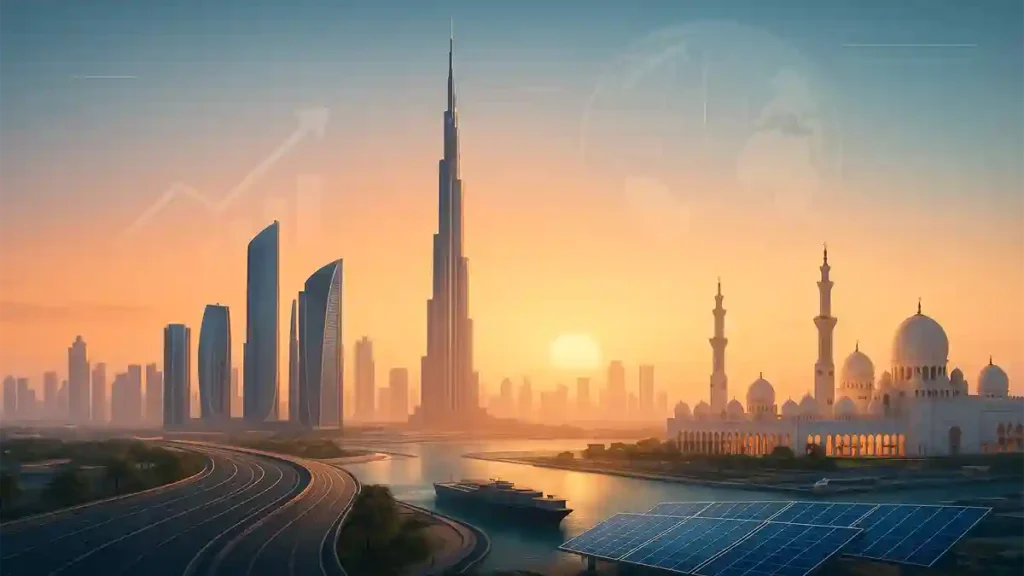
The United Arab Emirates (UAE) has strategically employed cultural diplomacy and soft power as essential elements to enhance its global standing. By promoting initiatives that emphasize tolerance, multiculturalism, and dialogue, the UAE has positioned itself as a leading hub for cultural exchange. This approach not only fosters positive relationships with other nations but also strengthens the UAE’s identity on the global stage.
One of the notable initiatives reflecting the UAE’s commitment to cultural diplomacy is the establishment of various cultural institutions and events that showcase the nation’s rich heritage and contemporary arts. Museums, such as the Louvre Abu Dhabi, serve as platforms for artistic collaboration and intercultural dialogue, inviting international artists and curators to participate in exhibitions. Such endeavors create opportunities for knowledge sharing and mutual understanding, reinforcing the UAE’s image as a multicultural melting pot.
Moreover, the UAE’s participation in global cultural festivals and its support for international art fairs further illustrate the nation’s soft power strategy. These platforms enable the UAE to engage with diverse cultures and present its unique narrative to the world. Additionally, programs aimed at fostering educational exchanges and artist residencies provide avenues for building lasting relationships between the UAE and other countries, promoting an atmosphere of mutual respect and cooperation.
As the UAE continues to leverage its cultural assets, these efforts contribute significantly to its global image. By investing in cultural diplomacy, the nation not only showcases its heritage but also positions itself as a vital player in the international community. This balanced approach to soft power enhances the UAE’s ability to foster international relationships, ultimately improving its global standing and influence.
Sustainable Development Initiatives
The United Arab Emirates (UAE) has firmly established itself as a global leader in sustainable development, adopting a range of initiatives designed to promote environmental conservation and sustainable growth. Central to this commitment is the UAE Vision 2021, a strategic framework aimed at transforming the nation into a sustainable society with a competitive economy, by focusing on economic competitiveness, quality healthcare, and environmental sustainability.
As part of this vision, the UAE has implemented numerous policies that encourage the adoption of renewable energy and the reduction of carbon emissions. One notable initiative is the UAE Green Agenda, which outlines the country’s efforts to achieve long-term sustainability through various means, including enhancing energy efficiency and integrating environmental practices into various sectors such as industry, transport, and urban development. This comprehensive approach underscores the UAE’s dedication to creating a sustainable future for its citizens and the environment alike.
The UAE has also made significant investments in renewable energy projects, with the aim of diversifying its energy sources. The Mohammed bin Rashid Al Maktoum Solar Park, for instance, is a landmark project that represents the nation’s commitment to harnessing solar energy effectively. When completed, it will be one of the largest solar parks in the world, generating substantial megawatts of clean energy that will help reduce the country’s reliance on fossil fuels.
Moreover, sustainable urban planning has been prioritized within the nation’s development strategies. Initiatives aimed at promoting green buildings and sustainable transportation reflect the UAE’s commitment to creating urban environments that minimize ecological footprints. Through these measures, the UAE not only aims to protect its natural resources but also aspires to set a benchmark for sustainability on the global stage, demonstrating that economic growth and environmental stewardship can coexist harmoniously.
Education and Human Capital Development
Education stands as a cornerstone in the United Arab Emirates (UAE) strategic vision, underpinning the nation’s rapid advancement and global competitiveness. With a keen understanding of the importance of a well-educated population, the UAE has undertaken various initiatives designed to enhance educational standards across all levels. This commitment is evident in the establishment of numerous educational institutions, along with substantial investments in research and innovation. By focusing on these areas, the UAE aims not only to improve the quality of education domestically but also to integrate into the global knowledge economy.
One of the critical facets of the UAE’s approach to education is the emphasis on developing a skilled workforce that meets the demands of a dynamic job market. The government has launched multiple programs aimed at aligning educational outcomes with labor market needs, thereby enhancing the employability of graduates. These initiatives encompass vocational training, higher education reforms, and continuous professional development opportunities. The UAE prioritizes partnerships with international educational institutions to foster an exchange of knowledge and practices that elevate local standards and support lifelong learning.
Moreover, the UAE’s investment in a knowledge-based economy aligns with its vision to diversify its economy beyond oil dependency. By prioritizing education and human capital development, the nation seeks to empower its citizens with the skills required for emerging industries, including technology, renewable energy, and finance. The integration of innovation within educational frameworks is vital to this objective, encouraging students to engage in critical thinking and develop problem-solving capabilities. Such focus ensures that the UAE is well-positioned to face future challenges and seize opportunities in an increasingly competitive global landscape.
Global Trade and Diplomatic Relationships
The United Arab Emirates (UAE) has strategically positioned itself as a central player in global trade, leveraging its geographic location to bridge the gap between East and West. This unique positioning has led to the UAE becoming one of the world’s leading trade hubs, facilitating the movement of goods and services across continents. Several logistical advantages, including state-of-the-art ports and airports, make it an attractive destination for international businesses seeking to access markets in Asia, Europe, and Africa.
Central to the UAE’s success in global trade is its extensive network of trade agreements. These agreements provide preferential access to various markets and remove trade barriers, fostering a conducive environment for commerce. The UAE has engaged in negotiations with numerous countries, leading to bilateral and multilateral agreements that have strengthened its economic ties globally. Through such arrangements, the UAE has not only expanded its trade portfolio but has also solidified its status as a vital link in global supply chains.
The UAE’s proactive engagement in international organizations further enhances its diplomatic relationships and economic clout. Its participation in groups like the World Trade Organization (WTO) and the Gulf Cooperation Council (GCC) demonstrates its commitment to fostering regional and global economic integration. These platforms allow the UAE to advocate for trade policies that benefit its economy while promoting stability and development in the surrounding regions.
Additionally, the UAE has demonstrated a strong commitment to building partnerships and alliances with emerging markets and developed countries alike. By investing in foreign relations and balancing its diplomatic engagements, the UAE has managed to enhance its influence significantly. These efforts not only support the UAE’s economic objectives but also contribute to fostering a robust international community, making the nation a key player in global governance and trade advancements.
Conclusion: The Future of the UAE’s Strategic Success
The United Arab Emirates (UAE) has emerged as a remarkable example of how smart strategy can lead to substantial development and success on a global scale. Throughout this discussion, we have explored the multifaceted approaches adopted by the UAE, including innovative policies, strategic partnerships, and forward-thinking initiatives that have propelled its growth across various sectors. These strategies exemplify the UAE’s commitment to creating a sustainable and diverse economy while maintaining its cultural heritage.
Looking ahead, the UAE faces a range of challenges and opportunities that will undoubtedly shape its strategic landscape. As the country navigates the complexities of a rapidly changing global economy, it must remain vigilant in addressing issues such as environmental sustainability, technological advancements, and geopolitical dynamics. The current emphasis on innovation and digital transformation reflects the UAE’s dedication to staying ahead of the curve. By leveraging its strengths in technology and entrepreneurship, the UAE has a unique opportunity to set benchmarks for other nations seeking to enhance their global competitive stance.
Moreover, the UAE’s leadership is pivotal in fostering an environment conducive to growth and development. Continued investment in education, research, and infrastructure will ensure that the country retains its status as a regional hub for business, innovation, and tourism. As the UAE endeavors to achieve its long-term vision, it serves as a beacon for other nations, demonstrating that with the right strategies, transformative outcomes are possible.
In conclusion, the UAE is a testament to the power of smart strategy in achieving national success. As it continues to build upon its achievements, it invites others to consider the lessons learned from its journey, potentially inspiring a new wave of strategic initiatives worldwide.



4 Comments