The Complete History of Lahore The Heart and Beauty of Pakistan
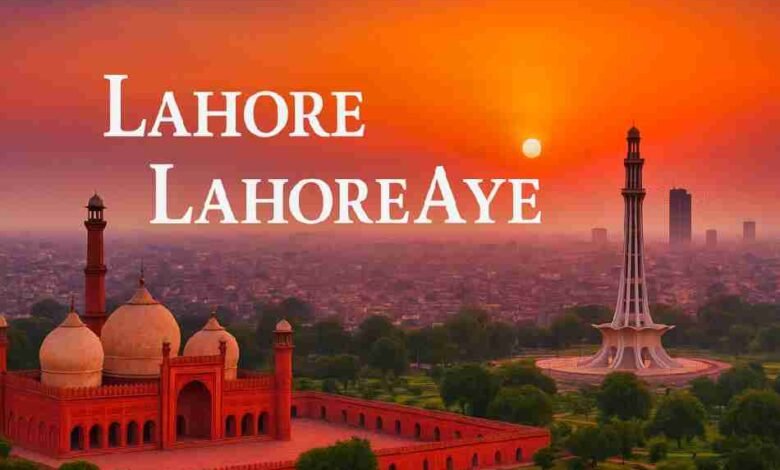
Lahore, the capital of Punjab province, is one of Pakistan’s most beautiful and historically rich cities. Known as the Heart of Pakistan, it stands as a symbol of culture, heritage, and timeless beauty. The city has witnessed the rise and fall of many empires from Hindu dynasties and Mughal emperors to the Sikh and British rulers. Its unique architecture, vibrant culture, and deep rooted traditions make Lahore a city like no other in South Asia.
Origin and Name of Lahore
The name Lahore is believed to have ancient roots. According to legends, the city was founded by Prince Loh, the son of Lord Rama a figure from the Hindu epic Ramayana. The original name was said to be Loh-Awar or Loh-Puri, which over time evolved into Lahore.
Historically, Lahore’s name first appeared in early Muslim chronicles around the 10th century, during the reign of Mahmud of Ghazni. The city became a vital administrative and cultural center for centuries to come.
Lahore Through the Ages
1. Hindu and Buddhist Periods
Before the advent of Islam, Lahore was part of various Hindu and Buddhist kingdoms. Archaeological findings suggest that it existed as a small settlement more than 2,000 years ago, flourishing due to its fertile land and trade routes.
2. Ghaznavid and Delhi Sultanate Era
In 1022 AD, Mahmud of Ghazni captured Lahore, making it an important part of his empire. Later, under the Delhi Sultanate, Lahore became a center of Islamic learning and architecture.
3. The Mughal Era, Lahore’s Golden Age
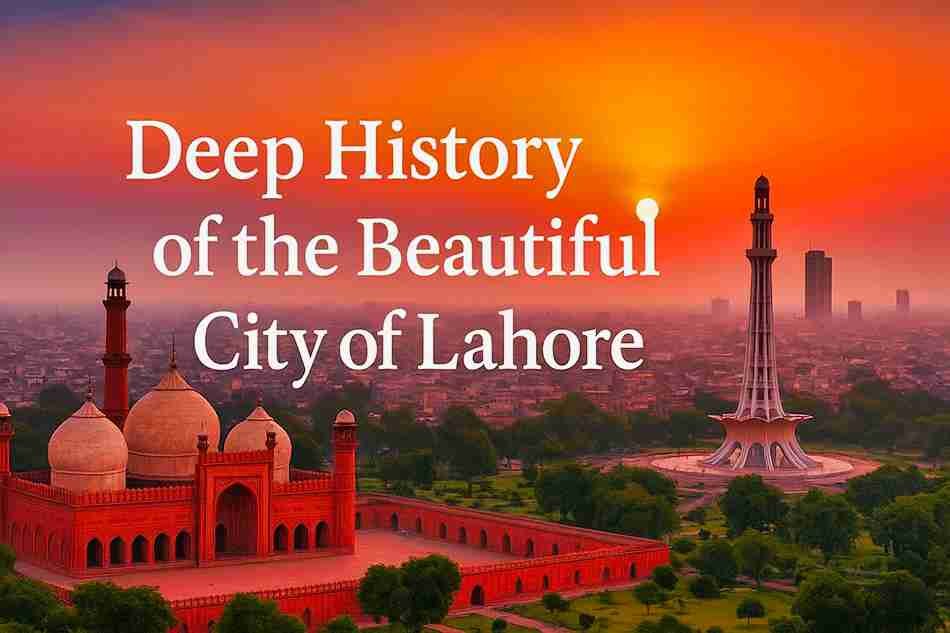
The Mughal Empire (1526–1857) transformed Lahore into one of the most magnificent cities in Asia. Emperors like Akbar, Jahangir, and Shah Jahan adorned it with splendid mosques, gardens, and forts.
Famous landmarks such as:
- Badshahi Mosque
- Lahore Fort (Shahi Qila)
- Shalimar Gardens
were built during this golden period. Lahore became known for its beauty, art, and architecture a reputation it still holds today.
4. The Sikh and British Rule
In the 18th century, Lahore came under the control of the Sikh Empire, led by Maharaja Ranjit Singh, who made it his capital. After the British annexed Punjab in 1849, Lahore evolved into a modern administrative and educational hub, with the establishment of institutions such as Government College University and Punjab University.
Lahore After Independence (1947 – Present)
After Pakistan’s independence in 1947, Lahore became a major cultural, educational, and political center. It houses important monuments of Pakistan’s identity, including the Minar-e-Pakistan, where the Lahore Resolution was passed in 1940, leading to the creation of Pakistan.
Today, Lahore is Pakistan’s second largest city, blending tradition with modernity from historic bazaars of the Walled City to modern boulevards, restaurants, and educational institutions.
The Beauty and Importance of Lahore
In terms of beauty, Lahore consistently ranks among Pakistan’s most beautiful cities, celebrated for its gardens, historical landmarks, and hospitality.
- It is often called The City of Gardens due to its lush greenery.
- Lahore’s cultural life, festivals, and cuisine make it a top tourist destination.
- Economically, it serves as a hub for trade, education, and industry in Punjab.
The city’s motto> Lahore Lahore Aye (Lahore is Lahore) > reflects its unmatched charm and pride among Pakistanis.
Famous Landmarks of Lahore
- Badshahi Mosque
- Lahore Fort
- Shalimar Gardens
- Minar-e-Pakistan
- Lahore Museum
- Wazir Khan Mosque
- Anarkali Bazaar
- The Mall Road
- Lahore Food Street (Gawalmandi & Fort Road)
Conclusion
Lahore is more than just a city, it is a living museum of history, culture, and tradition. From ancient civilizations to the Mughal Empire, from the Sikh era to modern Pakistan, every brick of Lahore tells a story. Its beauty, warmth, and grandeur make it not only one of Pakistan’s greatest cities but also one of the most fascinating cities in the world.




2 Comments