Best AI Image Generator Tools in 2026: Free and Paid Options Compared
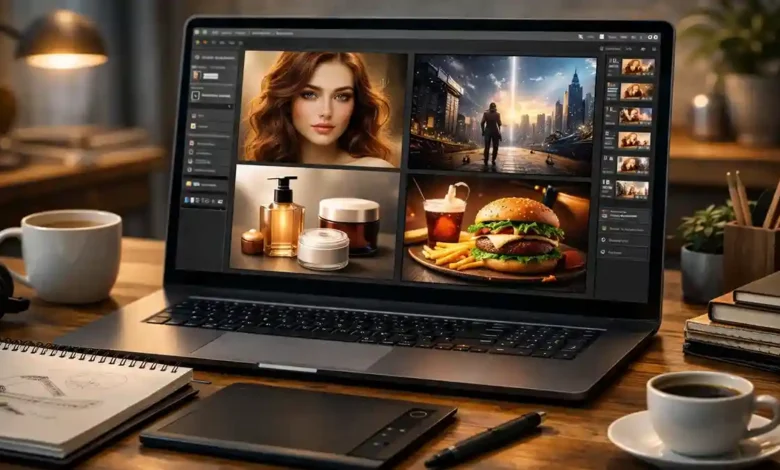
AI image generation has moved far beyond the stage where people used it just to make fantasy portraits or experimental art for fun. In 2026, these tools are part of real work. Bloggers use them for featured images. Marketers use them for ads and social posts. Designers use them for concept development. Small businesses use them for product mockups, packaging ideas, and promotional graphics. Even non designers now rely on them to turn rough ideas into usable visuals in minutes.
That growth has changed the way people compare tools. A few years ago, the conversation was mostly about image quality. Now the smarter question is: which tool actually fits your workflow? Some platforms are best for artistic style. Some are better for editing and refinement. Some are strong at text inside images. Others are built for speed, design workflow, brand safety, or cost control.
That is why choosing the best AI image generator in 2026 is not as simple as picking the one that creates the most dramatic image from a single prompt. The right choice depends on what you need to make, how often you create, how much editing control you want, whether you need commercial safety, and whether you are looking for a free option or a paid platform with more serious capabilities.
This guide compares the strongest AI image generator tools available in 2026, including both free and paid choices, and explains where each one stands out, where it falls short, and who it is best for.
What Makes an AI Image Generator Worth Using in 2026?
Before comparing tools one by one, it helps to define what matters most now.
The first factor is prompt accuracy. A good image generator should understand what you asked for and give you something close to that request without forcing endless retries.
The second is editing control. Generation is only one part of the job. Most users also need to remove objects, refine composition, change backgrounds, adjust style, or improve a nearly good result.
The third is text handling. This has become much more important than many people expected. If a tool cannot place readable words inside posters, menus, ads, labels, or thumbnails, it becomes less useful for real publishing work.
The fourth is workflow fit. Some tools are great at producing beautiful images but awkward when you need to turn them into a finished asset. Others are built to help you go from idea to publishable design much faster.
The fifth is price and usage limits. Free tiers are useful, but they often come with slow generation, lower limits, public visibility, or fewer editing features. Paid plans usually unlock faster performance, privacy, and more professional use.
The sixth is commercial confidence. For personal experimentation, almost any platform can be fun. For clients, brand work, or business publishing, usage rights and trust matter a lot more.
With that framework in mind, here are the tools that stand out most in 2026.
1. ChatGPT Images: Best Overall for Most Users
ChatGPT Images is the strongest all round choice for most people. Its biggest advantage is not only the quality of its outputs, but the way it lets users work conversationally. You can start with a prompt, generate an image, then keep refining it naturally. You can ask for a different angle, cleaner lighting, fewer background elements, a more realistic style, or a better match to your original idea without starting over from zero every time.
That makes it especially useful for people who do not want to learn complex prompting language. Instead of treating image generation like a technical skill, ChatGPT makes it feel like collaboration. This lowers the barrier for beginners while still giving experienced users enough control to shape strong results.
Another reason it stands out is versatility. It works well for blog graphics, concept visuals, social media images, illustration style outputs, and practical edits to existing pictures. It is not limited to one visual personality. It can be realistic, stylized, editorial, clean, dramatic, minimal, or commercial depending on what you ask for.
Its balance is what makes it the best overall choice. Some tools beat it in narrow categories, but very few match its mix of quality, refinement, usability, and flexibility. For users who want one platform that can handle both generation and editing without a steep learning curve, ChatGPT Images is one of the safest choices in 2026.
2. Midjourney: Best for Artistic Style and Visual Drama
Midjourney remains one of the most respected names in AI image generation, especially among artists, creative directors, and users who care deeply about mood, composition, and cinematic style.
Its strength is visual taste. Midjourney often produces images that feel polished and art directed even before much refinement. That is why it still has a strong following among people who want visuals with atmosphere, depth, and a distinctive aesthetic.
If your goal is to create fantasy scenes, conceptual artwork, stylized portraits, or highly expressive editorial visuals, Midjourney continues to shine. It often delivers more artistic personality than many competitors.
The trade off is that Midjourney is not always the easiest tool for practical, business first workflows. It can be less beginner friendly than platforms built around simple chat based refinement. It is also not the first choice if readable text inside the image is a major priority. In addition, many users feel that Midjourney makes the most sense when you are willing to pay, since its real strengths become clearer in more serious, higher volume use.
Midjourney is best for users who want beauty, visual drama, and strong stylistic impact. If that is your main priority, it still deserves a place near the top of the list.
3. Adobe Firefly: Best for Commercial and Brand Sensitive Work
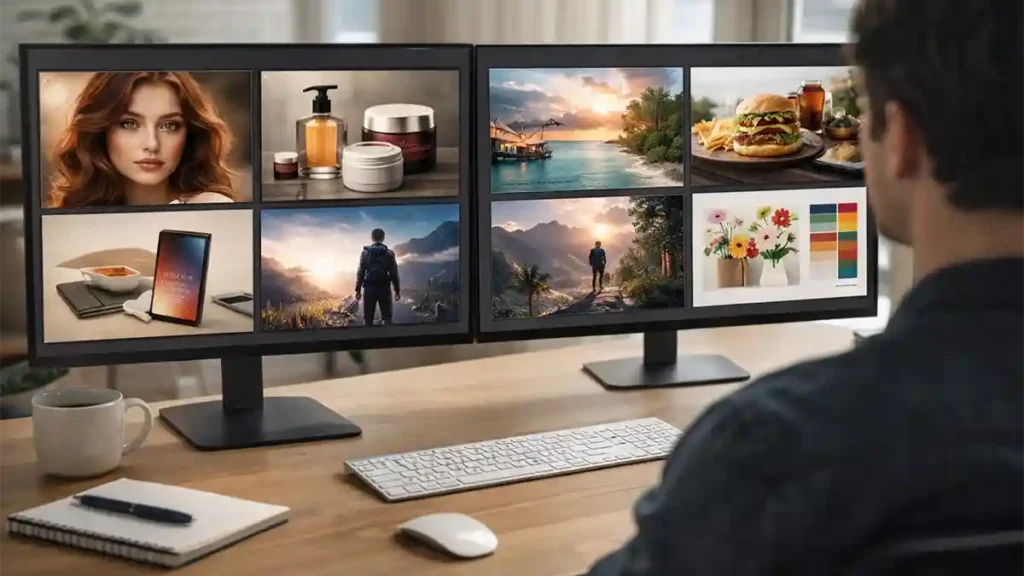
Adobe Firefly has built its reputation around trust, business usability, and compatibility with professional creative workflows. While some tools focus on visual surprise, Firefly focuses more on making AI image generation easier to adopt in real design and brand environments.
This matters for agencies, in house marketing teams, and businesses that care about licensing clarity and commercial safety. Many organizations are less interested in the most experimental image generator and more interested in a tool they feel comfortable using in paid work.
Firefly’s other big advantage is ecosystem fit. If you already work with Adobe products, it becomes much easier to move from generated concept to refined asset. That can save time and reduce friction for designers who already live inside Adobe’s creative tools.
Firefly may not always produce the most dramatic or stylized result compared with more art focused platforms, but that is not really its role. Its value lies in reliability, practical business use, and smoother integration into professional workflows.
For client work, branded campaigns, product advertising, and commercial publishing, Adobe Firefly remains one of the smartest choices in 2026.
4. Ideogram: Best for Text Inside Images
One of the biggest problems in AI image generation used to be text. Many platforms could make beautiful visuals, but once you asked them to create a poster, menu, product label, flyer, or thumbnail with actual readable wording, the results often fell apart.
Ideogram changed that conversation. In 2026, it is still one of the best tools for text heavy visual content.
If you need AI generated posters, ad mockups, social graphics, packaging concepts, or branded visuals where typography matters, Ideogram is one of the strongest choices available. It handles layouts and written elements better than most competitors, which makes it especially useful for marketers, social media managers, and small brands.
That specialized strength gives it a very practical edge. A lot of users do not just want art. They want graphics that look ready for publishing. That is where Ideogram becomes more than a niche tool. It solves a real problem that many other platforms still only handle moderately well.
Ideogram is not necessarily the single best choice for every kind of image generation, but for text inside visuals, it remains one of the most valuable tools on the market.
5. Leonardo.Ai: Best for Flexibility and Creator Control
Leonardo.Ai appeals to users who want more room to experiment. It feels less like a single purpose generator and more like a creative platform for people who want to test styles, adjust outputs, and work across a wider range of visual directions.
This makes it especially attractive to creators who like control. If you are the kind of user who does not stop after the first prompt and instead wants to refine, compare, remix, and push different looks, Leonardo can be a very satisfying platform.
It is also popular with users who move between concept art, game style visuals, marketing graphics, and stylized content. That broader creative range makes it more flexible than some tools that feel locked into one visual identity.
Leonardo is not always the simplest option for absolute beginners, but it offers strong value for users who enjoy a more hands on creative process. It is well suited to people who want more than quick one click generation and are willing to explore its deeper features.
For creators who want freedom, range, and a platform that supports experimentation, Leonardo.Ai is one of the strongest choices in 2026.
6. Canva: Best for Beginners and Fast Publishing
Canva deserves serious attention because it solves a different problem from many other AI tools. It is not just about generating an image. It is about finishing the job.
For bloggers, small business owners, marketers, and non designers, that matters a lot. Many people do not need the most artistic AI engine. They need a fast way to create a usable graphic, add text, resize it for different platforms, keep it on brand, and publish it without switching between multiple apps.
That is exactly where Canva is strong. Its image generation features sit inside a broader design system that is easy to use. You can generate a visual, place it into a layout, adjust fonts, add brand colors, create multiple versions, and export a finished asset in a very smooth workflow.
Canva is especially good for social media posts, blog graphics, simple ads, banners, presentations, and everyday marketing content. It may not match the visual flair of Midjourney or the deeper creative flexibility of Leonardo, but it often beats both when speed, simplicity, and practicality matter more.
For users who want an easy publishing friendly solution, Canva remains one of the best beginner choices in 2026.
7. Google ImageFX: Best Free Tool for Experimentation
When people ask for a strong free AI image generator, Google ImageFX is one of the most important names in the conversation.
Its biggest advantage is accessibility for experimentation. It gives users a chance to try high quality text to image generation without committing immediately to a paid plan. That makes it a useful entry point for students, hobbyists, casual creators, and anyone who wants to test ideas before spending money.
ImageFX is particularly good for creative exploration. You can move quickly, try new prompt directions, and get a feel for what modern AI image generation can do. For users who are still learning, that kind of free experimentation is valuable.
The limitation is that free tools rarely offer the full package. You may run into usage limits, regional restrictions, fewer workflow features, or less control than you would get from a stronger paid platform. That does not make ImageFX weak. It just means it is best understood as a great free starting point rather than a complete business solution for every user.
If your goal is to explore AI image generation without paying upfront, Google ImageFX is one of the best places to begin.

8. Stability AI: Best for Developers and Technical Workflows
Stability AI remains important, especially for technical users, developers, and teams that want more control over how image generation fits into their systems.
Unlike tools that are built mainly for casual end users, Stability has stronger appeal for people who think in terms of APIs, deployment, customization, and infrastructure. That makes it especially relevant for product teams and organizations that want to build AI image generation into apps, services, or internal workflows.
It is not the easiest tool for a casual blogger who simply wants a polished featured image. But that is not really its main purpose. Stability becomes far more interesting when your focus is flexibility, integration, or broader control over the creative pipeline.
For developers and advanced users, it remains one of the most important platforms in the AI image space.
Free vs Paid: What Really Changes?
The biggest difference between free and paid AI image generator tools in 2026 is not just output quality. In many cases, even free tools can produce impressive images. The real difference is what happens after the first generation.
Paid plans usually give you faster generation, higher limits, better editing tools, private creation, more control over outputs, and a more professional overall workflow. That matters once you start using these tools regularly.
Free plans are excellent for learning, light experimentation, and occasional content creation. They are often enough for students, hobby users, and people who only need visuals once in a while.
Paid plans make more sense when you are publishing at scale, working on client projects, maintaining a brand identity, or creating content as part of a business. At that point, speed, privacy, control, and workflow efficiency become much more important than saving a few dollars.
So the real question is not whether free tools are good enough. Many of them are. The question is whether your use case has outgrown their limits.
Which AI Image Generator Should You Choose?
If you want the best overall balance of quality, editing, and ease of use, choose ChatGPT Images.
If your top priority is artistic style and visual mood, choose Midjourney.
If you need stronger commercial confidence and brand friendly workflow, choose Adobe Firefly.
If your visuals need readable text, choose Ideogram.
If you want flexibility and deeper creator control, choose Leonardo.Ai.
If you care most about speed and publishing ready design workflow, choose Canva.
If you want a strong free option for experimentation, try Google ImageFX.
If you are technical and want integration freedom, look at Stability AI.
That is the real shape of the market in 2026. There is no single winner for everyone. The best AI image generator is the one that matches your actual work, not just the one with the most hype around it.
Quick FAQ
What is the best AI image generator overall in 2026?
For most users, ChatGPT Images is the best overall option because it combines quality, editing, ease of use, and flexible workflow in one place.
Which AI image generator is best for free use?
Google ImageFX is one of the best free options for experimentation and casual creative use.
Which tool is best for posters and thumbnails with text?
Ideogram is one of the strongest tools for readable text inside images, which makes it ideal for posters, ads, thumbnails, and branded graphics.
Which AI image generator is best for artists?
Midjourney remains a top choice for artists and style focused creators who want cinematic, polished, and expressive visuals.
Which platform is best for business and commercial work?
Adobe Firefly is one of the strongest options for commercial and brand sensitive work because of its business friendly positioning and workflow fit.
Is a free AI image generator enough for serious work?
It can be enough for light use, learning, and testing ideas, but paid tools usually offer better privacy, faster results, and stronger editing control for professional work.
Which AI image generator is easiest for beginners?
Canva is one of the easiest tools for beginners, especially for users who want to create and publish graphics quickly.
Which AI image generator is best for advanced users?
Leonardo.Ai and Stability AI are both strong choices for advanced users who want more flexibility, control, or technical integration options.
Conclusion
AI image generation in 2026 is no longer a side tool. It has become part of mainstream content creation, digital publishing, marketing, and design. The strongest platforms are no longer competing on image quality alone. They are competing on usefulness.
That is a good thing for users. It means you can now choose a tool based on your goals instead of forcing your workflow around whatever happens to be popular.
If you are a blogger or content creator, you may want the balance and simplicity of ChatGPT Images. If you are an artist, Midjourney may still feel the most inspiring. If you run a business, Adobe Firefly may be the more comfortable fit. If text matters, Ideogram is hard to ignore. If you want flexibility, Leonardo.Ai is a serious option. If you want to publish quickly, Canva makes a lot of sense. And if you are just exploring, free tools like Google ImageFX are more capable than ever.
The smartest choice is not the most famous tool. It is the tool that helps you create better work, more efficiently, with the level of control and confidence you actually need. That is what separates a good AI image generator from the right one.