Best Places in Saudi Arabia: Hidden Gems List (Real Spots Worth the Detour)
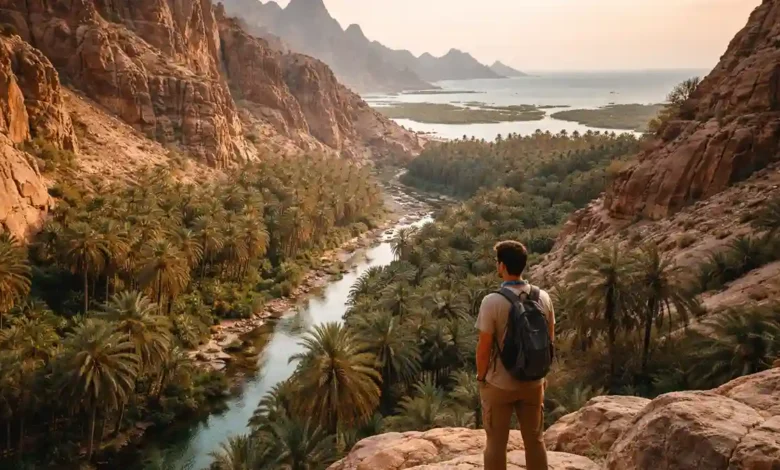
Best Places in Saudi Arabia are not only the famous landmarks and headline attractions. Some of the most memorable experiences happen away from the spotlight: a palm-filled canyon that suddenly turns green, a quiet island shoreline where time slows down, a stone village that feels untouched by rush, or a volcanic landscape that looks like another planet.
Saudi Arabia is huge, and that is your advantage. The Kingdom’s size creates variety: mountains and highlands in the southwest, desert seas in the south, islands and coral waters along the Red Sea, oases in the east, and ancient trade-route stories scattered across the interior. When travelers rush, everything blurs. When you travel with intention, Saudi becomes a collection of distinct worlds.
This article is a Roz New ready hidden-gems list designed for real planning. You will get:
- A curated set of underrated places (not just “pretty names”)
- What makes each spot special and how to experience it
- Best seasons and realistic travel tips
- Mini itineraries that reduce guesswork
- A quick FAQ with short, useful answers
If your goal is a trip that feels personal, this is the kind of list you save, not just skim.
What “Hidden Gems” Means (So You Don’t Waste Time)
A hidden gem is not simply “a place I haven’t heard of.” In travel terms, a true gem usually has three things:
- Strong identity (nature, heritage, culture, or unique scenery)
- A rewarding experience (walk, hike, swim, explore, learn, photograph, taste)
- Less noise (fewer crowds, fewer tour buses, more breathing room)
Some places on this list are famous to locals but still quiet for international visitors. Others are known online, yet many travelers visit too fast and miss what makes them special. The goal here is simple: help you travel smarter, not harder.
Quick Planning Basics (Small Moves, Big Upgrade)
Best time to explore (simple rule)
- October to March: best overall comfort for deserts, cities, and long outdoor days
- April and May: still good, but heat rises quickly in many regions
- June to September: focus on higher elevations (Aseer, Al Baha) and plan coastal time carefully
How to choose the right hidden gems for your trip
Pick one main region first, then add nearby stops:
- Northwest (Tabuk): valleys, sandstone scenery, wide-open roads
- Southwest (Aseer, Al Baha): mountains, heritage villages, cooler air
- Far South (Jazan): islands, coastal nature, green canyons
- Eastern Province: oases, caves, markets, family-friendly routes
- Interior and south desert edges: big landscapes, archaeology, star-filled nights
Respectful travel (short and practical)
- Dress modestly, especially in rural areas and heritage towns.
- Ask before photographing people.
- Keep natural sites clean. Remote places stay beautiful because visitors do not treat them like disposable photo sets.
- Plan water, sun protection, and sensible footwear. Saudi terrain is stunning, but it is not forgiving if you come unprepared.
Hidden Gems List: Best Places in Saudi Arabia (Region by Region)
Below are 12 destinations that consistently deliver that “how is this real?” feeling. Each includes what to do, when to go, and how to build it into a route.
(1) Wadi Al Disah (Tabuk) The Palm Canyon Surprise
Wadi Al Disah is one of those places that resets your expectations. You drive through a rugged landscape, then suddenly the valley opens into palms, cliffs, and a calmness that feels almost cinematic.
Why it stands out
- A dramatic corridor of sandstone walls and greener sections
- Easy to enjoy whether you want a short walk or a longer exploration
- Great for photography because the shapes and lines are naturally strong
Best experiences
- Walk the greener stretches slowly and look for reflections and layered rock textures
- Plan a picnic and stay for late afternoon light
- If you enjoy light adventure, explore beyond the first obvious stop (without straying into risky terrain)
Best season
- Late autumn to early spring for comfortable outdoor time
- Go early for quiet, or late afternoon for warmer tones in photos
Smart tip
This is a place where you get more by doing less: fewer stops, longer time, slower pace.
(2) Farasan Islands (Jazan) Quiet Red Sea Islands and Clear Water
The Farasan Islands feel like an entirely different Saudi. The air is softer, the pace is slower, and the scenery is coastal and calm. If you want a break from city intensity, Farasan is a strong choice.
Why it stands out
- Island life without the “overbuilt resort” feeling
- A mix of shorelines, mangroves, and sea-focused activities
- Great for travelers who want relaxed nature instead of nonstop driving
Best experiences
- Boat trips and island hopping
- Snorkeling in suitable areas (conditions vary, so be safety-first)
- Beach time with a book, not a checklist
- Photography: mangroves, water gradients, and sunrise/sunset color changes
Best season
- Cooler months are more comfortable for long beach days and boat time
Smart tip
Pack essentials (sun protection, water, snacks) because island convenience is different from city convenience.
(3) Rijal Almaa (Aseer) A Stone Village With Real Presence
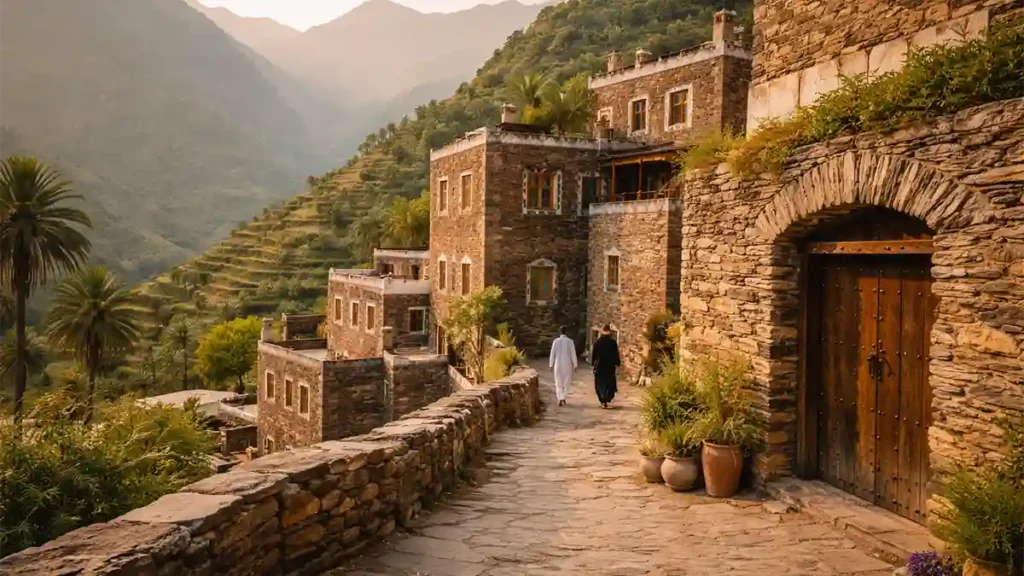
Rijal Almaa is not the kind of place you “do quickly.” It rewards attention. The architecture, the textures, the patterns, and the way the village sits in its landscape create a strong sense of identity.
Why it stands out
- Distinctive stone construction and heritage character
- Aseer’s highland atmosphere makes the whole visit feel cooler and calmer
Best experiences
- Walk through lanes slowly and observe details (doors, stones, angles)
- Pair it with Aseer viewpoints for a day that mixes culture and scenery
- Try local food nearby and treat this as a full afternoon, not a pit stop
Best season
- Most of the year is pleasant compared to lower-altitude regions, but evenings can feel cool in winter
Smart tip
If you enjoy storytelling travel, this is a place where you can imagine lives, not just take photos.
(4) Thee Ain Heritage Village (Al Baha) The White Village on a Ridge
Thee Ain is visually striking because of its bright stone structures and dramatic placement. It looks like a carefully designed set, yet it is deeply rooted in local heritage.


Why it stands out
- Strong “heritage silhouette” views, especially at golden hour
- A rewarding stop for travelers who love history, architecture, and landscape together
Best experiences
- Visit early morning or before sunset for the best light
- Combine with nearby nature viewpoints in Al Baha
- Take time to walk the edges for layered views (not only the central photos)
Best season
- Cooler months for comfortable walking and better light clarity
Smart tip
Bring a light jacket if you visit in winter; the ridge can feel breezy.
(5) Al Ahsa Oasis + Al Qarah Mountain (Eastern Province) Green Saudi, Caves, and Markets
Al Ahsa is a reminder that Saudi is not one landscape. It is palm-filled, heritage-rich, and easy to explore without needing intense adventure skills. Add Al Qarah Mountain and you get caves and viewpoints that work well for families and casual travelers.
Why it stands out
- Oasis scenery and relaxed city rhythm
- Heritage markets and traditional crafts
- Easy add-on stops that do not require harsh hiking
Best experiences
- Explore a heritage market and try local snacks
- Visit Al Qarah’s caves and panoramic points
- Balance cultural stops with quiet green spaces so your day does not feel rushed
Best season
- Autumn through spring is comfortable for longer walking
Smart tip
Al Ahsa is ideal if you want a “soft itinerary”: culture + nature without exhaustion.
(6) Hima Cultural Area (Najran) Rock Art and Ancient Inscriptions
Hima is the kind of destination that changes how you think about history. Instead of reading plaques inside walls, you are standing where people left marks across time. It is powerful, quiet, and meaningful when visited with attention.
Why it stands out
- An open-air archive of inscriptions and rock art
- A deeper cultural experience for travelers who want more than scenery
Best experiences
- Visit with a guide or solid interpretation so the symbols become stories
- Take your time and treat it like a museum without a roof
- Keep it respectful: do not touch rock surfaces or treat them like props
Best season
- Cooler months for comfort
Smart tip
This is not about “one perfect photo.” It is about noticing patterns and imagining routes across centuries.
(7) Uruq Bani Ma’arid (Empty Quarter edge) UNESCO Desert Wilderness and Dark Skies
If you want the desert in its most overwhelming form, this is one of the strongest options. Big dunes, vast horizons, and nights where stars feel close enough to touch.
Why it stands out
- A true wilderness feeling, not a staged desert stop
- Incredible stargazing potential because there is so little light pollution
- A sense of scale that makes everyday stress feel small
Best experiences
- Guided desert drive (strongly recommended)
- Sunset dune views and night sky watching
- Quiet time: the desert is at its best when you let it be quiet
Best season
- Autumn through early spring (avoid extreme heat)
Smart tip
Do not treat remote desert zones casually. Preparation, safety, and responsible travel matter here more than anywhere else on this list.
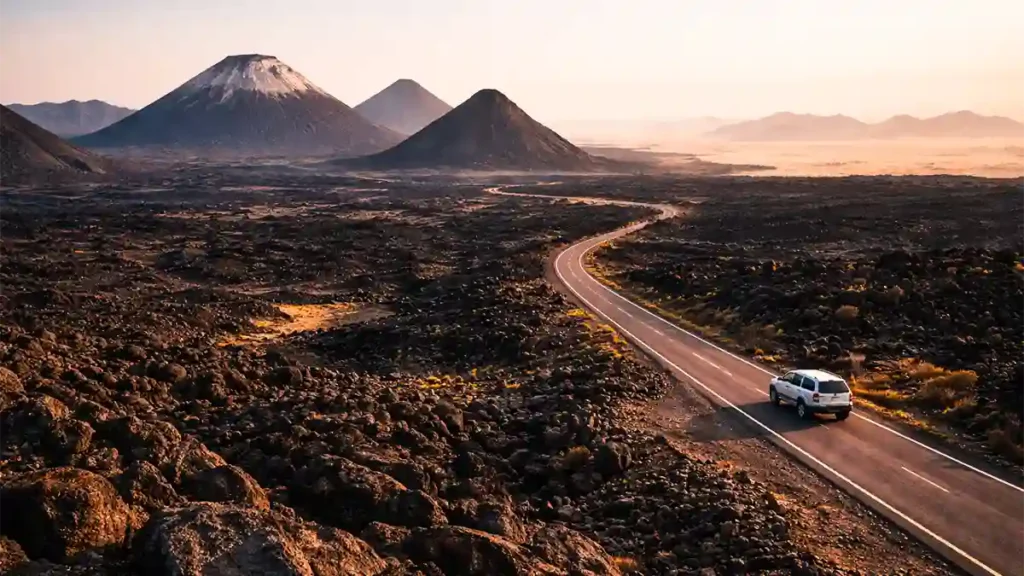
(8) Harrat Khaybar Volcanic Field, Lava Landscapes and “Another Planet” Views
Saudi volcanic scenery surprises many travelers because it is not widely expected. Harrat Khaybar brings black lava fields and dramatic landforms that feel bold and unfamiliar.
Why it stands out
- Distinct geology and high-contrast visuals
- A strong destination for photographers and “I want something different” travelers
Best experiences
- Scenic viewpoints and short walks (wear strong footwear)
- Sunrise or early morning visits for cooler air and cleaner light
- Pair with nearby routes if you enjoy road trips with unusual stops
Best season
- Cooler months, and early in the day
Smart tip
Lava rock can be sharp and unstable. Dress for terrain, not for style.
(9) Rock Art in the Hail Region (Jubbah and Shuwaymis) Ancient Life on Stone
Hail’s rock art sites are not loud attractions. They are quiet places that reward curiosity. You see animals, humans, and scenes that link the region to older routes and older ways of living.
Why it stands out
- Strong cultural depth and a sense of ancient continuity
- A meaningful stop on northern or interior road routes
Best experiences
- Visit with a guide or well-prepared notes so you understand what you are seeing
- Pair with Hail’s desert landscapes for a day of “history plus horizon”
- Keep your visit respectful and preservation-minded
Best season
- Autumn through spring
Smart tip
This is a destination for travelers who value meaning as much as scenery.
(10) Al-Faw Archaeological Area, A Newer Name for Many Travelers
Al-Faw is especially interesting if you love archaeology and old trade-route stories. It is the kind of site people often say they want to visit “one day,” and then never plan properly. If you do plan it, the experience feels rare.
Why it stands out
- Archaeology in a landscape setting, not just a single building
- A strong “under-visited” feeling compared with more famous heritage hubs
Best experiences
- Check access requirements ahead of time
- Combine with a broader route so travel time feels worthwhile
- Bring water, sun protection, and patience for the pace of remote-site visits
Best season
- Cooler months
Smart tip
Archaeological sites are not only about the structures. Pay attention to the surrounding landscape; that context is part of the story.
(11) Wadi Lajab (Jazan) A Green Canyon Adventure
Wadi Lajab is a favorite for travelers who want a nature day with a sense of discovery. It feels like the south’s answer to the “Saudi is only desert” misconception.
Why it stands out
- Canyon-like scenery and greener atmosphere
- A strong pick for light adventure and dramatic photos
Best experiences
- Canyon walking in suitable areas (conditions vary)
- Nature photography and slow exploration
- Pair with Jazan coastal stops or island time if you can extend your trip
Best season
- Cooler months are safer and more comfortable
Smart tip
Avoid risky conditions and always prioritize safety in canyon environments.
(12) Ushaiqer (Najd heritage village) A Calm Step Into Old Najd
Ushaiqer is a heritage stop that feels personal. It is ideal for travelers who want traditional Najdi character without the pressure of a massive itinerary.
Why it stands out
- A quiet heritage atmosphere near major routes
- Great for slow walking, architecture lovers, and cultural travelers
Best experiences
- Walk lanes slowly and appreciate small details
- Go early or late for softer light and fewer people
- Pair with a simple day trip plan that includes good food and relaxed pacing
Best season
- Autumn through spring for comfort
Smart tip
This is a “take your time” destination. The charm is in the calm.
How to Build a Hidden-Gems Trip (Without Overplanning)
Saudi Arabia’s biggest travel challenge is distance. The solution is not to see everything. The solution is to build a theme and commit to it.
Theme ideas (choose one)
- Nature-first: valleys + islands + canyons
- Heritage-first: villages + rock art + archaeology
- Road-trip energy: unusual landscapes + viewpoints + quiet towns
- Family-friendly: oases + caves + easy walks + markets
Once you choose a theme, the planning becomes simple: you pick one region as the base, then add nearby destinations that fit the vibe.
Mini Itineraries (Practical and Realistic)
(A) 4 days: Northwest Nature (Tabuk base)
Day 1: Arrival + rest + local dinner
Day 2: Wadi Al Disah (early start, long slow visit)
Day 3: Flexible scenic day (choose one additional nature stop nearby)
Day 4: Buffer morning + departure
Why it works: you get a signature landscape without turning the trip into a race.
(B) 5 days: Highlands + South Nature (Aseer and Jazan)
Day 1: Abha area viewpoints and a relaxed evening
Day 2: Rijal Almaa (slow culture day)
Day 3: Drive toward Jazan with breaks
Day 4: Wadi Lajab nature day
Day 5: Farasan Islands (or coastal downtime) + departure
Why it works: you mix heritage, mountains, canyon nature, and coastal calm.
(C) 6 days: Heritage + Desert Contrast
Day 1: Riyadh base day (easy start)
Day 2: Ushaiqer day trip
Day 3: Travel day toward your desert/heritage route
Day 4: Rock art or archaeology focus (depending on access and route)
Day 5: Desert night experience (guided where needed)
Day 6: Return + rest + departure
Why it works: you get cultural depth plus the “big landscape” feeling.
Travel Tips That Save You From Common Mistakes
1. Start early (especially for nature)
Hidden gems feel magical when the light is soft and the air is calm. Midday heat and crowds flatten the experience.
2. Pack for terrain, not trends
Good shoes and water beat fashionable outfits every time. Rocky ground, sand, and uneven steps are common.
3. Do not overload one day
Many travelers try to stack stops until everything becomes a blur. Choose fewer places and stay longer.
4. Be guide-smart, not guide-dependent
You do not need a guide everywhere. You do need one when safety, access, or context matters (remote desert zones, rock art, certain archaeological areas).
5. Respect is part of the experience
The fastest way to ruin a heritage or village visit is to treat it like a film set. Quiet, courtesy, and patience unlock better moments.
Quick FAQ
1. What is the best time to explore hidden gems in Saudi Arabia?
October to March is the easiest overall. Summer is best for highlands like Aseer and Al Baha.
2. Are the Farasan Islands only for divers?
No. Many visitors go for boat trips, beaches, mangroves, and a slow island vibe.
3. Which destinations are best for families?
Al Ahsa and Al Qarah Mountain work well because the route is comfortable and activities are easy to manage.
4. Do I need a 4×4 for Wadi Al Disah?
It depends on which sections you plan to explore. Even without deep driving, the valley experience can still be rewarding.
5. Which place feels the most “different” from typical Saudi travel?
Harrat Khaybar’s volcanic scenery feels bold and unexpected, especially if you have only seen desert and city images.
6. Is it safe to visit remote desert areas?
Yes with proper planning. Travel prepared, avoid risky conditions, and use guides for truly remote zones.
7. What is the biggest mistake people make when chasing hidden gems?
Trying to cover multiple regions in one trip. Saudi is large; one region done well beats four regions done quickly.
8. Can I plan a weekend hidden-gems trip?
Absolutely. Choose one region (Riyadh surroundings, Eastern Province, Aseer/Abha area, or Tabuk base) and keep it simple.
Conclusion: The Best Places Are the Ones You Experience Slowly
Saudi Arabia is not a one-note destination, and that is exactly why the hidden gems matter. The famous stops are worth seeing, but the places that stay with you tend to be quieter: a valley where time slows down, a village where architecture tells a story, an island day that feels like a reset, or a desert horizon that changes your sense of scale.
Use this hidden-gems list as a planning tool, not a checklist. Pick one region, choose a theme, and give each place enough time to feel real. That is how the best places in Saudi Arabia turn into your favorite places in Saudi Arabia.
AlUla Travel Guide | Travel Guide to Dubai | Travel Guide to Turkey | Travel Guide to Islamabad


2 Comments