Pakistan’s Most Beautiful Valleys: When to Go + What to Pack
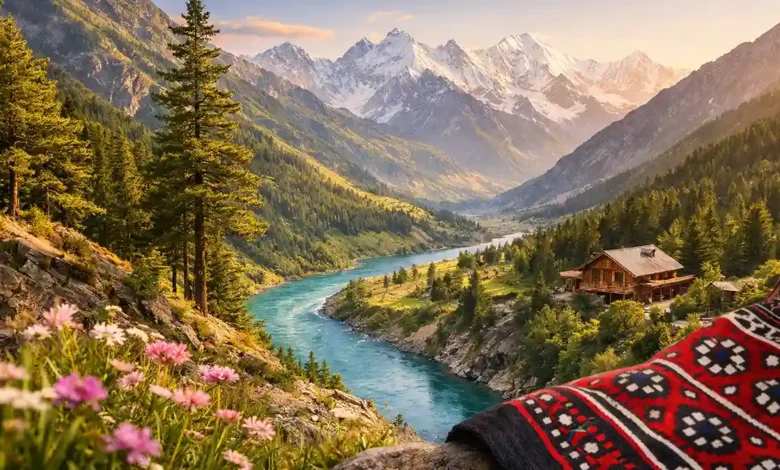
Pakistan most beautiful valleys are not a single destination. They are a collection of landscapes that shift with altitude, weather, and season. One month a valley is covered in blossoms, another month it is deep green, and a few weeks later it can feel crisp, golden, and almost cinematic. That is exactly why planning matters here more than in many other countries.
A perfect trip to northern Pakistan usually comes down to two things:
- Timing: choosing a season that matches your comfort level and what you want to see
- Packing: bringing the right layers and essentials so weather changes do not ruin your day
This article is written for real travelers: first-timers, families, couples, photographers, and anyone who wants an easy, practical guide without guesswork.
Why timing matters so much in Pakistan’s valleys
Northern Pakistan has big altitude differences. A warm day in Islamabad or Lahore can still mean cold nights in Hunza or Skardu. Roads can also be affected by snow, rain, and landslides depending on the month and the route.
Instead of asking, “What is the best time to visit Pakistan?” ask this:
What is the best time for the specific valley I want, and what kind of trip am I planning?
- Want blossoms and soft light for photography? Spring is ideal in many places.
- Want maximum road access and family-friendly travel? Summer and early autumn are easiest.
- Want fewer crowds and dramatic colors? Autumn can be excellent.
- Want snow scenes and cozy winter vibes? Winter is beautiful, but travel becomes more limited.
Quick seasonal guide (simple and realistic)
Spring (March to May): blossoms + fresh green
Best for: blossom season, mild daytime weather, clearer views
Keep in mind: nights stay cold, and occasional rain is common
Summer (June to August): peak access + alpine lakes
Best for: road trips, trekking, long daylight hours
Keep in mind: crowds and higher prices; monsoon rain can affect some routes
Autumn (September to November): golden landscapes + crisp air
Best for: fewer crowds, comfortable hiking, beautiful colors
Keep in mind: nights get cold fast, and high passes can start closing
Winter (December to February): snowfall + quiet valleys
Best for: snow scenery, winter getaways, specific winter sport areas
Keep in mind: closures, icy roads, limited transport options in some regions
What to pack for northern Pakistan (the easiest method)
If you only remember one packing rule, make it this:
The 3-layer system
- Base layer: breathable shirt or thermal (controls sweat and keeps you comfortable)
- Mid layer: fleece or sweater (warmth)
- Outer layer: windproof or waterproof jacket (weather protection)
This system works because the north can switch from sun to wind to cold in a single afternoon.
Pakistan’s most beautiful valleys (with best time to go + packing tips)
Below are the valleys travelers consistently love, along with the smartest time windows and what to pack so you are comfortable.
(1) Hunza Valley: the classic northern dream
Why Hunza stands out
Hunza feels like a picture that keeps changing: terraced farms, apricot trees, and towering peaks that make the valley feel bigger than life. Even if you do not hike, you will still get unforgettable scenery from normal viewpoints and short walks.
Best time to go
- April to June: spring blossoms and fresh colors
- July to August: peak season, warmer days, more crowds
- September to October: autumn colors and crisp evenings
What to pack for Hunza
- Light thermal base layer (especially if traveling in spring or autumn)
- Fleece or sweater for evenings
- Windproof jacket (valley winds can surprise you)
- Sunglasses and SPF (sun can feel strong at altitude)
- Comfortable walking shoes with good grip
- A scarf or shawl (useful for cold, dust, and comfort)
Small but smart: a thermos for tea during viewpoints and long drives.
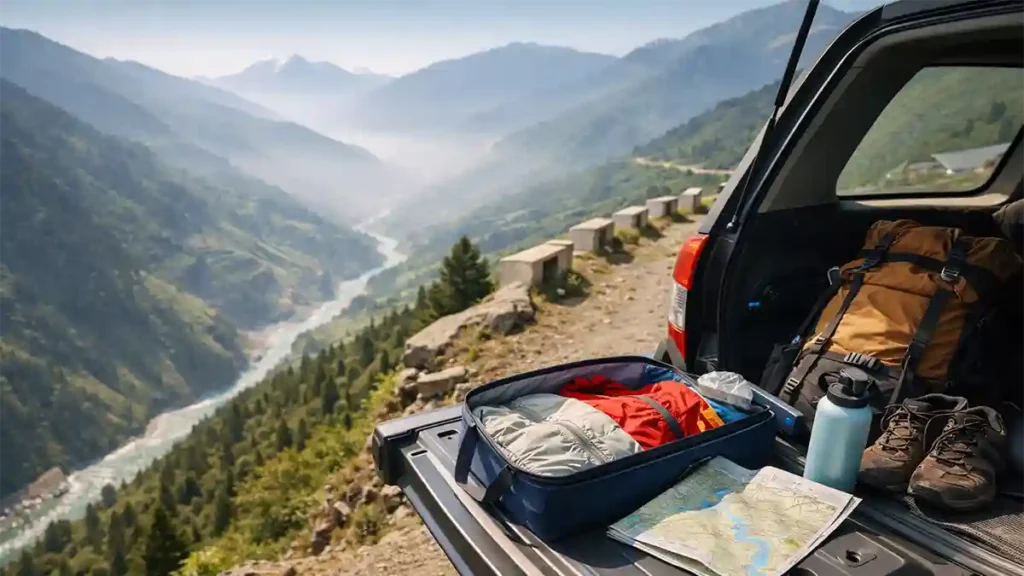
(2) Skardu and Shigar Valley: dramatic landscapes and huge skies
Why it is special
Skardu is not just green forests. It often feels like a high-altitude mountain desert with wide rivers, sharp mountain lines, and strong sunlight. Shigar adds a softer valley vibe with history and calm scenery.
Best time to go
- May to October: easiest for road access and comfortable travel
- Spring: fresh scenes, but nights can still be cold
- Autumn: clear days and fewer crowds
What to pack for Skardu and Shigar
- Moisturizer and lip balm (dry air is common)
- A warm mid-layer for evening temperatures
- A sun hat and sunglasses
- Power bank (long travel days, limited charging at times)
- Motion sickness tablets if you are sensitive on mountain roads
- Refillable water bottle
Tip for photos: keep a lens cloth handy because dust and wind can affect gear.
(3) Neelum Valley: lush river views and forested slopes
Why it is special
Neelum is known for layered green scenery and a river that runs through the valley. It feels soft, misty, and peaceful, especially in early morning.
Best time to go
- April to October: comfortable weather and easier access
- Summer: vibrant green landscapes, but crowds are higher
- Early autumn: less traffic and crisp air
What to pack for Neelum
- Lightweight rain jacket (more useful than an umbrella in wind)
- Shoes with strong tread (many viewpoints involve uneven ground)
- Warm layer for evenings
- Downloaded offline maps
- Dry bags or zip bags for phone and documents
Practical note: plan flexible time, because travel routes can slow in rain.
(4) Swat Valley: easy to reach, hard to forget
Why it is special
Swat is a great choice for first-timers because it offers beautiful rivers, forests, and viewpoints without the longest travel times. It is also easier to plan with many hotel options.
Best time to go
- April to October: mild to warm days for exploring
- Winter: snow scenes in specific areas, especially at higher spots
What to pack for Swat
- Comfortable walking shoes
- Light sweater and an outer shell
- A compact first-aid kit
- If traveling in winter: gloves, beanie, thermal base layer
Family-friendly tip: pack snacks and water for drives; stops can be far apart.
(5) Kaghan and Naran: iconic lakes and summer energy
Why it is special
This region is famous for classic northern road-trip vibes: river views, pine forests, lakes, and busy bazaars in peak season. It is popular for a reason.
Best time to go
- May to September: easiest access for most travelers
- June: a sweet spot with comfortable weather before peak crowds
- Late summer: beautiful, but watch for rain patterns
What to pack for Kaghan and Naran
- Waterproof outer layer
- Extra socks (rain can make shoes damp)
- Zip bags for electronics
- Basic medicines and hydration salts
- Small cash notes for roadside stops
Smart move: start drives early to avoid traffic and get better light for photos.
(6) Kumrat Valley: forest beauty with a wild feel
Why it is special
Kumrat feels more remote and nature-focused. It is ideal for travelers who love pine forests, rivers, and a quieter atmosphere.
Best time to go
- May to September: best access and comfortable temperatures
What to pack for Kumrat
- Headlamp or small flashlight
- Insect repellent (summer can bring mosquitoes in some areas)
- Warm layer for night temperatures
- Wet wipes and sanitizer
- A strong power bank
Reality check: facilities can be simpler, so pack a bit more than you would for a city trip.
(7) Kalash Valleys: culture, color, and a different kind of beauty
Why it is special
Kalash is not only about scenery. It offers one of Pakistan’s most unique cultural experiences. If you time your visit with local festivals, it becomes even more memorable.
Best time to go
- Spring and summer are popular because weather is comfortable and festival timing can align.
What to pack for Kalash
- Modest, comfortable clothing
- Light jacket for evenings
- Cash (ATMs may not always be convenient)
- Respectful attitude for photography (ask before taking close portraits)
Cultural tip: a friendly greeting and patience go a long way in small communities.
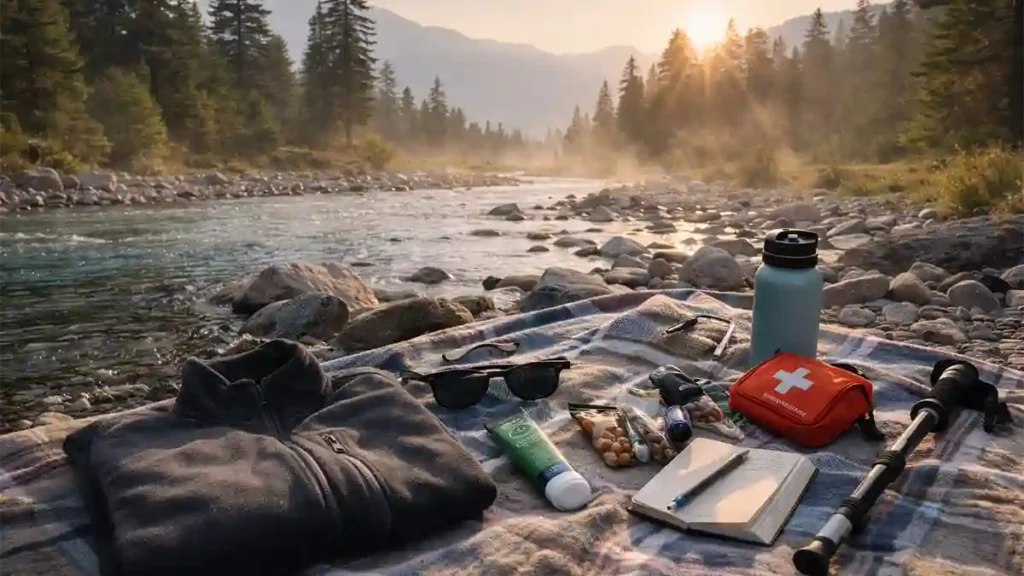
(8) Chunda Valley (near Skardu): blossom season magic
Why it is special
Chunda is famous for springtime blossoms and soft, romantic scenery. It is a beautiful option if you want spring colors without long multi-valley travel.
Best time to go
- Late February to April: peak blossom season
- Early spring mornings: best light and fewer people
What to pack for Chunda
- Spring layering (cold mornings, mild afternoons)
- Comfortable shoes
- Extra camera battery (cold mornings drain batteries faster)
- Light gloves if you get cold easily
The master packing checklist (simple and complete)
Clothing
- 2 to 3 breathable tops
- 1 warm mid-layer (fleece or sweater)
- 1 light puffer or warm hoodie
- 1 waterproof or windproof jacket
- 1 quick-dry pants option
- Scarf or shawl (multi-purpose)
Footwear
- Walking shoes with grip
- Sandals or slides for rest
- Extra socks (more if traveling in rainy months)
Health and comfort
- First-aid kit (bandages, antiseptic wipes, pain relief)
- Personal medicines (pack extra)
- Hand sanitizer, tissues, wet wipes
- Hydration salts for long travel days
Tech and travel tools
- Power bank
- Car charger
- Offline maps downloaded
- Headlamp or small flashlight
- Zip bags or dry bag for electronics
Documents and money
- CNIC or passport, plus a copy
- Hotel confirmations saved offline
- Cash in small notes for local stops
Altitude and road travel (keep it simple, stay comfortable)
Some northern routes climb high enough that altitude can affect travelers, especially if you ascend quickly. You do not need to fear it, but you should respect it.
Easy habits that help:
- Take it slow on day one
- Drink water regularly
- Avoid overexertion immediately after arrival
- Sleep well and eat light
- If someone feels unwell, rest instead of forcing the schedule
This is basic travel wisdom that prevents small problems from becoming big ones.
How to choose the best valley for your travel style
If you want the easiest first trip
- Swat (smooth planning, lots of hotels)
- Kaghan and Naran (iconic road trip experience)
If you want premium scenery and calmer vibes
- Hunza (spring and autumn are excellent)
- Skardu and Shigar (dramatic landscapes)
If you want lush green and misty mornings
- Neelum (best in warmer months and early autumn)
- Kumrat (nature-forward, quieter)
If you want culture plus scenery
- Kalash Valleys (unique experience, especially around festival season)
A realistic planning tip that saves trips
Add a buffer day if possible.
In the mountains, delays happen: traffic, weather, roadwork, or a viewpoint stop that turns into a long photo break. A buffer day makes the trip feel calm instead of rushed.
Quick FAQ
Q1: What is the best month for an all-round valley trip?
September is a great balance for weather, views, and lower crowds.
Q2: Do I need warm clothes in summer?
Yes. Even in July, evenings can feel cold in many valleys.
Q3: Which valley is best for beginners?
Swat or Kaghan-Naran for simple planning and easier access.
Q4: Which valley is best for spring blossoms?
Hunza and Chunda Valley near Skardu.
Q5: What is the biggest packing mistake?
Skipping layers and wearing shoes without grip.
Q6: Is Neelum Valley good for a short trip?
Yes, especially from April to October when access is easier.
Q7: What should I always carry on road trips?
Water, snacks, a power bank, and a light jacket.
Q8: What is one underrated item that helps a lot?
Zip bags or a dry bag to protect phone and documents.
Conclusion: the easiest way to get a perfect valley trip
Pakistan’s northern valleys reward travelers who plan with the season and pack with layers. You do not need complicated gear or a long checklist. You need smart timing, comfortable shoes, a weather-ready jacket, and the small essentials that keep you relaxed when conditions change.
Whether you choose Hunza’s iconic views, Skardu’s bold landscapes, Neelum’s lush river scenery, or Swat’s easy beauty, the result is the same: a trip that feels bigger than photos and stays with you long after you return.





3 Comments