AlUla Travel Guide: Hidden Spots, Budget Tips, and Photo Locations
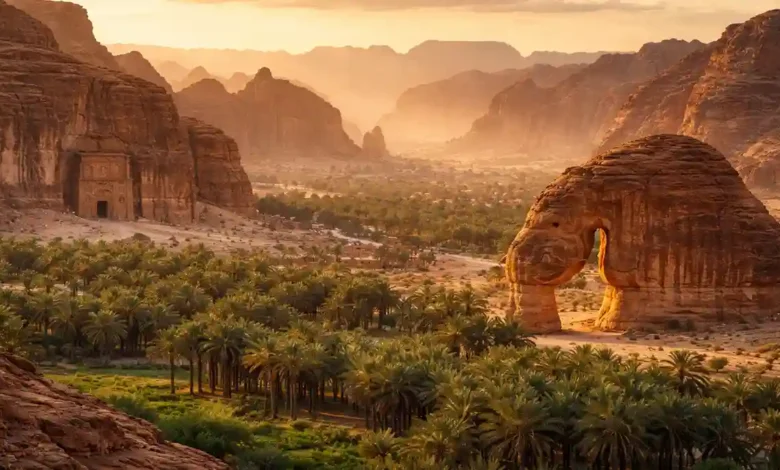
AlUla travel guide here’s the truth: AlUla can feel like a luxury postcard if you only follow the biggest highlights and book every transfer privately. But if you plan it with a little strategy, it becomes one of the most rewarding destinations in Saudi Arabia for both budget travelers and photographers.
AlUla isn’t a single attraction. It’s a full landscape of zones: ancient heritage sites, a living oasis with shaded paths, a historic old town you can wander at your own pace, and desert viewpoints where the light changes the scenery every few minutes. The magic is not only in what you see, but in how you pace it.
This guide is designed to be practical and modern: you’ll get hidden corners that feel quieter than the main stops, realistic ways to save money (without cutting the experience), and a photo-friendly roadmap with timing that actually works in real life.
Why AlUla Feels Different From Other Desert Destinations
A lot of desert trips look similar in photos: dunes, a sunset, and a few dramatic rocks. AlUla is different because it mixes:
- Deep history (monumental tombs, inscriptions, ancient trade routes)
- Living landscapes (date palms, farms, shaded trails in the oasis)
- Design-forward modern Saudi (creative districts, curated experiences, iconic architecture)
- Wild geology (volcanic high points, sculpted sandstone valleys, strange rock formations)
That blend is why AlUla works for different travel styles. You can do a calm cultural trip, a photography-focused trip, or a “Saudi weekend escape” that still feels meaningful.
Before You Go: The Simple Planning Rule That Saves Money and Stress
Most people either under-plan AlUla (and miss key experiences), or over-plan it (and overspend).
The best approach is a three-block plan:
(1) Booked Heritage Block
These are experiences that often require timed entry or official booking.
- Hegra and heritage tours
- Dadan and inscription-focused areas (often guided)
(2) Flexible Free Block
These are the places you can explore without paying for every minute.
- Old Town wandering
- Oasis trails and shaded walks
- Viewpoints and scenic drives
- Arts district evenings
(3) One “Wow” Splurge
Choose just one standout paid experience that matches your style.
- A curated stargazing night
- A special dinner with a view
- A premium one-night stay (only if you want it)
This structure gives you “big AlUla” moments without turning the trip into an expensive checklist.
Best Time to Visit AlUla (Comfort + Light + Value)
AlUla is most enjoyable when you can walk outside for long stretches without fighting heat. The cooler season is typically the sweet spot, with more comfortable evenings and longer outdoor windows.
For photography, timing matters as much as the destination itself. AlUla’s sandstone shifts color dramatically depending on the sun angle. To get the most cinematic results:
Best Light Windows
- Sunrise: soft shadows, fewer people, calm atmosphere
- Golden hour (late afternoon): warm tones, strong texture
- Blue hour (just after sunset): moody, polished images especially in Old Town
- Night: desert skies can be spectacular, especially away from bright areas
If your priority is photos, plan your days around light rather than around lunch.
Getting to AlUla and Moving Around Smartly
Arriving by air
AlUla has an airport, and flight schedules can vary by season. Prices can jump depending on demand and timing, so flexibility helps.
Budget move: If direct flights are expensive on your dates, compare flights to nearby hubs and continue by road (if that suits your schedule and comfort level).
Arriving by road
Driving can be the best value because AlUla is spread out, and the best moments often happen at sunrise or sunset exactly when you don’t want to be negotiating last-minute transport.
Getting around inside AlUla
You generally have three realistic options:
- Rental car (best overall flexibility)
- Taxis / private transfers (easy, but costs add up quickly)
- Seasonal shuttles and tour transport (great when bundled with heritage experiences)
Realistic advice: If you’re doing AlUla for photos and freedom, a car is the easiest way to protect your golden hours and your budget at the same time.
Where to Stay in AlUla (Luxury Feel vs Practical Value)
AlUla stays often fall into two styles:
(1) Experience-led stays (high-end)
These are the famous design-forward stays in dramatic desert settings. They’re beautiful, but they can absorb a big part of your budget quickly.
(2) Town-based stays (best for budget and convenience)
Staying closer to town usually means:
- More affordable nightly rates
- Easier access to everyday services
- More casual dining options
- Faster, cheaper runs for snacks and essentials
The smartest compromise
If you want the luxury vibe but not luxury prices:
- Stay in town for most nights
- Add one special night as a highlight (optional)
That way, the “wow” doesn’t become your entire budget.
The Must-See Places (Still Worth It)
Some AlUla spots are popular because they genuinely deliver.
Hegra (a heritage cornerstone)
Hegra is one of the most important reasons people come to AlUla. Even if you’re not a history person, the scale and detail are unforgettable.
How to enjoy it fully:
- Go earlier in the day for calmer conditions and cleaner photo compositions
- Listen for the story: the architecture makes more sense when you understand the “why”
Photo mindset: treat it like a portrait of history. Wide shots show scale; close shots show craftsmanship.
Maraya (modern icon)
Maraya is famous for its mirrored surface and the way it reflects the desert landscape.
Photo tip: It shines in golden hour and blue hour. Midday light can look harsh and reduce the magic of reflections.
Elephant Rock (easy and iconic)
Elephant Rock is popular because it’s simple and satisfying: dramatic shape, easy access, and great light near sunset.
Best approach: arrive before the sun gets low, walk around to find your angle, then stay into evening for softer tones and fewer crowds.
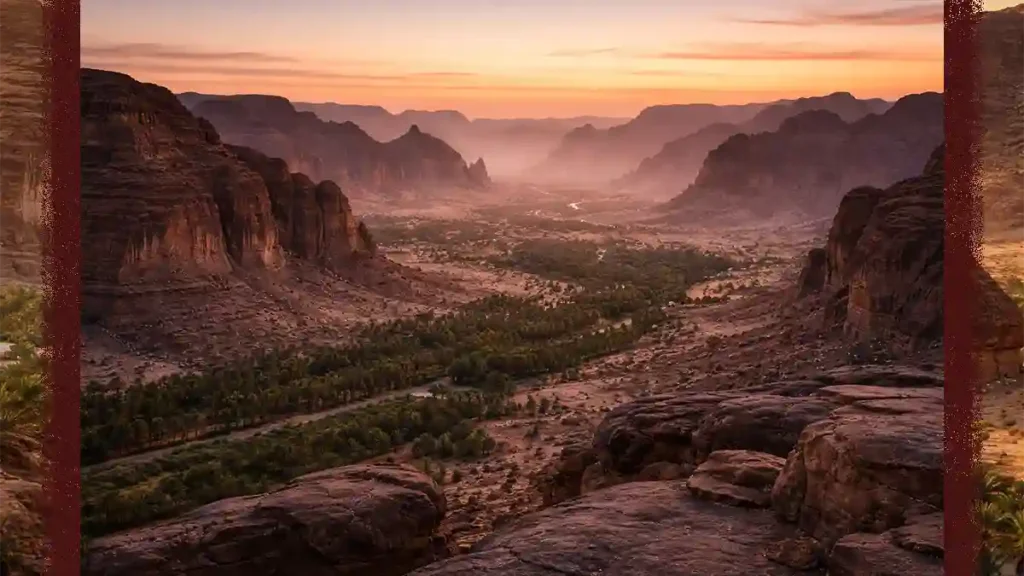
Harrat Viewpoint (panoramic “I can’t believe this is real”)
This viewpoint is one of the best places to understand AlUla’s scale. You’ll see the valley spread out, with layers that look almost painted when the light is right.
Best time: sunset and the minutes after. The most attractive color often shows up after the sun drops.
AlUla Hidden Spots That Feel Quieter (Without Being Risky)
“Hidden” doesn’t mean secret. In AlUla, it often means “people skip it because they rush.”
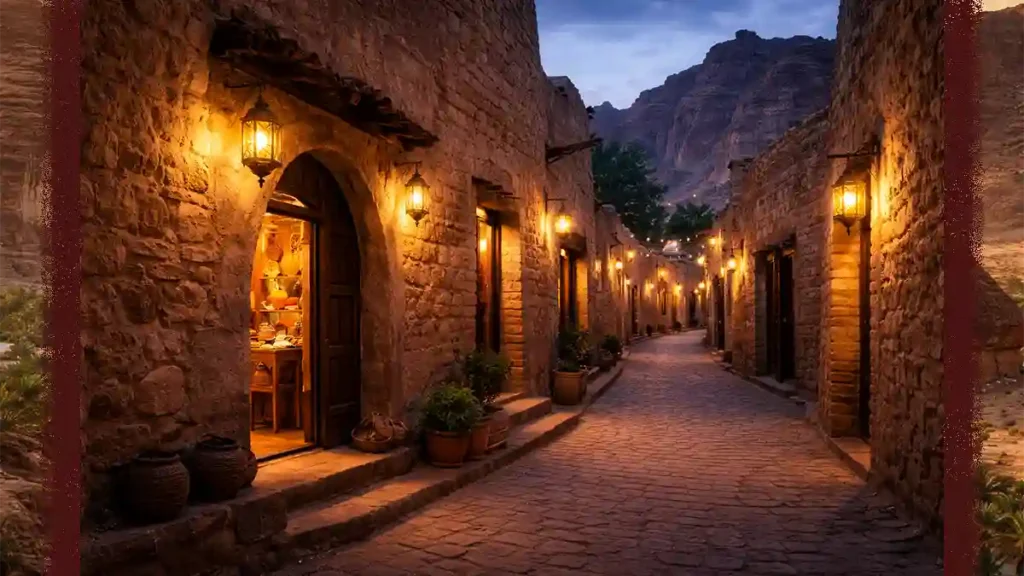
Old Town: don’t just pass through
Old Town is best when you give it time. A quick visit feels like a photo stop. A slow visit feels like a story.
Do it twice:
- Late afternoon for texture and warm tones
- Night for mood, lights, and a more cinematic atmosphere
Hidden-spot trick: step away from the busiest lane and let yourself get slightly lost (while staying in well-lit public areas).
AlUla Oasis: the calm counterbalance
The oasis is the reset button. The temperature feels different under palms. The pace slows naturally.
Best way to experience it:
- Walk in the morning or late afternoon
- Bring water
- Listen for small details: shade patterns, irrigation channels, quiet farm edges
Budget win: It’s one of the best “high-value, low-cost” parts of AlUla.
Dadan and Jabal Ikmah: for travelers who like meaning
These sites often become favorites for people who want more than scenery. Inscriptions and ancient traces give you the feeling that AlUla isn’t just beautiful it’s documented, layered, and human.
Why it feels hidden: it’s less “postcard obvious,” more “you’re discovering something.”
AlJadidah Arts District: modern AlUla energy
If you want a modern evening with cafes, creative vibe, and easy strolling, this is the mood shift that makes your trip feel complete.
Photo tip: early evening works best. Street lights + soft sky = clean, modern shots.
Gharameel: desert shapes and star potential
This area is known for dramatic formations and desert-night atmosphere.
Important: For night outings, prioritize safety. If you’re not experienced with desert driving at night, go with a guided option rather than improvising.
AlUla Budget Travel Tips (Real, Practical, and Not Extreme)
You don’t need to “travel cheap.” You need to travel smart.
(1) Use a “paid + free” daily rhythm
Make one paid heritage block the anchor, then keep the rest flexible:
- Paid heritage in the morning
- Free walking zones in the afternoon
- Sunset viewpoint in the evening
That rhythm keeps the trip rich without paying for every hour.
(2) Stay longer by spending less per day
A common budget mistake is spending heavily to squeeze AlUla into 1–2 days. Often, the best value is adding a day while controlling daily spending:
- More sunsets and better light
- Less rushing (which reduces “last-minute spending”)
- More time to explore free zones
(3) Eat with intention
Do one memorable meal, then keep the rest simple:
- Cafe breakfast
- Picnic snacks for sunsets
- Casual dinners in town
Small savings here can fund a paid experience you’ll remember.
(4) Protect your transport budget
Transport costs multiply in AlUla because sites are spread out. If you rely on transfers for everything, it can quietly become your biggest expense.
Money-saving options:
- Rental car (if you’re comfortable driving)
- Shared rides (when possible)
- Bundled tour transport for heritage areas
(5) Book what sells out, stay flexible on the rest
Heritage experiences can have limited slots, especially in peak season. Book those early. Then keep your evenings and free areas adaptable.
AlUla Photo Locations (With Timing and Composition Tips)
AlUla is generous to photographers, but you still want a simple system.
Photography Rule #1: chase side-light, not brightness
The best AlUla photos usually happen when sunlight hits from the side, revealing texture.
Photography Rule #2: plan for three “photo peaks” daily
- Sunrise (short and powerful)
- Golden hour (long and warm)
- Blue hour (polished and modern)
Now, here are the most rewarding spots.
Hegra: scale + detail
Best light: early morning
Shots to get:
- Wide facade with clean framing
- Close-up detail (carved edges, texture)
- Scale shot (a person at a distance works well if allowed and respectful)
Maraya: reflection storytelling
Best light: golden hour and blue hour
Trick: expose carefully for highlights so reflections don’t blow out.
Creative idea: shoot from angles where the building visually “disappears” into the landscape.
Elephant Rock: classic for a reason
Best light: late afternoon into night
Composition move: add foreground elements to create depth and avoid flat shots.
Harrat Viewpoint: the full valley statement
Best light: sunset into the afterglow
What to capture: layered valley lines and color transitions.
Pro feel tip: wait 10–15 minutes after sunset for softer tones.
Old Town: texture and mood
Best light: late afternoon for texture, night for atmosphere
Shot ideas:
- Leading lines in alleyways
- Doorways as natural frames
- Light vs shadow contrast for editorial style
Oasis trails: green against stone
Best light: morning or late afternoon
What works: calm, minimal compositions with palms, shade patterns, and subtle human elements (paths, walls, water channels).
AlJadidah: modern color and lifestyle
Best light: early evening
What to capture: murals, cafe scenes, clean street textures.
Itineraries That Actually Work (2, 3, and 5 Days)
2-Day AlUla Plan (First-timer friendly)
Day 1
- Morning: Hegra (booked heritage experience)
- Afternoon: Maraya photo stop
- Sunset: Harrat Viewpoint
- Night: Old Town walk
Day 2
- Morning: Dadan + Jabal Ikmah (heritage storytelling)
- Afternoon: Oasis trail walk
- Sunset: Elephant Rock
- Evening: AlJadidah for food and a relaxed finish
3–4 Days (Best balance of depth and ease)
Add:
- A second Old Town session (day + night)
- A dedicated photo evening for Maraya
- A guided night experience (stargazing or desert-focused activity)
5 Days (Photography pace + no rushing)
This is ideal if you want:
- Multiple attempts at iconic shots in different light
- Extra downtime in the oasis
- Space for unexpected discoveries
What to Pack (Small List, Big Impact)
Essentials
- Comfortable walking shoes
- Light layers for evenings
- Sun protection (hat, sunglasses, sunscreen)
- Water bottle (especially for trails and viewpoints)
For creators
- Phone tripod or compact tripod (optional)
- Lens cloth (desert dust is real)
- Power bank (you’ll shoot more than you think)
Respectful Travel Tips (Simple, Helpful, and Real)
AlUla is a heritage-heavy destination. Your experience improves when you travel with care:
- Avoid touching carvings and sensitive heritage areas
- Don’t climb structures or protected formations
- Keep drone rules in mind (only if legally permitted)
- Ask before photographing people closely
- Leave no trace especially in desert areas
Respect isn’t just etiquette here. It protects the places that make AlUla special.
Quick FAQ
Is AlUla good for budget travelers?
Yes- mix paid heritage experiences with free zones like the oasis, Old Town, and viewpoints.
Do I need to book heritage visits early?
Often yes, especially in peak season. Book key heritage blocks first.
Best sunset spot in AlUla?
Harrat Viewpoint is the classic panoramic choice.
Best easy photo location?
Elephant Rock near golden hour is simple, iconic, and consistently photogenic.
Is AlUla worth more than 2 days?
Absolutely. 3-4 days gives you better light, less rushing, and more hidden moments.
Conclusion: The Secret to an Unforgettable AlUla Trip
The best AlUla trips have one thing in common: they don’t feel rushed.
Use structure for what needs it (heritage experiences), then give yourself time for what makes AlUla feel personal: slow Old Town evenings, quiet oasis walks, golden-hour detours, and viewpoints where you can sit and actually absorb the landscape.
If you do that, you won’t just “see AlUla.” You’ll understand why people leave with photos that look unreal and memories that feel even bigger than the pictures.




One Comment