Natural Beauty of Swat: A Detailed Report on Valleys, Rivers, Forests, and Alpine Lakes
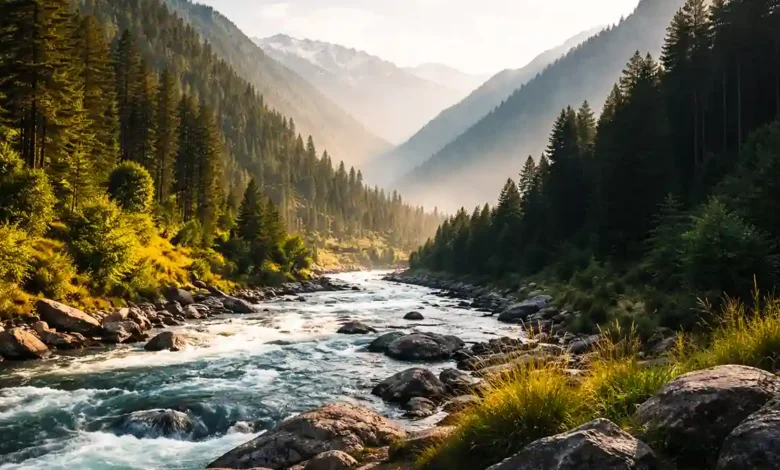
Natural beauty of Swat is not a single view you “check off.” It is a complete landscape that keeps changing as you move through it: a river that shifts from gentle to roaring, forests that grow darker and denser with altitude, villages sitting on terraces like balconies over the valley, and high meadows that appear in summer like green islands between rugged mountains.
If you have ever seen photos of Swat and wondered whether the place is truly that beautiful in real life, the honest answer is yes, but with a detail that matters: Swat’s beauty is not always loud. Sometimes it is dramatic, sometimes it is subtle, and often it is tied to small moments that a rushed traveler misses. A quiet sunrise in Kalam. A cold gust by a lake that smells faintly of pine. The soft sound of water moving under a wooden bridge. These are not “tourist points.” They are what make the valley feel alive.
This report explores Swat from the ground up. We will look at why Swat looks so green, how the river system shapes the entire valley, which natural zones give Swat its famous scenery, how seasons transform the region, and what responsible travel looks like in a place that is both loved and vulnerable.
(1) Why Swat Looks So Beautiful: Geography, Water, and Altitude
Swat sits within a mountainous region where altitude rises quickly. That matters because altitude controls two things that create natural beauty:
- Temperature: Higher places are cooler, which supports different kinds of trees and plants.
- Water flow: Snowmelt and springs feed streams and rivers, and water is the reason Swat stays so visually lush compared to many nearby regions.
Think of Swat as a long, scenic corridor. In the lower valley, you see cultivation, orchards, and riverbanks lined with poplar and other common valley trees. As you climb higher toward areas like Bahrain and Kalam, the air cools and the landscape shifts into deeper conifer forests, side valleys, and cold streams. Above that, the terrain becomes more alpine: meadows, glacial-fed water, and seasonal access routes that open mainly in warmer months.
This “vertical variety” is a key reason Swat feels like multiple destinations inside one region. A person can experience spring-like warmth in one town and, within a few hours, stand in a place where evenings require a jacket.
(2) Swat River: The Valley’s Lifeline and Its Most Photogenic Feature
Every landscape has a signature element. For Swat, it is water, and more specifically the Swat River. The river is not just an attraction; it is the system that shapes the valley’s sound, color, and rhythm.
What makes the Swat River visually special?
- Movement: River water adds life to a valley scene. A still valley can look “flat” in photos, but a river brings energy.
- Reflections: On calm sections, the river mirrors the mountains and trees, creating natural symmetry.
- Riverbanks: The edges of the river often carry a different shade of green, especially in warmer months.
- Changing character: In some areas the river is wide and gentle; in others it narrows and rushes through rocky channels.
A practical note: Swat’s rivers can be deceptively strong, especially after rainfall or during heavy snowmelt periods. If you are traveling for nature photography or picnics, stay cautious near unstable riverbanks and avoid stepping onto loose gravel beds that can shift.
(3) The “Swat Valley Landscapes” People Fall in Love With
Swat’s natural beauty is famous because it offers multiple scenic styles, each with its own mood:
(A) River-valley scenery
This is the classic “green valley with a silver river” look. You get it on routes where the river runs parallel to the road and the valley opens wide enough to show layered hills behind it.
(B) Forest slopes
In many sections, forests climb up the mountainside like a green blanket. These slopes look especially powerful in early morning light, when mist sits low and the trees appear darker and richer.
(C) Alpine zones
Upper Swat introduces the “high mountain” feeling: thin air, cooler winds, sharper shadows, and water that looks colder and clearer.
(D) Meadow-and-lake scenery
This is the dream version of Swat many people imagine: an open meadow, a calm lake, and trees framing the view like a natural border.
The magic is that you can experience all these styles in one trip if your route includes both lower and upper areas.
(4) Kalam Valley: The Gateway to Upper Swat’s Wild Beauty
Kalam Valley is often the point where travelers feel the atmosphere shift. The air becomes cooler, the river becomes a stronger presence, and the surrounding mountains look closer and taller.
What makes Kalam truly attractive is not only what you see, but what you feel:
- The temperature drop is real, especially at night.
- Pine scents become noticeable on certain roads and trails.
- Mornings can be misty, creating a soft, cinematic look.
Kalam is also a practical base for exploring upper regions because many natural highlights branch out from here. If your goal is scenery rather than shopping or city-style travel, this area is where Swat begins to feel like a full nature destination.
(5) Mahodand Lake: A Place That Looks Unreal, Yet Natural
Among all the famous spots, Mahodand Lake stands out because it combines four visual elements in one frame: water, forest, meadow, and mountain ridges.
Why Mahodand feels iconic
- Water color and clarity: Depending on sunlight and season, the lake can look deep blue, greenish, or turquoise.
- Natural framing: Pine trees and the surrounding slopes create a “border” that makes photos look composed even without effort.
- Meadow texture: The grassland around the lake adds softness and a sense of calm.
Mahodand is often most beautiful early in the day. Later, activity can increase and the water surface can look busier. If you want that quiet “nature documentary” mood, go early and give yourself time to sit without rushing.
(6) Ushu Forest: The Deep Green Side of Swat
Ushu Forest is one of the most memorable forest experiences in Swat’s upper region. Forest beauty is not only about tall trees; it is about depth, shadow, scent, and sound.
In a dense conifer forest, light behaves differently. Sunbeams become narrow and dramatic. The ground often looks darker. Even small streams sound louder because the trees block other noise. For visitors, this feels calming and slightly mysterious in the best way.
What to look for in a forest experience
- Layers of trees: tall trunks, mid-level branches, and low shrubs
- Changes in light: bright patches and deep shade
- Natural sound: birds, wind, and distant water
- The coolness: forests create their own micro-climate
If you want modern, editorial-style photos, forests are excellent because they create strong contrast and natural depth. Just keep your scenes clean: avoid cluttered frames and focus on one clear subject (a path, a trunk line, a stream bend).
(7) Miandam Valley: Where Nature and Village Life Blend Beautifully
Miandam Valley is often admired for a reason that goes beyond scenery: it shows how human life can sit inside a natural landscape without overpowering it. You see homes, fields, and trees sharing space rather than competing.
This is the kind of beauty that feels authentic:

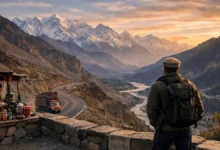


- Terraced fields that follow the slope naturally
- Pathways connecting small settlements
- Forested backgrounds that make villages look like part of the valley, not a separate layer
Miandam’s charm is also seasonal. In warmer months the greens look brighter and the valley feels fresh. In cooler months, the tone becomes quieter and more muted, which can feel just as beautiful if you like calm travel.
(8) Malam Jabba: A Different Kind of Natural Beauty
Malam Jabba is known for its winter atmosphere and scenic mountain views. While people often connect it with skiing, you do not need to ski to appreciate the landscape.
What makes Malam Jabba visually special
- Mountain ridges that look sharper in winter light
- Forest slopes that feel structured and clean
- Snow seasons that transform the same hills into a completely new world
If your idea of beauty includes snow, crisp air, and quiet mountains, Malam Jabba is one of Swat’s strongest options.
(9) Meadows, Streams, and Waterfalls: The “In-Between” Beauty That Feels Personal
A lot of Swat’s best nature moments are not famous landmarks. They are small scenes:
- A stream crossing under a roadside bridge
- A meadow opening between two forested ridges
- A hidden viewpoint where the valley suddenly widens
- A waterfall you hear before you see
Waterfalls like those found in different parts of Swat attract people for a simple reason: they compress nature into a high-impact moment. Moving water, rock texture, and greenery create instant drama.
If you want your trip to feel rich, don’t plan only for the big names. Leave room in your day for stops that are not on a checklist. Often, the most memorable photo you take is the one you did not expect.
(10) Biodiversity and Living Beauty: Forests Are Not Just “Green”
Swat’s landscape is beautiful because it is alive. Even if you are not a wildlife expert, you can feel biodiversity in small ways:
- Bird calls in early morning
- Butterflies and wildflowers near meadows
- Changes in plant types as you climb higher
- Cooler, wetter pockets near streams
In many mountain regions, biodiversity increases where habitats overlap: river edges, forest boundaries, meadow transitions, and valley terraces. Swat has many such “edge zones,” which is why it can feel rich and layered.
Trout, rivers, and nature tourism
Upper Swat is often associated with cold-water fish like trout. Whether you fish or not, the idea matters: cold, clean water supports life, and that life becomes part of Swat’s identity. Responsible tourism should protect that by reducing plastic waste and avoiding harmful activity near water channels.
(11) Seasons in Swat: The Real Answer to “Best Time to Visit Swat”
People ask best time to visit Swat as if there is one perfect season. The better answer is: the best time depends on what you want to see and how you like to travel.
Spring (roughly March to May)
- Fresh green hillsides
- Comfortable temperatures in many areas
- Wildflowers begin to appear, especially as you move higher
Spring is excellent for travelers who want nature without extreme crowds and without deep winter cold.
Summer (roughly June to August)
- Best access to upper valleys, lakes, and high meadows
- Longer days for travel and photography
- Peak tourism season in many spots
Summer is best if your goal is alpine scenery, but it requires smart planning. Start early, avoid weekend congestion if possible, and keep a flexible schedule in case of rain episodes.
Autumn (roughly September to November)
- Clearer skies and sharp visibility
- Golden tones in certain areas
- Cooler nights and comfortable daytime travel
Autumn is a favorite for photographers because the light tends to be clean and the atmosphere feels calm.
Winter (roughly December to February)
- Snow experiences in higher areas
- Quiet travel mood in many zones
- Strong contrast: white snow against dark forest
Winter is best for travelers who love dramatic landscapes and don’t mind colder conditions.
Simple rule: If you want lakes and meadows, aim for warmer months. If you want snow and silence, winter is your season. If you want comfortable travel with strong views, spring and autumn are your sweet spots.
(12) A Short “Field Report” Style Snapshot: What a Perfect Nature Day in Swat Feels Like
To make this report practical, here is a realistic nature day that matches Swat’s rhythm:
Morning (6:30 to 10:30)
Start early in an upper valley. The air is crisp, the light is soft, and the river is at its most photogenic. You will notice fewer vehicles and cleaner soundscapes.
Midday (11:00 to 2:30)
Move into a forest zone like Ushu-style landscapes or a similar conifer stretch. Forest shade makes midday heat easier, and you can take clean editorial photos using natural contrast.
Afternoon (3:00 to sunset)
End at an open viewpoint or meadow. This is when mountains look layered and the sky color becomes warmer. If you are near water, sunset reflections can be surprisingly strong.
This approach works because it respects how nature looks at different times of day. Swat’s beauty is not only “where.” It is also “when.”
(13) The Real Challenges: Keeping Swat Beautiful
A professional report should not ignore reality. Swat’s popularity is increasing, which is good for livelihoods, but it creates pressure on the environment.
Common risks in mountain destinations include:
- Litter and plastic waste near rivers and picnic points
- Overcrowding in sensitive areas
- Tree cutting and forest pressure
- Riverbed disturbance in certain places
- Noise pollution that disrupts wildlife
What responsible visitors can do (simple, high-impact)
- Carry a small trash bag and take your waste back with you
- Avoid throwing food scraps into water (it changes water quality and wildlife behavior)
- Stay on safer, stable paths near rivers
- Respect forests: do not break branches or carve into trees
- Choose local guides and local stays when possible (better safety, better local benefit)
Swat does not need “perfect tourists.” It needs mindful tourists. If each visitor improves behavior by even 20 percent, the valley’s natural beauty remains stronger over time.
Quick FAQ
1. Why is the natural beauty of Swat so famous?
Because it combines rivers, forests, meadows, and high mountains in one valley, with scenery that changes fast as you travel upward.
2. What are the top nature spots in Swat for first-time visitors?
Many travelers prioritize Kalam Valley, Mahodand Lake, forest zones like Ushu, Miandam Valley, and scenic mountain areas like Malam Jabba.
3. What is the best time to visit Swat for alpine lakes and meadows?
Late spring and summer are generally best for access to high routes, lakes, and open meadows.
4. What is the best time to visit Swat for snow scenery?
Winter is ideal if you want snow-covered slopes and a colder, quieter travel mood.
5. Is Swat suitable for family nature trips?
Yes, many areas are family-friendly, especially river viewpoints and accessible valleys. For higher routes, plan safely and avoid risky river edges.
6. How can I take better nature photos in Swat?
Start early, use soft morning light near rivers, shoot forests at midday for contrast, and save viewpoints for late afternoon warmth.
7. What should I pack for a nature-focused Swat trip?
Comfortable shoes, a warm layer (even in summer nights), rain protection, a refillable bottle, and a small trash bag.
8. How can tourists help protect Swat’s environment?
Avoid littering, reduce plastic use, respect forests and wildlife, and support local eco-guides and responsible stays.
(14) Final Thoughts: Why Swat Feels Unforgettable
Swat’s beauty is not a marketing slogan. It is geography made emotional. The valley offers what modern life often removes: clean air pockets, quiet mornings, forests that look ancient, water that never stops moving, and a sense that nature is still in control.
The most accurate way to describe Swat is this: it is a place where landscapes change with altitude, and emotions change with light. If you travel slowly, pay attention, and respect the environment, Swat does not just look beautiful. It feels beautiful.




One Comment