Inflation in Pakistan: Causes, Impact, & Solutions
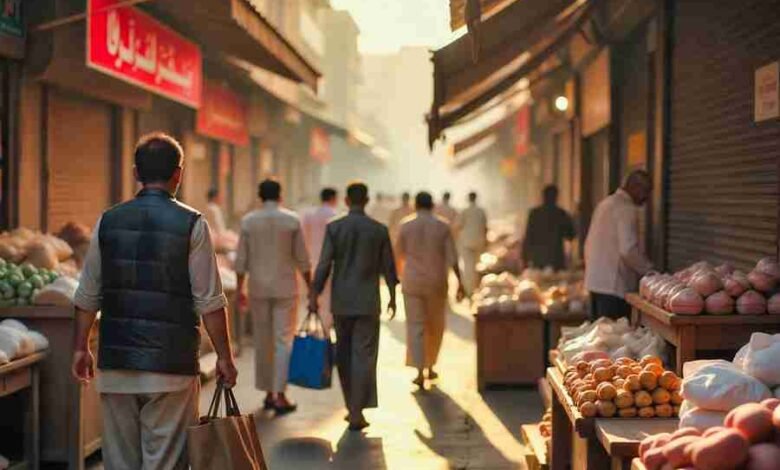
Inflation in Pakistan has become one of the most pressing challenges for both citizens and policymakers. From grocery store prices to electricity bills, the cost of living seems to rise almost every day. While inflation is a global issue, Pakistan’s situation is especially severe due to a mix of economic mismanagement, political instability, and dependency on imports. To understand how Pakistan can overcome this crisis, it’s essential to examine the underlying causes, the effects on society, and the practical steps that can lead toward stability.
Understanding Inflation in Pakistan
Inflation simply means a rise in the general price level of goods and services. In Pakistan, inflation is often driven by import dependency, currency depreciation, energy costs, and weak fiscal policies.
According to the Pakistan Bureau of Statistics (PBS), inflation peaked above 25% in 2023, and even in 2025, the rate remains in double digits one of the highest in South Asia. The Pakistani rupee’s sharp devaluation against the US dollar and heavy reliance on imported fuel and food products have made everyday essentials more expensive.
Major Causes of Rising Inflation
1. Currency Devaluation
One of the key drivers of inflation in Pakistan is the falling value of the Pakistani rupee. As the rupee weakens, imports become costlier and since Pakistan imports petroleum, machinery, and food items, prices increase across the board.
2. Energy Price Hikes
Electricity and fuel prices have skyrocketed due to rising global oil rates and reduced government subsidies. Higher transport and production costs eventually lead to increased prices for all goods and services.
3. Supply Chain Disruptions
Poor infrastructure, floods, and disruptions in agricultural supply chains contribute to shortages of food items, pushing prices upward. Seasonal price hikes in vegetables and grains have become routine.
4. Fiscal Deficit and Over-Borrowing
The government’s large fiscal deficit and reliance on domestic and international borrowing have worsened inflation. When the government prints more money to cover expenses, it reduces the currency’s purchasing power leading to inflationary pressure.
5. Political Instability and Policy Inconsistency
Frequent changes in government and inconsistent economic policies discourage investment and lead to uncertainty in markets, which further weakens economic stability.
Impact on Ordinary Citizens
Inflation in Pakistan affects every household.
- Food insecurity is rising as lower-income families struggle to afford essentials.
- Middle-class households are being pushed toward poverty as their purchasing power declines.
- Unemployment and business closures are increasing due to reduced consumer spending.
According to a 2024 report by the Asian Development Bank, nearly 40% of Pakistanis are facing financial stress caused by rising prices and stagnant incomes.
What Is the Solution?
To control inflation in Pakistan, a multi-dimensional and long-term strategy is needed not just short-term relief measures.
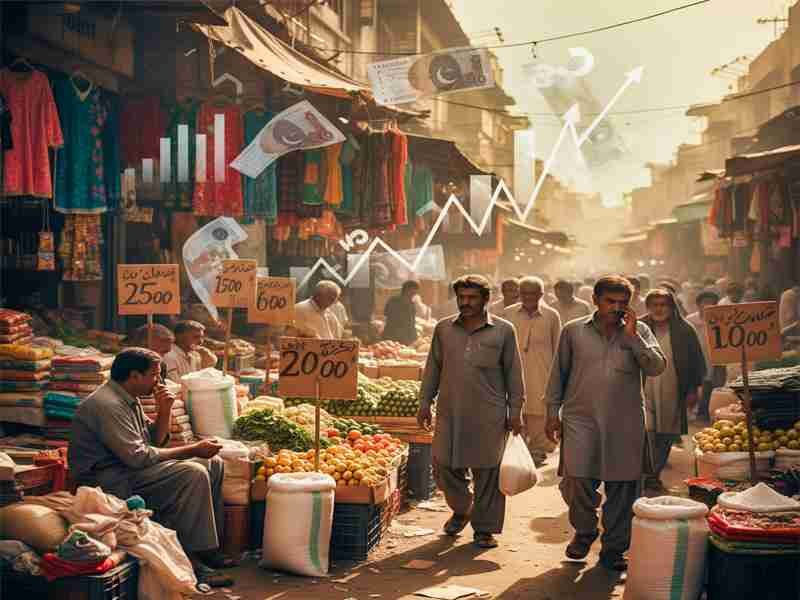
1. Strengthen the Currency and Exports
Pakistan must boost exports by supporting industries like textiles, IT services, and agriculture. When exports rise, foreign reserves grow which helps stabilize the rupee and control imported inflation.
2. Control Government Spending
Reducing unnecessary government expenditure, cutting subsidies on non-essential sectors, and focusing on fiscal discipline are crucial to curbing inflation. The government must reduce budget deficits rather than printing more money.
3. Promote Local Production
Encouraging local manufacturing and agriculture can reduce dependency on imports. Investment in agriculture technology, food processing, and renewable energy would make Pakistan more self-reliant and less vulnerable to global price shocks.
4. Improve Governance and Policy Continuity
Political stability and consistent economic policies are vital. Investors and businesses need confidence that rules won’t change overnight. Long-term strategies should be designed collaboratively between government, opposition, and industry experts.
5. Expand the Tax Base
Instead of burdening the existing taxpayers, Pakistan should focus on bringing the informal sector into the tax net. A fair and efficient tax system increases revenue and reduces the need for borrowing.
6. Strengthen the State Bank’s Role
The State Bank of Pakistan (SBP) should maintain an independent and proactive role in managing interest rates and monetary policy to keep inflation under control. Transparency in monetary decisions builds confidence among investors and citizens alike.
Examples from Other Countries
Countries like Vietnam, Bangladesh, and Malaysia faced similar inflation challenges in the past. By improving exports, maintaining stable monetary policies, and investing in industrial growth, they managed to stabilize their economies. Pakistan can learn from their models to achieve sustainable economic recovery.
Conclusion
Inflation in Pakistan is not just an economic issue it’s a social challenge that affects every citizen’s quality of life. While there’s no overnight fix, consistent and disciplined policies can turn the tide. By focusing on local production, currency stability, and governance reforms, Pakistan can regain economic balance and protect its people from the burden of rising prices.
The road to recovery requires patience, transparency, and collective effort but with the right vision, Pakistan can move from inflation to prosperity.






3 Comments