Pakistan’s Push to Double Digital Payments by 2026
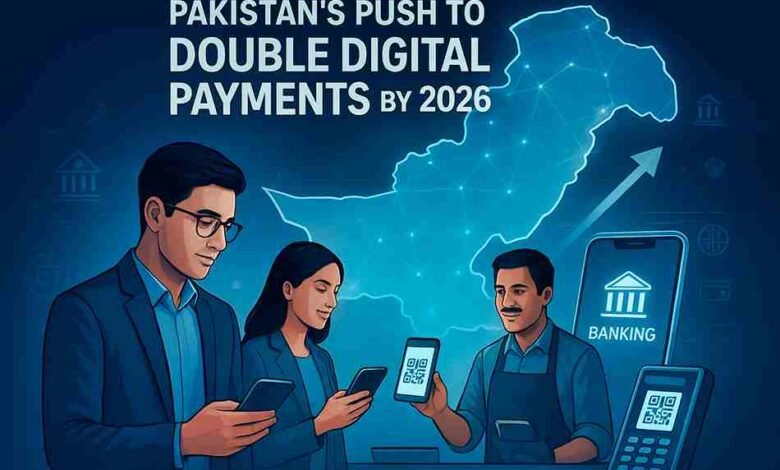
Over the past few years, Pakistan has been quietly but steadily laying the foundation for a major shift in how people move, manage, and spend money. While the country has long relied on cash for most transactions, a dramatic transformation is now underway one driven by government policy, growing fintech innovation, and a public increasingly comfortable with mobile technology.
At the center of this transformation is Pakistan’s push to double digital payments by 2026, an ambitious but achievable national goal led by the State Bank of Pakistan (SBP) and supported by both public and private stakeholders. The effort aims not just to modernize the financial system, but also to fuel economic growth, enhance transparency, and make financial services more accessible to millions.
This article takes a deep, well-researched look into the strategies, statistics, challenges, and future outlook behind Pakistan’s digital payments revolution.
Why Digital Payments Matter Now
For decades, Pakistan has been a heavily cash-dominant economy. Most everyday transactions from grocery shopping to bill payments have traditionally involved physical currency. But as the global trend moves toward digital, Pakistan has recognized the need to evolve.
Digital payments are no longer just a convenience; they are the backbone of a modern digital economy. They help governments reduce corruption, enable small businesses to grow faster, and allow citizens to save time, money, and effort.
Countries like India, China, and Singapore have shown how digital payments can unlock massive economic opportunities. Pakistan aims to follow a similar trajectory, with the State Bank’s strategy to double digital payments by 2026 marking a major turning point.
Section 1: The Vision Behind Pakistan’s Push to Double Digital Payments by 2026
Pakistan’s digital-payment expansion is part of a broader, long-term vision to transition toward a more inclusive, technology-driven economy.
1. The State Bank’s Digital Payment Roadmap
SBP’s Digital Pakistan initiative has set multiple targets, including:
Boosting the number of digital transactions in both public and private sectors
Expanding financial inclusion
Encouraging the adoption of mobile wallets
Developing a modern digital infrastructure
These targets are grounded in the belief that modern economies thrive when payments are fast, secure, and transparent.
2. Reducing Cash Dependency
Cash handling is expensive. Printing, transporting, and securing currency drains national resources. Digital payments reduce these costs while improving visibility into the economy.
By doubling digital payments, Pakistan aims to:
Reduce the size of the informal economy
Increase tax revenues
Strengthen monetary policy systems
3. Aligning With Global Digital Trends
From e-commerce to gig-economy services, the world is moving cashless. Pakistan wants to ensure its economy remains competitive, especially as cross-border digital trade grows.
Section 2: Key Drivers Accelerating Pakistan’s Digital Payment Growth
Pakistan’s digital-payment rise is not happening in isolation several powerful forces are pushing the shift.
1. Rapid Growth of Mobile Internet
Pakistan has over 125+ million mobile broadband subscribers. Affordable smartphones and cheaper data packages have created a large population ready for digital financial services.
This mobile-first transformation is the backbone of the country’s fintech boom.
2. Fintech Innovation and Digital Banking
Dozens of fintech startups like Easypaisa, JazzCash, SadaPay, NayaPay, and Zindigi are reshaping financial access. These companies are:
Offering no-fee digital accounts
Providing instant money transfers
Enabling QR-based payments
Offering savings, cards, and budgeting tools
Their competitive ecosystem encourages innovation, benefiting millions of users.
3. Government Initiatives and Regulatory Support
The government’s push is equally significant. Policy steps include:
Enabling digital KYC for account opening
Promoting Raast, Pakistan’s instant payment system
Encouraging e-governance and e-payments for taxes, utility bills, and salaries
Supporting small businesses to go digital through incentives
The regulator’s openness to digital-only banks is another major milestone.
4. Raast: Pakistan’s Game Changer
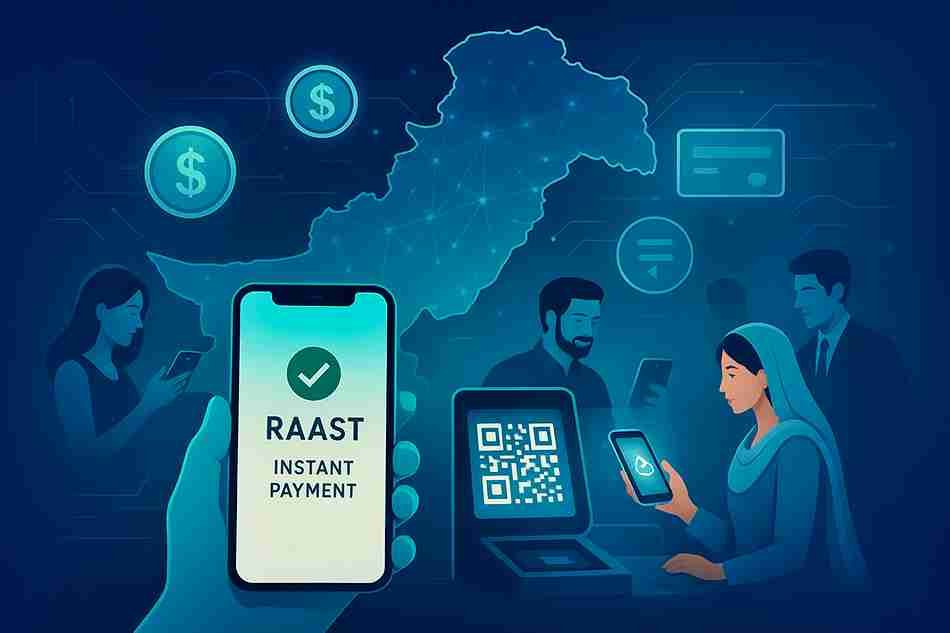
Raast, launched by SBP, is Pakistan’s first real-time payment system. It allows:
Instant, free interbank transfers
QR code payments
Merchant settlements
Salary and bulk payments
Its user-friendly design makes it easier for people to leave cash behind.
5. Rise of E-Commerce and Digital Marketplaces
Platforms like Daraz, Foodpanda, and online grocery services are becoming popular. These platforms:
Encourage digital payments
Build user trust
Push merchants to adopt digital tools
Reduce reliance on “cash on delivery”
Pakistan’s e-commerce market is expected to grow substantially by 2026, naturally increasing digital payment adoption.
Section 3: Case Studies: How Digital Payments Are Transforming Lives
Real-world examples show the actual impact of digital payments.
Case Study 1: Small Retailers Going Digital
A shopkeeper in Karachi or Lahore can now:
Accept QR payments from customers
Receive instant settlements
Manage accounts digitally
Order inventory online
This shift makes operations smoother and more profitable.
Case Study 2: Women and Financial Inclusion
Digital accounts are allowing women to access financial tools without visiting bank branches an important step for gender inclusion. Digital wallets offer:
Privacy
Security
Convenient remittances
This opens pathways to entrepreneurship and savings.
Case Study 3: Government to Person (G2P) Payments
During crisis and welfare programs, digital payments prevent fraud and ensure transparency. The Ehsaas program, for example, successfully delivered billions through digitally verified channels.
Section 4: Challenges in Pakistan’s Push to Double Digital Payments by 2026
Despite strong momentum, several challenges remain.
1. Trust and Awareness
Many people hesitate to shift from cash due to:
Lack of awareness
Fear of fraud
Low digital literacy
Awareness campaigns are essential to change habits.
2. Cybersecurity Risks
As digital payments grow, so do cyber threats. Strengthening cybersecurity is critical to maintaining trust.
3. Merchant Adoption
While consumers are adopting digital tools, many small businesses still prefer cash. They often believe:
Cash feels more secure
Digital fees are costly
The system is complex
Raast is reducing these barriers by offering zero-cost transfers.
4. Infrastructure Gaps
Rural areas still lack stable internet coverage. Without addressing connectivity issues, digital payments cannot reach full potential.
Section 5: Opportunities and the Future Outlook
Pakistan’s outlook for 2026 is promising. Here’s what the future could look like:
1. More Digital Only Banks
Fully digital banks will provide services without branches making financial inclusion faster and more efficient.
2. QR Payments Becoming Universal
QR code payments could become the standard method for small transactions, especially in local markets and shops.
3. Growth of SMEs Through Digital Tools
Small and medium enterprises will thrive with:
Digital invoices
Online payments
Instant loan assessments
E-commerce integration
4. Integration of AI and Data Analytics
Fintech companies will use AI to offer:
Personalized financial advice
Smart budgeting tools
Fraud detection
Credit scoring for unbanked users
5. Increase in Remittances via Digital Channels
Digital remittance solutions will make sending money faster and cheaper, increasing inflows.
With the right policies, Pakistan may not just double digital payments by 2026 it may exceed expectations.
Conclusion: A Cashless Future Is Within Reach
Pakistan’s push to double digital payments by 2026 reflects a strong commitment to building a modern, inclusive, and efficient financial system. The transformation is driven by powerful forces fintech innovation, government policy, and rapid digital adoption among the public. While challenges remain, the progress so far is impressive and promising.
If Pakistan continues on this path, a future where digital payments power everyday life shopping, business, remittances, government services is not just possible; it’s inevitable.
The journey ahead is exciting, and 2026 may well be remembered as the year Pakistan’s digital payment revolution truly took off.






5 Comments