Pakistan Agriculture Update: Crops, Prices, Exports (2026 Outlook)

Pakistan agriculture update starts with one simple truth: when farms perform well, the entire economy feels it. Food becomes more affordable, rural incomes rise, transport and processing stay active, and export earnings support the national balance sheet. When agriculture struggles, the impact spreads quickly from fields to cities. Flour becomes costlier, sugar prices jump, cotton shortages squeeze textiles, and import bills rise.
This season feels higher-stakes than usual because three pressures are arriving together: tougher weather patterns, tighter water timing, and higher production costs. Add market uncertainty around procurement decisions, export rules, and shifting global demand, and farmers are forced to make bigger bets with less predictability. Still, Pakistan’s agriculture has shown it can rebound fast when incentives are clear and basic services work: quality seed, timely inputs, fair markets, and reliable logistics.
This guide breaks the topic into practical parts. You will see what’s happening in major crops (wheat, rice, cotton, sugarcane, maize), why prices move the way they do, and how exports fit into the wider economy. You’ll also get a 2026 checklist of signals that can change the outlook, plus smart moves for farmers, traders, and households.
Why agriculture remains Pakistan’s economic heartbeat
Agriculture supports food security, rural livelihoods, and several industrial supply chains. Even as the economy modernizes, the sector still shapes inflation, employment, and trade performance. A weak crop season can intensify food price pressure and widen the trade gap. A strong season can cool inflation and reduce import dependence.
Agriculture also works as a shock absorber. Livestock, poultry, and horticulture can soften the impact of a poor year in major crops, but the system remains interconnected. Feed prices influence poultry and meat prices. Wheat affects flour and bread. Cotton availability influences the textile value chain. Sugarcane affects both rural earnings and retail sugar stability.
Pakistan’s crop calendar in simple terms
Pakistan’s farm year is usually discussed through two main seasons:
- Kharif (summer/monsoon): rice, cotton, sugarcane (long duration), and some maize cycles
- Rabi (winter): wheat, gram (chickpea), vegetables, and fodder across many zones
Because seasons overlap in land, labour, and water, a disruption in one season often shifts decisions in the next. If cotton is hit by heavy rains or pests, some growers switch earlier into wheat. If rice prices stay strong, rice area can expand even when water is tight. This is why predictable policy matters: sudden changes encourage short-term reactions rather than steady productivity improvements.
Crops update: what’s happening in the fields
Wheat: the food-security anchor
Wheat remains Pakistan’s most sensitive crop because it links directly to flour prices and household budgets. When wheat economics feel stable, farmers invest more confidently. When they feel uncertain, growers reduce input use or shift acreage to alternatives such as vegetables, fodder, or mixed cropping.
For farmers, wheat decisions now revolve around three practical questions:
- Is the market signal predictable and accessible (especially procurement conditions)?
- Can I manage sowing and irrigation on time?
- Will input costs allow a reasonable margin?
Wheat performance in 2026 will depend less on expanding area and more on fundamentals: better seed, timely sowing, efficient irrigation, balanced nutrients, and careful post-harvest handling that reduces losses.
Rice: export strength with yield pressure
Rice remains Pakistan’s best-known agricultural export, with strong demand for both basmati (premium niche) and non-basmati types (high-volume trade). In recent patterns, rice area has expanded while average yields have faced pressure. That combination often appears when farmers plant rice in new zones, water timing becomes uneven, or weather disrupts crop development.
Rice stays attractive to farmers when two conditions hold: prices are supportive and buyers are active. For the national economy, rice is valuable because it generates foreign exchange. The long-term opportunity is not only to export more, but to export better: consistent grain quality, reliable milling standards, moisture control, and compliance with buyer requirements.
In 2026, rice competitiveness will come down to consistency. Exporters who invest in traceability, farmer linkages, and quality assurance can secure longer contracts and better margins, especially when global buyers become more selective.
Cotton: a cash crop under stress
Cotton is more than a farm commodity in Pakistan. It is the entry point of the textile chain, which influences industrial activity and exports. When cotton output drops, mills either pay more for domestic lint or import more, raising costs either way.
Cotton pressure typically comes from a familiar mix: unstable price incentives, high pest risk, variable seed quality, and vulnerability to rains at critical growth stages. Cotton also competes for land, and many growers prefer crops with quicker, safer cash flow.
A realistic 2026 cotton recovery plan has four pillars:
- Credible seed quality assurance and adoption of better-performing varieties
- Integrated pest management with timely advisory support
- Water management and drainage in rain- and flood-prone belts
- Market stability so growers can plan and invest confidently
Without these, cotton area and yields will remain volatile, and the textile value chain will continue to feel pressure.
Sugarcane: stable footprint, complex pricing
Sugarcane supports rural employment and feeds the sugar industry, but it is water intensive and heavily influenced by policy and mill dynamics. Even when area remains steady, output can dip due to weather stress, ratoon crop health, irrigation timing, and farm management constraints.
Sugar prices are shaped by the crushing season schedule, stock flow, distribution, and decisions on imports or exports. That is why sugar can swing sharply even when the crop looks reasonable at first glance.
The most practical 2026 priorities are efficiency and discipline:
- better recovery and operational efficiency at mills
- timely payments and transparent transactions for farmers
- improved water productivity at the field level
These steps can stabilize farmer incomes without creating extreme retail volatility.
Maize: strong demand, flexible acreage
Maize is increasingly important due to poultry feed demand and processing use. At the same time, maize area is sensitive to price signals and input costs. Farmers can shift into or out of maize quickly, especially where rotations are common.
In 2026, maize prices will track feed demand closely. If poultry expands, maize strengthens. If feed margins tighten, demand slows and acreage can fall. Farmers who treat maize as part of a rotation, aligned with local water timing, often manage risk better than those who chase short-term spikes.
Prices: why farmers and consumers experience different realities
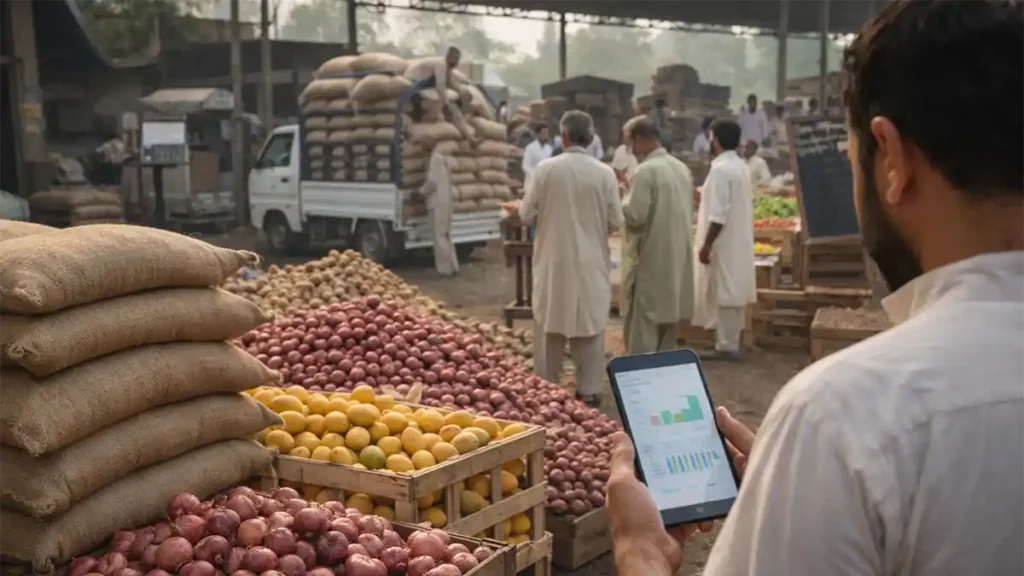
Most people feel agriculture through prices: flour, rice, sugar, vegetables, milk, and meat. But price signals differ across the supply chain:
- Farmgate price: what farmers receive locally
- Wholesale price: what bulk buyers and traders pay
- Retail price: what households pay in shops
The gap is influenced by transport, storage, processing, packaging, losses, financing costs, and margins. Sometimes the gap reflects real costs. Other times, weak competition, poor storage, or inefficient distribution makes the gap wider than it needs to be.
Wheat flour sensitivity
Wheat is the clearest example. Demand for flour is steady, so even small market disruptions can lift flour prices quickly. Expectations play a role too. When buyers assume prices will rise, stockholding increases at multiple levels, tightening supply in the short term.
Sugar price swings
Sugar often shows sharp movement because the market reacts strongly to mill schedules, perceived stock levels, and policy announcements. Retail sugar is highly visible, so price spikes create pressure for quick interventions. The best stabilizer is transparency: clear stock reporting, predictable policy, and smoother distribution across provinces.
Rice pricing: grade and timing matter
Rice pricing is influenced by export demand and quality grades. Premium basmati lots can price very differently from ordinary rice. Timing also matters. Prices can soften after harvest due to supply inflow and strengthen later when stored stocks meet export orders.
Input costs: the hidden engine of food inflation
Many retail price stories begin with inputs. Fertilizer, diesel, electricity for tube-wells, pesticides, seed, and labour shape production costs. When input inflation is high, farmers need higher output prices to stay profitable. If output prices are held down without supporting productivity, growers reduce investment, and the next season’s yields suffer. The strongest approach is efficiency and targeted support, not blunt suppression.
Exports: where agriculture earns and where value is lost
Agriculture supports exports in two ways:
- Direct exports: rice, meat, fruits, vegetables, fish
- Value-chain exports: textiles linked to cotton availability
Rice: the flagship farm export
Rice remains one of the most visible farm-to-foreign-exchange channels. In 2026, the bigger opportunity is value: consistent quality, stronger branding, stable compliance, and deeper access to higher-value markets.
Livestock and meat: steady potential
Livestock and meat exports can grow when processing meets standards, certification is reliable, and cold logistics remain consistent. Pakistan has an advantage in production and regional demand, especially nearby markets, but performance depends on infrastructure and compliance discipline.
Horticulture: high potential, uneven execution
Pakistan exports citrus, mangoes, dates, onions, and potatoes, but success is often concentrated and market access can be limited. The most common loss is post-harvest damage and uneven grading. A shipment that arrives bruised, mixed-grade, or poorly cooled quickly loses value and reputation.
A serious horticulture upgrade is simple but powerful:
- packhouses and grading systems
- cold storage and reefer transport
- training on picking, handling, and packing
- better coordination between farmers and exporters
These investments reduce waste and raise unit value, often faster than large subsidies.
Cotton and textiles: the chain begins in fields
Cotton’s export impact is indirect but massive. A strong cotton crop reduces import reliance and supports competitive textile production. A weak crop can raise costs and squeeze export competitiveness. If Pakistan wants export stability, cotton stability is part of the answer.
Water and climate: the constraints shaping every crop decision
Water is the first input, and timing is everything. Even strong seed cannot deliver without timely moisture. Pressure on irrigation schedules and groundwater is forcing farmers to rely more on tube-wells, which raises costs and can degrade groundwater quality.
Climate volatility now affects both yields and planning. Farmers need better forecasting, stronger advisory services, and drainage solutions where flooding risk is rising. At the national level, the strongest investments improve water productivity: more output per unit of water. Laser leveling, precision irrigation, better canal management, and crop choices aligned with local water realities can all move the needle.
The supply chain: where profits are created or lost
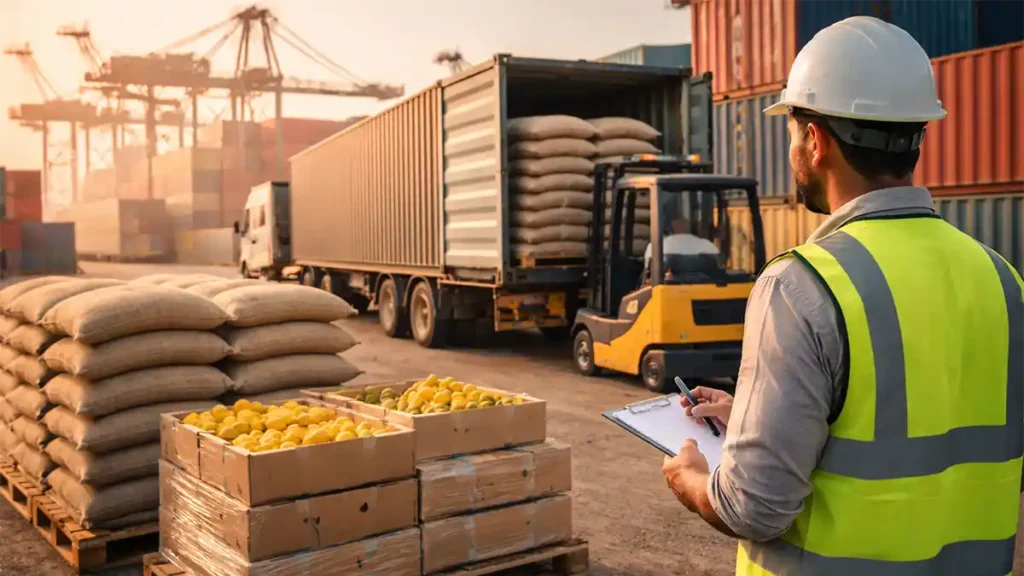
Agriculture is not only about growing crops. Value is also created in storage, handling, processing, and transport. Pakistan loses value in three common ways:
- post-harvest losses from weak storage and handling
- inconsistent grading and quality standards, especially in fruits and vegetables
- high logistics costs due to inefficiencies and delays
Practical upgrades that help quickly:
- quality and moisture testing at purchase points
- improved storage to cut spoilage and pest loss
- transparent digital records to reduce disputes
- contract farming models that link farmers to processors with clear specifications
2026 outlook: what to watch next
If you want to predict where crops, prices, and exports are headed, watch these signals:
- Water timing for Kharif and Rabi
Late water often means late sowing, and late sowing usually reduces yield. - Wheat market clarity
Predictable conditions encourage investment; uncertainty pushes farmers to cut inputs or switch crops. - Rice export demand and logistics
Export orders and freight shifts can move domestic prices quickly. - Cotton area decisions
Cotton responds strongly to confidence. Stable incentives bring area back; mixed signals reduce it. - Input cost trends
Fertilizer and fuel swings change the economics of every crop. - Food price signals
Retail pressure often reveals tightening supply before harvest numbers become clear.
Practical playbook: smart moves for farmers, traders, and households
For farmers
- Build crop plans around real water timing, not ideal assumptions.
- Protect yields with basics: certified seed, timely sowing, balanced fertilization, and pest scouting.
- Treat post-harvest as profit: dry grain properly, store safely, and sell strategically when possible.
For traders and processors
- Invest in quality measurement. Moisture and grading discipline improves pricing and reduces disputes.
- Strengthen farmer linkages. Reliable supply beats last-minute buying, especially for export-grade output.
- Improve logistics planning. Small reductions in delays protect margins and quality.
For consumers
- Expect seasonality. Many items soften after harvest and tighten later.
- Avoid panic buying. Rumours amplify price pressure and worsen short-term supply.
Quick FAQ
1. Why does wheat matter so much in Pakistan?
Because it drives flour prices, and flour is a core staple for most households.
2. Why can rice area expand even when water is tight?
Strong prices and active buyers encourage rice planting where the value chain is established.
3. What is the biggest risk for cotton in 2026?
Unstable incentives combined with pest and weather pressure, which can keep area and yields volatile.
4. Why do retail prices feel higher than farmgate prices?
The gap includes transport, storage, processing, losses, financing costs, and margins across the chain.
5. Which export channel brings the quickest foreign exchange impact?
Rice often delivers quickly due to an established export pipeline and consistent demand.
6. How can horticulture exports improve faster?
By reducing post-harvest losses through grading, better packaging, cold chain, and improved handling.
7. What should farmers check before choosing a crop?
Water timing, input costs, expected market price, and buyer reliability in their area.
8. What single policy approach helps agriculture most?
Consistency. Stable rules and clear signals encourage investment and improve long-term yields.
Conclusion
Pakistan’s agriculture in 2026 is a story of trade-offs, not a single headline. Wheat remains the cornerstone of food security. Rice continues to offer export opportunity where quality and logistics are reliable. Cotton needs a focused recovery because it anchors the textile value chain. Sugarcane and maize reflect the constant balancing act between water, incentives, and demand.
The quickest path to a stronger agriculture economy is productivity and predictability: better seed systems, smarter water use, reduced post-harvest losses, and stable market signals that do not change mid-season. When farmers can plan, they invest. When they invest, yields improve. And when yields improve, both households and exports benefit.






One Comment