How to Lose Weight Safely: A Realistic Beginner Plan
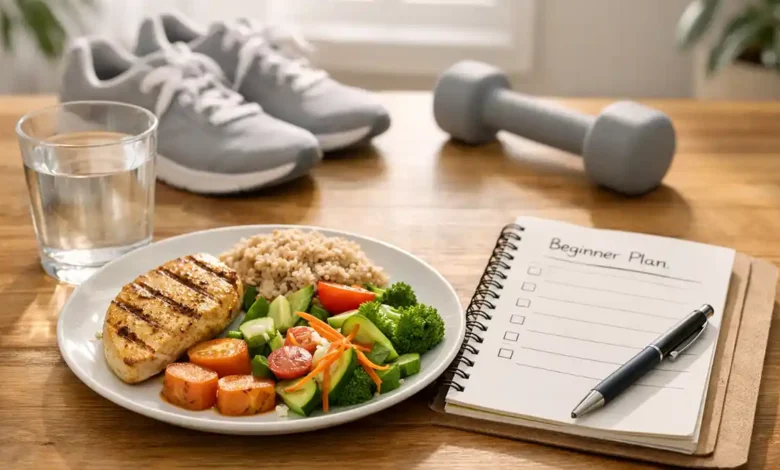
If you are searching for how to lose weight safely, you probably want two things at the same time: visible progress and peace of mind. You want results that feel real, not a crash diet that makes you miserable, ruins your energy, and rebounds the moment life gets busy.
Safe weight loss is not about doing everything perfectly. It is about doing the basics consistently: a small calorie deficit, better food structure, daily movement you can recover from, and simple strength work to protect muscle. When those pieces come together, weight loss becomes predictable and steady instead of chaotic.
This guide is built for beginners. No fancy rules. No “detox.” No fear-based food lists. You will learn what safe weight loss looks like, how to set a realistic pace, how to build meals that keep you full, and how to follow a 4-week plan that fits normal life.
What “safe weight loss” really means
Let’s make this clear from the start.
Safe weight loss is:
- gradual progress you can maintain for months, not days
- a modest deficit that does not leave you exhausted
- enough protein and strength training to protect lean mass
- flexible eating that works with family meals and weekends
- a plan that supports health, sleep, mood, and energy
Unsafe weight loss often looks like:
- skipping meals all day, then overeating at night
- cutting entire food groups without a medical reason
- doing intense workouts daily while under-eating
- obsessing over the scale and panicking at normal fluctuations
- aiming for extreme weekly loss no matter how you feel
A realistic, widely used target for many adults is around 0.5 to 1 percent of body weight per week. For many beginners, that often lands around 0.25 to 1 kg weekly depending on starting weight, habits, and consistency. Slower progress is not failure. Slow is often what makes it sustainable.
The best first goal: lose the first 5 percent
Beginners often think they need dramatic change to “count.” In reality, the first milestone is usually the most important. Dropping around 5 percent of your starting weight can improve health markers and confidence, and it proves your routine is working. After that, you can choose whether to continue at the same pace or slow it down for easier maintenance.
The simple science (without the confusing talk)
Weight loss comes from an energy deficit over time. That is it. But the way you create that deficit matters.
You can create a deficit by:
- eating slightly less
- moving slightly more
- combining both in a manageable way
The mistake beginners make is trying to create a huge deficit through extreme restriction. That usually triggers strong hunger, cravings, fatigue, and a “break the diet” cycle.
A better approach is a healthy calorie deficit that is small enough to repeat. Consistency beats intensity because fat loss is the result of what you do most days, not what you do on your most motivated day.
Why the scale jumps around (even when you are doing well)
Your weight is not only fat. It also includes:
- water (affected by salt, carbs, hormones, stress, sleep)
- food volume (what is still in digestion)
- glycogen (stored carbs that hold water)
That is why you can do everything right and still see a weird scale jump after a salty dinner, a late night, or a tough week. The solution is not panic. The solution is tracking trends and staying consistent.
The beginner formula that works almost everywhere
Most effective beginner programs share the same structure. Here is the version you can actually follow:
- Eat meals built around protein and fiber
- Walk often and lift a little
- Sleep enough to control appetite and energy
- Track something simple so you can adjust
This is how you build a plan that does not collapse when life gets busy.
Step 1: Create a realistic calorie deficit (without counting forever)
You do not need to count calories perfectly. You do need a way to consistently eat a little less than you burn.
Option A: The plate method (beginner-friendly, no math)
Use this template for two main meals most days:
- Half the plate: vegetables or salad
- One quarter: protein
- One quarter: carbs (rice, bread, potatoes, fruit)
- Add fat thoughtfully: a small amount of olive oil, nuts, tahini, or avocado
This supports a balanced diet for weight loss and reduces overeating without strict rules.
Option B: The “one change” deficit easy and effective
Pick one daily change that removes a consistent calorie source:
- replace sugary drinks with water or zero-cal options
- reduce takeaway meals (example: 4 times weekly to 2 times)
- shrink late-night snacks by half instead of banning them
- keep dessert, but make it smaller and less frequent
One change can be enough to start progress, especially if you were eating more than you realized.
Option C: Light tracking for 2 weeks (learn fast, then simplify)
If you like structure, track for a short period to learn portions and patterns. The goal is not perfection. The goal is awareness:
- which foods keep you full
- where your calories leak (snacks, drinks, sauces, mindless bites)
- what a reasonable portion looks like for you
After that, many people move to a simpler system using routine meals and the plate method.
Step 2: Build meals that keep you full (the hunger-proof approach)
Beginners usually fail for one reason: hunger that feels nonstop. You fix that with smart meal structure, not with more willpower.
The “fullness trio”
- Protein (keeps you satisfied and supports muscle)
- Fiber rich foods (slow digestion and improve satiety)
- Volume (vegetables, soups, fruit, salads)
Practical protein ideas (simple, not fancy)
You do not need complicated recipes. You need repeatable high protein meals:
- eggs with vegetables and a slice of bread
- Greek yogurt with oats and fruit
- chicken or fish with rice and salad
- lentils or beans with vegetables and yogurt
- tofu stir-fry with mixed vegetables
Easy protein add-ons:
- add a boiled egg to breakfast
- add yogurt sauce or laban to meals
- add beans or lentils to rice dishes
- add tuna to a salad or sandwich
Fiber upgrades that feel normal
Fiber does not mean “only salads.” Try:
- oats, whole grains, and bran options
- beans, lentils, chickpeas
- apples, berries, pears, oranges
- vegetables (fresh or frozen, both count)
- nuts and seeds in small portions
A beginner-friendly habit: add one fiber-rich item daily and keep it consistent for a week. Then add another.

Step 3: Move in a way you can recover from
Exercise is not a punishment for eating. It is a tool to:
- burn some extra calories
- improve heart health
- reduce stress
- support mood and energy
- protect muscle when dieting
For beginners, the most sustainable starting combination is:
- walking for weight loss (most days)
- strength training for fat loss (two days weekly)
Why walking works so well for beginners
Walking is underrated because it is:
- low injury risk
- easy to repeat
- less likely to increase hunger compared to hard cardio
- flexible (you can split it into short sessions)
A strong beginner target is 6,000 to 10,000 steps daily depending on your starting point and schedule. If that sounds high, start lower and build.
Why strength training matters (even if you want “just to slim down”)
When you lose weight, your body can lose fat and lean mass. Strength training helps signal your body to keep muscle. That usually improves:
- body shape
- strength and posture
- long-term maintenance
- confidence
Two sessions a week is enough to make a difference.
Step 4: Sleep and stress (the underrated fat-loss boosters)
A beginner plan fails quickly when sleep collapses and stress rises. Not because you are weak, but because your appetite and energy get harder to control.
Sleep and weight loss: what changes when sleep is short
Poor sleep often increases:
- cravings for high-calorie foods
- snacking and late-night eating
- fatigue (which reduces steps and exercise consistency)
- “I deserve a treat” decision-making
Aim for a simple improvement, not perfection:
- keep a consistent bedtime on weekdays
- reduce screens before bed
- limit caffeine later in the day
- create a wind-down routine (shower, reading, quiet time)
Stress eating: fix the trigger, not just the food
When stress drives overeating, strict dieting often backfires. Try stress strategies that take 2 to 10 minutes:
- a short walk after dinner
- slow breathing before meals
- journaling one line: “What do I need right now?”
- keeping tempting snacks out of sight and healthier options visible
The 4-week realistic beginner plan (step-by-step)
This is a structured beginner weight loss plan you can follow without burning out.
Week 1: Build structure (no aggressive dieting yet)
Goal: stabilize routine and stop chaotic eating.
Do these actions:
- Choose 2 to 3 regular meal times most days
- Add protein to breakfast
- Walk 15 minutes, 5 days this week
- Drink a glass of water before two meals daily
- Track one thing: steps, meals, or weight (choose one)
Why this week matters:
Structure reduces impulsive eating and makes Week 2 much easier.
Week 2: Start a gentle deficit (small changes, big impact)
Goal: create a consistent calorie gap without misery.
Choose one approach:
- plate method at two meals daily
- one-change deficit (drinks, snacks, portions)
- light tracking for awareness
Movement upgrade:
- walk 20 minutes, 5 to 6 days this week
- optional: add one longer walk on the weekend
Week 3: Add strength training (two simple sessions)
Goal: protect muscle and improve body composition.
Session A (home, no equipment):
- chair sit-to-stand: 3 sets of 8 to 12
- wall push-ups: 3 sets of 8 to 12
- hip hinge practice: 3 sets of 10
- glute bridge: 3 sets of 10 to 15
- plank: 3 short holds
Session B (gym machines):
- leg press: 3 sets of 8 to 12
- chest press: 3 sets of 8 to 12
- lat pulldown: 3 sets of 8 to 12
- seated row: 3 sets of 8 to 12
- finish with 10 minutes easy cardio
Rule: stop a couple of reps before failure. You want consistency, not soreness.
Nutrition focus:
- build two high protein meals daily
- add vegetables or fruit to at least two meals

Week 4: Make it personal (adjust using feedback)
Goal: refine your plan based on results and how you feel.
Ask:
- Is my hunger manageable most days?
- Is my energy stable?
- Am I consistent at least 80 percent of the week?
- Is my trend moving after 2 to 3 weeks?
If progress is slow (and you were consistent): choose one small change for 10 to 14 days:
- add 2,000 to 3,000 steps daily
- reduce one daily “extra” (snack, drink, large portion)
- increase protein at dinner and reduce carb portion slightly
- add a third short strength session
Small changes work because they are sustainable.
Example meals (simple templates you can repeat)
Use these as mix-and-match ideas. You do not need all of them. Pick what fits your taste and culture.
Breakfast templates
- eggs + veggies + bread
- Greek yogurt + oats + fruit
- oatmeal + milk + nuts + berries
- tofu scramble + vegetables
- tuna sandwich + cucumber/tomato
Lunch templates
- chicken wrap + salad + yogurt sauce
- rice + lentils + mixed vegetables
- grilled fish + rice + salad
- beans + vegetables + small bread portion
- leftovers plate method (half veg, quarter protein, quarter carbs)
Dinner templates
- protein + big salad + moderate carbs
- stew/curry with more vegetables and controlled rice portion
- grilled meat/tofu + roasted vegetables + yogurt
- soup + side protein (egg, chicken, beans)
Snack options (only if hungry)
- fruit + yogurt
- boiled eggs
- milk or laban
- nuts (small handful)
- vegetables with hummus
How to track progress without obsession
Tracking helps you adjust. It should not control your mood.
Best beginner tracking options (choose one)
- Scale trend: weigh 2 to 4 mornings weekly, track average
- Steps: track daily, aim to increase slowly
- Meal structure: track protein at two meals daily
- Waist measurement: once weekly, same conditions
- Photos: once every 2 weeks, same lighting and clothes
If the scale stresses you out, use waist and photos. The best method is the one you can stick with.
Common beginner mistakes (and quick fixes)
Mistake 1: Eating “healthy” but too much
Fix: keep the foods, adjust portions. Calories still count.
Mistake 2: All cardio, no strength work
Fix: two short strength sessions weekly.
Mistake 3: Very low calories and constant hunger
Fix: raise protein, add fiber, and reduce the deficit slightly.
Mistake 4: Weekend “breaks” that erase the week
Fix: set a weekend baseline:
- one planned treat
- one long walk
- protein at two meals
Mistake 5: Expecting the scale to drop daily
Fix: focus on weekly averages, not daily numbers.
Safety notes (important for beginners)
This is general education, not personal medical advice.
Talk to a qualified professional before significant weight loss if you:
- are pregnant or breastfeeding
- are under 18
- have diabetes, heart disease, kidney disease, or a history of eating disorders
- take medications affected by weight changes or food intake
Stop and seek medical help if you experience severe dizziness, fainting, chest pain, or symptoms that feel alarming.
Quick FAQ
1. What is the safest pace for weight loss?
A steady, gradual pace is safest for most beginners. Fast loss is more likely to be difficult to maintain.
2. Do I need to cut carbs to lose weight?
No. Carbs can fit into a balanced diet for weight loss. Portion control and food quality matter more than banning carbs.
3. What is the easiest exercise to start with?
Walking is ideal for beginners because it is simple, low impact, and easy to repeat.
4. Why should beginners do strength training?
Strength training for fat loss helps preserve muscle and improves body shape while dieting.
5. What if I feel hungry all day?
Increase protein, add fiber rich foods, and reduce the deficit slightly. Hunger is a signal your plan may be too aggressive.
6. How important is sleep for losing weight?
Very. Sleep and weight loss are linked through appetite, cravings, and energy. Better sleep usually makes the plan easier.
7. What should I do if my weight stalls?
Check consistency for 2 to 3 weeks, then make one small change: steps up, portions slightly down, or add one extra strength session.
8. Can I still eat my favorite foods?
Yes. The goal is sustainability. Keep favorites in smaller portions and plan them so they do not turn into daily overeating.
Conclusion: The beginner plan in one clear direction
If you want to master how to lose weight safely, you do not need extreme diets. You need a repeatable system: a gentle calorie deficit, meals built around protein and fiber, walking most days, strength training twice a week, and habits that protect sleep and reduce stress.
Start small and stay steady. One protein-based meal. One walk. One simple strength session. Then repeat. That is how the results become real.