Islamabad Travel Guide 2026: Best Places to Visit, Food & Things to Do
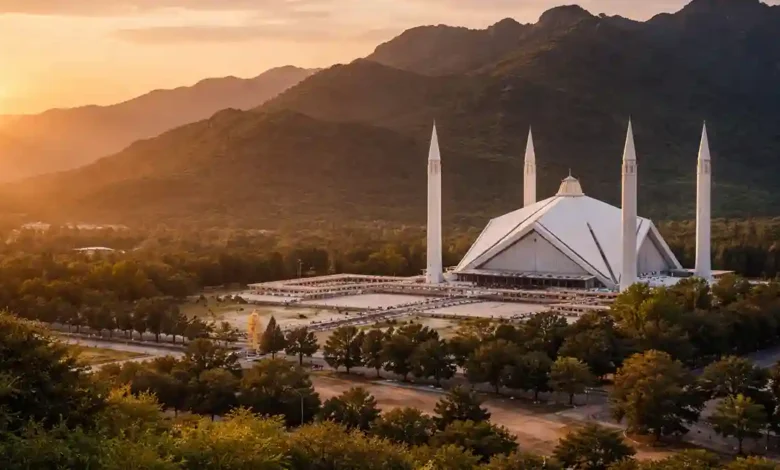
Islamabad travel guide 2026 if you’ve typed that into search, you’re probably looking for a city that feels calm, green, and surprisingly photogenic, with mountains at its edge and wide boulevards cutting through neat neighborhoods. Islamabad is Pakistan’s purpose-built capital, but it doesn’t feel “all government.” It feels like a city that breathes: early-morning hikes in the Margalla Hills, sunset viewpoints above the skyline, museums that explain the country’s many cultures, and food that ranges from roadside chaat to elegant desi dinners.
This guide is designed like a local friend who also happens to be obsessive about planning: the best places to visit in Islamabad, the most worthwhile things to do in Islamabad, where to eat (a practical Islamabad food guide), and the day trips that make your itinerary feel bigger than one city.
Let’s build you a trip that’s modern, flexible, and memorable.
Islamabad Travel Guide 2026: Quick Snapshot (Read This First)
Best for: nature + culture, first-time visitors to Pakistan, families, solo travelers, photographers, food explorers
City vibe: organized, relaxed, scenic, outdoorsy
Iconic skyline view: Faisal Mosque sitting at the foothills of the Margalla range
Must-do “Islamabad moment”: hike a Margalla trail at sunrise, then reward yourself with a long brunch back in the city
When to visit (simple version)
- Best months: March–April and October–November for pleasant weather and clearer views.
- Monsoon season: July–August can bring heavy rain beautiful greenery, but plan indoor backups.
- Winter: December–February can be chilly at night; days are often bright.
How many days do you need?
- 2 days: highlights (mosque + viewpoint + monument + food + one nature spot)
- 3 days: highlights + museum + proper hike + Saidpur + shopping
- 5 days: add Taxila + Khanpur Dam (or Murree/Ayubia) and slow down
Before You Go: Practical Tips That Save Time
Getting in
Most international travelers land at Islamabad International Airport (near the city). For getting to your hotel, app-based rides and hotel pickups are the easiest options especially if you’re arriving late.
Getting around the city (no stress)
Islamabad is spread out, so you’ll mix car rides with walkable pockets (markets and parks). For day-to-day movement, ride-hailing is usually more convenient than negotiating on the street especially if you’re new to the city.
Where to stay (best areas by travel style)
- Blue Area / near main avenues: central for sightseeing and quick rides
- F-6 / F-7: upscale, café-heavy, close to markets and parks
- E-11 and beyond: more budget variety, but you’ll rely on rides more
Safety + comfort notes (especially for hikers)
Margalla Hills are stunning and popular. Stick to well-known trails, start early, carry water, and avoid wandering off-route. Official trail descriptions and starting points are published by the Capital Development Authority (CDA).
Best Places to Visit in Islamabad (The Core List)
1) Faisal Mosque (architecture + serenity)
If Islamabad had one “signature” sight, it’s Faisal Mosque modern, dramatic, and set against the Margalla Hills. Come in the early morning for soft light and fewer crowds, or near sunset when the white structure glows.
Quick tips
- Dress modestly (carry a light scarf/shawl to be comfortable).
- Keep your camera respectful avoid photographing worshippers up close without permission.
2) Pakistan Monument & Museum (the “big picture” stop)
The Pakistan Monument sits on the Shakarparian Hills and is designed as a national symbol. It’s one of the best evening stops because the lighting and city views make the whole complex feel cinematic. The monument’s location and national significance are widely documented.
Why it’s worth it:
Even if monuments aren’t usually your thing, this one is visually striking and pairing it with the museum helps you understand Pakistan’s story beyond headlines.
3) Daman-e-Koh & the hill viewpoints (classic Islamabad skyline views)
For that postcard look city laid out below, green hills behind head to Daman-e-Koh. It’s one of the easiest ways to get a high view without committing to a full hike. Many first-time visitor guides place it among Islamabad’s top experiences.
Best time: late afternoon into sunset
4) Lok Virsa Heritage Museum (culture you can actually feel)
If you want one museum that doesn’t feel stiff, choose Lok Virsa. It’s widely regarded as a key place to explore Pakistan’s folk cultures, crafts, and regional identity. The official tourism listing notes Lok Virsa’s institutional background (established in 1974; museum opened in 1982).
How to do it right
- Don’t rush. Give it at least 90 minutes.
- Look for craft displays and cultural exhibits that show everyday life clothing, tools, music, and traditions.
5) Saidpur Village (heritage + cafés + a “tiny escape”)
Saidpur is one of those spots that feels like a quick reset: old village character on the Margalla foothills, small lanes, and a mix of culture and dining. It’s frequently described as a heritage-style attraction for visitors.
Best for: couples, families, relaxed evenings, casual photos
6) Rawal Lake & Lake View Park (green space, slow time)
Need a break from “checking sights off a list”? Go to Rawal Lake. It’s a major reservoir serving Islamabad/Rawalpindi and a popular leisure area.
What to do
- walk, picnic, and enjoy the water views
- plan it as a late afternoon stop if your day has been busy
7) Faisal Avenue drives + city planning moments (yes, it’s a thing)
Islamabad isn’t an “old city charm” destination the way Lahore is. Its charm is space: wide roads, clean lines, and sudden mountain views at the end of an avenue. If you like calm cities, you’ll appreciate this more than you expect especially in golden hour.
Margalla Hills Hiking Trails (Nature That’s Minutes From the City)
The Margalla Hills hiking trails are among Islamabad’s biggest advantages: you can have a “mountain morning” and still be back for lunch in the city.
Trail 3 (popular, classic, rewarding)
Trail 3 is one of the best-known routes and is described by CDA as starting near Margalla Road (F-6 area), with viewpoints and onward connection toward the Pir Sohawa side.
Best for: fit beginners, photographers, anyone who wants a “real hike” without going far
Trail 5 (scenic, loved by regular walkers)
Trail 5 is another favorite often praised for its nature-forward feel and manageable pacing.
Best for: steady hiking, families with older kids, travelers who prefer a less intense climb than Trail 3
2026 heads-up about hilltop restaurants
If you’ve heard people talk about famous restaurants in the Margalla Hills area, note that Pakistan’s Supreme Court ordered the closure/relocation of eateries operating inside the Margalla Hills National Park zone in 2024, which changed the dining situation around Pir Sohawa. Plan your “view meal” flexibly and check what’s currently operating.
Smart hiking checklist
- water + small snack
- light jacket (it can feel cooler above the city)
- comfortable shoes with grip
- start early, especially in warmer months
- don’t litter Margalla is a protected ecosystem
Things to Do in Islamabad (Beyond the Famous Stops)
1) Build a “sunrise to street food” day
This is the Islamabad rhythm that locals love:
- Sunrise: Margalla trail walk
- Mid-morning: coffee/brunch in F-6/F-7
- Afternoon: museum (Lok Virsa or Pakistan Monument Museum)
- Evening: viewpoint + dinner in the city
It’s balanced, not exhausting, and it shows you the city’s full personality.
2) Parks that actually feel like parks
Islamabad’s green spaces are not an afterthought. Schedule at least one slow hour walk, people-watch, and let the trip feel like a holiday rather than a checklist.
3) Shopping for the “real Islamabad” feeling
Instead of only malls, try local markets (markaz areas). They’re good for:
- casual clothes and shoes
- handicrafts and gifts
- snacks, spices, dry fruits
- everyday Islamabad life (the part tourists miss)
Islamabad Food Guide: What to Eat and Where to Look
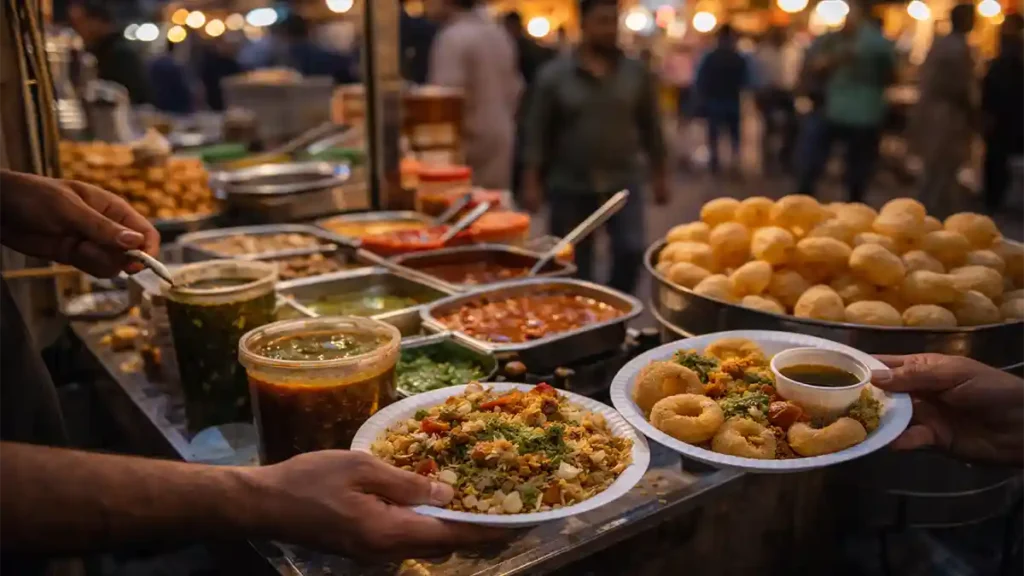
Let’s talk about food in a way that’s useful, not vague. Islamabad is a mix of:
- classic Pakistani comfort food (BBQ, karahi, nihari)
- street snacks (chaat, gol gappay/pani puri, shawarma)
- modern cafés (coffee, desserts, fusion)
The “must-try” Islamabad list (for first-timers)
1) BBQ platter / seekh kebab + naan
Smoky, spiced, filling hard to go wrong.
2) Karahi (chicken or mutton)
A shared dish, best eaten hot with fresh naan.
3) Nihari
A slow-cooked, rich stew more of a brunch/lunch power move.
4) Chaat + gol gappay
Crispy, tangy, spicy. Start mild if you’re not used to heat.
5) Chai + paratha
Simple, iconic, and perfect after a long walk.
Where to eat (practical neighborhood approach)
Instead of naming 40 restaurants (and having half of them change), here’s the smarter way:
- For street snacks: look for busy, clean-looking stalls in popular markets (high turnover usually means fresher food).
- For family dinners: choose established desi restaurants in central sectors and commercial areas.
- For cafés + desserts: F-6/F-7 style areas are your easiest bet.
Food hygiene tips (no fear just smart)
- Choose places that are busy (fresh turnover).
- Prefer sealed bottled water if your stomach is sensitive.
- If you’re trying street food for the first time, start with one snack not five at once.
Ready-to-Use Itineraries (Pick One)
2-Day Islamabad Itinerary (highlights, not rushed)
Day 1: Landmarks + views
- Faisal Mosque (early)
- Pakistan Monument & Museum (afternoon)
- Daman-e-Koh for sunset
- Dinner in the city + dessert
Day 2: Nature + culture
- Margalla Trail 5 (morning)
- Lok Virsa Heritage Museum (midday)
- Rawal Lake / Lake View Park (evening calm)
3-Day Islamabad Itinerary (the “best version” for most travelers)
Day 1: Faisal Mosque + Pakistan Monument + sunset viewpoint
Day 2: Margalla hike + Lok Virsa + café night
Day 3: Saidpur Village + Rawal Lake + shopping/markets
Day Trips from Islamabad (Make Your Trip Feel Bigger)
1) Taxila (UNESCO World Heritage Site)
If you like history even a little, Taxila is one of the most important archaeological areas in the region, recognized by UNESCO for its layered remains and historical significance.
Why it’s worth it:
It adds depth to your Pakistan trip showing ancient urban life and Buddhist heritage beyond the modern capital.
2) Khanpur Dam (water + adventure day)
Want a different texture blue water, outdoor activity, and a break from city structure? Khanpur Dam is often visited as a day trip from Islamabad, especially for water-based activities.
Plan it like this
- go early
- do your activity
- come back before it’s too late
(And as always: confirm operators, safety gear, and current conditions on the day.)
3) Murree / Ayubia side (cooler hills)
If you’re traveling in warmer months and want mountain weather, these northern hill areas are classic add-ons. Go on a weekday if possible to avoid peak crowds.
What to Pack for Islamabad (Season-smart)
- comfortable walking shoes (non-negotiable)
- light jacket or shawl (evenings + hills)
- sunscreen + sunglasses
- reusable water bottle (or buy sealed water if needed)
- small daypack for hikes
- modest clothing options for mosques and cultural spaces
Common Mistakes First-Time Visitors Make (and how to avoid them)
Mistake 1: treating Islamabad like a “walk everywhere” city
It’s spread out plan your day by zones.
Mistake 2: skipping museums
Islamabad’s best “understanding Pakistan” moments are in places like Lok Virsa.
Mistake 3: overloading day 1
You’ll enjoy the city more if you leave breathing space Islamabad is meant to be felt, not rushed.
Mistake 4: assuming old online restaurant info is still accurate
Especially around the Margalla National Park zone, commercial operations changed after court orders. Keep your plan flexible.
Final Thoughts: Why Islamabad Belongs on Your 2026 Travel List
Islamabad won’t compete with the chaos and historical density of older South Asian cities and that’s exactly why people fall for it. It offers a rare travel mix: an organized capital with genuine wilderness at its doorstep, cultural museums that explain the country’s diversity, and food that can be as adventurous or as gentle as you want it to be.
Use this Islamabad travel guide 2026 to plan your days with intention: one mountain morning, one cultural afternoon, one slow lakeside evening, and at least one night where you eat something spicy and laugh at how confidently you ordered it.
If you do it that way, Islamabad won’t feel like a quick stop. It’ll feel like a city you’ll want to return to.





4 Comments