Exploring Pakistani Lifestyle: Rich Culture and Timeless Traditions
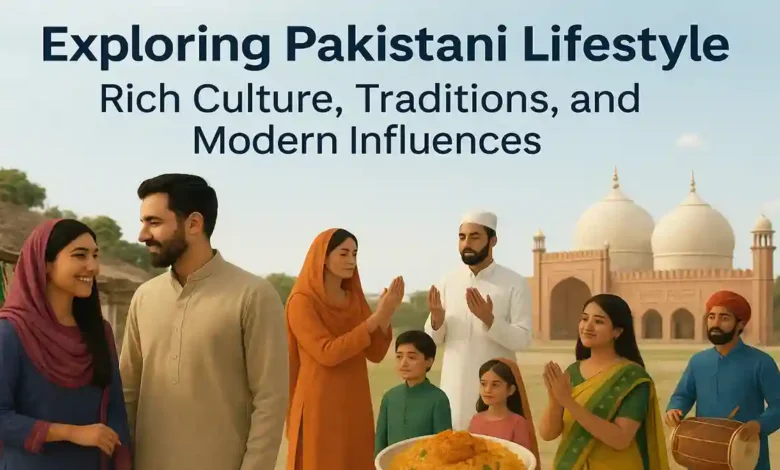
The lifestyle in Pakistan is a tapestry woven from a multitude of cultural influences, shaped by its geographical, historical, and social contexts. This diversity is reflective of the nation’s unique identity, characterized by a rich amalgamation of traditions, languages, and customs that vary significantly across different regions. From the towering peaks of the Himalayas in the north to the vast expanses of the Thar Desert in the southeast, Pakistan’s varied landscapes play a critical role in influencing the daily lives of its inhabitants.
Historically, Pakistan has been a confluence of civilizations. The Indus Valley civilization, once an early cradle of human civilization, laid the groundwork for subsequent empires, including the Persian, Greek, Mauryan, Mughal, and British Empires, all of which have left lasting legacies. These historical influences are encapsulated in the country’s architecture, culinary traditions, and social norms, creating a lifestyle that is both traditional and modern. The fusion of these elements contributes to an intricate social fabric where respect for elders, hospitality, and communal bonds are paramount.
Socially, the Pakistani lifestyle reflects a blend of various ethnic groups, each contributing its unique traditions and practices. Major ethnicities such as Punjabis, Sindhis, Pashtuns, and Baloch not only enrich the cultural landscape but also ensure the preservation of indigenous customs. The influence of religion, primarily Islam, further impacts day-to-day life, dictating values, customs, and public behaviors, thus knitting together personal and cultural identities. Festivals, music, dance, and traditional crafts, all play a pivotal role in the lives of the Pakistani people, illustrating a society deeply rooted in its cultural heritage while simultaneously embracing modernity.
Cultural Diversity in Pakistan
Pakistan is a nation characterized by an extraordinary tapestry of cultural diversity, shaped by a multitude of ethnic groups, languages, and regional customs. This diversity is a product of the country’s historical development, geographical features, and the confluence of different civilizations over centuries. The population of Pakistan is composed of several notable ethnic groups, including Punjabis, Sindhis, Pashtuns, Baloch, and Mohajirs, each contributing unique perspectives and traditions that enrich the cultural landscape.
Pakistan’s linguistic diversity further emphasizes its cultural richness, with over 70 languages spoken across the country. The most prominent languages include Urdu, Punjabi, Sindhi, Pashto, and Balochi. Urdu serves as the national language, promoting unity among diverse ethnic groups, while regional languages reflect local identities and heritage. This multilingual environment fosters a vibrant cultural exchange, enabling various forms of artistic expression, including poetry, music, and dance.
Each ethnic group possesses its own customs, rituals, and artistic practices that illustrate their historical narratives and social values. For instance, the vibrant folk dances of the Punjab region, such as Bhangra and Gidda, are celebrated during various festivals, showcasing the allure of cultural celebrations across the nation. Similarly, the deeply ingrained traditions of the Pashtun culture, such as the Pashto music and elaborate hospitality customs, reflect the ethos of their society. These regional customs not only preserve the distinct identities of various communities but also contribute to the collective cultural wealth of Pakistan.
Furthermore, Pakistan’s cultural diversity is prevalent in its cuisine, attire, and festivities. The gastronomy is a fusion of spices and flavors, derived from many regions, making it a delight for culinary enthusiasts. Similarly, traditional dresses vary significantly, demonstrating the unique styles of different provinces. Celebrations like Eid, Basant, and Independence Day see widespread participation, highlighting the unity within diversity. Overall, the cultural kaleidoscope of Pakistan stands as a testament to the nation’s heritage, enriching its identity in the global context.
Traditional Clothing
Pakistan boasts a rich tapestry of traditional clothing, deeply rooted in its diverse cultural heritage and regional identities. One of the most iconic garments is the shalwar kameez, which serves as the national dress of the country. This ensemble typically consists of a long tunic, called a kameez, paired with loose-fitting trousers known as shalwar. The shalwar kameez is worn across various regions and is celebrated for its versatility, comfort, and elegance, often adorned with intricate embroidery and vibrant fabrics that reflect local customs.
In addition to the shalwar kameez, other traditional attires are also prominent in Pakistan. For instance, in the Sindh province, women frequently wear colorful sarees, which are draped in unique styles that highlight the region’s distinctive cultural nuances. Similarly, men in Sindh may don the ajrak, a block-printed shawl, which symbolizes their cultural heritage and is worn on special occasions.
Regional attire varies significantly across the country, highlighting the diversity of Pakistan’s ethnic groups. In Punjab, phulkari embroidery is celebrated, with women showcasing vibrant shawls that feature intricate patterns and floral designs. Conversely, in Baluchistan, traditional clothing is characterized by long, flowing garments often made from wool, providing warmth and comfort in the colder areas. In Khyber Pakhtunkhwa, men typically wear a kurta with a traditional cap called a pakol, symbolizing the identity of the Pashtun tribes.
The significance of these traditional garments goes beyond mere aesthetics. Clothing serves as an expression of cultural identity and local customs, often worn during festivals, weddings, and other significant events. These garments connect individuals to their history and community, showcasing the rich cultural heritage of Pakistan that continues to thrive amidst modern influences.
Pakistani Cuisine: A Culinary Journey
Pakistani cuisine is a vibrant tapestry of flavors, ingredients, and traditions that reflect the country’s diverse cultural heritage. The foundational components of this culinary experience include staple foods such as rice, wheat, and lentils. These staples serve as the backbone of many meals and are commonly enjoyed with a variety of curries and side dishes, highlighting the intrinsic connection between food and culture in Pakistan.
Among the many popular dishes, biryani stands out as a celebrated feast item, hailing from the subcontinent’s historical influences, including Mughal and Persian cuisines. Characterized by its fragrant rice layered with marinated meats, biryani is as much a dish as it is a symbol of hospitality and celebration. Similarly, nihari, a slow-cooked stew traditionally enjoyed during breakfast, showcases the deep flavors achieved through meticulous cooking techniques. Its rich spices and succulent meat serve to encapsulate the essence of Pakistani cooking.
The use of spices plays a crucial role in Pakistani cuisine, defining its robust flavors. Common spices include cumin, coriander, turmeric, and garam masala, each contributing to the distinct taste profiles associated with regional specialties. For instance, in the Punjab region, dishes are often richer and incorporate dairy, while Sindhi cuisine leans towards lighter flavors with an emphasis on vegetables and herbs. The cooking methods also vary; grilling meats in a tandoor oven is a popular practice that imparts unique smoky flavors to numerous dishes.
Food in Pakistan is not just a means of sustenance; it is a vital expression of social and family connections. Meals are often communal, bringing people together to share stories and laughter. This cultural significance further enhances the experience of dining, making Pakistani cuisine a profound journey through tradition and togetherness. Through fragrant aromas and vibrant presentations, each dish tells a story that reaches beyond taste, inviting both locals and travelers to explore the rich tapestry of Pakistani culinary traditions.

Festivals and Celebrations
Pakistan is a country rich in traditions and cultural heritage, which is vividly showcased through its various festivals and celebrations. Among the most significant are Eid al-Fitr and Eid al-Adha, two important religious occasions that resonate deeply with the Muslim population. Eid al-Fitr marks the end of Ramadan, a month of fasting, prayer, and reflection. Families gather for communal prayers, share festive meals, and engage in charitable acts, emphasizing the values of generosity and community spirit. Similarly, Eid al-Adha commemorates the willingness of Prophet Ibrahim to sacrifice his son in obedience to God, where families perform the ritual sacrifice of animals and distribute meat to the less fortunate, exemplifying compassion and sharing.
Another vibrant festival is Basant, the spring kite-flying festival celebrated primarily in the Punjab region. This event heralds the arrival of spring and encourages communities to come together in joyous celebration. Delightful colors fill the sky as kites soar high, a sight that brings people from all walks of life into fields and rooftops. The joyous atmosphere is complemented by traditional music, folk dances, and culinary delights, highlighting the importance of seasonal changes in Pakistani culture.
Independence Day, celebrated on August 14th, holds a special place in the hearts of Pakistanis. This day commemorates the end of British rule in 1947, marking the birth of the nation. As the country adorns itself in green and white, celebrations include parades, flag-hoisting ceremonies, and various cultural performances. This occasion not only reflects national pride but also fosters unity among citizens, reinforcing a collective identity rooted in shared values and aspirations.
These festivals and celebrations serve as a reminder of the rich cultural tapestry of Pakistan. They not only foster communal bonds but also allow individuals to express their heritage, instilling pride and joy throughout the community. Through these events, the essence of Pakistani lifestyle is beautifully epitomized, with traditions that continue to thrive across generations.
Islamic Influence on Lifestyle
The lifestyle of Pakistanis is significantly shaped by the principles and teachings of Islam, which permeate various aspects of daily living. As the predominant religion in the country, Islam not only dictates religious observances but also influences societal norms and values. Daily rituals are central to Muslim life in Pakistan, with prayer, or Salah, being a fundamental practice observed five times a day. This ritual not only serves as a spiritual connection with Allah but also promotes a sense of community among practitioners, as congregational prayers encourage social interactions and strengthen local bonds.
In addition to prayer practices, other Islamic traditions influence daily life. For example, the month of Ramadan holds profound significance, during which Muslims fast from dawn until sunset. This annual observance fosters self-discipline, reflection, and empathy for the less fortunate, impacting both individual behavior and social attitudes. The communal aspects of Ramadan, characterized by shared meals and nightly prayers, highlight the importance of fraternity and cooperation within communities, reinforcing social connections among Pakistanis.
The principles of Islam also play a vital role in shaping the moral and ethical framework of Pakistani society. The teachings of the Quran and Hadith promote values such as honesty, generosity, and respect for elders, which are integral to the behavior and interactions of individuals. These religious beliefs help dictate how people conduct their lives, guiding their decisions not only in personal matters but also in social and economic transactions. Consequently, adherence to Islamic values cultivates a unique culture that showcases respect for tradition and communal welfare.
Overall, the Islamic influence on Pakistani lifestyle is profound and multi-dimensional, encompassing daily rituals, community practices, and ethical standards, all of which contribute to a cohesive societal structure deeply rooted in faith.
Family Structure and Social Values
In Pakistani society, the family unit plays a pivotal role, deeply influencing the cultural fabric and daily lives of individuals. The traditional family structure often revolves around extended families, where multiple generations coexist under one roof. This arrangement fosters a strong sense of kinship, allowing family members to share resources, responsibilities, and emotional support. The significance of familial ties is further accentuated by the collective approach to decision-making, where choices are typically made in consideration of the entire family rather than focusing solely on individual preferences.
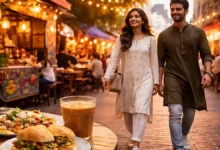


Within this traditional framework, the roles and responsibilities of family members are distinctly defined. Patriarchal norms often place the male head of the household in a position of authority, responsible for financial stability and protection. Conversely, women, especially mothers, assume the role of caregivers, nurturing children and maintaining the household. However, it’s essential to note that women’s involvement in educational and professional spheres has been gradually increasing, challenging conventional stereotypes while contributing to economic development.
Respect for elders is a cornerstone of social values in Pakistan. Elders are revered not only for their life experiences but also for their wisdom, and this respect is manifested in various aspects of everyday life, from decision-making to family gatherings. This cultural norm strengthens familial bonds and reinforces the values of loyalty and support. Interpersonal relationships are often characterized by deep emotional connections, where love and affection are expressed openly, fostering a sense of belonging and community among family members.
Overall, the family dynamics in Pakistan are intricate and deeply rooted in tradition. Kinship ties, respect for elders, and the collective nature of familial relationships define social values, making the family an essential pillar of Pakistani culture. Understanding these dynamics is crucial for comprehending the nuances of interpersonal relationships and the importance placed on family in Pakistani society.
Arts, Music, and Literature
The arts, music, and literature of Pakistan encapsulate a vivid spectrum of cultural expressions that reflect the country’s diverse heritage. Traditional music, which includes genres such as Qawwali, Ghazal, and Folk, serves as a profound representation of local narratives and spiritual sentiments. Qawwali, in particular, is a form of Sufi devotional music that emphasizes vocal performance and lyrical depth. Renowned Qawwali singers, like Nusrat Fateh Ali Khan, have transcended borders, introducing the world to the rich sounds of this genre. Similarly, folk music, characterized by its regional variations, showcases themes of love, life, and resilience, connecting communities through shared experiences.
Dance forms, such as the classical Kathak and traditional Bhangra, complement the vibrant musical scene. Bhangra, originating from the Punjab region, is celebrated during harvest festivals and weddings, reflecting joy and communal spirit. These artistic expressions do more than entertain; they serve as vessels for storytelling and cultural preservation amid rapid modernization.
Contemporary art in Pakistan, meanwhile, showcases a dynamic blend of traditional motifs and modern techniques. Artists like Shahzia Sikander and Imran Qureshi have garnered international acclaim by incorporating themes of identity and social commentary into their works. Such artists provide fresh perspectives that challenge conventional norms while retaining a connection to their cultural roots.
Literature in Pakistan is another pivotal aspect of its cultural identity. Poets like Allama Iqbal and Faiz Ahmed Faiz have significantly influenced societal thought through their evocative poetry, blending philosophical inquiries with nationalistic sentiments. The literary landscape is further enriched by prose writers such as Bano Qudsia and Kamila Shamsie, who explore themes of identity, migration, and feminism. Through their narratives, these literary figures have played an instrumental role in shaping the discourse surrounding cultural identity in Pakistan.
Modern Influences and Changes
The landscape of Pakistani life has undergone significant transformation in recent years, primarily influenced by globalization and rapid advancements in technology. These modern influence have led to a reevaluation of traditional values, prompting a dynamic interplay between established customs and contemporary ideologies. As Pakistan engages with the global community, its society experiences remarkable changes that manifest in various forms, often reshaping the fabric of everyday life.
Globalization has facilitated the exchange of ideas, lifestyles, and practices that challenge entrenched cultural norms. This phenomenon is vividly observed in urban areas where Western lifestyles integrate with local traditions. Younger generations are increasingly exposed to global trends through the internet, social media, and mobile technology, which has contributed to altering their perspectives and aspirations. The ease of communication and instant access to information has led to the emergence of new social norms and values, often conflicting with traditional ones.
The influence of technology on education and employment also plays a crucial role in the changing Pakistani lifestyle. With the expansion of online learning platforms and digital job opportunities, a growing number of individuals are pursuing careers that were previously unimaginable in traditional frameworks. However, this shift presents challenges as many strive to find a balance between maintaining their cultural identity and embracing modern practices. Additionally, the rise in the use of digital devices has fostered a culture of connectivity that can sometimes detract from interpersonal relationships that are valued in Pakistani society.
Ultimately, the tension between traditional values and modern influences has become a defining characteristic of contemporary Pakistani life. As the nation adapts to these changes, it must navigate the challenges posed by globalization while preserving the rich cultural heritage that underpins its identity. The evolving landscape suggests a society in constant flux, striving to harmonize the past with an expansive future.






6 Comments