Petrol New Price in Pakistan: Latest Update and What It Means for Daily Life

Petrol New Price in Pakistan remains one of the most closely watched updates in the country because fuel prices affect far more than what people pay at the pump. They shape transport costs, household budgets, delivery expenses, and the price of everyday goods. When petrol becomes more expensive, its impact spreads quickly across cities, towns, and rural areas alike.
The latest increase has once again brought fuel costs to the center of public discussion. For drivers, riders, transporters, and small businesses, it is not just another government notification. It is a change that can alter monthly spending, business margins, and daily routines almost immediately.
This is why fuel price updates in Pakistan always attract so much attention. Petrol is tied directly to mobility, while diesel plays a major role in goods transport and commercial activity. Once both become expensive, the effects begin to show up in bus fares, delivery charges, grocery bills, and even the cost of running a small business.
Why the latest petrol price matters so much
Fuel is not an isolated expense in Pakistan. It is linked to daily life in a very practical way. A person who uses a motorcycle for commuting to work feels the impact directly. A rickshaw driver sees it in reduced income. A delivery rider notices it in shrinking earnings. A family that depends on local transport starts adjusting spending on other essentials.
This is what makes fuel price changes different from many other economic updates. They are visible, immediate, and easy for people to feel. A higher petrol rate does not stay limited to vehicle owners. It creates ripple effects across the wider economy.
In Pakistan, this effect is even stronger because transport is deeply dependent on petroleum products. When transport becomes more expensive, the cost of moving people and goods rises. That increase then travels through the supply chain and reaches ordinary consumers.
Why petrol prices in Pakistan go up
Petrol prices in Pakistan do not move only because of local decisions. They are heavily influenced by international factors. The country relies significantly on imported petroleum products, which means global oil prices play a major role in determining what consumers eventually pay.
When crude oil prices rise in the international market, import costs also rise. If shipping becomes expensive or regional tensions disrupt supply routes, the pressure becomes even greater. The exchange rate matters too. If the rupee weakens against the dollar, imported fuel becomes costlier even if global oil prices remain unchanged.
This is why petrol prices in Pakistan often reflect a mix of global and domestic pressure. The government may try to manage the burden, but when international costs rise sharply, it becomes difficult to shield consumers completely.
Pakistan’s dependence on imported fuel
One of the main reasons fuel price shocks hit Pakistan so hard is the country’s dependence on imported energy. Petroleum products make up a major part of the import bill, and that leaves the economy exposed to global price swings.
This dependence means Pakistan cannot fully control the direction of fuel prices. Even when domestic demand stays stable, external conditions can force adjustments. That makes petrol price news especially important for households and businesses trying to plan their spending.
It also explains why fuel updates are often discussed alongside inflation, trade pressure, and the value of the rupee. Petrol is not just an energy story. It is also an economic story.

How higher petrol prices affect households
For households, the impact of a petrol increase is both direct and indirect.
The direct impact is easy to understand. Anyone who uses a motorcycle or car has to spend more on fuel. Even a moderate increase per litre adds up over the course of a month. For a middle income household already dealing with rent, utility bills, education costs, and food expenses, this creates real pressure.
The indirect impact can be even wider. Families that rely on public or semi public transport often face higher fares after fuel prices rise. Parents dropping children to school spend more. Workers commuting long distances feel the increase every week. Households that depend on app based transport or delivery services also notice the change quickly.
Over time, these higher costs force people to make adjustments. Some reduce unnecessary travel. Others cut back on dining out, shopping, or small comforts to stay within budget. In this way, the petrol price becomes part of the larger cost of living struggle.
The pressure on workers and small earners
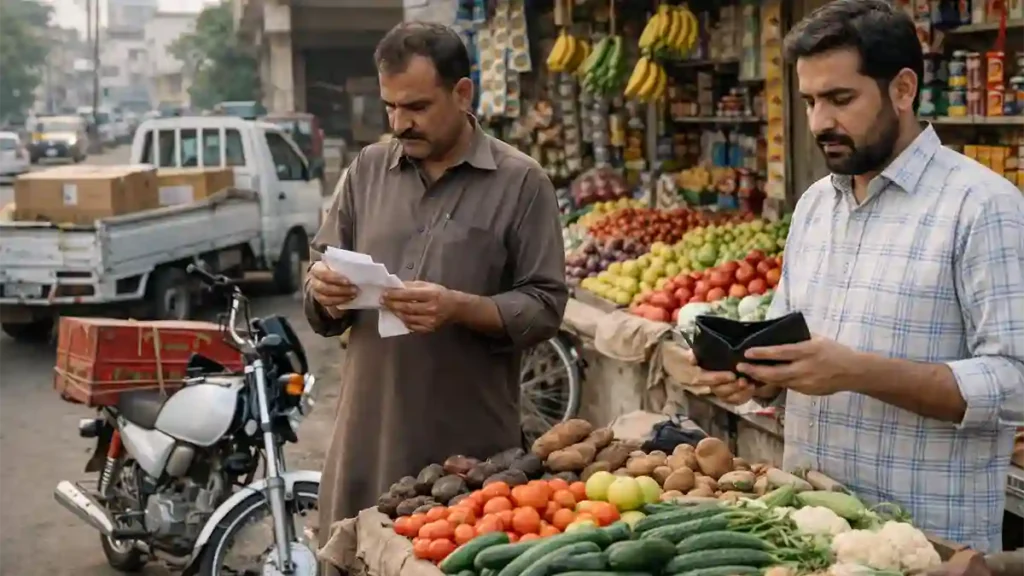
The strongest impact is often felt by people whose work depends on daily travel. Delivery riders, rickshaw drivers, taxi operators, sales workers, and small traders do not treat fuel as a side expense. For them, it is part of the cost of earning a living.
When petrol becomes expensive, their daily income does not automatically rise to match it. That means their profit margin shrinks. A rider may complete the same number of deliveries but take home less money. A driver may work longer hours just to maintain the same income. A small business owner may have to raise prices and risk losing customers.
This is where fuel price increases become more than an economic adjustment. They become a social pressure point. People who are already working on tight margins feel the burden first and most deeply.
Why diesel matters just as much
Public attention often focuses on petrol, but diesel is equally important in understanding the broader effect of a fuel price update. Diesel is widely used in freight transport, heavy vehicles, and commercial logistics. When diesel prices rise, the cost of moving goods across the country also rises.
That is why a fuel increase can influence the price of vegetables, fruits, construction material, consumer goods, and courier services. Goods do not move on their own. They rely on transport, and transport depends heavily on fuel.
This is one reason inflation can remain under pressure even when demand is weak. Rising transport costs push prices upward from the supply side. Consumers may notice this gradually, but the effect is real. First fuel becomes expensive, then transport adjusts, and eventually market prices begin to follow.
The link between petrol prices and inflation
Petrol prices and inflation are closely connected in Pakistan. Fuel costs affect transport, logistics, and production expenses, which then feed into the prices people pay for daily necessities. This does not always happen overnight, but it usually happens in stages.
When fuel prices rise sharply, businesses often absorb the shock for a short time. But they cannot do that forever. Transporters revise fares. Shopkeepers recalculate margins. Service providers add new charges. The result is a broader increase in living costs.
This is why fuel price changes are watched so carefully by policymakers, businesses, and families. They often signal whether inflationary pressure may continue in the weeks ahead.
The government’s challenge
The government faces a difficult balancing act whenever global oil prices rise. On one side, it must deal with the real cost of importing fuel. On the other, it must consider the effect on the public, especially lower income households.
Holding prices down can reduce immediate public pressure, but it also creates a fiscal burden. Passing the full increase on to consumers may protect government finances, but it can intensify inflation and public frustration.
That is why fuel policy often becomes a politically sensitive issue. Any large increase can trigger criticism, while any delay in adjustment can create financial strain elsewhere. The challenge is not only about setting a new rate. It is about managing economic pressure without making life harder for those already struggling.
What people should watch next
In the coming weeks, the most important factors will be global oil market trends, regional stability, exchange rate movement, and the government’s pricing decisions. These will determine whether the current pressure eases or continues.
People should also watch what happens to transport fares, delivery charges, and food prices. Sometimes the petrol rate itself may not change immediately, but its wider economic effects keep spreading. That is often where the real pressure on daily life becomes visible.
Quick FAQ
Why is the petrol price in Pakistan so important?
Because it affects transport, delivery costs, household budgets, and the prices of many everyday goods.
Why do petrol prices increase in Pakistan?
The main reasons include higher global oil prices, import dependence, shipping costs, and exchange rate pressure.
Does a petrol increase affect only car owners?
No. It affects motorcycle riders, public transport users, delivery workers, businesses, and families through higher overall costs.
Why does diesel matter in this discussion?
Diesel is widely used in freight and commercial transport, so higher diesel prices can raise the cost of goods across the market.
How do fuel prices affect inflation?
Higher fuel costs increase transport and operating expenses, which then push up the prices of products and services.
Who feels the impact the most?
Delivery riders, drivers, small traders, transport workers, and lower income households usually feel it first.
Can higher petrol prices affect food prices?
Yes. When transport becomes expensive, the cost of moving food and goods increases, which can raise market prices.
What should readers watch after a fuel price increase?
Watch transport fares, grocery prices, delivery charges, and future government announcements on fuel rates.
Conclusion
The latest petrol price update in Pakistan is not just a routine headline. It is a reminder of how deeply fuel shapes everyday life in the country. From commuting and school runs to freight movement and grocery prices, petrol and diesel influence the cost of living in ways that most people feel very quickly.
For households, higher fuel prices mean tighter budgets. For workers who depend on daily travel, they mean lower margins and more pressure. For businesses, they mean rising operating costs. And for the economy, they raise the risk of broader inflation.
That is why the Petrol New Price in Pakistan matters so much. It is not only about what drivers pay today. It is about how one change at the fuel station can affect spending, earning, and living across the entire country.