Best Small Business Ideas in Punjab With Asaan Karobar in 2026
Small business ideas in Punjab with Asaan Karobar make the most sense when they are built around real local demand, practical costs, and clear room for growth. In 2026, that matters more than ever. Punjab’s Asaan Karobar ecosystem gives entrepreneurs two broad paths: the Asaan Karobar Card 2026, which supports smaller businesses with interest free financing of up to PKR 1 million, and Asaan Karobar Finance, which is designed for larger business needs through the Bank of Punjab, including higher ticket financing for setup, expansion, modernization, and working capital. Official Punjab and Bank of Punjab material presents the program as a serious effort to help small and medium entrepreneurs establish and grow businesses across the province.
That matters because Punjab is already the strongest small business province in Pakistan by scale. Pakistan Bureau of Statistics data for Punjab shows more than 4.36 million establishments in the province, with wholesale and retail trade alone accounting for about 1.88 million establishments. That is a powerful signal: Punjab is not waiting to discover entrepreneurship. It already runs on it. Small shops, service providers, workshops, education linked businesses, food outlets, stitching units, and trading operations are part of everyday economic life.
The province’s business climate also reflects active government support. A Punjab government release stated on December 31, 2025 that the Asaan Karobar Finance and Asaan Karobar Card programs had disbursed Rs70 billion in six months. Whether one looks at that as policy momentum or direct financial support, it shows the scheme has moved beyond announcement stage and into real implementation.
Still, financing alone does not create a good business. The right idea must match local buying habits, the entrepreneur’s skill level, the size of the market, and the kind of costs the owner can control. That is why the best businesses for Asaan Karobar are not always the flashiest ones. They are usually the ones with steady demand, manageable risk, and room to expand in steps.
Why Punjab is ideal for practical small businesses
Punjab has one major advantage that many first time entrepreneurs overlook: it is not one single market. Lahore behaves differently from Faisalabad. Rawalpindi is different from Multan. Gujranwala, Sargodha, Bahawalpur, Sahiwal, Okara, Sheikhupura, and smaller towns each create their own demand patterns. In larger cities, convenience, digital retail, food, uniforms, beauty services, phone accessories, and repairs do well. In semi urban and rural belts, dairy, agri inputs, produce handling, workshops, and livestock linked services can be stronger. The opportunity is not just in starting a business. It is in matching the business to the place.
Punjab also has a strong production base that naturally supports small enterprise. Official Agriculture Department material shows the province has a dominant role in national fruit output, including more than 95% of Pakistan’s citrus, around 66% of mango, and roughly 82% of guava in the cited official overview. That creates opportunity not only in farming, but also in processing, packaging, trading, and value added food businesses.
On top of that, Pakistan’s official economic survey continues to describe livestock as a central pillar of rural household income, noting that more than 8 million rural families are engaged in livestock production. That makes dairy, feed supply, animal care services, and milk based retail businesses especially relevant in Punjab, where agriculture and rural markets remain deeply important.
The point is simple: Punjab gives entrepreneurs multiple ways to win. You do not need to build the next giant company on day one. You need to start with a business model that fits the local economy and your own capacity to run it well.
What kind of business works best with Asaan Karobar?
The strongest fits usually share a few traits.
They solve a common, recurring problem.
They can start lean and improve gradually.
They do not depend on one short season or one viral trend.
They can generate repeat customers.
They keep initial complexity under control.
This is why practical retail, tailoring, dairy, food, repair, e-commerce, and small processing businesses often make more sense than grand ideas that look impressive on paper but struggle in the real market.
In general, the Asaan Karobar Card is a better fit for smaller, fast moving businesses where inventory, supplies, and daily operating needs matter most. The Finance side is more suitable for setups that need machinery, interior fit out, workshop tools, production equipment, or structured expansion. That is not a strict rule, but it is a useful way to think about the difference.
1. Neighborhood kiryana and essentials store
A well run neighborhood grocery and essentials store remains one of the safest business models in Punjab. People buy tea, flour, snacks, oil, milk, soap, detergent, and household basics every day. That daily demand matters more than trend based excitement. A grocery business can survive economic ups and downs because it sells need based products rather than luxury spending.
The modern version of this business is stronger than the old style cramped kiryana shop. A smart setup is clean, organized, easy to shop, and digitally aware. It may also add services like mobile top up, order taking through WhatsApp, or simple home delivery inside the neighborhood. The advantage is not only what you sell, but how reliably and conveniently you sell it.
This idea fits Asaan Karobar particularly well because it can start small, rotate stock quickly, and improve over time. Punjab’s large retail base makes the model commercially familiar and socially trusted. That reduces execution risk for new entrepreneurs compared with more complex ventures.
2. School uniform and ladies tailoring business
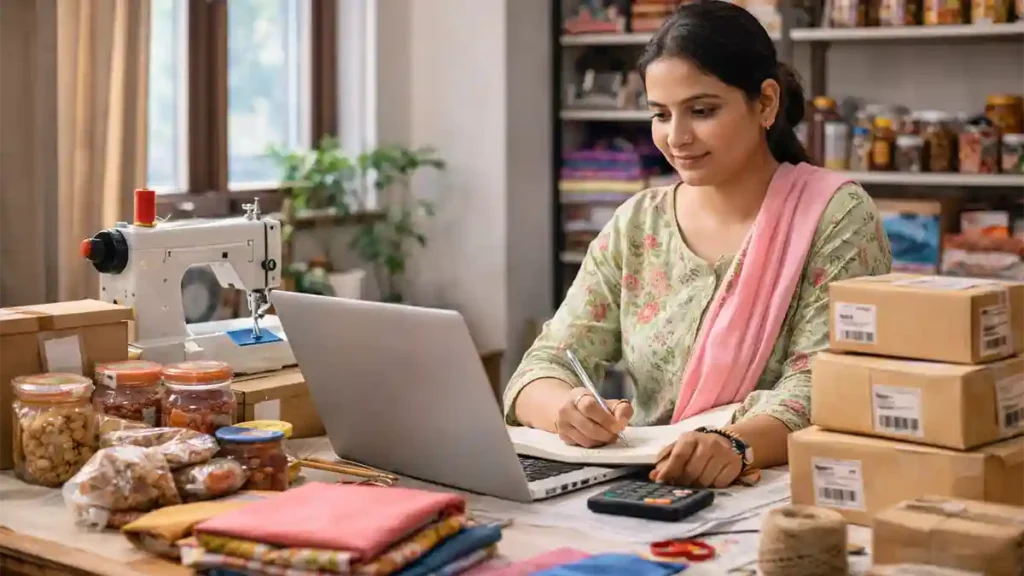
Tailoring is one of the most realistic and adaptable small business ideas in Punjab, especially for women entrepreneurs, home based businesses, and family run setups. Demand comes from several directions at once: school uniforms, everyday stitching, simple alterations, boutique style clothing, festival wear, and custom orders for regular clients.
The real strength of tailoring is that it does not have to remain a one machine service forever. A small stitching business can grow into a uniform supplier, a ready to wear local brand, a WhatsApp based pret business, or a small multi machine unit that handles custom and bulk orders together. That makes it a flexible business with room for both steady income and gradual scaling.
Punjab’s garment development push adds another layer of relevance. Official Punjab material on Garment City describes the initiative as part of a broader effort to strengthen textile manufacturing through exports, skill development, women empowerment, and job creation. That does not mean every tailoring business becomes a factory, but it does show that garment related work sits inside a larger and growing economic ecosystem.
3. Dairy retail and value added milk products
Punjab and dairy are a natural match, but many people think too narrowly about the sector. They imagine only fresh milk delivery. In reality, a better business model is often a small dairy retail setup with two or three value added products added to it. Fresh yogurt, lassi, paneer, cream, desi ghee, and tea shop supply can all improve margins and help the business stand out.
This business works especially well in neighborhoods and semi urban markets where trust and cleanliness matter. A modest dairy brand with consistent quality often performs better than an unbranded seller with no presentation or quality control. The owner does not need to begin with a large farm. A smaller model based on careful sourcing, clean handling, packaging, and regular customers can be more manageable and more profitable.
Official economic data supports the logic behind this idea. Livestock remains deeply tied to rural household income in Pakistan, which means dairy linked business is rooted in a real, durable economic base rather than a passing trend.
4. Pickles, chutneys, jams, and dehydrated produce
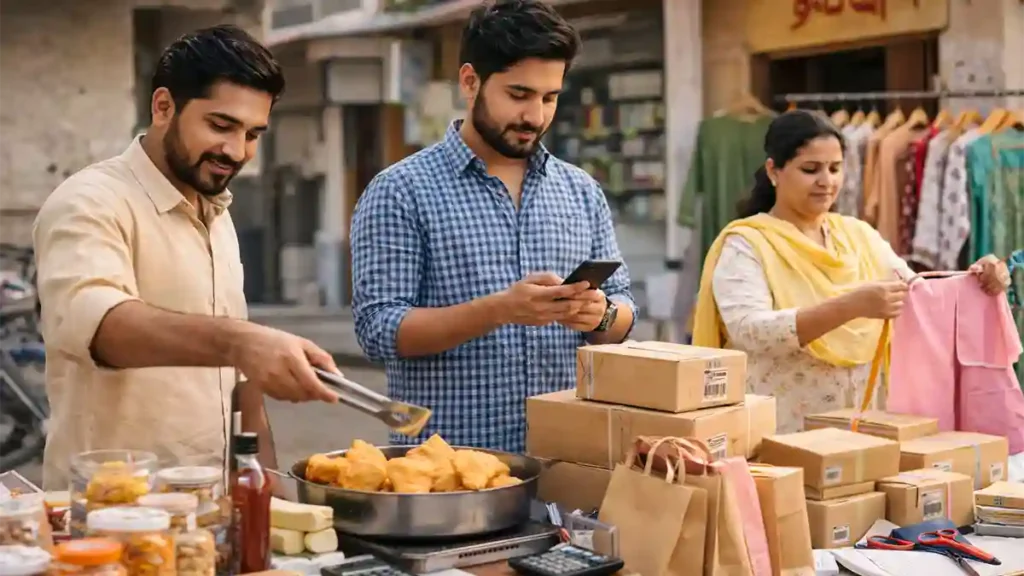
One of the smartest ways to use Punjab’s agricultural strength is through value added food processing. A province with strong fruit and vegetable output naturally creates room for small businesses that preserve, package, or transform produce into higher value items. Pickles, chutneys, jams, dried fruits, dried vegetables, spice blends, fruit pulp, and kitchen ready ingredients are all examples.
This kind of business has a major advantage: it can convert seasonal abundance into longer shelf life and better margins. Instead of relying only on raw produce sales, the entrepreneur creates a branded product with wider selling potential. That opens doors to local shops, gift packaging, online selling, and even small wholesale arrangements.
Punjab’s official agriculture overview supports the basic business case here because the province has a strong share in key fruit categories, especially citrus, mango, and guava. That raw material advantage is one of the reasons food processing and produce based micro manufacturing can make sense in Punjab more than in many other places.
5. Vegetable nursery or tunnel farming support business
A good Punjab business does not always require owning large agricultural land. Sometimes the smarter move is to serve the growers rather than become one yourself. A nursery business focused on seedlings, trays, vegetable plants, tunnel farming support, or related agri supplies can work very well in peri urban and farming belts.
This idea is appealing because it combines agriculture with repeat service. Growers need seedlings, inputs, advice, and seasonal support. A well run nursery can become a trusted local source for healthy plants and practical guidance. Over time, it can expand into basic agri accessories, drip related items, or targeted crop support.
The business is especially suitable for entrepreneurs who already understand farming patterns in their area. Knowledge matters here. A person who can guide growers on timing, seedling health, and local crop demand has a clear advantage over someone who is simply trying to open something.
6. Agri input store
An agri input store is one of the most grounded business ideas for Punjab, especially in towns and villages where growers need convenient access to everyday farm supplies. Seeds, basic crop accessories, small tools, sprayers, pipe fittings, fertilizers, and routine agricultural inputs create recurring demand in many areas.
The key to success is professionalism. A weak agri store sells whatever is available. A strong agri store builds trust by maintaining useful stock, understanding seasonal demand, and serving customers honestly. Farmers return to the supplier who saves them time, offers practical help, and keeps the right items ready when needed.
This idea is particularly suitable for someone with a farming family background or strong local credibility. In those cases, the business does not begin from zero trust. It starts with a relationship advantage, which is often more valuable than marketing.
7. Home kitchen, bakery, or frozen snacks brand
Food remains one of the most resilient small business categories in Punjab because it solves a daily problem. People need convenient meals, tea time items, school snacks, frozen ready to cook products, and reliable homemade food options. That makes the category attractive for small entrepreneurs, especially those who can start from home and build gradually.
The strongest food businesses usually do not try to offer everything. They specialize. One business may focus on frozen samosas and rolls. Another may build around parathas and kebabs. Another may serve lunch boxes for offices or students. A bakery brand might focus on tea cakes, rusks, cookies, or fresh snacks. Narrow focus often beats a confused menu.
This model can work well with Asaan Karobar because startup spending can be directed toward productive assets: ovens, freezers, utensils, packaging, labeling, hygiene improvements, and small scale branding. The mistake to avoid is overspending on appearance before the business has proven repeat demand.
8. E-commerce resale and social commerce business
For young entrepreneurs in Punjab, e-commerce is one of the most attractive 2026 business paths. It has a lower physical setup burden than many traditional businesses and gives the owner access to a wider market. The simplest version is product resale through WhatsApp, Instagram, Facebook, or a small online store. The stronger version is a niche brand with its own packaging, photos, and customer experience.
The best e-commerce businesses are usually focused, not random. They choose one category and get good at it: women’s accessories, home décor, stitched dresses, kitchen products, baby items, modest wear, gift products, or local packaged foods. When the business adds cleaner packaging and faster customer handling, it begins to look far more credible.
Official policy direction supports this category. Pakistan’s draft e-Commerce Policy 2.0 presents digital commerce as a key driver of competitiveness and inclusive growth, with a strong focus on payments, logistics, onboarding, SMEs, women entrepreneurs, youth, and underserved regions. That broader direction makes e-commerce especially relevant for Punjab based small businesses that want to combine low entry cost with growth potential.
9. Mobile accessories and repair counter
A mobile accessories and repair counter is one of those businesses that works because people use phones every day and constantly need small replacements. Cables, chargers, covers, earbuds, power banks, tempered glass, and minor repairs generate regular demand. In the right location, a focused shop can perform well without the scale required by a larger electronics business.
This model is strongest near colleges, markets, bus stops, dense residential areas, and mixed commercial zones. It can also grow in stages. A small accessories counter can later add repairs, used device trade, simple software help, and online local delivery.
This is not a complicated business, but it does require discipline. Low quality stock can damage trust quickly. The owner who maintains better accessories, fair pricing, and reliable service usually builds stronger repeat business than the one chasing the cheapest possible sale.
10. Small garment stitching or finishing unit
This idea goes beyond standard tailoring. A small garment unit may handle school uniform batches, simple ready made production, embroidery finishing, packing, label attachment, or outsourced stitching work. In textile linked cities and industrial belts, this can become a meaningful growth business.
Punjab’s official garment city agenda makes the category especially relevant. The government’s stated goal is to create a world class garment manufacturing hub that supports exports, skills, women empowerment, and jobs. For small entrepreneurs, that means garment work is not isolated cottage activity. It can connect to wider local supply chains and production ecosystems.
This kind of business is more suitable for entrepreneurs who can manage workflow, deadlines, workers, and consistent output quality. It is not as simple as a single tailoring desk, but it offers stronger scaling potential if managed well.
11. Solar service and maintenance micro business
Energy remains a practical issue for homes, shops, and agriculture linked users across Punjab. That is one reason a small solar installation, maintenance, or after sales service business can be a strong idea in 2026. This does not require building a giant company from the start. It can begin as a local service based operation focused on installation support, cleaning, troubleshooting, fitting, and basic upgrades.
The business becomes even stronger if the entrepreneur has technical knowledge or can work with a trained installer. Many customers do not only need panels. They need someone who can explain the system, fix minor problems, and respond when performance drops. That service layer creates trust and repeat referrals.
A technical business like this is not for everyone, but for the right operator it can become more scalable than ordinary resale.
12. Motorcycle workshop and spare parts business
Motorcycles are central to daily movement in Punjab. They are work tools, commuting vehicles, and delivery vehicles. That makes repair and maintenance a constant need. A motorcycle workshop paired with a spare parts counter can become a dependable business in many towns and urban clusters.
The advantage here is practicality. Customers do not wait for trends when they need puncture work, oil change, brake repair, service, chain work, or common part replacement. A workshop that is honest, reasonably fast, and well stocked can build a strong local reputation.
This business is particularly suitable for someone who already has repair skills or can partner with a reliable mechanic. Like many strong Punjab businesses, it is not glamorous. It wins because it stays useful.
Which ideas fit best with Asaan Karobar?
For smaller, faster moving, lower complexity setups, the strongest options are:
kiryana and essentials retail,
tailoring and uniforms,
small dairy retail,
food brand or frozen snacks,
mobile accessories,
e-commerce resale.
These ideas are generally easier to launch, easier to understand, and more manageable for first time entrepreneurs.
For more structured setups with higher growth potential, stronger fits include:
garment units,
produce processing,
agri input stores,
solar services,
motorcycle workshops,
larger dairy value add operations.
These models usually benefit more from equipment, fit out, tools, or organized expansion capital. That aligns well with the broader purpose of Asaan Karobar Finance as described by the Bank of Punjab.
How to choose the right business for your city
The best business idea is not the one that sounds modern. It is the one that suits your area, your daily routine, and your ability to manage it.
If you live in a residential neighborhood, essentials retail, tailoring, dairy, and food can be strong.
If you are in a college or market zone, mobile accessories, snacks, and fast services may perform better.
If you are close to farming belts, dairy, agri inputs, nursery support, and produce handling can make more sense.
If you have stronger digital skills than shop management skills, e-commerce may be the better route.
The biggest mistake is choosing a business only because someone else made it look easy. A good business depends on local fit, not imitation.
What to avoid
Asaan Karobar can help build a business, but it should not be treated like free money for experimentation without discipline.
Avoid opening in an expensive location before proving demand.
Avoid stock heavy businesses with slow moving products.
Avoid categories where you do not understand quality control.
Avoid overdecorating the shop before building sales.
Avoid trying to sell too many unrelated things at once.
Avoid choosing a business that depends on one season or one passing social media trend.
A smaller, sharper business is usually stronger than a bigger, confused one.
Quick FAQ
What is the difference between Asaan Karobar Card and Asaan Karobar Finance?
The Asaan Karobar Card is an interest free digital SME card for small entrepreneurs in Punjab with support of up to PKR 1 million and a 3 year repayment term in the official overview. Asaan Karobar Finance is the larger Bank of Punjab backed stream, with Tier 1 above PKR 1 million to PKR 5 million and Tier 2 above PKR 5 million to PKR 30 million, at 0% end user rate and repayment up to 5 years.
Which businesses are best suited to the Asaan Karobar Card?
The Card is generally a better fit for smaller, inventory led or digitally managed businesses such as kiryana retail, mobile accessories, online resale, small dairy retail, and compact food operations. That is a practical inference from the official card size and digital structure.
Can a new business apply under Asaan Karobar Finance?
Yes. The official Bank of Punjab page says the finance scheme covers setting up new business, along with expansion, modernization/replacement, working capital, and lease of commercial logistics.
Do I need to be a tax filer?
For Asaan Karobar Finance, the official page says applicants must be registered and active tax filers with FBR and must have a valid NTN. For the Asaan Karobar Card, the official overview notes that registration with PRA/FBR is mandatory within six months of card issuance.
What is the age requirement?
The official Card overview lists 21 to 57 years. The official Bank of Punjab page for Asaan Karobar Finance lists 25 to 55 years on the date of application.
Are rural business ideas in Punjab also suitable?
Yes. In fact, some of the strongest rural ideas are dairy retail, agri inputs, seedling or nursery businesses, produce processing, and solar linked farm services. That is consistent with official data showing how central livestock, agriculture, and small enterprise are to household incomes and Punjab’s production structure.
Are women led businesses a good fit for Asaan Karobar?
Absolutely. Tailoring, uniforms, boutique stitching, food brands, e-commerce, and beauty linked services are often strong entry points. The broader policy environment also supports this: official Punjab garment city material explicitly mentions women empowerment, and the Finance scheme includes reduced equity requirements for women, transgender persons, and differently abled persons under Tier 2.
What is the biggest mistake people make after getting financing?
They spend too much on appearance and too little on the business engine. A better rule is to spend first on stock, productive equipment, quality, packaging, and customer retention. Furniture, flashy signage, and oversized rent should come later.
Final thoughts
Punjab is one of the best provinces in Pakistan for small business because it combines population scale, established market habits, agricultural strength, and a large base of existing microenterprises. Asaan Karobar adds a timely financing layer to that environment, but the real opportunity still depends on choosing wisely.
For most first time entrepreneurs, the safest path is not a dramatic startup story. It is a solid, repeatable business built around real customer need. Retail essentials, tailoring, dairy, food, mobile accessories, and e-commerce remain some of the strongest choices because they are grounded in everyday demand. For those with stronger technical, agricultural, or operational capability, produce processing, garment units, solar services, agri inputs, and workshops offer bigger scaling potential.
The best small business idea in Punjab is the one that matches your market, your skills, your discipline, and your ability to stay consistent after the excitement of starting fades. That is where Asaan Karobar can become truly useful: not as a shortcut, but as a tool for building something practical, steady, and capable of growth.






One Comment