Samsung Galaxy S26 Ultra Leaks: Specs, Price & Feb 25 Launch
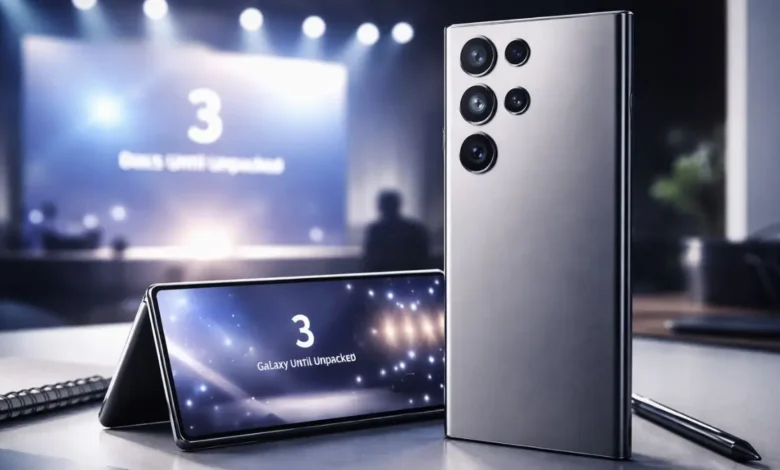
Samsung Galaxy S26 Ultra leaks are accelerating, and the most interesting part is not one flashy number on a spec sheet. It’s how the pieces fit together: the design choices that affect comfort, the camera changes that impact consistency, and the battery and charging decisions that determine whether this phone feels effortless in real life.
This guide is written for two kinds of readers:
- People who want a clean, modern summary of what’s rumored (without hype or confusion).
- People who want to understand what those rumors mean day to day: photos, video, heat, performance, charging speed, and long term value.
A key point up front: the “Feb 25 launch” framing is based on leaks and speculation. Until Samsung confirms the date, treat it as expected rather than guaranteed. Leaks can be accurate, partially true, or wrong in details like charging wattage, battery capacity, and camera hardware.
With that said, here’s the deep dive.
(1) The Feb 25 launch rumor: announcement vs availability
When leaks say launch, they often mix three different milestones:
- Announcement day (the event where Samsung reveals the phone).
- Pre-order window (when early buyers lock in deals).
- Retail availability (when you can walk into a store and buy it).
If Feb 25 is the event date, the phone may still ship in early March depending on region and supply. This matters for planning upgrades, trade ins, travel purchases, and content calendars.
Practical takeaway: if you care about preorder incentives, the event day matters. If you just want the phone in hand, the shipping date matters more than the stage presentation.
(2) A leak reliability checklist (so you don’t get misled)
Not all leaks are equal. Here’s a quick way to judge what’s likely:
More credible
- Multiple independent reports saying the same thing
- Retail listings that show storage tiers or color names
- CAD renders that match consistent design elements
Less credible
- One off spec lists with every number final
- Pricing claims without regional context
- Camera hardware claims that conflict across sources
Use this mindset while reading the rest: some features are probable, others are possible, and a few are wishful.
(3) Design: comfort upgrades matter more than cosmetic changes
The Ultra line has a built in challenge: it’s big, heavy, and camera rich. Even small changes to corners, frame curvature, and weight distribution can dramatically improve daily comfort.
What leaks are hinting at
Several leaks describe a move toward more rounded corners and a slightly friendlier silhouette. That may sound minor, but it impacts:
- One handed grip
- Long reading sessions
- S Pen note taking comfort
- Pocket feel
The camera bump question
Leaks also suggest a rear camera design adjustment (possibly a more unified module). Whether that’s purely aesthetic or reflects larger sensors is the real question.
Practical takeaway: design leaks become meaningful when they affect grip, durability, or pocketability. If Samsung improves ergonomics, that’s a real upgrade even without a “wow” factor.
(4) Display: where the Ultra usually wins (and what could be new)
Samsung’s Ultra displays typically lead on:
- Peak brightness
- Contrast and HDR impact
- Smoothness at high refresh rates
- Sharpness for reading and editing
Privacy display rumors what it could mean
Some rumors point to a privacy focused display feature meant to reduce shoulder surfing. There are a few ways Samsung could implement this:
- A viewing angle mode that makes the screen harder to read from the sides
- A software driven privacy filter for selected apps
- A context mode (for example, automatically reducing visibility when not facing you)
The risk is obvious: heavy privacy filtering can compromise color accuracy or brightness. Ultra users often edit photos and videos on device, so Samsung has to keep it optional and well tuned.
Practical takeaway: if Samsung demos privacy features, check whether they’re controllable and whether they affect image quality. A privacy mode is only a win if it’s flexible.
(5) Performance: why the chipset name matters less than efficiency
Many leaks point to a next generation Snapdragon chip, sometimes labeled with a rumored name like Snapdragon 8 Elite Gen 5. The exact branding is less important than the real world improvements:
What you should actually care about
- Sustained performance: does it stay fast during long gaming or video recording?
- Thermals: does it get hot enough to throttle or feel uncomfortable?
- Efficiency: does it drain battery on 5G, navigation, and camera use?
- AI performance: does on device processing feel instant and reliable?
At this level, raw benchmark spikes are not the headline. Stability is.
Practical takeaway: the best Ultra performance upgrade is not faster for 30 seconds. It’s fast and cool for 30 minutes.
(6) Software: One UI as the real Ultra feature
Ultra phones are hardware showcases, but the experience is driven by One UI:
- Split screen and multitasking
- S Pen workflows
- Camera modes and processing
- Productivity features (notes, capture, search, translation)
Leaks may mention Android and One UI version numbers, but the better way to think about it is: what changes are coming to the Ultra identity?
What Ultra buyers want in 2026
- Smoother multitasking with fewer reloads
- Smarter background management without breaking apps
- AI features that are useful, not gimmicky
- A clear long term update promise
Practical takeaway: if Samsung announces new AI tools, watch whether they run on-device, whether they’re region limited, and whether they require accounts or subscriptions.
(7) AI features: the quiet shift shaping every flagship
Modern flagships are increasingly AI forward, but that label only matters when it improves daily tasks:
AI that actually helps
- Better night photos and motion handling
- Cleaner zoom results without heavy artifacts
- Audio cleanup in video
- Smarter transcription and translation
- Faster on device search across notes, screenshots, and files
AI that feels like marketing
- Features that require perfect lighting and staged demos
- Tools that need constant cloud access
- Capabilities locked behind region limits
Practical takeaway: the best AI features are invisible. They show up as fewer bad photos, clearer video, and less friction in everyday tasks.
(8) Cameras: the 200MP headline is easy; consistency is hard
Rumors often keep a 200MP main camera narrative because it’s an easy headline. But megapixels are not the reason people love the Ultra line. The real differentiators are:
- Reliable HDR without weird halos
- Natural skin tones
- Strong video stabilization
- Predictable shutter behavior in indoor light
- Zoom that looks clean instead of painted
What leaks imply (in practical terms)
Even if the hardware mix changes only slightly, Samsung can still deliver big improvements through:
- Better motion capture (less blur)
- Cleaner computational zoom
- More natural image processing presets
- Improved low light detail without aggressive smoothing
Two upgrades that would feel huge
- Indoor motion improvement (kids, pets, nightlife shots)
- More natural processing (less over sharpening, fewer artificial textures)
Practical takeaway: don’t judge the S26 Ultra camera by sensor numbers. Judge it by consistency across difficult scenes.
(9) Battery: the most important area, and the most disputed in leaks
Battery rumors often conflict because capacity, chemistry, and internal layout are hard to confirm from the outside.
What to assume safely
- Battery capacity may not jump dramatically.
- Efficiency improvements might matter more than capacity.
- AI workloads and camera processing can increase power demands.
What to watch at launch
- Screen on time in mixed use (not only video playback tests)
- 5G drain during travel
- Camera recording battery impact
- Idle drain overnight
Practical takeaway: a same size battery can still feel better if the chip and display are more efficient and thermals are improved.
(10) Charging: why 60W (if true) is only half the story
Rumors frequently mention faster wired charging (for example, 60W). But charging wattage is not the same as charging experience.
What matters more than a watt number
- Time from 0 to 50% (the most useful range)
- Heat generated while charging
- Speed consistency (some phones slow dramatically after a few minutes)
- Battery health protection over time
Wireless charging and Qi2 rumors
Qi2 talk often includes the magnetic alignment discussion. Some leaks suggest Samsung may support Qi2 style alignment through cases rather than built in magnets. If Samsung avoids magnets, it could be due to compatibility concerns, internal space, or stylus related considerations.
Practical takeaway: the best charging upgrade is fast, cool, predictable. If Samsung delivers that, it’s a real win.
(11) Storage and RAM: the hidden value of the right configuration
Ultra buyers tend to keep phones longer, so configuration choices matter.
A realistic buyer guide
- 256GB: fine for general use, cloud first habits
- 512GB: best balance for heavy camera users
- 1TB: ideal for creators, travelers, and people who want zero storage anxiety
RAM matters most when you:
- multitask heavily
- keep many apps open
- edit video
- game for long sessions
Practical takeaway: if preorder deals include a storage upgrade, that often delivers more long term value than a small price discount.
(12) Price expectations: how to read leaked pricing without getting fooled
Pricing leaks are often the weakest because:
- countries have different taxes and import structures
- currency shifts can change final prices
- Samsung can adjust bundles instead of base MSRP
A smart way to judge value
Instead of focusing on the rumored starting price, look at:
- trade in value caps
- storage upgrade offers
- accessory credits
- warranty or protection bundles
- financing terms
Practical takeaway: the real Ultra deal is usually the preorder package, not the headline price.
(13) Who the S26 Ultra is really for
Leaks tend to target enthusiasts, but Samsung sells Ultras to working adults who want one device that does everything.
The Ultra fits you if you want:
- the best Samsung camera system (especially zoom versatility)
- a big, premium display for reading and editing
- top tier performance for years
- a productivity phone with stylus workflows
You may not need it if:
- you prefer smaller phones
- you rarely use the camera beyond casual shots
- you mainly want social media and messaging
- you upgrade every year and discounts matter more than marginal gains
Practical takeaway: the Ultra is best for people who use their phone as a tool, not a toy.
(14) Should you wait for the S26 Ultra or buy now?
Here’s a decision framework that doesn’t waste your time:
Wait if:
- your current phone still works well
- you want the newest camera tuning and chipset efficiency
- you plan to trade in and benefit from launch deals
- you care about charging and battery improvements
Buy now (or buy last gen) if:
- you find a major discount today
- your battery health is failing
- you need an upgrade immediately for travel or work
- you don’t care about incremental improvements
Practical takeaway: waiting is only smart if launch day improvements match what you personally need.
(15) What to watch on Feb 25 (if the event happens then)
Leaks can’t answer these reliably, but the event will:
- Real camera samples in indoor light
- Zoom quality at mid and far ranges
- Charging speeds with real timings
- Battery claims tied to realistic usage
- Heat management during 4K/8K recording
- AI features: on device vs cloud
- Region differences in specs and features
- Preorder offers that change the value equation
Practical takeaway: the moment Samsung shows real camera and charging behavior, most spec sheet leaks stop mattering.
Quick FAQ
Is the Galaxy S26 Ultra confirmed for Feb 25?
Not officially confirmed here. Feb 25 is widely rumored, so treat it as an expected date until Samsung announces it.
What is the biggest rumored upgrade?
Most leaks emphasize a next gen Snapdragon chipset and improvements tied to efficiency and performance.
Will the S26 Ultra have Qi2 magnetic charging built in?
Rumors are mixed. Some suggest alignment may rely on cases rather than built in magnets.
Are we getting a new 200MP main camera?
The 200MP headline is common in rumors, but the more important story is processing improvements and consistency.
Will battery capacity increase?
Battery rumors conflict. Even without a large capacity jump, efficiency gains can still improve real battery life.
What software will it ship with?
Leaks mention new Android and One UI versions, but the real value is in features: multitasking, AI tools, and camera processing.
Will the S26 Ultra be expensive?
Ultra phones are premium. The smarter metric is total preorder value: trade in, storage upgrades, accessories, and protection bundles.
Should I upgrade from an older Ultra model?
If you want the latest camera tuning, efficiency, and charging improvements, waiting makes sense. If you can get a strong deal on a previous Ultra, value may favor buying now.
Conclusion: a refinement flagship with meaningful real world stakes
The Galaxy S26 Ultra leak cycle points toward a phone that’s likely to refine what Samsung already does well: display excellence, camera versatility, and power user experience. The biggest unanswered questions are the ones that actually affect daily life: battery behavior, charging heat, and camera consistency in difficult conditions.
If Samsung nails those fundamentals, the S26 Ultra won’t need a dramatic redesign to feel like a true upgrade. And if Feb 25 is the reveal date, the smartest move is simple: watch for the real world demos, then judge the phone by the outcomes you care about not the most quoted numbers.




2 Comments