Healthy Eating Basics: Plate Method for Healthy Eating That Actually Works
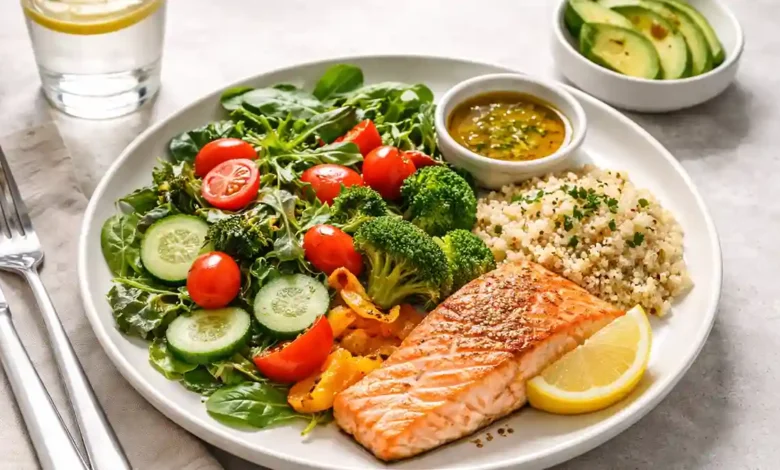
Plate method for healthy eating is the simplest way to build a balanced meal without tracking every bite or turning dinner into a complicated project. It’s visual, flexible, and realistic: you look at your plate, divide it into sections, and fill each section with the kinds of foods that support energy, fullness, and long-term health.
If you’ve tried strict diet rules before, you already know the usual pattern. You start strong, you follow the plan for a few days, then real life shows up: a busy schedule, a family meal, a restaurant order, or a craving that feels louder than your willpower. The plate method is different because it doesn’t depend on perfection. It gives you a structure you can use at home, at work, while traveling, and even at celebrations.
The best part is that it doesn’t ask you to quit your culture’s food, your favorite meals, or your personality. It simply helps you arrange those foods in a way that makes sense for your body.
This guide will walk you through the plate method in a modern, practical way. You’ll learn how to build a balanced plate, avoid common mistakes, plan meals faster, and make the method work for your goals without repeating the same boring “eat clean” advice you’ve already heard.
What the Plate Method Is (In One Clear Picture)
Think of your plate as a simple blueprint:
- Half the plate: mostly non-starchy vegetables (and sometimes fruit)
- One quarter: protein (lean or plant-based)
- One quarter: smart carbs (ideally whole grains or starchy vegetables)
- Plus: a small amount of healthy fats and a better drink choice
That’s the whole method.
It’s not a strict diet. It’s a meal-building framework that improves your “default settings” so healthy choices happen more often, without constant effort.
Why This Method Works When Motivation Runs Out
Most people don’t struggle with nutrition because they lack information. They struggle because they’re overwhelmed. Too many rules create friction, and friction kills consistency.
The plate method works because it solves the most common problems in everyday eating.
(1) It reduces decision fatigue
Instead of asking, “Is this food allowed?” you ask a more useful question: “Where does this belong on the plate?”
That switch makes meals feel simple again, even when you’re tired.
(2) It improves meal balance without tracking
Many people eat meals that are heavy in refined carbs, light in vegetables, and low in satisfying protein. That combo can lead to hunger soon after eating. A balanced plate fixes that pattern naturally.
(3) It supports portion control without feeling like punishment
Portion control is easier when your plate has a clear structure. You aren’t guessing what “enough” looks like. You’re using a visual guide that keeps meals satisfying while preventing accidental over-serving.
(4) It’s flexible across cultures and budgets
Whether you eat rice, roti, pasta, couscous, tortillas, or bread, the method still works. You simply place the carb in its quarter, then protect the vegetable half and the protein quarter.
The Real Goal: A Balanced Plate You Can Repeat
A balanced plate is not about “perfect macros.” It’s about building meals that do three things at once:
- Keep you full (protein + fiber + volume)
- Support steady energy (quality carbs + balanced fats)
- Improve diet quality (more produce, more whole foods, fewer empty calories)
When those three happen regularly, results follow weight management becomes easier, cravings calm down, and you feel more in control around food.
The Plate Breakdown (With Practical Food Choices)
(1) Half Plate Vegetables (The Foundation)
This section is the most powerful part of the method. Vegetables add fiber, minerals, antioxidants, and a satisfying “bulk” that helps you feel full.
Great non-starchy vegetable options:
- Leafy greens: spinach, arugula, lettuce, kale
- Crunchy veg: cucumbers, carrots, bell peppers
- Cooked staples: broccoli, cauliflower, zucchini, okra, cabbage, eggplant, green beans
- Flavor boosters: onions, garlic, herbs, lemon
What if you’re not a “salad person”?
No problem. Half your plate can be roasted vegetables, stir-fry vegetables, vegetable soup, sautéed greens, or even a veggie-heavy curry. The point is volume and variety, not raw lettuce.
Where does fruit fit?
Fruit can sit inside the “half plate” at breakfast or as a side at lunch, especially when vegetables are limited. A piece of fruit is also a strong dessert alternative when you want something sweet without feeling heavy.
(2) Protein Quarter (Your “Stay-Full” Anchor)
Protein helps you stay satisfied after the meal. It also supports muscle maintenance and recovery, which matters for everyone not only athletes.
Lean protein choices:
- Chicken, turkey, fish, shrimp
- Eggs
- Greek yogurt, cottage cheese
- Lean meat in moderate portions
Plant protein choices:
- Lentils, chickpeas, beans
- Tofu, tempeh, edamame
- A mix of legumes + grains (like lentils with rice)
- Nuts and seeds (best as add-ons, not always the main protein)
A simple rule: choose a protein you enjoy and can prepare easily. If protein is difficult, you’ll skip it and hunger will catch you later.
(3) Carb Quarter (Smart Carbs, Not Random Carbs)
Carbs are not automatically “bad.” The issue is usually type and amount.



Better carb choices for the quarter:
- Whole grains: brown rice, oats, barley, quinoa, whole wheat
- Starchy vegetables: potatoes, sweet potatoes, corn, peas
- Legumes: beans and lentils can count here if you used another protein
Carbs that often cause trouble (because they’re easy to overdo):
- Sugary drinks
- Pastries, sweets, candy
- Huge servings of refined bread, white rice, or fries as the main feature
You don’t need to fear carbs. You need a place for them. The carb quarter gives you that place.
(4) Healthy Fats (Small Amount, Big Impact)
Healthy fats make meals taste better and help you feel satisfied. They also support the absorption of certain vitamins. The key is portion awareness because fats are calorie-dense.
Healthy fats to use:
- Olive oil, avocado oil
- Nuts and seeds
- Tahini, peanut butter (moderate amounts)
- Avocado
A drizzle of olive oil on vegetables can improve both flavor and satisfaction. That tiny addition often makes the whole meal easier to stick with.
(5) Drinks (The Hidden Part of the Plate)
A balanced plate can be undermined by liquid calories.
Best default choices:
- Water (still or sparkling)
- Tea or coffee with minimal sugar
- Unsweetened drinks
Save sugary drinks for occasional moments, not daily routine especially if your goal is weight management or stable energy.
The “Simple Plate Method” in 60 Seconds (A Repeatable Routine)
Use this quick build every time you eat:
- Start with vegetables: fill half the plate first.
- Add protein: choose one reliable option.
- Add smart carbs: pick one carb source and keep it in the quarter.
- Finish with healthy fat: drizzle, sprinkle, or add a small side.
- Choose a better drink: water first.
This is healthy meal planning without stress.
What This Looks Like in Real Meals (Not Fantasy Meals)
Example 1: Simple home dinner
- Half plate: roasted broccoli + carrots + peppers
- Protein quarter: grilled chicken or baked fish
- Carb quarter: brown rice or potatoes
- Healthy fats: olive oil drizzle, a few nuts, or tahini
- Drink: water with lemon
Example 2: Vegetarian plate that keeps you full
- Half plate: sautéed spinach + mixed salad
- Protein quarter: lentils or tofu
- Carb quarter: quinoa or whole wheat bread
- Healthy fats: olive oil + seeds on top
Example 3: South Asian-style balanced plate
- Half plate: mixed sabzi + salad (cucumber, tomato, onion, lemon)
- Protein quarter: dal, grilled chicken, or fish curry
- Carb quarter: roti or a smaller serving of rice
- Healthy fats: controlled cooking oil; yogurt as a side if you like
Example 4: Middle Eastern-inspired plate
- Half plate: fattoush-style salad + grilled vegetables
- Protein quarter: grilled chicken, fish, or chickpeas
- Carb quarter: small rice portion or whole grain bread
- Healthy fats: olive oil, tahini, or a few olives
How to Apply the Plate Method at Breakfast
Breakfast often becomes “carbs plus caffeine,” then you feel hungry mid-morning. The plate method fixes that by adding protein and produce.
Balanced breakfast ideas
- Eggs + vegetables + whole grain toast
- Greek yogurt + fruit + nuts + oats
- Oats cooked with milk + seeds + fruit + side of eggs
- Savory wrap: eggs or beans, vegetables, and a whole wheat wrap
Your breakfast doesn’t need to be huge. It needs to be balanced enough that you don’t crash later.
How to Use the Plate Method for Snacks (Without Over-Snacking)
Snacks aren’t “bad.” Random snacks are the problem.
A good snack usually includes protein or fiber (ideally both).
Better snack patterns:
- Fruit + yogurt
- Nuts + fruit
- Hummus + vegetables
- Cheese + cucumber/tomato
- Boiled eggs + fruit
If you snack mostly on refined carbs, hunger returns quickly and cravings increase.
Using the Plate Method for Your Goal
If your goal is weight management
- Protect the half plate vegetables most days
- Keep protein steady (lean protein helps)
- Place carbs in the quarter instead of letting them take over
- Watch sauces, sugary drinks, and “extra bites” that don’t satisfy
This method works because it improves fullness and lowers mindless overeating, without turning meals into anxiety.
If your goal is better energy and focus
- Choose whole grains more often than refined grains
- Pair carbs with protein and vegetables
- Avoid huge sugar spikes from sweet drinks or dessert-heavy meals
Most “energy problems” are really “meal balance problems.”
If your goal is stable blood sugar
The plate framework is especially useful because it encourages:
- more non-starchy vegetables
- a solid protein anchor
- controlled carbohydrate portions
- fewer sugary drinks
If you have a medical condition or use glucose-lowering medication, personalize with your healthcare professional, but the plate structure is still a strong foundation.

Restaurant Eating: Do the Plate Method Without a Plate
Restaurant meals often come carb-heavy and vegetable-light. You can still use the method by “mapping” your order.
Restaurant strategy that works:
- Start with vegetables: salad, grilled veg, veggie soup, extra side vegetables
- Choose a protein: grilled, roasted, or bean-based
- Pick one carb source: rice or bread or fries
- Keep sauces controlled: dressing on the side, lighter creamy sauces
- Choose a better drink: water or unsweetened
If your meal arrives unbalanced, fix it quickly:
- Ask for extra vegetables
- Add a side salad
- Share the carb-heavy side
No drama, just small corrections.
Common Mistakes (And How to Fix Them Fast)
Mistake 1: The “vegetables” are mostly fries or chips
Potatoes can be part of the carb quarter, but fries often behave like snack food because they’re easy to overeat.
Fix: keep potatoes sometimes, but add non-starchy vegetables as the half plate.
Mistake 2: Protein is too small, so you snack later
A meal without enough protein often leads to constant grazing.
Fix: add a clear protein choice: eggs, yogurt, chicken, fish, lentils, tofu.
Mistake 3: Healthy food, heavy sauces
Creamy sauces, sugary dressings, and extra oil can transform a balanced plate into a calorie bomb.
Fix: use sauces as accents, not the main event.
Mistake 4: Drinks don’t match the goal
A balanced lunch plus a sugary drink can cancel progress.
Fix: keep sugary drinks occasional, not daily.
The Plate Method on a Budget (Yes, It’s Possible)
Healthy eating gets expensive when you chase “special” foods. The plate method works best with simple staples.
Budget-friendly tools:
- Frozen vegetables (often cheaper and convenient)
- Canned beans/lentils
- Eggs
- Whole grains in bulk (oats, brown rice)
- Seasonal fruit
- Yogurt in larger containers
A “perfect” diet is expensive. A consistent balanced plate doesn’t have to be.
A Weekly Plate-Method Prep Plan (Easy, Not Over-Organized)
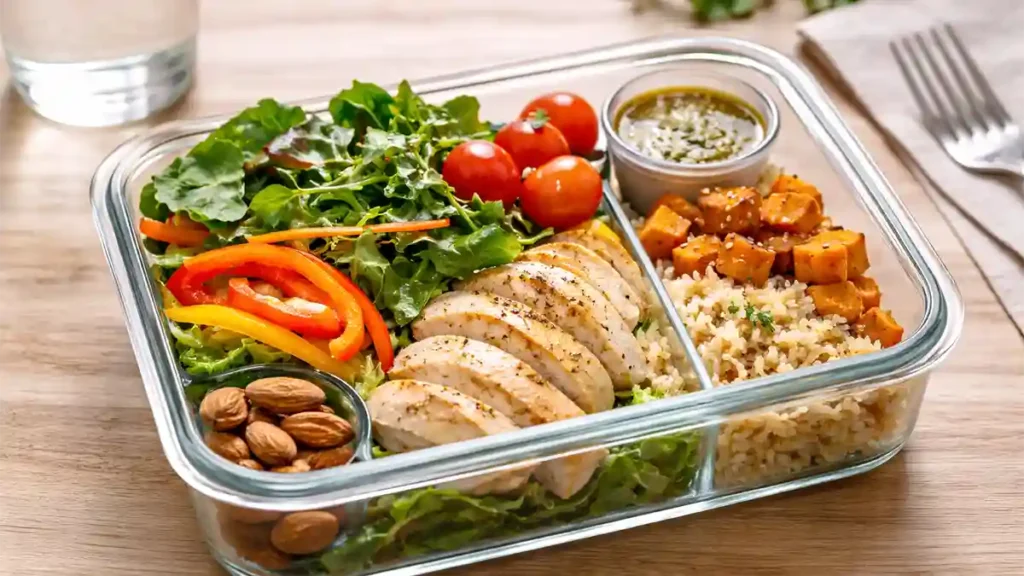
You don’t need a complicated meal prep routine. You need a few prepared building blocks.
Step 1: Choose 2 proteins for the week
Examples:
- grilled chicken + lentils
- eggs + tuna
- tofu + yogurt
Step 2: Choose 3 vegetable options
One quick salad vegetable, one cooked vegetable, one frozen backup.
Step 3: Choose 1–2 smart carbs
Brown rice, quinoa, potatoes, whole wheat bread, or oats.
Step 4: Keep “backup meals”
- eggs + vegetables + toast
- lentil soup + salad
- canned beans + rice + vegetables
- yogurt + fruit + nuts
When you have backups, you don’t panic-order food that doesn’t match your goals.
Mini Case Example: How the Plate Method Changes a Typical Day
Before (common pattern):
- Breakfast: sweet pastry + coffee
- Lunch: large rice dish with minimal vegetables
- Snack: chips or cookies
- Dinner: heavy carbs, light protein, almost no vegetables
After (plate method version):
- Breakfast: yogurt + fruit + nuts + oats
- Lunch: half vegetables, protein quarter, rice quarter
- Snack: fruit + nuts or hummus + vegetables
- Dinner: vegetables + protein + small carb portion, healthy fat as drizzle
Notice what changed: not “diet food,” but structure. The meals are more filling, cravings calm down, and the day feels steadier.
How to Make It Feel Easy (So You Actually Keep Doing It)
- Make vegetables convenient. Pre-washed greens, frozen vegetables, chopped salad ingredients.
- Pick proteins you can repeat. If cooking protein feels hard, you’ll skip it.
- Use one reliable carb. Don’t create ten options. Keep it simple.
- Stop chasing perfection. Aim for “most meals,” not “every meal.”
- Keep the method visible. A sticky note on the fridge works: “Half veg, quarter protein, quarter carbs.”
When the method becomes automatic, results become predictable.
Quick FAQ
1. Is the plate method good for beginners?
Yes. It’s visual, easy to remember, and doesn’t require tracking or special products.
2. Do I need to count calories with the plate method?
Not usually. The structure encourages portion control naturally, which is why many people find it sustainable.
3. Can I use the plate method for weight loss?
Yes. It tends to improve fullness and reduces overeating by prioritizing vegetables and a solid protein portion.
4. What if I don’t like vegetables?
Start with the vegetables you tolerate (cucumber, carrots, soup vegetables, cooked options) and expand slowly. Cooked vegetables often feel easier than raw.
5. Are carbs allowed on the plate method?
Absolutely. Carbs belong in the quarter, ideally as whole grains or starchy vegetables rather than refined snacks.
6. How do I do this when eating out?
Choose a vegetable side, pick a protein-based main, and keep carbs to one portion. Ask for sauces on the side when possible.
7. Is the plate method okay for vegetarians?
Yes. Use beans, lentils, tofu, and yogurt/eggs (if you eat them) as protein, then build the rest of the plate the same way.
8. What’s the fastest way to start today?
At your next meal, add one extra vegetable and make sure you have a clear protein portion. That one upgrade often changes the whole day.
Conclusion: The Simplest System Wins
Healthy eating doesn’t need extreme rules to be effective. The plate method for healthy eating works because it makes balance visible, reduces confusion, and fits real life. You can apply it at home, in restaurants, on busy days, and with cultural foods you love.
Start with one meal today. Build the plate with the half-and-quarter structure, add a small healthy fat, and choose a better drink. Repeat tomorrow. Consistency will do what motivation can’t.