Pakistan Festivals Calendar: Dates, Traditions, and Travel Tips
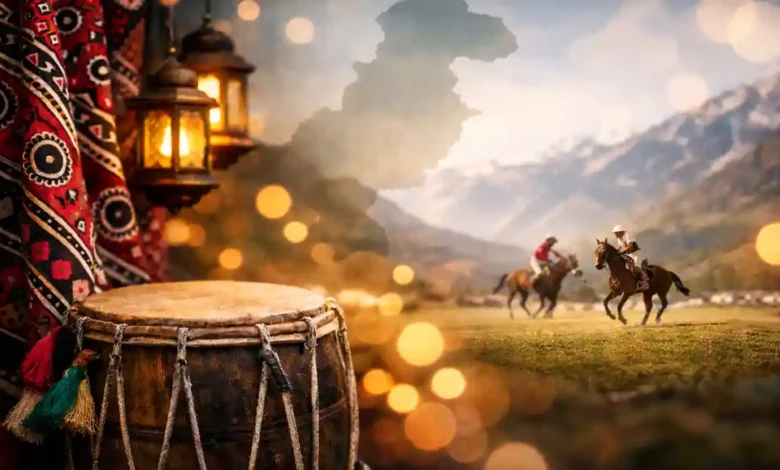
Pakistan festivals calendar planning is the quickest way to turn a regular trip into a “you had to be there” experience. In Pakistan, festivals aren’t just scheduled entertainment. They’re community days when cities glow later, families travel across provinces, food becomes a shared language, and local identity shows up in music, crafts, clothing, and ritual.
If you’ve ever wondered why one festival has a fixed date, another shifts every year, and a third seems to happen “when the weather is right,” you’re not alone. Pakistan’s festival life runs on three overlapping calendars, and once you understand them, your planning becomes easy and far more enjoyable.
This guide gives you a clean, traveler-friendly festival map: key dates that don’t change, Islamic celebrations that move with the moon, and regional cultural festivals that follow seasons, harvests, and local tradition. You’ll also get practical advice on transport, crowd management, photography etiquette, and what to book early.
Why Pakistan’s Festivals Feel So Different
Pakistan is a patchwork of landscapes and cultures: deserts and coastlines, plains and high mountains, megacities and small valleys. Festivals reflect that variety.
- In big cities, festivals look like lights, markets, family visits, and late-night food streets.
- In the north, festival energy often comes with altitude polo grounds, valley dances, and summer gatherings when roads reopen.
- In Sindh and Punjab, cultural days and shrine festivals can draw crowds that feel like a living river of devotion and celebration.
For travelers, festivals provide something guidebooks can’t always deliver: a direct window into local life, without needing to “perform tourism.” You show up with respect, follow a few basic rules, and the country does the rest.
The 3 Calendars You Must Know (So You Don’t Miss the Moment)
(1) Fixed-date national holidays (Gregorian calendar)
These happen on the same date every year, making them easy to plan. Examples include:
- Kashmir Solidarity Day – 5 February
- Pakistan Day – 23 March
- Labour Day – 1 May
- Independence Day – 14 August
- Quaid-e-Azam Day / Christmas – 25 December
These days often bring ceremonies, public events, and traffic changes in major cities.
(2) Islamic festivals (lunar calendar)
Islamic celebrations follow the Hijri lunar calendar, so they move about 10–11 days earlier each year in the Gregorian calendar. In Pakistan, the final dates are commonly tied to moon-sighting announcements, so your best strategy is to plan by festival window rather than one fixed date.
Key Islamic events include:
- Ramadan (month of fasting)
- Eid-ul-Fitr (end of Ramadan)
- Eid-ul-Adha (festival of sacrifice)
- Muharram / Ashura (especially 9–10 Muharram)
- Eid Milad-un-Nabi
- Shab-e-Barat
If your trip depends on Eid dates in Pakistan, always double-check closer to travel.
(3) Regional cultural festivals (seasonal + local tradition)
These events often follow:
- weather patterns (especially in the mountains),
- agricultural seasons,
- local heritage calendars,
- community scheduling.
They’re some of the most memorable experiences but they require flexible planning.
Quick Festival Planning Cheat Sheet
| Best time to visit | What you can catch | Where it shines | Best for |
|---|---|---|---|
| Spring (Mar–May) | Pakistan Day, spring cultural events, northern spring celebrations | Islamabad, Lahore, Gilgit-Baltistan | Comfortable weather + culture |
| Summer (Jun–Aug) | Eid travel rush (some years), Kalash summer festival, northern sports festivals | Chitral, Kalash valleys, northern valleys | Big scenery + major events |
| Autumn (Sep–Nov) | Cultural melas, heritage fairs, Islamabad festivals | Islamabad, Lahore, Karachi | Great weather + easier logistics |
| Winter (Dec–Feb) | Sindhi Cultural Day, Kalash winter festival, shrine seasons | Sindh, Chitral, Punjab cities | Deep culture + fewer tourists |
Pakistan Festivals Calendar: Month-by-Month Guide (Travel-Friendly)
A quick note before we dive in: Islamic festivals and many shrine urs gatherings shift each year, so treat the timing below as a planning framework. Fixed-date public holidays are stable; everything else is best viewed as a likely seasonal window.
January: Quiet Season, Strong Culture
January is ideal if you prefer fewer crowds. The festival calendar is lighter, but culture doesn’t disappear especially in older cities.
What to do
- Explore heritage neighborhoods, bazaars, and food streets.
- Visit major shrines respectfully (daytime is calmer).
- Enjoy winter comfort food and evening markets.
Travel note
In Punjab and Sindh cities, evenings can be chilly pack layers.
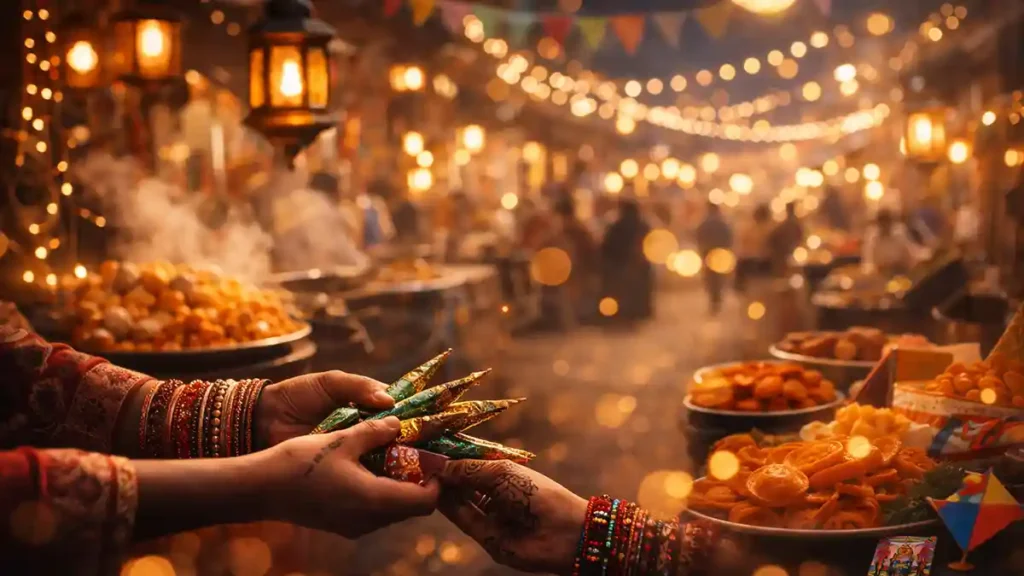
February: National Observance + Traditional Melas
Kashmir Solidarity Day (5 February)
A national public holiday with rallies, official events, and heavy traffic in some areas.
Traveler tip: If you’re in a large city, expect road closures and plan short-distance movement.
Traditional fairs (often February)
Some of Pakistan’s traditional rural fairs tend to land around this time, depending on local scheduling.
What to expect: folk performances, craft stalls, livestock shows (in some regions), and strong community attendance.
Travel tip: Go early in the day, keep valuables minimal, and consider a local guide if you’re visiting a rural mela for the first time.
Shrine urs season (variable)
Several major urs gatherings can occur during late winter, depending on the lunar calendar. These events combine devotion, qawwali, charity meals, and very large crowds.
Respect tip: Dress modestly, avoid intrusive photography, and follow security guidance.
March: National Pride + Spring Energy
Pakistan Day (23 March)
A major national day. You may see ceremonies, parades (in some places), and public celebrations.
Traveler tip: If you’re sightseeing in Islamabad, allow extra time for traffic changes.
Northern spring celebrations (around late March)
In parts of northern Pakistan, communities mark spring with cultural gatherings and traditional foods, often linked to seasonal renewal.
Travel tip: Early spring in the mountains can still bring road challenges. Keep buffer days in your plan.
April: Ramadan Nights (When Ramadan Falls Here)
In years when Ramadan lands in April, Pakistan’s evenings transform:
- markets stay busy late,
- families gather after iftar,
- food streets become social hubs.
Respect tip: In conservative areas, avoid eating or drinking in public during fasting hours. Hotels and tourist-friendly restaurants usually guide visitors gently.
May: Comfortable Weather + Cultural Highlights
Labour Day (1 May)
A fixed public holiday.
Kalash spring festival window (mid-May)
The Kalash valleys (near Chitral) are known for distinctive seasonal festivals tied to community tradition and springtime.
What you’ll see
- bright clothing,
- music and dance,
- community rituals and gatherings.
Traveler tip: Ask before close-up portraits. Many visitors are welcome, but respect matters especially during ritual moments.
June: Peak Movement (Some Years) + Eid Planning
Eid-ul-Adha window (varies by year)
Eid brings a powerful sense of community, family visits, and generous hospitality but it also creates the year’s biggest travel rush.
What changes during Eid
- intercity transport sells out,
- many businesses reduce hours or close briefly,
- hotels fill quickly in popular cities and tourist areas.
Smart approach: If you want Eid atmosphere without stress, base yourself in one city and do short day trips rather than hopping between provinces.
Late June / Early July: Northern Festival Season Begins
High-altitude polo and summer events (late June–early July window)
Northern Pakistan’s summer festival season often includes polo and sports traditions in spectacular valley settings.
Why it’s special
- dramatic scenery,
- community crowds,
- music and local food,
- a true “summer in the mountains” vibe.
Responsible travel tip: Mountain regions are environmentally sensitive. Keep waste minimal, carry a small trash bag, and choose operators who respect local rules.
August: National Celebration + Summer Culture
Independence Day (14 August)
Pakistan turns green and white. Expect flags, decorations, music, and big night celebrations.
Travel tip: Great for atmosphere, but plan for crowded streets and potential closures.
Kalash summer festival window (mid-to-late August)
A major Kalash summer festival often falls in this window and is connected to seasonal gratitude and community tradition.
Travel tip: Book early. Chitral routes and lodging can fill up during festival periods.
Shrine festivals (variable)
Large shrine gatherings can also occur in different years around this season depending on lunar dates.
Safety + comfort note: Arrive early, keep your phone secure, and avoid pushing into dense crowd centers.
September: National Observances + Quieter Travel
September tends to be calmer for tourism while still offering cultural depth.
Defence Day (6 September)
You may see ceremonies and public tributes.
Traveler tip: In major cities, allow extra time for transport near official venues.
October: Autumn Adventure + Northern Events
October is often a sweet spot for Pakistan travel: clearer skies in many regions, comfortable city temperatures, and stunning northern landscapes.
Adventure and rally season (often October window in the north)
Some northern desert and valley regions host motorsport and adventure events during autumn.
Travel tip: Nights can turn cold quickly in Skardu/Shigar and nearby areas pack warm layers even if daytime feels mild.
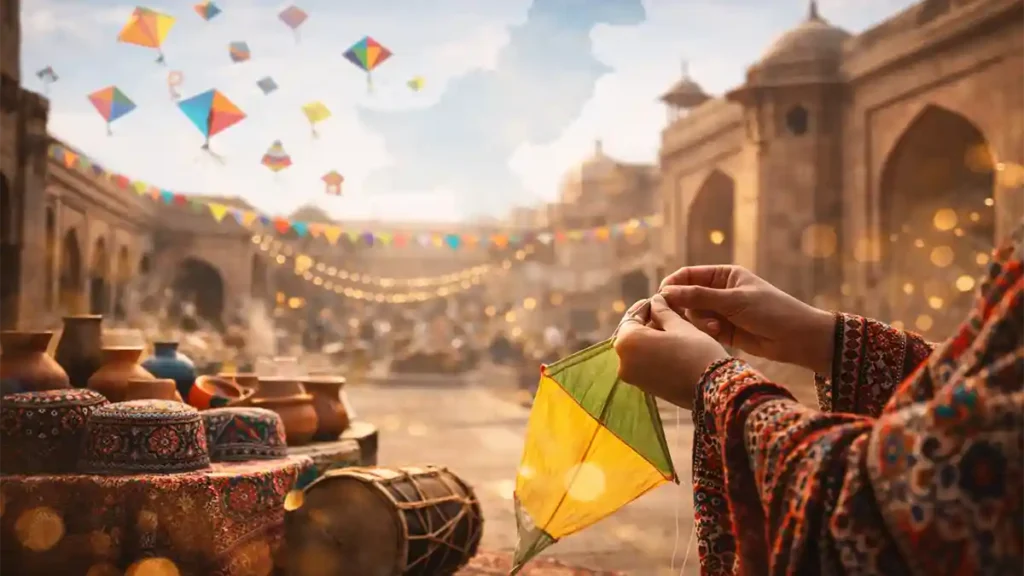
November: The Best “All-in-One” Culture Month
For many travelers, November is the easiest time to enjoy Pakistan cultural festivals with smoother logistics and comfortable weather.
Islamabad cultural festival season (often early-to-mid November)
Major cultural events in Islamabad commonly bring:
- regional craft stalls,
- folk music,
- food from multiple provinces,
- family-friendly evening programs.
Why it’s ideal for visitors
You can experience “many Pakistans in one place” without long-distance travel.
Crowd tip: Weekday afternoons are calmer; nights feel more festive.
December: Heritage Days + Winter Festivals
Sindhi Cultural Day (first Sunday of December)
A vibrant heritage celebration Ajrak, caps, music, gatherings, pride.
Travel tip: Hyderabad and Karachi can be energetic and crowded on the main day. Stay central to reduce travel time.
Kalash winter festival window (mid-December)
The Kalash winter season brings a different mood more intimate, seasonal, and deeply traditional.
Travel tip: Winter in the valleys means colder nights. Confirm heating and power arrangements if you’re staying in remote lodges.
Quaid-e-Azam Day / Christmas (25 December)
A fixed public holiday that brings national remembrance and year-end rhythms.
How to Plan Islamic Festivals Without Getting Burned by Date Changes
If you’re planning around Pakistan public holidays plus Eid dates in Pakistan, this simple method works:
- Choose a window, not a single day.
Aim for a 4–7 day period around the expected festival. - Confirm closer to travel.
Moon-sighting announcements can shift the final date by a day. - Book transport earlier than usual.
Even budget buses and domestic flights can fill fast. - Expect different city rhythms.
During Eid, mornings are slow, afternoons are family time, evenings are lively.
What Festival Traditions Look Like on the Ground
Food is part of the celebration
Festival travel in Pakistan is delicious: sweets, grilled snacks, street chai, and special dishes at family gatherings. During religious events, you may see charity meals and shared food traditions that highlight community care.
Music and rhythm show identity
From devotional qawwali near shrines to folk drums at cultural melas, sound becomes a map of where you are and what people value.
Clothing is cultural storytelling
Ajrak, embroidered caps, shawls, regional patterns these aren’t costumes. They’re identity markers. You don’t need to dress “like a local,” but modest clothing and curiosity go a long way.
Pakistan Travel Tips for Festivals (Practical, Not Generic)
Book the right things early
- Festival in a major city: book lodging early, but keep your schedule flexible.
- Festival in remote regions: prioritize transport and road planning first, then accommodation.
- During Eid: assume high demand everywhere and lock essentials quickly.
Move smart, not fast
Festival weeks are not the best time to do intense “city hopping.” Instead:
- pick one main base,
- do short day trips,
- avoid tight transport connections.
Dress and packing basics
- Breathable modest clothing works almost everywhere.
- Comfortable shoes are essential for melas, shrines, and bazaars.
- Carry a light scarf useful for sun, dust, or modest coverage where needed.
Crowd comfort and safety
Big gatherings can be joyful but intense.
- Keep a zipped pocket for essentials.
- Avoid flashing expensive gear.
- Set a simple meetup point if you’re with others.
- Step back if crowds feel too tight comfort matters.
Photography etiquette (fast rules)
- Ask before close portraits.
- Avoid photographing prayer or ritual moments up close.
- Don’t block pathways or entrances for the shot.
- Be especially respectful at shrines.
Three Ready-to-Use Festival Itineraries
Itinerary A: First-Timer Culture Cities (7–10 Days)
Lahore → Islamabad → (optional) Multan
Best for: food culture, heritage walks, national holiday atmosphere, easier logistics.
Itinerary B: Northern Festivals + Valleys (10–14 Days, Summer)
Chitral → Kalash Valleys → Northern valley extension (as road conditions allow)
Best for: unique community festivals, scenic travel, cultural depth.
Itinerary C: Autumn North (7–10 Days)
Skardu/Shigar region → scenic drives + local cultural evenings
Best for: crisp weather, dramatic landscapes, autumn events.
Common Mistakes (And How to Avoid Them)
- Assuming Eid dates are fixed: they shift, so plan a window.
- Overpacking the itinerary: festival crowds slow everything down schedule fewer moves.
- Treating shrines like tourist attractions: they’re spiritual spaces act accordingly.
- Ignoring weather in the north: mountain plans live and die by road conditions.
- Leaving waste behind: especially damaging in valleys and high-altitude regions.
Quick FAQ
Which festivals are easiest for first-time visitors?
Cultural festivals in Islamabad and major city public holidays are the simplest.
Is Eid a good time to travel in Pakistan?
Yes for atmosphere, tougher for transport book early and move less.
Do festival dates change every year?
National holidays don’t; Islamic festivals and many cultural events can.
What should I wear at festivals?
Modest, breathable clothing and comfortable shoes keep it simple.
Conclusion: How to Use This Calendar Like a Local (Even If You’re New)
Pakistan’s festivals are best experienced with two mindsets: curiosity and flexibility. Curiosity helps you appreciate why a small valley celebration matters as much as a national holiday. Flexibility helps you handle the reality of shifting lunar dates, busy transport weeks, and weather-driven schedules.
Use the fixed-date holidays as anchors. Treat Islamic festivals as date windows you confirm closer to travel. And plan regional cultural festivals around seasons not rigid days. If you do that, your trip won’t feel like a checklist. It will feel like Pakistan opened a door into real life warm, loud, generous, and unforgettable.