Pakistan Current Affairs: What’s Changing and What It Means
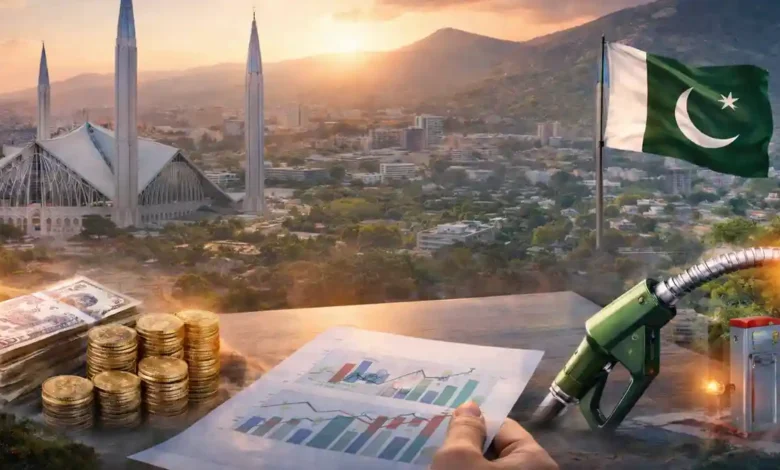
Pakistan current affairs can feel like ten different conversations happening at the same time: inflation, politics, court decisions, security incidents, IMF headlines, power bills, border tensions, and sudden policy announcements. But most of these stories are connected. In Pakistan, the major shifts usually move together: security affects politics, politics shapes economic confidence, and economic policy lands directly on household budgets.
As Pakistan moves through 2026, the country is in a transition phase. Some indicators suggest the economy is stabilizing compared with the peak-crisis period, yet many people still feel squeezed because the cost of living remains high, incomes are uneven, and trust in institutions is under stress. The result is a mixed reality: progress in certain numbers, pressure in everyday life.
This guide explains what is changing, why it is changing, and what it means for citizens, businesses, students, investors, and the diaspora – without jargon, without noise, and without repeated claims.
The Big Picture: A Shift From “Crisis Mode” to “Stability Mode”
One of the most important things to understand about Pakistan current affairs is that stability and comfort are not the same.
Stabilization can improve while daily life stays difficult
When inflation slows, prices usually stop rising fast. That does not mean prices go back to where they were. Many families are still dealing with higher grocery bills, expensive school fees, and rising rents, even if the overall inflation rate looks better than before.
Policy choices are becoming more constrained
Pakistan’s options are influenced by three hard realities:
- Limited fiscal space (government money is tight)
- External financing needs (dollars still matter)
- Security pressure (stability concerns shape decisions)
That combination pushes governments to prioritize short-term control and long-term reforms at the same time. It is a difficult balancing act, and it is why changes can feel abrupt.
(1) The Economy: Cooling Inflation, Lower Rates, and the Cost-of-Living Gap
Economic news can sound technical, but it becomes simple when you connect it to daily life: income, prices, jobs, and confidence.
Inflation is down, but affordability is still the issue
Pakistan has experienced a sharp fall in headline inflation compared with the extreme period people remember. This is meaningful: slower price growth reduces the speed at which budgets get destroyed.
But the cost of living does not automatically reset. If a household budget doubled during high inflation, “lower inflation” mainly means it may stop worsening quickly. It does not mean it becomes easy again.
What this means for households:
- Grocery prices may rise more slowly, but still stay high.
- Rents often follow their own cycle and can keep climbing.
- School and healthcare costs remain heavy because they rarely fall.
Interest rates are easing, but borrowing remains selective
Lower policy rates can support growth. They also reduce government borrowing pressure and can improve financing conditions for businesses.
However, credit does not always flow evenly. Banks lend to those who look safest, especially when economic uncertainty remains. So even if the policy rate drops, small businesses may still face high costs or stricter requirements.
What this means for businesses:
- Stable rates can help planning.
- Export-oriented firms benefit when financing is predictable.
- Small firms still need stronger documentation and cash-flow discipline.
Growth is the goal, but confidence is the fuel
Pakistan needs growth that creates jobs, not growth that only shows up in a chart. For that, confidence matters: businesses invest when they believe rules will be consistent and demand will be stable.
Confidence rises when inflation is controlled, reserves improve, and policies look predictable. Confidence falls when politics is chaotic, security worsens, or policy changes feel sudden.
(2) The IMF Effect: Why Reforms Are Moving Faster Now
In Pakistan, the IMF is not just a headline. It is a major driver of timelines.
Why the IMF matters in plain English
When Pakistan is under an IMF program, the country receives financing in exchange for reforms. That typically means:
- Fiscal discipline (spending control)
- Revenue improvement (tax collection)
- Energy sector fixes (tariffs, losses, governance)
- Structural reforms (SOEs, competition, transparency)
The IMF does not run daily governance, but it can shape which choices are available and when they must be made.
(A) Taxes and documentation are tightening
Broadening the tax base is one of the most repeated reform goals in Pakistan. Over time, that usually leads to:
- More digital tracking
- More invoice and record requirements
- More pressure on cash-heavy sectors
- Less tolerance for informal loopholes
What this means for citizens and traders:
- Compliance matters more than before.
- Businesses that stay informal face higher risk.
- People may see stronger enforcement in retail and services.
If enforcement becomes fair and consistent, it can reduce the burden on salaried and already-compliant taxpayers. If enforcement becomes selective or confusing, it can create anger and distrust. The difference is governance quality.
(B) Energy reform is no longer optional
Energy is one of Pakistan’s most stubborn economic problems. It affects inflation, competitiveness, and household frustration.
Reform usually includes:
- Tariff adjustments (painful but often necessary)
- Better targeting of subsidies (help where needed)
- Loss reduction (theft, inefficiency, governance)
- Investment and maintenance (reliability, capacity, grid upgrades)
What this means for households:
- Bills may remain volatile, especially during adjustments.
- Subsidies may become more targeted, not universal.
- Reliability may improve only if governance improves.
What this means for industry:
- Predictable energy costs matter as much as low costs.
- Reliability is critical for exports and manufacturing schedules.
(C) SOEs and privatization are back in focus
State-owned enterprises have long drained resources through losses, inefficiency, and politically driven decisions.
When governments talk about reforming or privatizing SOEs, the public usually worries about jobs and fairness. Those concerns are valid. But the underlying logic is also clear:
- If SOEs keep losing money, budgets get squeezed.
- When budgets get squeezed, development spending suffers.
- When development spending suffers, services and infrastructure lag.
The key is how reforms are done. Transparent processes build confidence. Weak processes deepen cynicism.

(3) The External Account: Reserves, the Rupee, and the Confidence Cycle
Pakistan’s economic stability is highly sensitive to dollars. That is why foreign exchange reserves, remittances, and export performance are always in the spotlight.
Why reserves matter
Think of reserves as a national buffer:
- They reduce panic during shocks.
- They support the currency.
- They help pay for essential imports.
- They reduce the fear of sudden restrictions.
When reserves rise, the economy becomes less fragile. When reserves fall, everything becomes more expensive and uncertain.
Remittances remain a stabilizer
Remittances support household consumption, education, and savings. They also help national stability by improving foreign currency flows.
For many families, remittances are not just “support from abroad.” They are a major part of survival and upward mobility.
Exports need strength, not just survival
Pakistan needs export growth to reduce vulnerability. If exports stagnate while imports remain necessary, pressure returns.
What this means:
- The country needs productivity upgrades, not just short-term fixes.
- Export policy needs consistency: industries cannot invest if rules change every few months.
- Skills, logistics, and energy reliability are export policy too.
(4) Politics and Governance: High Polarization, Institutional Stress, and a Tougher Climate
Pakistan’s political environment shapes everything from investor confidence to social trust.
Polarization makes policy harder
When politics becomes zero-sum, policy continuity suffers. Projects are paused, priorities shift, and decision-making becomes reactive.
This creates three common outcomes:
- Short-term decisions dominate long-term planning.
- Institutions become battlegrounds rather than problem-solvers.
- Public debate becomes emotional and less evidence-based.
Governance is increasingly security-driven
In periods of heightened security concern, governments often move toward tighter control:
- Stronger enforcement tools
- Higher surveillance
- Reduced tolerance for disruptive politics
- A more controlled public space
Some citizens support this because they want stability. Others fear it because they worry about rights and accountability. Both reactions are understandable. The real question is whether institutions apply laws consistently and protect due process.
Trust is the hidden currency
Economic reforms can work only when people believe:
- rules apply fairly,
- corruption is being reduced,
- and institutions have credibility.
Without trust, even good reforms create resistance. With trust, painful reforms can still be accepted because people believe they are part of a real plan.
(5) Security: The Factor That Changes Everything
Security is not a side story in Pakistan. It reshapes budgets, foreign relations, domestic politics, and public confidence.
Why security trends matter
When security threats rise:
- Tourism weakens
- Investment slows
- Governance becomes more restrictive
- Development priorities shift toward immediate stability
Security also has a psychological impact: when people feel unsafe, they prioritize protection over reform debates.
The economic cost of insecurity
Insecurity raises the cost of doing business:
- transport becomes riskier
- insurance costs rise
- projects face delays
- investor confidence declines
This is why security is directly linked to jobs and growth. It is not just a law-and-order issue. It is an economic issue.
(6) Foreign Policy and Regional Dynamics: Why the Neighborhood Feels Closer Than Ever
Pakistan’s location makes foreign policy a daily-life issue.
India-Pakistan tensions and domestic impact
Even brief escalations can shift national focus toward defense and stability. They can also trigger waves of misinformation that inflame public mood and complicate diplomacy.
For citizens, the impact shows up as:
- political narratives becoming more intense
- budget priorities shifting
- uncertainty for trade and regional connectivity
Afghanistan and border realities
Border dynamics influence:
- security conditions in border regions
- trade and transport routes
- diplomatic stability
- internal political debate about strategy
In Pakistan current affairs, foreign policy often feels “domestic” because regional events quickly land on internal stability.
Gulf ties and economic breathing room
Pakistan’s relations with Gulf countries matter because they affect:
- remittances
- investment
- energy cooperation
- job opportunities for Pakistani workers abroad
For many families, Gulf ties are not abstract diplomacy. They are the difference between financial stress and financial stability.
(7) Climate, Water, and Agriculture: The Slow Crisis Turning Into a Permanent Priority
Climate pressure is becoming a central policy issue, not a seasonal discussion.
Why climate now sits inside economic planning
Pakistan faces repeated shocks:
- floods and extreme rainfall
- heatwaves
- water stress
- crop volatility
These shocks hit:
- food prices
- rural incomes
- infrastructure
- health systems
Water management is becoming unavoidable
Water issues are not just environmental. They are political and economic.
In the coming years, expect stronger debate about:
- water pricing and conservation
- irrigation efficiency
- urban water systems
- provincial coordination
The country can no longer treat water as an unlimited resource. When water policy changes, agriculture changes. When agriculture changes, food prices change. And when food prices change, politics changes.
(8) What It Means for Different Groups in Pakistan
The same national shift looks different depending on where you stand.
For households
- Lower inflation helps, but cost-of-living remains high.
- Energy bills and rent can still feel like the biggest problem.
- Job security matters more than financial “optimism.”
Practical move: Focus on budgeting around essentials, and track policy changes that directly affect bills (energy tariffs, fuel pricing, education costs).
For small businesses and traders
- Documentation and compliance are becoming essential.
- Policy stability matters more than one-time incentives.
- Financing may improve gradually as rates ease, but banks remain cautious.
Practical move: Strengthen records, invoicing, and digital payments. Formalization reduces future shocks.
For students and job seekers
- The job market rewards export-linked skills: tech, design, logistics, healthcare, engineering, and remote services.
- Traditional pathways remain important, but global competition is real.
Practical move: Combine a core skill with a marketable layer (communication, digital tools, portfolio, certifications).
For the diaspora
- Remittances remain powerful at both household and national levels.
- Diaspora investment depends heavily on confidence and predictability.
Practical move: Watch reserves, exchange-rate stability, and policy continuity if planning investment.
For investors
Investors look for direction:
- credible reform signals
- consistent policy execution
- manageable security risk
Practical move: Focus on fundamentals (reserves, inflation trend, policy stability) more than daily political drama.
(9) A Simple Dashboard: How to Follow Pakistan News Without Getting Lost
If you want clarity, track a small set of indicators instead of chasing every headline:
- Inflation trend (headline and core)
- Policy rate direction and credit conditions
- Foreign exchange reserves
- Current account pressure (exports vs imports)
- Energy pricing and reliability signals
- Tax enforcement and documentation intensity
- Reform timelines (energy, SOEs, governance)
- Security trendline and regional hotspots
- Political temperature (institutional conflicts, major court moves)
- Regional tension indicators (border moves, escalation risks)
This approach makes the news readable because it turns chaos into patterns.
Quick FAQ
Q1: Is Pakistan stabilizing in 2026?
Some key indicators are improving, but household pressure can remain until incomes catch up.
Q2: Why do reforms feel faster now?
Because fiscal limits and external financing needs push tighter timelines.
Q3: If inflation is lower, why are people still struggling?
Lower inflation slows price increases; it does not undo past price jumps.
Q4: What is the biggest factor behind uncertainty?
Politics and security trends strongly shape confidence and policy continuity.
Q5: What should I watch weekly?
Inflation, reserves, interest rates, energy decisions, and security trends.
Conclusion: Pakistan Is Changing, Unevenly but Clearly
Pakistan current affairs in 2026 are defined by transition.
The economy shows signs of stabilization compared with the peak-crisis period, but affordability pressure remains real for many households. Reforms are moving faster, and they are increasingly tied to fiscal reality and external financing needs. Politics remains polarized, governance is under institutional stress, and security pressures continue to shape how the state operates. Climate and water challenges are no longer “future problems” – they are now part of economic and social planning.
What this means is not hopelessness or hype. It means Pakistan is in a high-stakes rebuild phase. Progress will feel real when reforms translate into jobs, reliable services, predictable rules, and stronger trust in institutions.
For readers and citizens, the best strategy is simple: follow the indicators, understand the connections, and judge outcomes by consistency – not by slogans.





2 Comments