Global Economy Explained: What’s Driving Prices Now
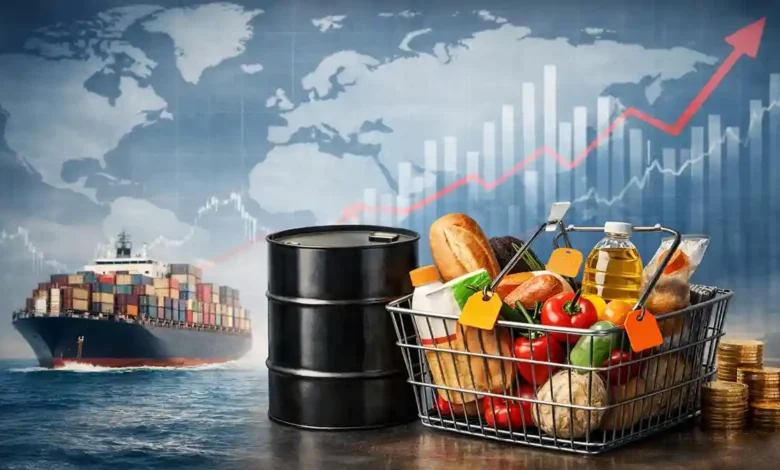
Global economy explained that’s the simplest way to understand why your grocery bill, rent, fuel costs, and online shopping prices can all shift at once, even if you live far from where the original shock began.
If it feels like “prices are up everywhere,” you’re not imagining it. The more useful truth is that multiple forces push and pull on prices at the same time and they don’t always move together. Oil can fall while rents keep rising. Shipping problems can lift some costs even as electronics get cheaper. Interest rates can cool demand while a climate event squeezes food supply. The result is a complicated reality: inflation may slow, yet many households still feel under pressure.
Recent IMF outlooks reflect that mixed picture: global growth is expected to remain modest, and inflation is projected to ease overall, but unevenly across countries and sectors.
So let’s break this down clearly, using real-world examples, without drowning in jargon.
(1) First, what do we mean by “prices” and “inflation”?
People often use these words interchangeably, but they’re not the same.
- Prices are what you pay today (for example, $4 for a coffee, 2,500 PKR for a basic meal, or 9 SAR for bread).
- Inflation is the rate of change how quickly those prices are rising (or falling) compared with last month or last year.
That distinction matters because inflation can cool while prices remain high. If your rent jumped 20% last year and rises only 5% this year, inflation slowed but your rent is still far above what it used to be.
Inflation also doesn’t hit everything equally:
- Goods inflation (phones, furniture, cars, clothing) is often shaped by global supply chains, shipping costs, commodity inputs, and exchange rates.
- Services inflation (rent, healthcare, education, restaurants, haircuts) is more local wages, capacity constraints, and regulation play a bigger role.
Much of the “why is it still expensive?” feeling comes from services especially housing.
(2) The big picture: what the global data is telling us
Across the world, the broad trend has been disinflation (inflation cooling), even as many people still feel cost-of-living pressure. The IMF expects global inflation to continue declining, but not evenly and warns that uncertainty, trade friction, and supply shocks can complicate the path.
On growth, the IMF’s October 2025 World Economic Outlook projected global growth slowing from 3.3% (2024) to 3.2% (2025) and 3.1% (2026). Slower growth typically reduces price pressure because demand softens and firms have less room to raise prices.
Commodity trends also matter. The World Bank projected global commodity prices falling (forecast down 7% in both 2025 and 2026), citing a growing oil surplus and policy uncertainty factors that can support disinflation, especially in energy-sensitive economies.
But here’s the catch: not all price drivers are commodities, and not all inflation is truly “global.” Housing costs, wage growth, and local competition can keep inflation stubborn even when oil or metals are easing.
(3) What’s driving prices now? The 8 forces that matter most
Think of today’s price story like a control room with eight big levers. Some are being pulled down, others pushed up. Your cost of living is the combined outcome.
Lever #1: Energy markets (oil, gas, electricity)
Energy has a powerful knock-on effect because it feeds into transport, manufacturing, and food production.
What’s happening recently: Oil markets have been shaped by oversupply expectations and shifting geopolitics. Reuters reported a steep annual decline in oil prices in 2025 (around ~19–20% for major benchmarks), influenced by oversupply concerns, OPEC+ output decisions, and demand worries tied to growth and tariffs.
The IEA’s Oil Market Report (Dec 2025) also highlighted supply growth outpacing demand growth into 2026 one reason energy may contribute less to inflation than during earlier spikes.
Why you feel it:
- Cheaper oil can reduce fuel prices and lower transport costs.
- Electricity is different: prices depend on local generation, regulation, and gas contracts so savings don’t always pass through quickly.
What to watch in 2026:
- Supply-demand balance: The IEA expects demand growth of about ~860 kb/d in 2026, while supply growth is projected much larger (around ~2.4 mb/d). That combination can soften crude prices if major disruptions don’t dominate.
- Geopolitical chokepoints: even with abundant oil, shipping routes can trigger sudden spikes.
Lever #2: Food prices (and the climate + fertilizer connection)
Food inflation feels loud because you see it constantly. It’s also politically sensitive, which is why governments often react quickly through subsidies, export limits, or import rule changes.
Food prices are influenced by:
- weather and climate extremes (droughts, floods, heat waves)
- fertilizer and energy costs
- transport and storage costs
- currency movements (imported food rises when a currency weakens)
Even when global food commodity prices ease, local retail prices can stay elevated due to:
- packaging
- wages
- retail rents
- last-mile distribution
- market concentration (fewer dominant players)
Practical takeaway: food prices are stubborn because they blend global inputs with local operating costs.
Lever #3: Shipping and supply chain disruptions (yes, still)
If energy is the bloodstream, shipping is the circulatory system and global shipping remains under strain.
UNCTAD notes that shipping carries over 80% of world trade, and trade routes have been reshaped by geopolitical tensions and rerouting.
Some key signals:
- Maritime trade growth expected to slow to ~0.5% in 2025 (UNCTAD).
- Rerouting has increased distances: ton-miles rose 6% in 2024, and by May 2025, tonnage through the Suez Canal was still about ~70% below 2023 levels.
UNCTAD has also estimated that higher shipping costs can feed into consumer prices; its Review of Maritime Transport 2024 projected global consumer prices could rise about ~0.6% by 2025 as shipping costs filter through supply chains.
Why you feel it:
- Shipping doesn’t just affect imported cars or gadgets.
- It raises costs for fertilizer, animal feed, packaging, and spare parts inputs embedded across the economy.
What to watch:
Any fresh disruption in major chokepoints (Red Sea, Suez, Panama, Hormuz) can quickly show up as higher delivered costs.
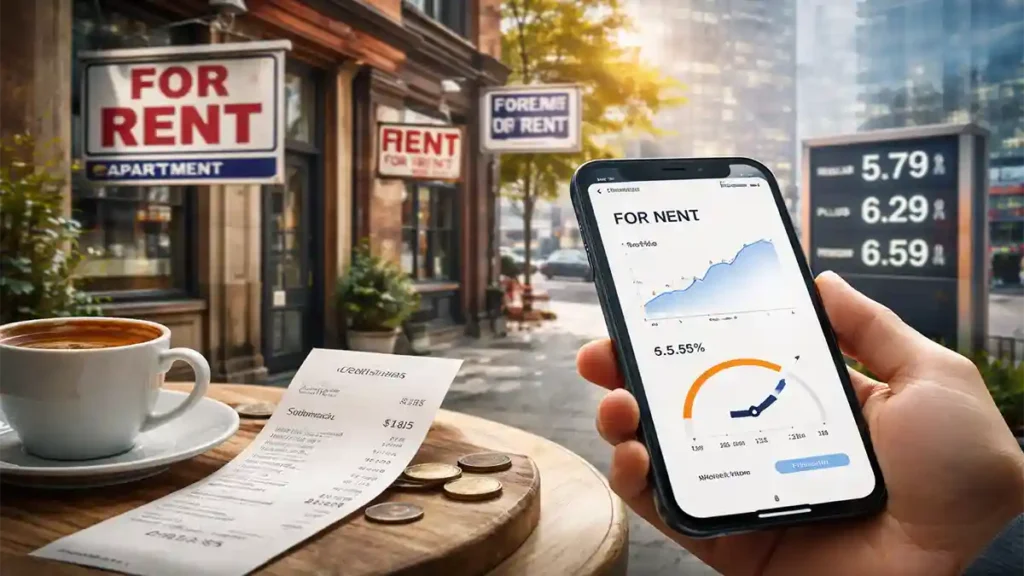
Lever #4: Housing and “shelter inflation” (the sticky one)
In many countries, housing is the largest household expense so it dominates how inflation feels.
Housing inflation is driven by:
- supply shortages (not enough new homes)
- higher financing costs (mortgages)
- population growth and migration patterns
- local zoning and construction timelines
Why shelter inflation can stay high even when other prices cool:
- Rents adjust slowly, often through annual contracts.
- Housing supply can’t expand quickly; it’s not like producing more smartphones.
Bottom line: if your local housing market is tight, inflation feels sticky no matter what oil does.
Lever #5: Wages, labor markets, and the “services problem”
Services inflation is often wage-driven because services rely heavily on labor.
If labor markets are tight:
- wages rise
- businesses lift prices to protect margins
- services inflation persists
If labor markets soften:
- wage growth slows
- services inflation cools, often with a delay
This is why central banks focus closely on services inflation: it’s frequently the last piece to come down.
Lever #6: Central bank interest rates and financial conditions
Central bank interest rates influence inflation mainly through demand:
- Higher rates make borrowing more expensive → fewer big purchases → slower demand → less pricing power.
- Lower rates do the opposite.
Rate changes don’t work instantly. They tend to affect:
- housing (mortgages) relatively fast
- business investment over time
- consumer demand more gradually
The IMF has emphasized the value of credible, transparent policy and central bank independence because inflation expectations can shift quickly when trust weakens.
Real-world effect: even when inflation is easing, higher rates can keep monthly payments painful especially for households refinancing or rolling over debt.
Lever #7: Trade policy, tariffs, and “economic fragmentation”
Prices are also shaped by trade rules.
Tariffs can:
- raise imported prices directly
- increase costs for businesses using imported inputs
- trigger retaliation, shifting supply chains and raising logistics costs
The IMF has repeatedly flagged trade-policy uncertainty and protectionism as risks to growth and potential sources of renewed inflation pressure.
Why it matters now: even the threat of tariffs can cause “front-loading” (importing early to avoid future costs), which distorts demand and pricing.
Lever #8: Corporate pricing power, competition, and “greedflation” debates
This lever is controversial, but worth understanding.
In sectors with limited competition (or few alternatives), companies can raise prices more easily especially during disruptions when customers already expect change.
A balanced view:
- Some price increases are clearly cost-driven (energy, shipping, shortages).
- Some increases can reflect margin expansion (testing what the market will accept).
- Competitive pressure often returns as conditions normalize, but concentrated markets can stay expensive longer.
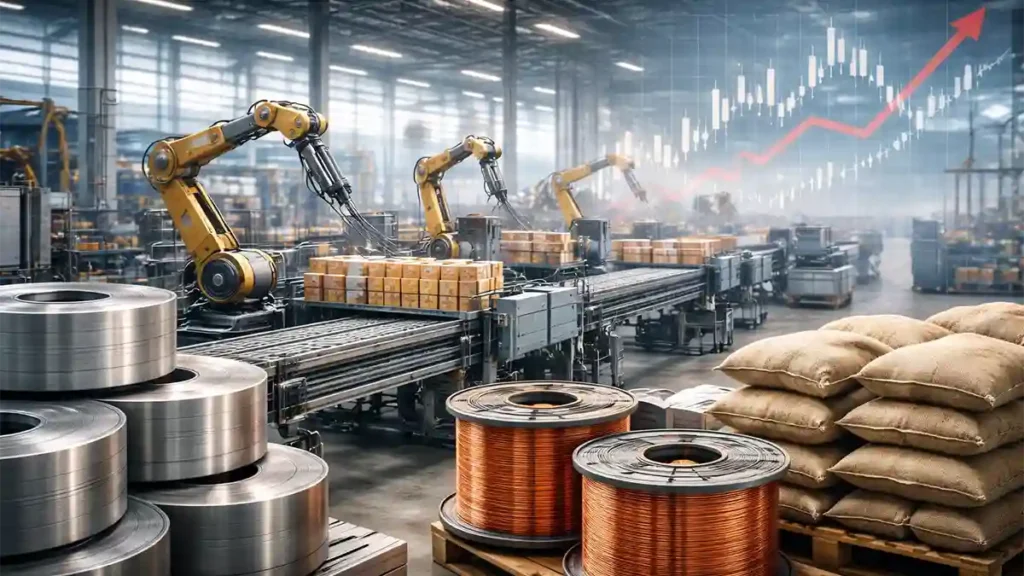
(4) A simple “price map”: why different products behave differently
A quick way to make sense of mixed signals is to group spending into three buckets.
(A) Imported goods (electronics, appliances, cars)
Big drivers:
- shipping costs
- currencies
- tariffs
- factory capacity
- commodity inputs (metals, plastics)
Pattern: these prices can fall relatively quickly when supply chains normalize.
(B) Everyday essentials (food, fuel, utilities)
Big drivers:
- commodities (oil, wheat, sugar)
- transport and logistics
- regulation and taxes
- currency
Pattern: volatile quick to spike on shocks, and quick to cool when conditions reverse.
(C) Local services (rent, healthcare, schooling, restaurants)
Big drivers:
- wages
- housing supply
- regulation
- local competition
Pattern: slower-moving and often “sticky” upward.
This is why inflation feels personal: your spending may be service-heavy (rent and education) even if headline inflation is being pulled down by cheaper goods or energy.
(5) Why prices still feel high even when inflation cools
Three reasons explain most of it:
- Price levels reset upward. Slower inflation doesn’t erase earlier increases.
- Essentials hit harder. People notice food and rent more than discretionary goods.
- Wages may lag. When pay grows slower than the price level, households feel squeezed.
This is why “global disinflation” headlines can feel disconnected from real life. Macro indicators describe averages; households live in their own baskets.
(6) 2026 outlook: three realistic scenarios (and what would trigger them)
No one can forecast prices perfectly, but you can follow the logic.
Scenario 1: “Soft landing” (cooling inflation, steady growth)
More likely if:
- energy stays relatively contained
- shipping problems don’t intensify
- wage growth cools gradually
- rates begin easing carefully as inflation falls
Scenario 2: “Sticky services” (headline inflation falls, but life stays expensive)
More likely if:
- housing remains tight
- services wages stay elevated
- productivity growth stays weak
This scenario matches what many households already feel: groceries stabilize, but rent and services continue creeping up.
Scenario 3: “Shock inflation” returns (sudden spikes)
More likely if:
- a major chokepoint disruption hits shipping or energy routes
- extreme weather damages crops
- tariffs escalate quickly
- geopolitical risk raises insurance and transport costs
UNCTAD’s discussion of rerouting and chokepoints is a reminder that this risk never fully disappears.
(7) What smart households do when prices are unstable
Not financial advice just practical economics:
- Separate one-off spikes from long-term pressure. A sudden jump may fade; rent increases often don’t.
- Use substitution. Switching brands or categories is a fast way to reduce exposure.
- Plan around rates. Big purchases depend heavily on financing conditions.
- Focus on the “big three”: housing, transport, food. Small savings help, but big-bucket choices matter most.
(8) What businesses watch (because it becomes your prices)
Businesses don’t price randomly. Most track:
- input costs (energy, raw materials)
- shipping and insurance
- wage settlements
- currency moves
- demand strength
When uncertainty rises, firms often add a buffer sometimes called a “risk premium.” That shows up in prices even before costs fully rise.
(9) The key idea to remember
Prices today aren’t being driven by one single villain.
They’re shaped by:
- global inputs (energy, commodities, shipping)
- policy choices (interest rates, tariffs, fiscal spending)
- local bottlenecks (housing supply, labor markets, competition)
That’s why the same global environment can produce very different inflation experiences:
- a stable currency and efficient logistics can speed up easing
- a weaker currency and tight housing can keep pressure high
The global direction may be down, but personal inflation can still feel up.
Quick FAQ
(1) Why is everything still expensive if inflation is “down”?
Inflation is the speed of price increases. Prices can stay high even when that speed slows.
(2) What’s the biggest global driver of prices?
Energy and shipping move fast, while housing and services tend to be stickier.
(3) Do interest rates really change prices?
Yes. Rates cool demand and borrowing, but the effects take time.
(4) Can shipping disruptions raise my grocery bill?
Yes. Shipping affects fuel, packaging, fertilizer, and imported ingredients.
(5) What should I watch in 2026?
Oil supply-demand balance, shipping chokepoints, tariffs, and housing pressure.
Conclusion: The real story behind what’s driving prices now
Here’s the clearest summary:
- Energy and commodity trends can push prices down or at least stop adding pressure especially when supply outpaces demand.
- Shipping disruptions and geopolitics still create volatility by raising transport costs and uncertainty.
- Housing and services are the “sticky” side of inflation: slow-moving, wage-linked, and often locally constrained.
- Interest rates and trade policy shape both demand and cost structures, and uncertainty remains a major risk.
So yes global forces influence prices. But what you feel depends on which parts of the economy dominate your life: rent, food, energy, transport, or services.
Once you understand the levers, the story becomes clearer and the headlines stop feeling random.






3 Comments