Pakistan Tourism Comeback: New Routes, Trends, and Must-See Cities
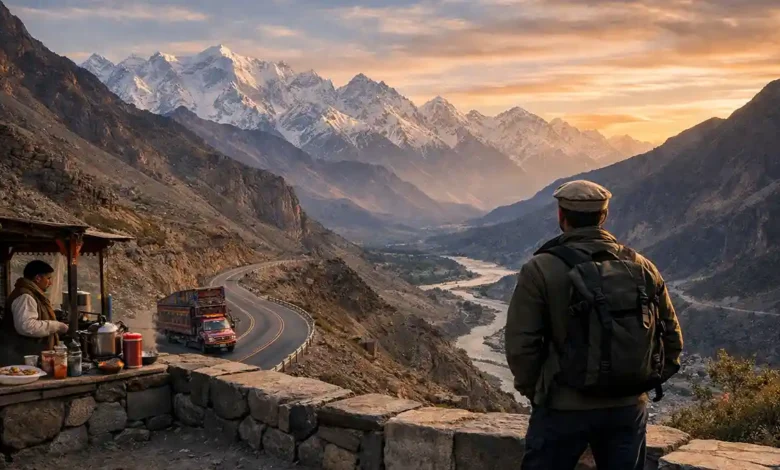
Pakistan tourism comeback isn’t just a feel-good phrase anymore it’s something you can actually see on the ground. More travelers are planning Pakistan again, more locals are exploring their own backyard with fresh energy, and the country’s travel map is expanding beyond the “usual” highlights.
If you’ve followed Pakistan’s tourism story over the last decade, you’ll know it’s been a rollercoaster: stunning potential, long stretches of underexposure, then sudden spikes of attention whenever a viral Hunza video or Skardu drone shot hits social media. What’s different now is that the comeback feels more structured powered by improved access, changing traveler tastes, and a growing ecosystem of local tour operators, guides, homestays, cafés, and experiences that didn’t exist at this scale before.
And yes, the numbers and policy signals are backing it up. Tourism’s economic role is increasingly recognized, with estimates of its contribution and jobs tied to travel and hospitality becoming part of mainstream conversations. One 2025 Pakistan tourism insights report, drawing on WTTC figures, highlights tourism’s contribution at $19.8B (5.8% of GDP) in 2023 and about 4.73 million jobs. Another international development report notes a strong rebound in foreign arrivals in 2023 (citing UNWTO), pointing to a clear recovery trend after the pandemic years.
But beyond reports, what matters for travelers is simpler: Is it easier to visit? Is it easier to move around once you arrive? Are there more interesting ways to experience the country?
Let’s break down what’s driving the comeback then map out the new routes, biggest trends, and the cities that truly deserve a place on your list.
Why Pakistan’s Tourism Comeback Feels Different This Time
1. Access is improving (and policy is trying to keep up)
One of the most practical barriers to tourism has always been friction unclear entry rules, slow processing, limited direct routes, and patchy information. Over the last couple of years, Pakistan has taken noticeable steps to reduce that friction.
A major headline move: Pakistan approved an online system aimed at issuing business and tourist visas within 24 hours and waived visa fees for travelers from 126 countries (as reported by Dawn). That kind of change matters because it signals intent: “we want you to come, and we’re making it less complicated.”
There’s also a separate, very relevant development for Gulf-based travelers: Pakistan’s Ministry of Foreign Affairs announced visa-free travel for GCC citizens for business and tourism categories (with conditions like having a ticket), making short trips much easier to plan.
2. Air connectivity is slowly widening again
Aviation shapes tourism more than people realize. When flights are limited, destinations stay “niche,” even if they’re world-class.
Pakistan’s national carrier story has been messy for years, but one recent turning point is worth noting: PIA regained access to European routes after the EASA ban was lifted, and reports describe it resuming direct flights to Europe. Whether you fly PIA or not, this matters because it signals improved oversight confidence and strengthens Pakistan’s broader connectivity narrative.
On the domestic side, northern travel is being reshaped by air links especially for time-strapped travelers. Skardu, for example, has increasingly become a “fly-in gateway” for the Karakoram region, and international flight milestones (like Dubai–Skardu) have been reported as tourism-significant.
3. Roads are rewriting what’s “reachable”
Pakistan’s landscapes are huge from sea to desert to high mountains so roads decide what becomes mainstream tourism.
A major example is work along the Karakoram Highway Phase II (Havelian–Thakot section), a flagship corridor tied to northbound mobility. Better roads don’t just cut travel time; they also change traveler behavior: families attempt routes they previously avoided, weekend tourism expands, and smaller towns gain new economic chances.
4. Social media isn’t just marketing it’s route discovery
Pakistan’s tourism revival is strongly linked to visual storytelling. The “content economy” is now part of the tourism economy: creators test routes, share costs, review hotels, and normalize places that used to feel “too far” or “too unknown.”
What used to be a single northern road trip is now dozens of micro-itineraries: food streets, heritage walks, desert nights, snow festivals, lakeside cafés, and short treks with guides who know exactly what Instagram travelers want without turning the experience into a theme park.
New Routes Changing the Game
When people say “new routes,” they don’t always mean brand-new roads. Often it means new travel logic fresh combinations of places, smarter entry points, and routes designed around modern travel styles (short breaks, remote work, family comfort, eco experiences).
Here are the routes defining Pakistan’s tourism comeback right now.
Route 1: The Northern Gateway Loop (Islamabad → KPK → GB)
Best for: first-timers, landscape lovers, couples, family road trips
Core idea: combine improved northbound road corridors with fly-in options
Classic spine:
- Islamabad → Abbottabad/Mansehra → onward toward Thakot/Dasu → Chilas → Gilgit → Hunza
This route remains iconic because it’s not one destination it’s a moving highlight reel: rivers, forests, cliffs, glaciers, and living culture.
Why it’s “new” now:
Projects like the KKH Phase II (Havelian–Thakot) reflect the long-term push to modernize northbound access. Even partial improvements change the comfort level for long drives.
Smart upgrade (time-saving):
- Fly to Skardu (or Gilgit when available), then road-trip between valleys.
Skardu’s role as a tourism hub has been boosted by increased aviation attention and international-flight headlines.
Don’t miss stops on this route:
- Naran/Kaghan (summer), or bypass to reduce crowds
- Fairy Meadows access (only if you’re comfortable with jeep roads)
- Hunza: Karimabad, Altit/Baltit forts, Attabad Lake
- Passu: cones, glacier viewpoints, café culture
Route 2: The “Heritage + Food” Grand City Trail (Islamabad → Lahore → Multan)
Best for: culture travelers, history lovers, family trips, winter tourism
Core idea: big cities done properly by theme, not by checklist
A lot of people underestimate Pakistan’s cities because they compare them to the north. But Pakistan’s comeback isn’t only mountains it’s also an urban revival in travel.
Islamabad / Rawalpindi (2–3 days)
- Start modern: museums, viewpoints, cafés
- Then go historic: Taxila day trip (ancient Gandhara heritage)
Lahore (3–5 days)
- Mughal-era landmarks, walled city walks, food streets
- Winter evenings here are peak travel season
Multan (2–3 days)
- Sufi shrines, blue pottery, old bazaars
- A quieter, deeper cultural experience than many expect
Why it’s trending now:
Short city breaks fit modern schedules, and they’re easier to plan when visa entry is smoother especially for diaspora travelers who want culture + comfort in a single trip.
Route 3: The Coastal Escape (Karachi → Hingol → Gwadar)
Best for: road-trip lovers, photographers, offbeat explorers
Core idea: swap mountains for the Arabian Sea, cliffs, and empty beaches
This route is one of Pakistan’s most cinematic journeys especially outside peak heat months.
Highlights:
- Karachi’s food + coastline
- Makran Coastal Highway vibes
- Hingol National Park landscapes
- Coastal cliffs, beaches, and desert-meets-sea scenery near Gwadar
It’s still not a casual route for everyone planning and local guidance matter but it’s becoming more visible because the visuals are unreal and the “crowd factor” is low compared to northern hotspots.
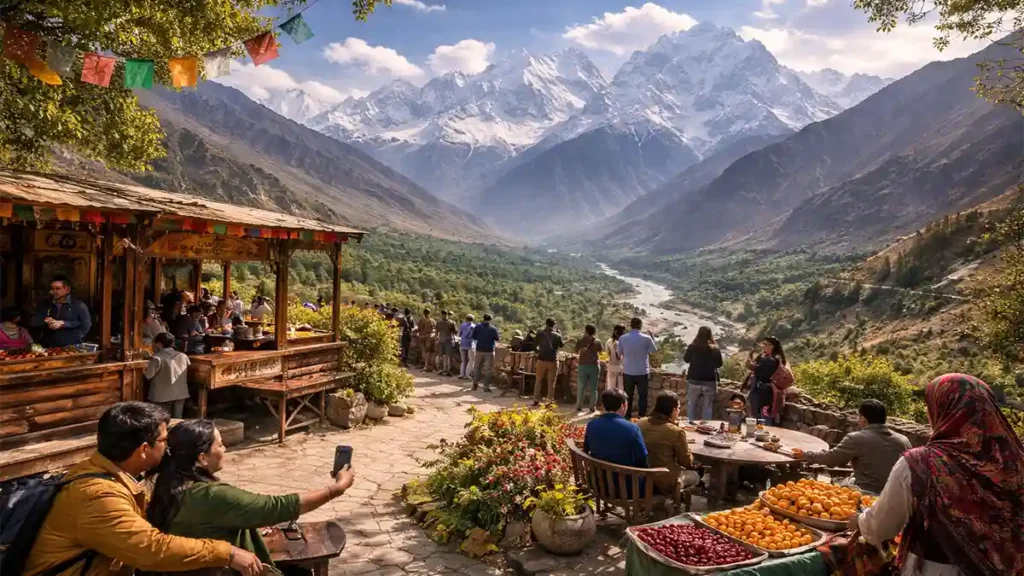
Route 4: Religious and Pilgrimage Corridors (Kartarpur + Beyond)
Best for: spiritual travelers, heritage-focused visitors, diaspora families
Core idea: faith-linked travel is becoming more organized and measurable
Pakistan’s religious tourism isn’t new, but it’s becoming more structured and visible. For example, tourism reporting highlights Kartarpur arrivals and categories like Sikh pilgrimage showing measurable year-on-year movement.
For many visitors, this route is a bridge: a meaningful journey that also opens the door to broader cultural exploration (Lahore, Islamabad, heritage sites).
The Biggest Pakistan Travel Trends Right Now
Tourism comebacks aren’t powered only by roads and visas they’re powered by what travelers want. Here are the trends shaping Pakistan’s travel identity in this new phase.
1. Soft adventure is replacing hardcore travel
Not everyone wants K2 base camp. Most people want adventure that feels safe, guided, and comfortable:
- easy hikes with great views
- lake picnics + boat rides
- jeep viewpoints, not multi-day treks
- boutique hotels with mountain panoramas
That’s why Hunza and Skardu are booming: they offer high-impact scenery with flexible comfort levels.
2. Experience-based travel is rising
Travelers aren’t just asking “where should I go?”
They’re asking:
- “Where can I learn something?”
- “Where can I meet locals respectfully?”
- “Where can I eat something memorable?”
- “Where can I take photos that feel like a story?”
So experiences like:
- cooking sessions
- guided heritage walks
- craft visits (Ajrak, truck art, pottery)
- seasonal festivals
are becoming real itinerary anchors.
3. Domestic tourism is becoming more premium
Pakistan has always had domestic tourism, but now it’s shifting:
- families want better bathrooms, cleaner stays, reliable Wi-Fi
- couples want privacy + design
- friend groups want “Instagram-ready” cafés and viewpoints
This pushes quality upward and encourages new hospitality investment.
4. Eco and community tourism is gaining respect
There’s increasing interest in:
- homestays that benefit communities
- low-impact travel
- protecting lakes, trails, and cultural sites
The best trips now include small behaviors: refill bottles, respect local customs, avoid off-road damage, and choose local operators.
5. Diaspora travel is blending nostalgia with discovery
Many overseas Pakistanis are no longer doing only “family visits.” They’re adding:
- 3-day Hunza extension
- Lahore food + heritage weekend
- northern fly-in trips via Skardu
This is exactly the kind of travel boosted by easier visa processes and improving air links.
Must See Cities in Pakistan Right Now (And Why They Matter)
Below are the cities shaping the tourism comeback each for a different reason. If you choose based on your travel personality, your trip becomes smoother instantly.
1. Islamabad: The Clean Start for First-Timers
Best for: first-time visitors, families, short breaks, calm travel
Islamabad is the country’s soft landing: organized, scenic, and easier to navigate.
Do this:
- Sunset viewpoints (choose less crowded times)
- Museum time for context
- A day trip to Taxila for ancient history
Why it belongs on the list:
It’s a great “adjustment city” before you head to intense places like Lahore bazaars or northern highways.
2. Lahore: Pakistan’s Cultural Powerhouse
Best for: history lovers, food travelers, photographers
Lahore is not a stop it’s an experience.
Signature moments:
- Walled City walk (go with a guide if you can)
- Mughal-era architecture
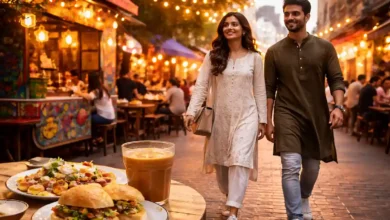
- Night food scenes that feel alive, not staged
Pro tip:
Visit in cooler months for the best walking experience.
3. Karachi: The Coastal Megacity With Real Flavor
Best for: food tourism, urban exploration, markets, sea breezes
Karachi is intense in a way some travelers love.
Do this:
- Seafood and street snacks
- Cultural spaces and markets
- A launch point for coastal road trips
Karachi also matters because it connects tourism to business travel an overlooked but powerful driver of hotel and airline networks.
4. Multan: The Underrated Soul City
Best for: heritage lovers, spiritual travel, slow tourism
Multan offers a quieter kind of depth shrines, crafts, history, and hospitality.
Why it’s trending:
Travelers want experiences that feel less copied. Multan feels original because it’s not over-designed for tourism.
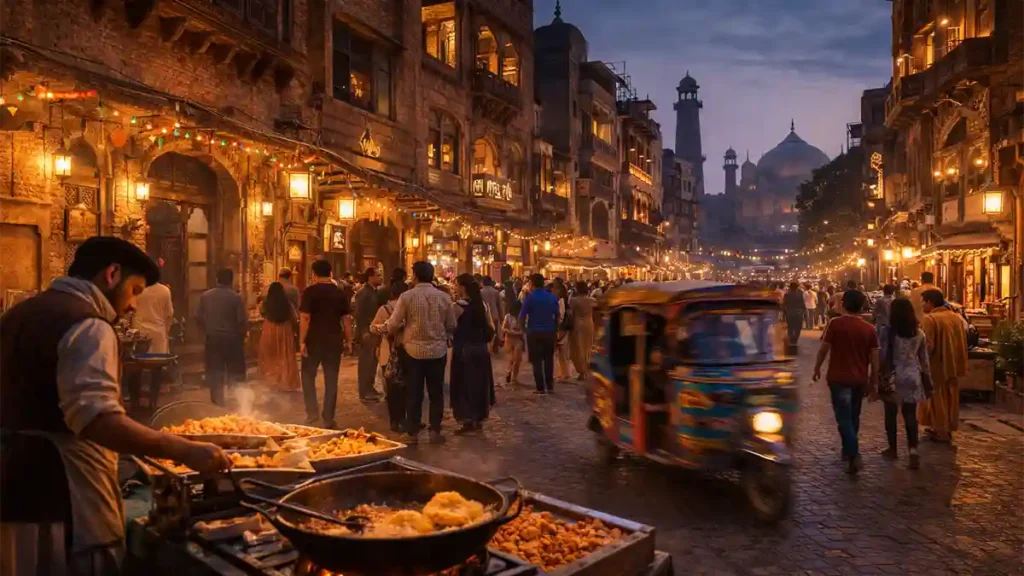
5. Peshawar: Food, History, and Character
Best for: culture explorers, food lovers, old-city vibes
Peshawar’s historic core and cuisine are legendary. The city is a reminder that Pakistan’s tourism comeback includes cultural confidence, not just scenery.
(As always: plan thoughtfully, respect local norms, and check current conditions.)
6. Gilgit: The Practical Base for Northern Exploration
Best for: northern routing, logistics, short stays
Gilgit isn’t always the “star,” but it’s a hub. It helps you connect to Hunza, Nagar, and onward routes.
7. Hunza (Karimabad): The “Gateway Dream” Destination
Best for: almost everyone
Hunza is where many visitors fall in love with Pakistan because it blends:
- scenery
- culture
- comfort
- cafés and viewpoints
- easy day trips
Don’t miss:
- Altit & Baltit forts
- Attabad Lake
- Passu cones
- Local apricot products
8. Skardu: The Mountain City That Feels Like Another World
Best for: lakes, landscapes, soft adventure, photography
Skardu has moved from “hard-to-reach” to “must-see” largely due to improved connectivity narratives and flight attention, including high-profile reporting on international flight milestones.
Do this:
- Lakes (early morning is magic)
- Viewpoints + short hikes
- Valley day trips
9. Quetta: The Frontier City for Offbeat Travelers
Best for: adventurous travelers who plan carefully
Quetta is not mainstream tourism yet, but it’s culturally significant and for some travelers, that’s the point.
Practical Planning: How to Travel Pakistan Smoothly in 2026
Entry and visas
- Pakistan has moved toward faster online visa processing and fee waivers for a large set of countries (reported in 2024).
- GCC citizens have been officially announced as eligible for visa-free travel for tourism/business categories under stated conditions.
(Always confirm requirements on official channels close to your travel dates.)
Best time to visit (simple guide)
- North (Hunza/Skardu): late spring to early autumn for road access; winter for snow vibes (with planning)
- Cities (Lahore/Multan/Peshawar): autumn to early spring for walking comfort
- Coast (Karachi–Gwadar): cooler months for road trips
Getting around
- Mix flights + road if you want comfort and time efficiency.
- Use reputable local operators for northern areas and coastal routes.
Safety and travel style
Pakistan rewards travelers who:
- plan routes realistically (don’t over-pack the itinerary)
- respect local customs (especially dress norms in smaller towns)
- travel responsibly (leave places cleaner than you found them)
The Big Picture: What Pakistan’s Tourism Comeback Could Become
Pakistan’s tourism comeback is happening at two levels at once:
- The traveler level: easier access, more experiences, and better route logic
- The national level: tourism is increasingly treated as an economic sector with measurable impact and strategic importance
If momentum continues through smarter infrastructure, consistent policy, better visitor services, and responsible tourism Pakistan has a real chance to become one of the world’s most distinctive “multi-terrain” destinations: mountains, deserts, ancient history, living culture, and coastline in one country.
Quick FAQ
Is Pakistan safe for tourists in 2026?
Pakistan is welcoming more travelers, but safety varies by region. Stick to well-known routes, use trusted local guides, and check official travel advisories before you go.
What’s the best time to visit northern Pakistan (Hunza/Skardu)?
Late spring to early autumn is best for comfortable weather and open roads. Winter is beautiful too, but needs extra planning due to snow and closures.
Which cities are must-see for first-time visitors?
Start with Islamabad for an easy entry, Lahore for culture and food, and add Hunza or Skardu for unforgettable mountain scenery.
Do I need a visa to visit Pakistan?
Visa rules depend on nationality. Many travelers can use Pakistan’s online visa system, and some regions/countries have easier entry options always confirm with official sources close to travel dates.
How many days are enough for a good Pakistan trip?
A strong first trip is 7–10 days (cities + one northern region). If you want north + coast + heritage, aim for 12–15 days.
What are the top travel trends in Pakistan right now?
Soft adventure (easy hikes + scenic spots), cultural food trips, community-based stays, and fly-in northern travel (Skardu as a gateway) are trending.
Conclusion: Your Next Trip Might Be to Pakistan And It’ll Make Sense
A few years ago, Pakistan travel was often described as “for the brave.” Today, it’s increasingly “for the curious” with more comfort, better connectivity, and stronger travel communities shaping the experience.
The best way to enjoy this moment is to travel thoughtfully:
- pick one or two regions (not five)
- build your trip around experiences, not only landmarks
- support local businesses that protect the places you came to see
Because that’s how a tourism comeback becomes a tourism future.