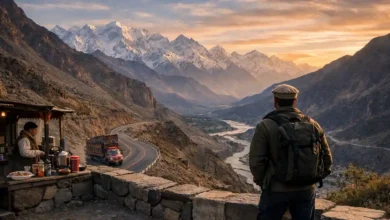
Best places to visit in Pakistan in 2026: Hidden Gems + Famous Spots
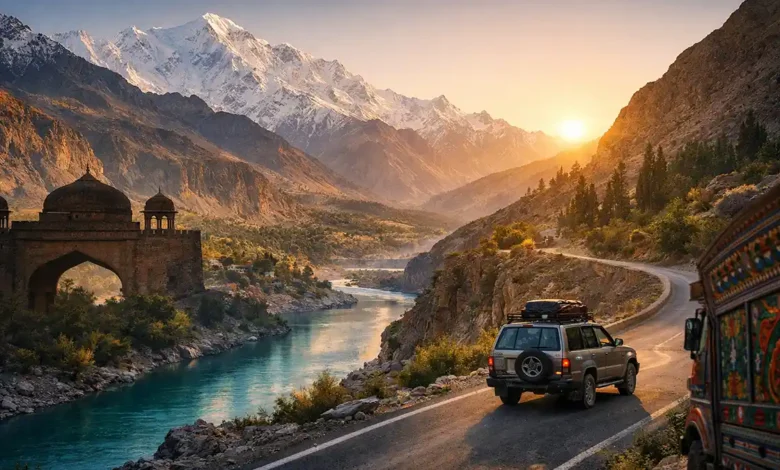
Best places to visit in Pakistan in 2026 aren’t just the names you already know from postcards. Yes, you’ll absolutely want the classics Hunza’s mountain drama, Lahore’s living history, and the Karakoram’s once-in-a-lifetime road journeys. But 2026 is also a perfect excuse to go deeper: smaller valleys where life moves slower, coastal stretches that feel almost unreal, and ancient sites that quietly remind you how old and layered this land really is.
Pakistan travel has been steadily reshaped by two big forces: better access (roads, connectivity, hospitality options) and stronger local travel culture (more domestic travelers discovering their own country). One major recent analysis highlights just how large domestic tourism is estimated at over 50 million trips annually and also notes tourism’s economic significance, including jobs supported by the sector. That matters to you as a traveler because it changes what you’ll find on the ground: more homestays, better cafés in unexpected towns, more guides, and more choice if you plan smartly.
This guide is built like a real travel plan, not a random list. You’ll get:
- Famous spots worth the hype (and how to experience them better)
- Hidden gems that feel fresh, even if you’ve visited before
- Simple, practical advice on timing, routes, budgets, and travel style
- A few credibility anchors like Pakistan’s UNESCO World Heritage sites and current travel facilitation trends so you’re not guessing your way through the country
Let’s map Pakistan in a way that actually helps you travel it.
What’s new and trending for Pakistan travel in 2026
1) Easier planning for more travelers (visas and entry)
Pakistan has been working on making entry smoother for many nationalities through online and pre-approval systems. Pakistani official mission pages describe the Visa Prior to Arrival (VPA) framework as a facilitated option for citizens of 126 countries (with applications routed through official online portals).
Separately, professional policy summaries also note updated visa arrangements for certain travelers, including GCC-related visa facilitation introduced in 2024.
Practical takeaway: Always verify your specific nationality requirements close to departure on the official portal, but expect the general direction to remain: more digital, less paperwork.
2) A bigger spotlight on responsible travel
Pakistan’s most beautiful places Hunza, Skardu, Swat, Deosai are also environmentally sensitive. Local initiatives like the Clean Hunza approach have been discussed as examples of community-led responses to tourism pressure.
Practical takeaway: In 2026, “travel well” will matter as much as “travel far.” Pack a reusable bottle, reduce plastic, and choose local services that keep money in the community.
3) The global travel wave is still strong
Worldwide, travel has been rebounding hard. WTTC-linked reporting projected travel’s contribution to global GDP to hit record levels in 2024.
Practical takeaway: Expect popular windows (spring blossoms in Hunza, summer in Skardu, winter weekends in Murree) to be busy book earlier than you used to.
The best time to visit Pakistan in 2026 (simple season guide)
Pakistan isn’t one climate it’s several climates stitched together.
- Spring (March–May): Best overall balance. Cities are comfortable, northern valleys start waking up, and crowds are manageable.
- Summer (June–August): Peak for high mountains (Hunza, Skardu, Deosai). Lower areas can be extremely hot.
- Autumn (September–November): Golden season. Crisp skies, clear views, fewer crowds, beautiful colors in the north.
- Winter (December–February): Great for cities and lower-elevation escapes; snow tourism in specific spots (Murree/Nathia Gali, parts of Swat).
If you want the “Pakistan highlight reel” without the toughest logistics, aim for late April–May or late September–October.
Famous Spots That Deserve Their Reputation
1) Hunza Valley (Gilgit-Baltistan): Pakistan’s “wow” landscape
Hunza is famous because it’s genuinely hard to believe. The peaks look painted, the valleys look polished, and the culture feels welcoming without being performative.
Don’t miss:
- Karimabad for views and cafés
- Baltit Fort (history + the best balcony view)
- Altit Fort & the old village walk
- Attabad Lake for that unreal turquoise color
- Passu Cones and the Hussaini Suspension Bridge (yes, it’s touristy still worth it)
2026 travel tip:
Instead of rushing Hunza in 2 days, do it in 4–6 days and take day trips slowly. The magic is the pace.
2) Skardu (Gilgit-Baltistan): Gateway to giant mountains
Skardu is your entry point to some of the world’s most dramatic terrain valleys, cold deserts, high lakes, and routes toward legendary treks.
Don’t miss:
- Shangrila (Lower Kachura) & Upper Kachura Lake
- Shigar Valley (fort + orchards + calm)
- Katpana Cold Desert (sunset is the whole show)
- Satpara Lake for easy, scenic downtime
If adventure is your goal, Skardu also connects travelers toward major trekking corridors and mountaineering culture an important part of Pakistan’s high-value adventure tourism.
2026 travel tip:
Build in “weather-flex days.” In mountain regions, your best plan is the one that can bend without breaking.
3) Lahore (Punjab): The cultural capital with serious depth
Lahore isn’t a “one monument city.” It’s a living museum with food, poetry, art, and architecture layered across centuries.
Top experiences:
- Old Lahore walk (gates, bazaars, hidden courtyards)
- Badshahi Mosque area (go early for softer light)
- Lahore Fort (part of the UNESCO-listed “Fort and Shalamar Gardens in Lahore”)
- Food trail: from street snacks to iconic desi dishes
How to do Lahore better:
Spend one day on big landmarks, then spend another day doing small things bookstores, art spaces, local chai spots. That’s where Lahore becomes unforgettable.
4) Islamabad + the Margalla Hills: Clean, calm, and surprisingly scenic
Islamabad gets called “quiet,” but it’s the kind of quiet that resets your brain wide roads, greenery, hills, and a modern city layout.
Don’t miss:
- Faisal Mosque (best at golden hour)
- Daman-e-Koh / Monal viewpoint area (go weekdays if you can)
- Margalla trails for sunrise hikes
- Saidpur Village for a quick cultural stop
2026 travel tip:
Use Islamabad as a base camp city: day-trip to Taxila, head to the north, or recover between long road journeys.
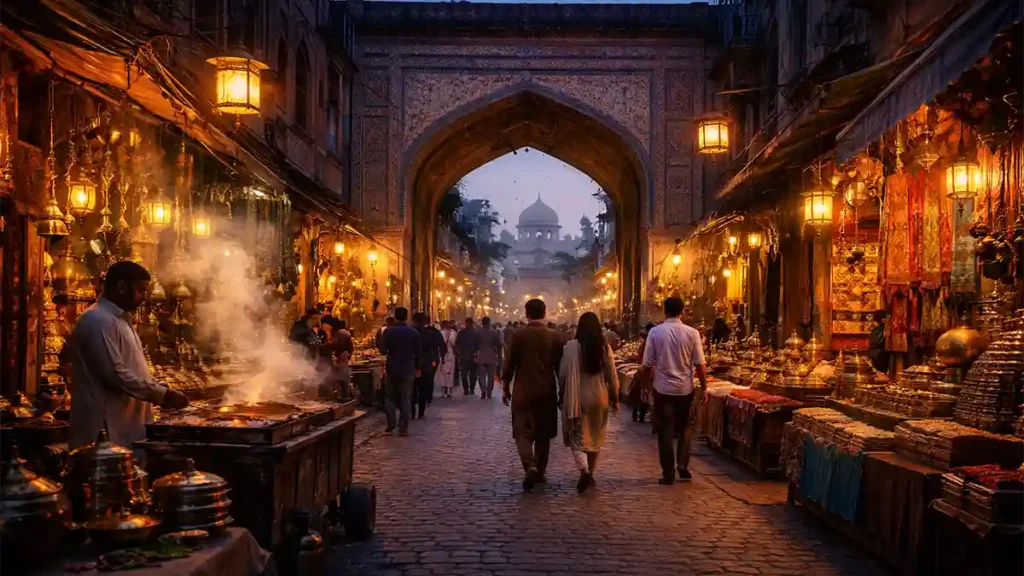
5) Karachi (Sindh): Pakistan’s energy, sea breeze, and street-food capital
Karachi is chaotic in the way big coastal cities often are but it’s also bold, creative, and full of stories.
Highlights:
- Clifton & Seaview for the classic ocean vibe
- Food scene (Karachi is a country of flavors by itself)
- Historic neighborhoods and museums for context
Do Karachi smart:
Plan neighborhoods, not “the whole city.” Pick two areas per day. Your experience improves immediately.
Hidden Gems That Feel Like You Discovered Them
6) Khaplu (Gilgit-Baltistan): Soft beauty, big views
Khaplu is calmer than Skardu, greener in season, and perfect if you want mountains without constant bustle.
Why it’s special:
- Heritage vibes, orchard walks, gentle river scenery
- Great for couples, families, and slow travelers
- A strong base for exploring nearby villages without rushing
7) Phander Valley (Gilgit-Baltistan): The “quiet-lake” escape
Phander is the kind of place you go when you want silence, reflective water, and landscapes that don’t need filters.
What to do:
- Lake-side walks
- Simple picnics
- Stargazing nights
2026 travel tip:
If you’re building a “hidden north” itinerary, Phander pairs beautifully with Gilgit and Ghizer routes.
8) Swat (Khyber Pakhtunkhwa): Easy-access mountains with comfort
Swat is often called the “Switzerland of Pakistan,” which is a little cliché but the mountains really do deliver.
Best areas:
- Malam Jabba (winter snow, summer views)
- Kalam for river-and-forest scenery
- Mahodand Lake (seasonal access check conditions)
Do Swat like a pro:
Visit midweek, avoid long holiday weekends, and start early in the day to beat traffic.
9) Kalash Valleys (Chitral, Khyber Pakhtunkhwa): Culture you’ll remember forever
The Kalash Valleys are one of Pakistan’s most distinctive cultural experiences colorful festivals, unique traditions, and a strong sense of community identity.
Respect matters here:
- Ask before photos
- Dress modestly
- Choose local guides
- Keep the experience human, not “tourist trophy” energy
10) Soon Valley (Punjab): Lakes, temples, and underrated nature
If you think Punjab is only cities and farmland, Soon Valley is your surprise.
Why go:
- Low crowds
- Day-trip friendly
- Great for road-trippers who want something different
11) Gorakh Hill Station (Sindh): The “cold desert mountain” feel
Gorakh is one of Sindh’s most unusual landscapes high elevation, cooler temperatures, open skies.
Perfect for:
- Stargazing
- Quiet nights
- A “different Pakistan” vibe beyond the usual routes
Pakistan’s Heritage Powerhouses (Ancient + UNESCO-Recognized)
Pakistan’s history isn’t a single timeline it’s multiple civilizations overlapping: Indus Valley legacy, Buddhist-era Gandhara, Mughal architecture, Sikh heritage, Sufi traditions, and colonial-era layers. The UNESCO list helps you identify the biggest “anchor” sites.
Pakistan has six properties inscribed on the UNESCO World Heritage List, including Moenjodaro, Taxila, Rohtas Fort, and the Fort and Shalamar Gardens in Lahore.
12) Taxila (near Islamabad): Ancient learning and Gandhara history
Taxila is one of those places that makes you go quiet. You’re walking through the remains of ancient centers of learning and trade that influenced the region for centuries.
Pro tip:
Go with a guide if possible. The story is the magic and you’ll miss a lot without context.
13) Archaeological Ruins at Moenjodaro (Sindh): Indus Valley greatness
Moenjodaro connects you to one of the world’s earliest urban civilizations planned streets, sophisticated layouts, deep time.
How to visit better:
- Go early (heat management)
- Bring water, hat, and patience
- Pair it with other Sindh heritage stops if you’re already in the region
(Also UNESCO-listed.)
14) Rohtas Fort (near Jhelum): Monumental walls, serious atmosphere
Rohtas Fort is massive, dramatic, and one of the most visually striking forts in the region perfect if you love history with a bit of awe.
(UNESCO-listed.)
15) Makli Necropolis + Thatta (Sindh): A city of tombs, art, and silence
Makli is not a quick-photo place. It’s a walk-through-history place. The scale is huge, and the craftsmanship in stonework can be breathtaking when you slow down.
(UNESCO-listed as Historical Monuments at Makli, Thatta.)
Coast, Desert, and “Wait This Is Pakistan?” Landscapes
16) Hingol National Park + Kund Malir (Balochistan coast): Raw, cinematic beauty
This coastline feels like another planet: rugged mountains meeting sea, strange rock formations, long empty roads.
Why it’s a 2026 must:
- It’s still relatively under-visited
- The scenery is world-class
- The road-trip experience is the destination
Safety note:
Travel with local guidance, check route advisories, and plan daylight driving.
17) Cholistan Desert + Derawar Fort (Punjab): Desert drama and historic fort views
Cholistan gives you big sky and golden sand, while Derawar Fort delivers one of the most photogenic fort silhouettes in Pakistan.
Do it right:
- Go with a local operator
- Plan sunrise/sunset
- Keep expectations realistic (desert comfort is different)
Real Itineraries for 2026 (Pick One)
7-Day “First Time Pakistan” Itinerary
Days 1–2: Lahore (heritage + food)
Day 3: Islamabad (rest + viewpoint)
Day 4: Taxila day trip + Islamabad night
Days 5–7: Hunza (Karimabad + Attabad + Passu)
10-Day “North + Culture” Itinerary
Days 1–3: Lahore
Days 4–5: Islamabad + Taxila
Days 6–10: Hunza + one extra hidden valley day (like Hopper/Passu side trips)
14-Day “Mountains + Hidden Gems” Itinerary
Days 1–2: Islamabad
Days 3–6: Hunza
Days 7–10: Skardu + Shigar/Khaplu
Days 11–12: Deosai or lakes day (season-dependent)
Days 13–14: Buffer + Islamabad departure
Budget, comfort, and travel style (simple, honest guidance)
Pakistan can be very budget-friendly, but your costs swing based on:
- Transport style (public vs private car/4×4 vs flights)
- Season (peak summer in the north costs more)
- Comfort level (basic guesthouse vs boutique stays)
Best strategy:
Decide what you’re willing to “pay for comfort” on. For many travelers, it’s the long drives private transport can turn a tiring trip into a great one.
Travel smart in 2026: safety, etiquette, and common-sense planning
Safety basics
- Keep copies of documents (digital + paper)
- Avoid night driving in unfamiliar areas
- Use reputable guides for remote routes
- Stay updated with local advisories
Cultural etiquette (easy wins)
- Dress modestly outside big cities and tourist hubs
- Ask before photographing people
- Learn a few respectful words (Salam, Shukriya)
- Support local businesses guides, crafts, small cafés
Sustainable travel (non-negotiable in fragile areas)
High mountain regions and lakes don’t “reset” quickly. The pressure of tourism is real, which is why community-led efforts get discussed more and more.
Pack out trash, minimize plastic, and don’t treat nature like a disposable backdrop.
Why Pakistan in 2026 is worth prioritizing
Tourism matters economically and socially Pakistan’s travel sector has been discussed in terms of GDP contribution, employment, and the dominance of domestic travel. That’s not just an economic talking point; it’s a signal that the travel experience is becoming more developed, more diverse, and more accessible.
And then there’s the simple truth: Pakistan is a country where your “best day” can happen in completely different settings snow peaks one week, ancient ruins the next, and sea cliffs after that without needing to cross borders.
FAQs
Q1: What are the best places to visit in Pakistan in 2026 for first-timers?
Hunza, Skardu, Lahore, Islamabad, and Taxila are perfect starters because they mix mountains, culture, and easy logistics.
Q2: Which Pakistan hidden gems are worth adding in 2026?
Khaplu, Phander Valley, Soon Valley, Gorakh Hill Station, and the Hingol–Kund Malir coastal route are standout hidden gems.
Q3: What is the best month to visit northern Pakistan in 2026?
Late April to May and late September to October usually offer the best weather, clearer views, and fewer crowds than peak summer.
Q4: How many days are enough for a Pakistan travel itinerary 2026?
A good first trip is 7–10 days. For Hunza + Skardu together, aim for 12–14 days with 1–2 buffer days for weather.
Q5: Is Pakistan safe to travel in 2026?
Many travelers visit safely by following common-sense planning: use reputable transport, avoid night driving in remote areas, and check local updates.
Q6: What are the top Pakistan cultural heritage sites to include?
Lahore Fort/Shalamar Gardens, Rohtas Fort, Taxila, Moenjodaro, and Makli Necropolis are major heritage highlights.
Q7: What should I pack for Pakistan’s northern areas?
Layered clothing, a warm jacket (even in summer nights), comfortable walking shoes, sunscreen, and a power bank are essentials.
Conclusion: Build your 2026 trip around contrast
If you want the best places to visit in Pakistan in 2026, don’t just chase famous names. Build your trip around contrast:
- Pair Hunza’s bright mountain valleys with Skardu’s deep, dramatic landscapes
- Balance Lahore’s sensory overload with Islamabad’s calm
- Add one “wild card” hidden gem Khaplu, Phander, Soon Valley, or the Hingol coast so your trip feels personal, not copied
Do that, and Pakistan won’t feel like “a destination you visited.” It’ll feel like a place you understand at least a little and a place you’ll want to return to.