Lifestyle Trends 2026: What Everyone’s Into Right Now
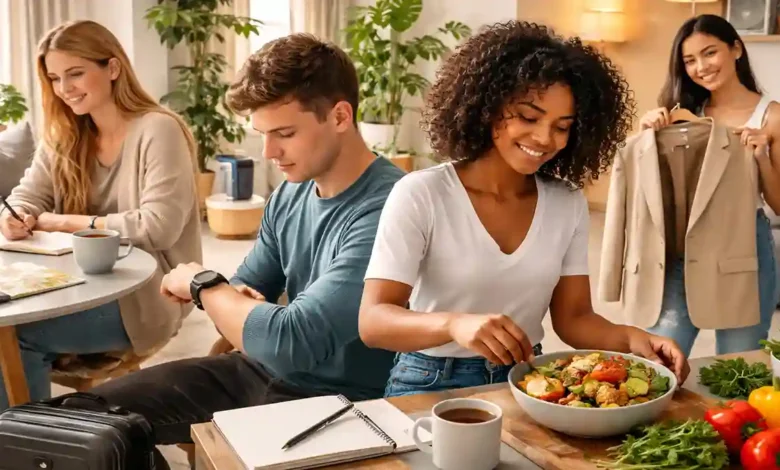
Lifestyle Trends 2026 are less about chasing perfection and more about building a life that actually feels good healthier, calmer, more intentional, and (very importantly) more affordable. If 2020-2024 taught people how fragile routines can be, the last year taught them something else: the new normal isn’t one lifestyle. It’s a thousand micro lifestyles custom built around energy, budget, values, and time.
That’s the real headline going into 2026: personalization is everywhere. Not just in what we watch or buy, but in how we eat, train, rest, travel, dress, and even how we protect our attention.
In this guide, I’m going to break down the biggest lifestyle shifts people are leaning into right now what they look like in real life, why they’re happening, and simple ways you can try them without turning your life into a complicated project.
The Big Pattern Behind 2026: Healthspan + Value + Real Life
A lot of trend lists throw random buzzwords at you. But when you zoom out, most 2026 lifestyle habits fall into three big motivations:
- Healthspan (not just health): People are thinking longer term how to stay strong, mobile, and mentally sharp for decades. Euromonitor even frames healthspan plans as a major consumer theme, tied to longevity and healthier living over time.
- Value is the new luxury: Cost of living pressure hasn’t vanished. Consumers are weighing quality, functionality, convenience, and price more carefully often all at once.
- A craving for the human in a tech saturated world: As AI speeds up everything, more people are deliberately slowing certain parts down choosing craft, community, and offline experiences as a kind of balance.
Keep those three in mind and every trend below will make more sense.
1. Healthspan Habits: The Longevity Mindset Goes Mainstream
In 2026, wellness isn’t a once in a while reset. It’s a daily operating system.
You’ll hear more people talking about:
- Strength training (not just weight loss think future proofing)
- Mobility + posture (less pain, more movement)
- Sleep quality (as a core health metric)
- Metabolic health (stable energy, better focus, fewer crashes)
Why now? Because wellness is being framed as a long game and it’s becoming a huge economy. McKinsey describes the global wellness market at roughly $2 trillion and notes that for millennials and Gen Z, wellness is increasingly a personalized daily practice, not occasional purchases.
What it looks like in real life
- People scheduling workouts like meetings
- Low drama fitness: fewer extreme challenges, more consistency
- Health dashboards: steps, sleep, HRV, recovery scores
- Longevity friendly hobbies: walking groups, pickleball, hiking, reformer Pilates
Try it (without overthinking it)
Pick one healthspan habit for 30 days:
- 20-30 minutes of brisk walking after dinner
- 2 strength sessions per week
- Sleep curfew (screens off 45 minutes before bed)
Small changes beat dramatic ones especially when the goal is years, not weeks.
2. Wellness Tech Becomes Normal (and More Personal)
Wellness tech isn’t just for fitness fans anymore. It’s becoming a default layer in everyday life tracking sleep, movement, stress signals, and recovery.
This trend is also tied to something bigger happening in the market: companies are racing to deliver hyper personalized experiences at scale, using data and AI to tailor services to individuals. Deloitte’s 2025 marketing trends highlight automation, generative AI, privacy first data strategies, and hyper personalization as core directions.
That same logic is spilling into lifestyle tools:
- AI generated meal suggestions based on your preferences
- Workout plans that adapt to your recovery
- Habit coaching that feels more like a friendly assistant than a rigid app
The smart version of wellness (2026 style)
- Less obsession with numbers
- More focus on signals: What helps my energy?
- More personalization: What works for my body and schedule?
Watch out (important)
When lifestyle becomes data driven, privacy matters. You’ll see more people choosing platforms that let them control what gets collected and shared because personalization only feels good when it still feels safe.
3. Mental Fitness and Stress Management Get Practical
A big 2026 shift: mental health advice is moving from inspirational quotes to practical systems.
The conversation is becoming more honest too. Many Gen Z adults still report stigma around mental health in schools and workplaces, and a meaningful share say they’ve felt they needed help.
And it’s not just feelings work and money pressures are shaping daily life. Deloitte reports that nearly half of Gen Zs and millennials in their survey say they do not feel financially secure.
What people are into right now
- Short guided breathing (2-5 minutes)
- Therapy informed journaling prompts
- Worry windows (contain the spiral instead of letting it run all day)
- Resilience and coping skills being taught more openly (even at work)
Try it this week
Do a simple stress audit:
- What triggers my stress most often?
- What is one response I can repeat (walk, call a friend, 10 minute tidy, prayer/meditation, stretching)?
The goal is not eliminating stress it’s building reliable ways to come back to calm.
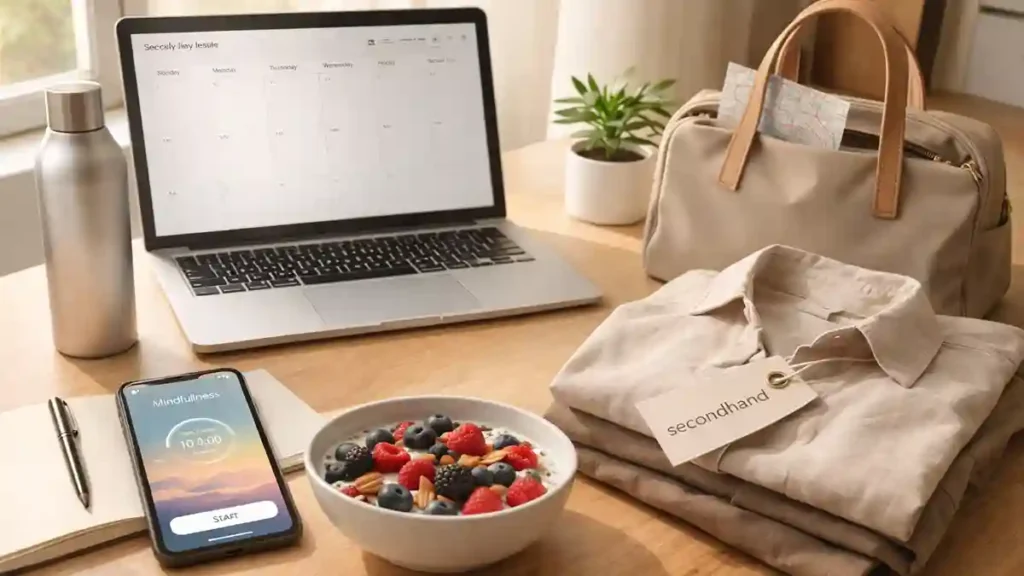
4. Food Trends: Functional Nutrition, Gut Health, and Protein Everywhere
Food in 2026 is becoming more purpose driven. Not in a strict diet way but in a how do I want to feel after this? way.
McKinsey notes that consumers take a broad view of functional nutrition, including fermented foods, protein powders, super greens, adaptogens, and pre/probiotic drinks.
You’ll also see gut health go mainstream in a more educated way. The Institute of Food Technologists highlights consumer interest in functional foods and cites global consumer perceptions connecting gut health to broader outcomes like mood, immunity, and energy.
Protein isn’t a gym trend anymore
Protein is turning into a default preference especially for busy people who want stable energy and fewer cravings. Cargill’s 2025 Protein Profile reports 61% of consumers increased their protein intake in 2024.
What it looks like in real life
- Protein forward breakfasts (eggs, yogurt bowls, protein smoothies)
- Gut friendly add ons (kimchi, kefir, fiber rich foods)
- Good enough home meals simple, repeatable, not complicated
- People choosing foods that support focus and mood, not just weight goals
Try it (simple, not strict)
Build one default plate you can repeat:
- Protein + fiber + color
Example: chicken/beans + salad + olive oil + fruit
Or: eggs + whole grain toast + yogurt + berries
5. Sustainable Living Becomes More Practical (Not Performative)
The sustainability conversation is shifting from perfect eco lifestyle to doable choices that save money and reduce waste.
In cost of living reality, people want options that are both responsible and practical. Euromonitor emphasizes how purchase decisions are influenced by factors like quality and price, and how financial strain is reshaping consumption habits.
So in 2026, sustainable living often looks like:
- Buying less, using longer
- Repairing instead of replacing
- Choosing multi purpose products
- Avoiding waste at home (food, electricity, subscriptions)
Try it
Pick one sustainability upgrade that also saves money:
- Replace 3 single use habits with reusables
- Do a monthly pantry plan (reduce food waste)
- Fix/repair one item instead of replacing it
It’s not about being perfect it’s about lowering friction for better choices.
6. Secondhand Fashion Goes Fully Mainstream
If you want one trend that blends sustainability + value + style, it’s this: secondhand fashion.
ThredUp’s resale reporting highlights how the global secondhand apparel market is expected to reach $367 billion by 2029.
This isn’t just thrifting as a hobby anymore. It’s becoming a normal shopping pathway because it solves three problems at once:
- Budget (better prices)
- Uniqueness (less everyone looks the same)
- Waste reduction (keeping items in use longer)
The 2026 style mood
- Fewer random buys, more curated wardrobe thinking
- Quality basics + one standout piece
- Vintage, archival, and found items with personality
- Clothing swaps among friends (especially for events)
Try it
Do a secondhand first experiment for 30 days:
- If you want something new, check secondhand options first
Even one good find can change how you shop.
7. A Human Centered Aesthetic: Craft, Texture, and Anti Perfect Design
A subtle but powerful lifestyle shift: people are getting tired of overly slick, algorithm friendly sameness.
In creative culture, there’s a noticeable push toward more tactile, human design textures, warmth, imperfection, and craft partly as a reaction to the flood of AI generated visuals.
This human touch trend isn’t only about graphic design. You see it in:
- Home decor (handmade ceramics, natural fabrics)
- Fashion (visible stitching, artisan accessories)
- Social media content (less polish, more real moments)
- Hobbies (painting, baking, calligraphy, DIY)
Try it
Add one human habit to your week:
- Make something with your hands
- Support a local maker
- Choose one non digital hobby session (even 30 minutes)
It’s not nostalgia. It’s balance.
8. Digital Life: Social Video, Creators, and Attention Protection
Entertainment and media habits are still evolving fast, and they’re shaping everyday lifestyle more than people realize.
Deloitte’s 2025 Digital Media Trends report argues that social platforms are becoming a dominant force in media and entertainment, competing heavily for attention and time.
In other words: lifestyle in 2026 is being designed around attention because attention is now the most exhausted resource.
What people are doing about it
- Screen hygiene: boundaries instead of total detox
- Curating feeds like a mental diet
- Switching to more intentional content (learning, skill building, long form)
- Choosing creators they trust (and sometimes feel connected to)
Try it
Do a feed clean up in 15 minutes:
- Unfollow 10 accounts that drain you
- Follow 5 that teach you something or genuinely lift your mood
You’ll feel the difference quickly.
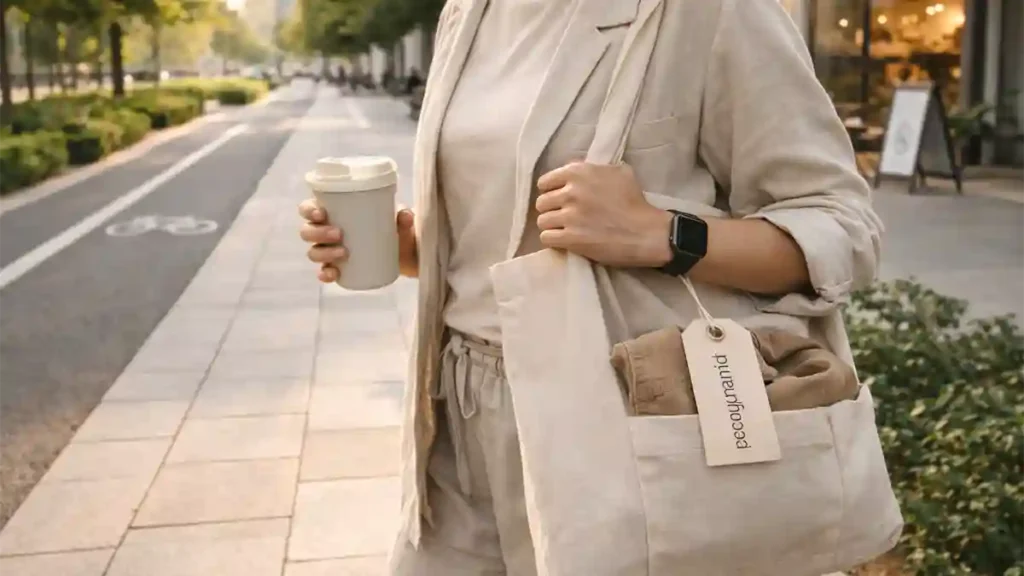
9. Micro Travel: Short Trips, Big Refresh
Not everyone has time (or budget) for long vacations. That’s why micro travel is booming: short, meaningful getaways that fit real schedules.
The micro cation concept short breaks designed for maximum refresh has been getting renewed attention as a practical travel pattern.
Micro travel works because it’s realistic:
- Less planning overload
- Lower cost
- Easier to fit into busy work + family life
- Still gives your brain a reset
Micro travel in 2026 looks like
- 1-3 night local trips
- One anchor itineraries (one main plan, everything else flexible)
- Wellness weekends (sleep, spa, nature, walking)
- Food focused mini trips (one neighborhood, one vibe)
Try it
Plan a 48 hour reset:
- One new place
- One long walk
- One great meal
- One early night
Simple, but surprisingly powerful.
10. Home as a Sanctuary: Comfort, Calm, and Smart Simplicity
After years of nonstop change, people want their homes to feel like a supportive environment not just a place to sleep.
That’s why home trends in 2026 lean toward:
- Better lighting (warm, layered, cozy)
- Air quality improvements
- Noise control
- Decluttering systems
- Spaces designed for rest (sleep first bedrooms)
Smart home growth is still a factor here too. IDC has tracked global smart home device shipments in the hundreds of millions, reflecting how common these devices have become in daily life.
But the vibe is changing: the trend isn’t more gadgets. It’s less friction:
- Smart routines that actually save time
- Devices that disappear into the background
- Privacy aware choices
Try it
Pick one sanctuary upgrade:
- Change your bedroom lighting
- Set a 20 minute evening tidy routine
- Create one screen free corner
Home doesn’t have to be perfect. It has to be calming.
11. The New Money Mindset: Intentional Spending and Quiet Upgrades
One of the most realistic 2026 lifestyle trends is also the least glamorous: people are becoming more strategic with money.
That means:
- Cutting subscriptions that quietly drain cash
- Choosing fewer, better purchases
- Investing in health, skills, and experiences that last
- Buying things that solve repeated problems
This connects directly to the broader consumer pattern: habits to relieve financial strain are becoming embedded into how people shop and live.
Try it
Do a subscription audit:
- Cancel 1 thing you don’t use
- Replace it with a free habit you actually love (walking, reading, cooking, journaling)
That’s a lifestyle glow up that also reduces stress.
What are the biggest Lifestyle Trends 2026?
The biggest Lifestyle Trends 2026 include wellness tech (smart tracking), practical sustainable living, secondhand fashion, micro travel, and simpler routines focused on healthspan and calm.
Why is wellness tech trending so much in 2026?
Because people want easier, personalized guidance for sleep, recovery, stress, and fitness. Wearables and apps make wellness feel measurable and more consistent without needing extreme routines.
Is sustainable living still a major trend in 2026?
Yes, but it’s more practical now. People focus on reducing waste, buying less but better, reusing products, and making money smart choices that also lower environmental impact.
Why is secondhand fashion so popular right now?
Secondhand is popular because it saves money, offers unique style, and supports sustainability. Many people also prefer curated wardrobes instead of fast fashion impulse buys.
What is micro travel, and why do people prefer it?
Micro travel means short, close to home trips (often 1-3 nights). It’s trending because it’s affordable, easier to plan, and still gives a strong mental reset.
How can I start following Lifestyle Trends 2026 without changing everything?
Start small: choose one habit from each area like two strength workouts per week, one secondhand purchase per month, and one 48 hour micro trip each season. Consistency beats big changes.
Conclusion: The Real 2026 Trend Is a Life That Fits
If you take one message from all of this, let it be this:
Lifestyle Trends 2026 aren’t about copying a perfect routine. They’re about designing a life that fits your body, your budget, your values, and your real schedule.
People are:
- treating wellness like a daily practice (not a once a year reset)
- using technology for personalization but also protecting privacy and attention
- choosing practical sustainability, especially through secondhand fashion
- leaning into micro travel and micro habits that actually work in real life
The best way to keep up with 2026 isn’t to do everything. It’s to pick two or three trends that solve a real problem for you and build from there.