Pakistan vs India Final Match 2025: Pakistan Clinches Victory on 21 December
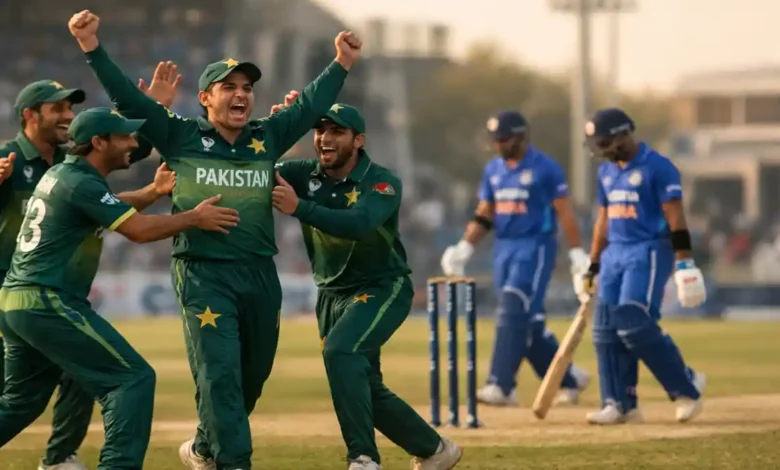
Pakistan vs India Final Match 2025 wasn’t just another chapter in cricket’s biggest rivalry it was a full-blown statement. On 21 December 2025, Pakistan’s Under-19 side delivered a dominant, high-pressure performance to defeat India in the ACC Men’s U19 Asia Cup final at the ICC Academy Ground, Dubai, winning by a massive 191 runs.
If you only look at the scoreline Pakistan 347/8 and India 156 all out you might assume it was one-sided from the start. But the real story is more interesting: Pakistan arrived in the final with a clear plan, executed it with discipline, and used India’s aggression against them at exactly the right moments.
This wasn’t simply a “Pakistan batted well, India didn’t.” It was a modern youth ODI lesson in tempo control, pressure-building, and how one world-class innings can tilt an entire final.
Pakistan vs India Final Match 2025: Match snapshot
Here’s the match in a clean, easy-to-grasp snapshot:
- Tournament: ACC Men’s Under-19 Asia Cup 2025
- Final venue: ICC Academy Ground, Dubai
- Date: 21 December 2025
- Toss: India won the toss and chose to field
- Pakistan U19: 347/8 (50 overs)
- India U19: 156 all out (26.2 overs)
- Result: Pakistan won by 191 runs
- Player of the Match (and Series): Sameer Minhas
That margin–191 runs–puts this final into the “historic” category immediately, not only because of the rivalry, but because finals usually tighten nerves and reduce freedom. Pakistan did the opposite: they expanded the game and forced India to play at Pakistan’s pace.
The build-up: why this final carried extra weight
Pakistan vs India matches always come with noise. But this one had extra layers because India entered the final with confidence and a strong tournament run, and because Pakistan had something to settle.
India had already beaten Pakistan in the group stage
In the group stage, India defeated Pakistan by 90 runs, a result that shaped the narrative heading into the final. India were also described as the only unbeaten side before the title match.
So the final wasn’t just “Pakistan vs India.” It was also:
- A rematch
- A pressure test
- A chance for Pakistan to prove they could adapt
Pakistan’s road to the final was built on bowling
Pakistan’s semi-final against Bangladesh showed the pattern that would define the final: disciplined bowling, early wickets, and then calm chasing.
In that semi-final (reduced to 27 overs per side), Pakistan dismissed Bangladesh for 121, with Abdul Subhan taking 4/20, and then chased it comfortably.
That game mattered because it showed Pakistan weren’t relying on one batter or one spell they were winning as a unit.
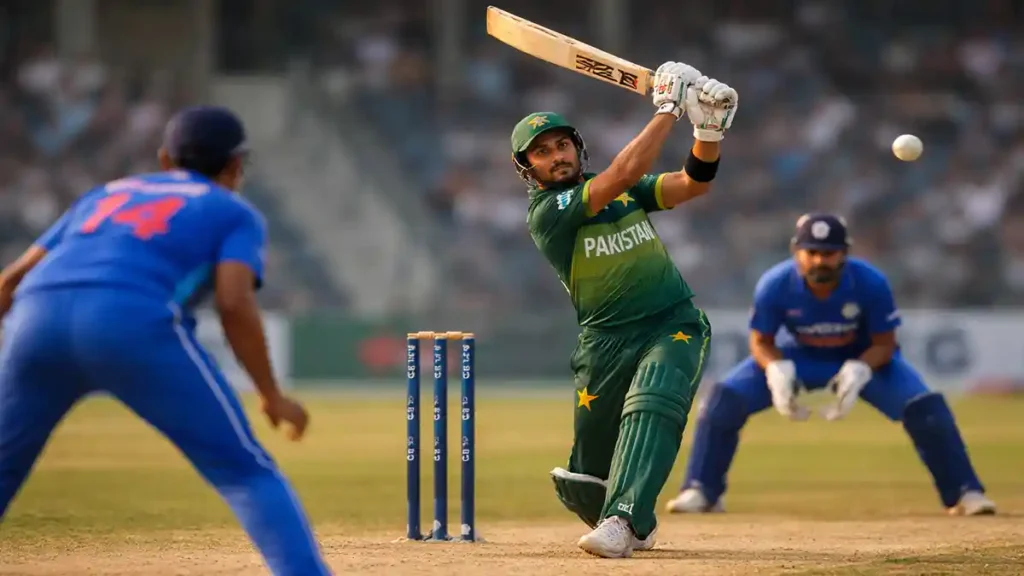
First innings: how Pakistan built 347/8 without losing control
When India chose to bowl first, the logic was understandable: a final morning, potential early movement, and the idea that chasing can simplify the equation “we know the target.”
But Pakistan had two things India couldn’t fully plan for:
- Sameer Minhas playing an all-timer
- Pakistan’s ability to keep attacking without collapsing
Sameer Minhas 172: the innings that broke the final open
Sameer Minhas smashed 172 off 113 balls, with 17 fours and 9 sixes, striking at 152+ numbers that don’t just win matches, they intimidate opponents.
ESPN’s match report noted this knock was Pakistan’s highest individual score and also the highest by any batter in a final in Youth ODIs, underlining how rare this performance was on a big day.
This wasn’t mindless slogging. It was a structured assault:
- He punished anything short or on the body
- He forced bowlers off ideal lengths
- He made field placements feel temporary because he kept finding gaps
The key support act: Ahmed Hussain and partnerships that mattered
Even the best innings needs support in ODI cricket, especially in finals.
Pakistan had that, primarily through Ahmed Hussain’s 56, and crucial partnerships:
- 92-run stand for the second wicket
- 137-run stand for the third wicket (Minhas + Hussain)
Those stands did two things:
- prevented India from building momentum through wickets
- gave Minhas the freedom to attack without feeling like he had to “save” the innings
The late slowdown didn’t change the story
Pakistan did lose wickets late, including a cluster after Minhas fell in the 43rd over. ESPN noted Pakistan scored only 71 in the last ten overs while losing five wickets.
In most matches, that could be a “missed opportunity.” In a final where you’ve already crossed 340, it’s still a mountain.
Second innings: India’s chase fast start, then a collapse
Chasing 348 in a youth final is always brutal. You can’t chase it slowly, and you can’t chase it recklessly. India tried to chase it fast and Pakistan were ready for that.
The explosive opening that briefly changed the mood
India started with intent. Vaibhav Suryavanshi played a rapid cameo, smashing boundaries and looking like he might produce something special.
But he fell for 26 off 10 balls, caught behind off Ali Raza, and that wicket was the trigger for everything that followed.
68/5: the powerplay collapse that ended the contest
One detail from ESPN’s report captures the match perfectly: India reached their fifty quickly, but then lost wickets in a heap 68/5 by the end of the powerplay.
That is the danger zone in any chase:
- the required rate is still high
- the field is up
- panic makes batters play “hero shots”
From there, India weren’t chasing a target anymore they were trying to survive a storm.
Pakistan’s bowling: disciplined, relentless, and perfectly timed
Pakistan’s bowling wasn’t just “good.” It was final-winning smart:
- Ali Raza: 4/42
- Huzaifa Ahsan: 2/12
- Abdul Subhan: 2 wickets (as per match commentary data)
And the key point: Pakistan kept taking wickets without giving India the “two quiet overs” every chasing side craves to reset.
Deepesh Devendran’s cameo: the last spark
India’s No.10 Deepesh Devendran struck 36 off 16 balls, with multiple boundaries, offering late resistance.
But when your No.10 is top-scoring, it’s not a comeback story it’s a sign the top order never got a stable platform.
India were bowled out for 156 in 26.2 overs, and the final ended as a rout.
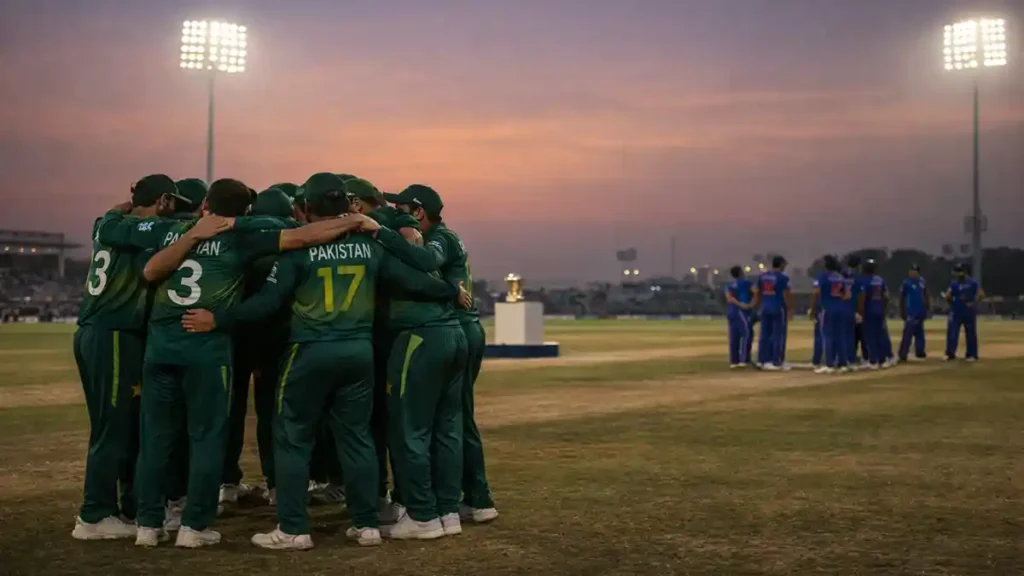
Score summary: the numbers that defined the final
Pakistan U19 – 347/8 (50 overs)
- Sameer Minhas – 172 (113)
- Ahmed Hussain – 56
- Deepesh Devendran – 3/83
India U19 – 156 all out (26.2 overs)
- Deepesh Devendran – 36 (16)
- Vaibhav Suryavanshi – 26 (10)
- Ali Raza – 4/42
- Huzaifa Ahsan – 2/12
Turning points: where Pakistan truly won it
1) India’s toss decision didn’t pay off
India chose to field, hoping early pressure would restrict Pakistan. Instead, Pakistan posted the highest total of the match by far and flipped pressure back onto the chasing side immediately.
2) Sameer Minhas crossed 100 in a final and didn’t slow down
A century in a final is a big deal. A century at that strike rate is match-warping. His acceleration removed India’s ability to “manage” the innings.
3) Ali Raza removing Suryavanshi early
India’s chase was built on a fast start. Once Suryavanshi fell, Pakistan squeezed hard and India’s shot selection became increasingly desperate.
4) The powerplay collapse (68/5)
At that point, the match was no longer balanced Pakistan were simply closing the door.
What Pakistan did better: a simple, repeatable blueprint
One reason this win feels so complete is that Pakistan were better in every phase.
With the bat: Pakistan played “percentage aggression”
Pakistan attacked but they didn’t gamble their whole innings on it. The partnerships ensured wickets didn’t fall in bunches until the end overs, when the platform was already huge.
With the ball: Pakistan forced India to keep swinging
A 348 chase is psychological torture. Pakistan kept wickets falling so India never got the luxury of building a calm 70-run partnership.
In mindset: Pakistan played like the team with clarity
Cricbuzz captured the post-match mood in short comments:
- Pakistan captain Farhan Yousaf highlighted collective execution and morale after the earlier loss.
- India captain Ayush Mhatre called it an “off day” and pointed to inconsistency and fielding lapses.
- Sameer Minhas emphasized playing his natural game and scoring for the team.
Even without quoting long lines, you can feel it: Pakistan’s message was “process,” India’s message was “it happens.”
The bigger meaning: what this win says about Pakistan’s U19 pipeline
This title matters beyond the rivalry.
Pakistan’s second U19 Asia Cup crown
According to the Under-19 Men’s Asia Cup results list, Pakistan are listed as champions (2nd title), with the 2025 final specifically recorded as Pakistan 347/8 defeating India 156 (26.2).
Momentum ahead of the U19 World Cup cycle
Pakistan’s final performance wasn’t a “lucky day.” It looked like a team peaking at the right time exactly what you want before a global tournament window. ESPN also framed the win as a strong tune-up for the upcoming U19 World Cup.
A reminder: youth cricket is about handling moments
India looked stronger on paper in parts of the tournament. Pakistan looked sharper in the final moment that mattered most.
That’s the real takeaway for fans, coaches, and scouts:
- Big matches reward clarity and composure
- “Talent” is never enough without execution
- One innings can reshape a final, but only if the rest of the team holds the rope
Conclusion: Pakistan didn’t just win–Pakistan owned the final
Pakistan vs India finals usually come down to one over, one spell, one mistake. This one didn’t.
On 21 December 2025, Pakistan U19 produced a near-perfect final:
- a record-setting batting performance up front
- partnerships that ensured control
- bowling that turned India’s aggression into a collapse
- and a victory margin (191 runs) that will be remembered for years
For Pakistan, it’s a trophy, a confidence boost, and a clear sign their next generation is ready for bigger stages.
For India, it’s a painful but valuable reminder: finals don’t care how unbeaten you were yesterday only how you respond under pressure today.






3 Comments