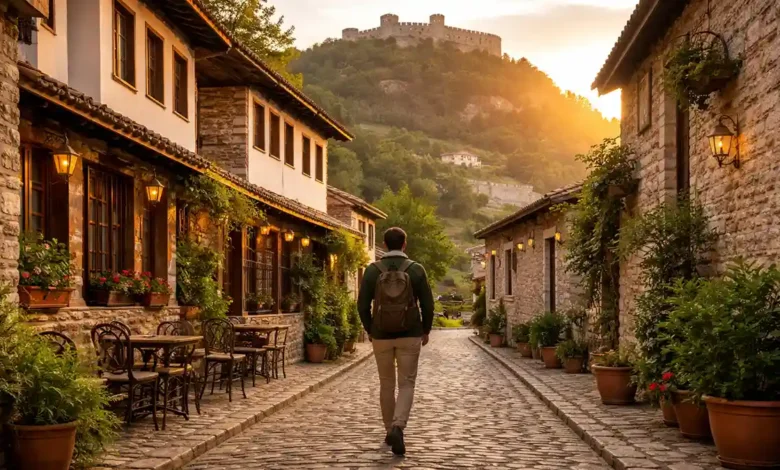
Hidden travel gems in Europe are the places that remind you why you fell in love with travel in the first place: the hush of a medieval alley before the cafés open, a trail where you can hear your own footsteps, a small-town market where nobody’s trying to “sell you an experience” they’re just living.
And here’s the thing: the timing couldn’t be better for traveling differently. Europe is booming again. In 2024 alone, nights spent in tourist accommodation across the EU exceeded 3 billion for the first time, up 2.7% from 2023. Globally, international tourism also returned to (and basically reached) pre-pandemic levels in 2024, with around 1.4 billion international tourists recorded. That’s great news for local economies, but it’s also why the same few “must-see” cities can feel like a theme park in peak season.
This guide is your shortcut to a better kind of trip: underrated European destinations with real culture, beautiful nature, and fewer crowds plus practical tips so you can plan confidently, spend smarter, and travel in a way locals actually appreciate.
Hidden Travel Gems in Europe: Why the Best Trips Start Off the Beaten Path
When people say “Europe is overcrowded,” they usually mean parts of Europe are overcrowded specific hotspots, at specific times, in specific neighborhoods. Meanwhile, thousands of villages, valleys, islands, and small cities are sitting quietly in the background, offering richer experiences at a calmer pace.
The European Commission has even highlighted how some destinations face higher risk factors like visitor intensity and seasonality basically, pressure spikes that can overwhelm daily life. Choosing less-visited places isn’t just about your comfort; it spreads tourism benefits more fairly and supports more sustainable local development.
So, what makes a place a “hidden gem” in this article?
My simple “hidden gem” test
A destination qualifies if it has at least 3 of these:
- It’s not usually in first-time Europe itineraries (or it’s overshadowed by a nearby famous neighbor).
- You can enjoy it without advance timed tickets for everything.
- It has a strong local identity (food, architecture, traditions, landscapes).
- It rewards slow travel: walking, cycling, local buses, small museums, family-run stays.
- It still feels like a place people live, not just a place people visit.
Now let’s get into the good stuff.
Quick Planning Playbook (So These Gems Stay Gems)
1) Travel shoulder season on purpose.
Late April–June and mid-September–October often give you the best balance: good weather, better prices, fewer crowds.
2) Sleep one town away from the “famous view.”
Even in a hidden area, one Instagram-famous spot can inflate prices. Stay nearby and day-trip early.
3) Book your transport first, not your hotels.
For offbeat places, the limited thing is often the bus/train frequency not beds.
4) Spend like a local (and you’ll eat better).
Grab a picnic from a market, use bakeries for breakfast, and choose one special meal a day instead of three tourist meals.
5) Be the kind of visitor you’d want in your neighborhood.
Keep voices down at night, don’t fly drones where people live, and treat “quiet” like a feature not a problem.
15 Hidden Travel Gems in Europe (With What to Do, When to Go, and How to Visit)
1) Berat & Gjirokastër, Albania (Stone towns with living history)
If you want Europe’s “old-world” vibe without the old-world crowds, Albania delivers especially in Berat and Gjirokastër, recognized for their Ottoman-era architecture and layered cultural history.
Why it’s a gem:
White houses stacked like sugar cubes in Berat; dramatic stone mansions and a fortress city feel in Gjirokastër. These places aren’t staged they’re real, daily-life towns.
Don’t miss:
- Berat’s castle quarter (go early for soft light and quiet streets)
- Gjirokastër’s fortress and traditional houses (some function like small museums)
- A slow afternoon café-hopping (Albania does café culture beautifully)
Best time: May–June or September
Local tip: Stay inside the old quarters for one night. The evenings are magical once day-trippers leave.
2) The Bay of Kotor’s Quieter Side, Montenegro (Skip the crush, keep the scenery)
Kotor is famous, yes but most visitors swarm the same waterfront strip for a few hours. The wider region is a UNESCO-listed cultural landscape, and the best experiences are often outside the busiest pinch points.
Why it’s a gem:
You can get the cinematic fjord-like views, stone villages, and church-studded hills without feeling packed in.
Do this instead of the standard loop:
- Base in a smaller bay town (or hillside village) and visit Kotor early morning
- Take a boat that stops at less-visited points instead of only the headline spots
- Sunset viewpoints from higher roads (go slowly narrow lanes)
Best time: Late April, May, late September
Responsible travel note: This area has faced heavy pressure from cruise tourism visit off-peak, sleep locally, and choose small operators when you can.
3) Soča Valley, Slovenia (Emerald rivers, WWI history, and hikes that feel personal)
Slovenia is no longer “unknown,” but the Soča Valley still feels like a secret compared to the Alps next door.
Why it’s a gem:
That surreal, milky-emerald river color. Mountain towns with gentle energy. Trails and viewpoints that don’t require elbowing for space.
Don’t miss:
- Easy riverside walks (perfect if you’re not a hardcore hiker)
- Kobarid area for powerful WWI history and museum visits
- A swim or picnic where locals go (ask your host for a quiet river access point)
Best time: June for river color + pleasant temperatures; September for calmer trails
Budget tip: Self-cater one meal a day Slovenia has great supermarkets and bakeries.
4) Abruzzo, Italy (Italy’s wild heart without the tour buses)
Italy has “hidden” regions, and then it has Abruzzo: mountains, medieval villages, and national parks often with far fewer international visitors than Tuscany or the Amalfi Coast.
Why it’s a gem:
You’ll get dramatic landscapes and gorgeous stone towns while Italian, not English, is still the soundtrack around you.
Highlights:
- Gran Sasso area for hikes and big-sky mountain views
- Hill towns like Santo Stefano di Sessanio (storybook vibes, especially in the morning)
- Local food: arrosticini (skewers), lentils, mountain cheeses
Best time: May–June or September
Local tip: Rent a car if you can public transport exists, but the magic is in linking small villages.
5) Ribeira Sacra, Spain (Canyon vineyards and monasteries Galicia’s quiet wow)
Spain’s famous cities deserve love, but if you want “I can’t believe this is Spain” energy, head to Ribeira Sacra in Galicia.
Why it’s a gem:
Steep vineyard terraces above river canyons, ancient monasteries, and viewpoints that feel like you discovered them yourself.
Don’t miss:
- Miradors over the Sil River canyon
- A small winery visit (many are intimate and family-run)
- Slow lunches: Galician cuisine is comforting and seriously underrated
Best time: Late spring or early autumn
Sustainable tip: Choose tastings and tours that emphasize local producers over mass coach visits.
6) Alentejo Coast, Portugal (Golden beaches, low-key towns, and stargazing skies)
The Algarve gets the headlines. The Alentejo gets your heart.
Why it’s a gem:
Long, windswept beaches, seafood that tastes like the ocean, and towns where tourism exists but doesn’t dominate.
Experiences to build your trip around:
- Coastal walks with cliff views (less crowded than the Algarve classics)
- Simple beach days where you can actually relax
- Dark-sky stargazing inland (Alentejo is known for big open skies)
Best time: June or September
Budget tip: Book a guesthouse with breakfast included Portuguese breakfasts are easy wins.
7) Aveyron, France (Stone villages, rivers, and “real France” energy)
Paris is iconic. Provence is dreamy. But Aveyron is where you go when you want France to feel personal again.
Why it’s a gem:
Historic villages, rivers for kayaking, weekly markets, and food that’s hearty rather than fussy.
Don’t miss:
- Conques (a medieval village that feels like a film set)
- Market mornings (go early, snack as you browse)
- A slow drive linking villages and viewpoints
Best time: May–June, or September
Local tip: Eat lunch as your “main meal” like many locals do better value and atmosphere.
8) Saxon Switzerland, Germany (Fairytale rock formations near Dresden)
A nature escape that surprises people who think Germany is only cities and castles. This national park area is famous among hikers less so among international tourists.
Why it’s a gem:
Bizarre sandstone formations, dramatic overlooks, and trails that range from easy walks to adventurous climbs.
Don’t miss:
- The Bastei viewpoint early in the morning
- A full-day hike that links smaller overlooks
- Combining it with Dresden (culture + nature in one trip)
Best time: Late spring or early autumn
Safety note: Some trails can be steep or narrow good shoes matter more here than “fitness level.”
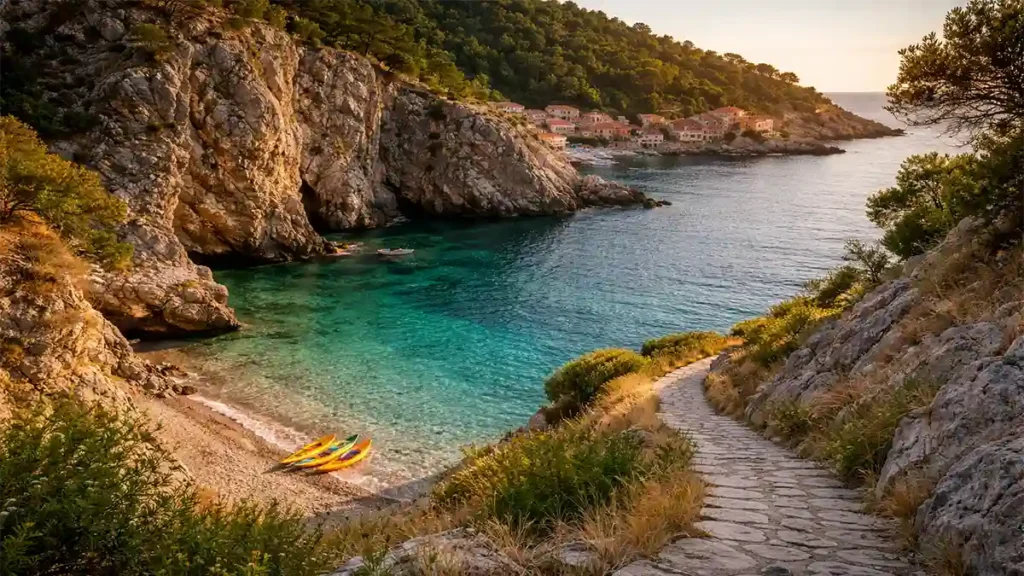
9) Lofoten’s Quieter Cousins: Senja, Norway (Wild scenery without the same spotlight)
Norway’s fjords get the fame and yes, they’re spectacular. But islands like Senja can feel like you’re seeing the dramatic coastline version of Norway with fewer tour buses.
Why it’s a gem:
Sharp peaks, fishing villages, moody beaches, and roads that are destinations themselves.
Best time: Summer for long daylight; September for calmer roads and early autumn color
Local tip: Build in weather flexibility Norway rewards patience.
10) The Wooden Churches of Maramureș, Romania (Living traditions and craftsmanship)
If you want culture that feels deeply rooted-not packaged-head to northern Romania. The region’s wooden churches are recognized for their distinctive timber architecture and craftsmanship.
Why it’s a gem:
It’s not just the buildings; it’s the broader cultural landscape wooden gates, rural life, local dress traditions, and a slower rhythm.
Don’t miss:
- A guided visit (you’ll notice details you’d otherwise miss)
- Local food: soups, breads, seasonal produce
- Village walks quiet, respectful, unhurried
Best time: Late spring to early autumn
Respect note: Dress modestly at religious sites and always ask before photographing people.
11) Bieszczady Mountains, Poland (Europe’s “quiet wilderness” feeling)
Poland has big-city energy in places like Kraków and Gdańsk but the Bieszczady are for travelers who want nature and calm.
Why it’s a gem:
Rolling mountain ridges, forests, and trails where it’s normal to go long stretches without seeing crowds.
Best time: September for crisp hikes and fewer insects
Local tip: Pack snacks and water services can be spaced out.
12) Lake Prespa, Greece (A softer, quieter Greece)
Greece is more than islands. In the northwest, near borders and mountains, you’ll find lakeside villages and birdlife that feel worlds away from Santorini energy.
Why it’s a gem:
Nature, local tavernas, and a sense of “real Greece” where tourism isn’t the main event.
Best time: Late spring (wildflowers + birds) or early autumn
Experience: Rent a bike, take slow lakeside walks, and plan meals around what’s seasonal.
13) The Azores (Beyond São Miguel), Portugal (Volcanic islands with room to breathe)
The Azores are getting more attention but many travelers still only see a slice. Spread your time across islands for a truly “lesser-known European islands” feel.
Why it’s a gem:
Volcanic landscapes, natural pools, hiking trails, and food that’s fresh and simple.
Best time: May–June or September
Planning tip: Flights between islands can be limited lock your inter-island legs early.
14) Vipava Valley, Slovenia (Wine country without the price tag)
If Tuscany feels too busy (or too expensive), Vipava is a gentle alternative: vineyards, small towns, and local wineries that feel welcoming rather than performative.
Why it’s a gem:
Relaxed wine tourism, scenic drives, and great value.
Best time: September (harvest energy)
Local tip: Ask for indigenous varietals this is where you drink the region, not the brochure.
15) The Faroe Islands (Denmark) (For the “I want the edge of the world” crowd)
Not cheap, not “unknown,” but still a true hidden nature escape in Europe for many travelers because it’s remote and requires intention.
Why it’s a gem:
Cliffs, waterfalls, moody skies, and villages that look like they’re holding onto the earth.
Best time: Summer for longer days; shoulder season for fewer visitors
Sustainable tip: Stick to marked paths fragile landscapes recover slowly.
How to Build a 7-10 Day Itinerary Using These Hidden Gems
Option A: The “Balkan Slow Loop” (7–10 days)
- Albania: Berat + Gjirokastër (3–4 days)
- Montenegro: Bay of Kotor (2–3 days, stay outside the busiest core)
- Add-on: a nature stop (2–3 days)
Option B: “Quiet West” (8–10 days)
- Portugal: Alentejo coast (3–4 days)
- Spain: Ribeira Sacra (3 days)
- France: Aveyron villages (2–3 days)
Option C: “Central Europe Nature + Culture” (7–9 days)
- Slovenia: Soča Valley + Vipava Valley (4–5 days)
- Germany: Saxon Switzerland (2–3 days)
- Add-on: a city base like Ljubljana or Dresden (1–2 days)
Travel Smarter: Small Moves That Make a Big Difference
- Start your days early. Hidden gems are best before 10 a.m. not because they’re crowded, but because the atmosphere is calmer and more local.
- Stay two nights minimum. One-night stops turn places into checklists. Two nights turn them into memories.
- Choose local guides for culture-heavy stops. You’ll learn more, spend money locally, and avoid surface-level touring.
- Pack for microclimates. Mountains, coasts, and valleys can change weather fast layers beat fashion.
Conclusion: The Real Luxury Is Space, Time, and a Good Story
Europe will always have headline destinations and you should absolutely see some of them if they excite you. But the trips that stay with you usually happen when you leave room for surprise: a meal you didn’t plan, a viewpoint you didn’t share online, a town you can pronounce only after you arrive.
Hidden travel gems in Europe aren’t just “places without crowds.” They’re places with personality where your presence feels like participation, not pressure. Pick a few from this list, travel a little slower than you think you should, and you’ll come home with something better than photos: you’ll come home with stories that still feel like yours.
3 Comments