Top Players on Saudi Arabia’s National Football Team in 2025
Overview of Saudi Arabia’s National Football Team
The Saudi Arabia national football team, also known as the Green Falcons, has a storied history that dates back to its formation in 1956. The team quickly established itself as a formidable force in Asian football, achieving early milestones such as winning the 1984 AFC Asian Cup. This victory marked a significant achievement for Saudi Arabia, as it positioned the team on the continental map and instilled a sense of pride among its supporters.
Throughout the years, the Green Falcons have continued to evolve, competing in multiple international tournaments, including the FIFA World Cup. The team’s first World Cup appearance occurred in 1994, and they have qualified for this prestigious event on five occasions, showcasing the talent and dedication of Saudi players. Each qualification contributed to a growing national interest in football and emphasized its cultural significance in the Kingdom.
In recent years, particularly leading up to 2025, the Saudi national football team has undergone transformations aimed at enhancing its competitiveness on the global stage. With investments in youth development and infrastructure, the Saudi Football Federation has placed a strong emphasis on identifying and nurturing promising talent. This strategic focus has resulted in improved performances in regional competitions, and their aspirations for the future reflect the nation’s commitment to excelling in the sport.
The passion for football in Saudi Arabia transcends mere entertainment; it serves as a unifying force that brings together individuals from diverse backgrounds. The sport is deeply embedded in national culture and has become an integral part of the national identity. As the Saudi national team continues to aspire for greatness in international competitions, it plays a critical role in fostering national pride and inspiring future generations of players and fans alike.
Key Players to Watch in 2025
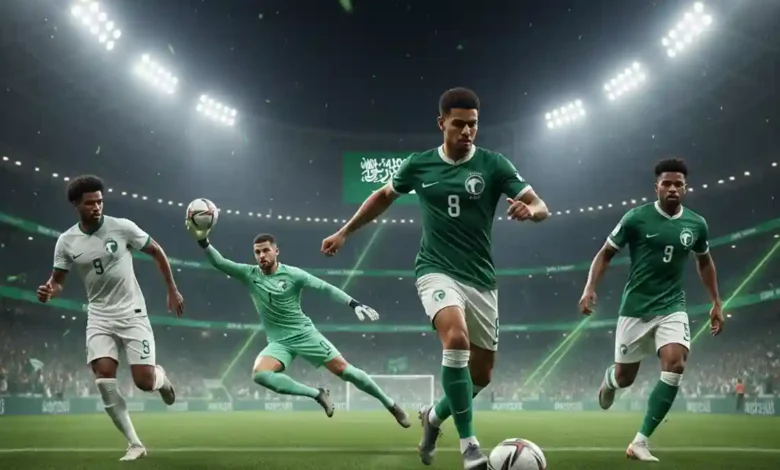
The Saudi Arabia national football team is a dynamic squad exhibiting significant talent that will be pivotal in the year 2025. Among the notable players, Salim Al-Dawsari stands out as a key midfielder. Renowned for his versatility and tactical awareness, Al-Dawsari has consistently performed at an elite level, contributing not only in terms of goal-scoring but also in creating opportunities for his teammates. His experience in international competitions, including the AFC Asian Cup, has established him as a leader within the squad.
Another player to keep an eye on is Fahad Al-Ghifaili, a rising star in the forward position. Displaying exceptional speed and dribbling skills, Al-Ghifaili has the potential to change the course of matches single-handedly. His agility allows him to exploit defensive weaknesses, making him an asset during critical encounters. His statistical contributions in club football, especially in the Saudi Pro League, demonstrate his goal-scoring capabilities, having netted a remarkable number of goals in the previous seasons.
The defense is anchored by the reliable Mohammed Al-Owais, whose skills as a goalkeeper are essential for the team’s success. Al-Owais has shown remarkable composure under pressure, and his shot-stopping ability ranks him among the top keepers in the region. With experience gathered over multiple international appearances, he commands his area effectively and provides assurance to the backline.
Lastly, it is crucial to highlight the valuable role of Yasser Al-Shahrani, a fundamentally strong left-back known for his defensive acumen and ability to join attacks. His capability to both defend resolutely and support forward play adds a crucial dimension to the team’s performance. The collective efforts of these players, along with their individual skills and tactical intelligence, will be instrumental for Saudi Arabia as they aim for success on the international stage in 2025.
Tactics and Playing Style Under Current Management
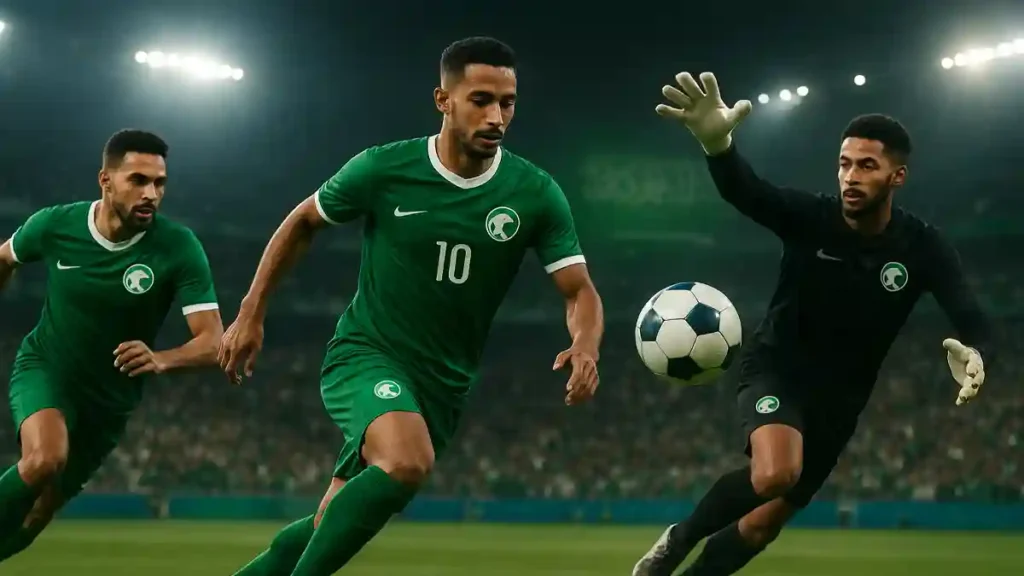
The current management of Saudi Arabia’s national football team has adopted a tactical philosophy that emphasizes cohesiveness, fluidity, and adaptability across different match scenarios. This approach is characterized by a 4-3-3 formation, which provides a balance between attacking capability and defensive stability. The shape of the team allows for quick transitions from defense to offense, utilizing the pace and skill of its top players to exploit the opposition’s weaknesses.
To maximize the effectiveness of the squad, the coaching staff has implemented a pressing style of play, which involves exerting pressure on opponents when they are in possession of the ball. This tactic aims to recover possession quickly and maintain a high territorial advantage on the pitch. The top players have demonstrated their ability to execute this pressing game effectively, highlighting their work rate and commitment to the team’s collective objectives. Key individuals up front are tasked with initiating these presses, breaking down opposing defenses and creating goal-scoring opportunities.
Furthermore, the management has focused on enhancing the players’ technical skills, allowing for intricate passing combinations and maintaining possession under pressure. This possession-based gameplay is critical in dictating the tempo of matches, effectively stifling opposition efforts and giving Saudi Arabia the initiative to control games. The versatility of the top players permits the management to adjust their tactics in response to the game’s dynamics, showcasing a capacity for in-game alterations and strategic flexibility.
Ultimately, the synergy between the coaching philosophy and the abilities of the selected top players is crucial. The technical prowess and tactical intelligence of these individuals ensure that Saudi Arabia remains competitive on the international stage. This alignment of player strengths with the tactical framework has the potential to elevate the team’s performance significantly in upcoming tournaments.
The Future of Saudi Football: Prospects for 2026 and Beyond
The landscape of Saudi football is poised for significant transformation as we look to the years following 2025. Central to this evolution is the emergence of talented players from youth academies and local clubs, which are gaining traction in their efforts to develop homegrown stars. The investment in these academies signifies a commitment to nurturing young talents who possess the potential to make significant contributions to the national team. As these players gain experience and exposure both domestically and internationally, their performance could pave the way for Saudi Arabia to compete at higher levels on the global stage.
The ambition of the Saudi Arabian Football Federation for the 2026 World Cup is more than just participation; it entails a strategy aimed at showcasing a competitive team that can challenge traditional powerhouses. Furthermore, hosting initiatives and partnerships with established football nations may provide invaluable learning opportunities for local players. The aim is to enhance the skill sets of these young athletes, ensuring they are well-prepared to represent Saudi Arabia against formidable opponents.
Moreover, the recent surge in investments in football infrastructure cannot be overlooked. The development of modern training facilities, stadiums, and coaching programs forms the backbone of a thriving football culture. This foundation will facilitate not only the training of elite athletes but also the grassroots programs that introduce the sport to a broader audience. An enthusiastic fan base, combined with a focus on youth development, will create a sustainable environment for the future of Saudi football.
As we transition into 2026 and beyond, the collective efforts to strengthen the national team, coupled with a robust framework for talent development, suggest a bright future for Saudi Arabia’s football ambitions. The focus on cultivating homegrown talent, along with the dedication to enhancing the overall football infrastructure, is paramount in realizing the nation’s aspirations on the international stage.





4 Comments