How the Mango Became Pakistan’s National Fruit
Why mango defines Pakistan’s identity
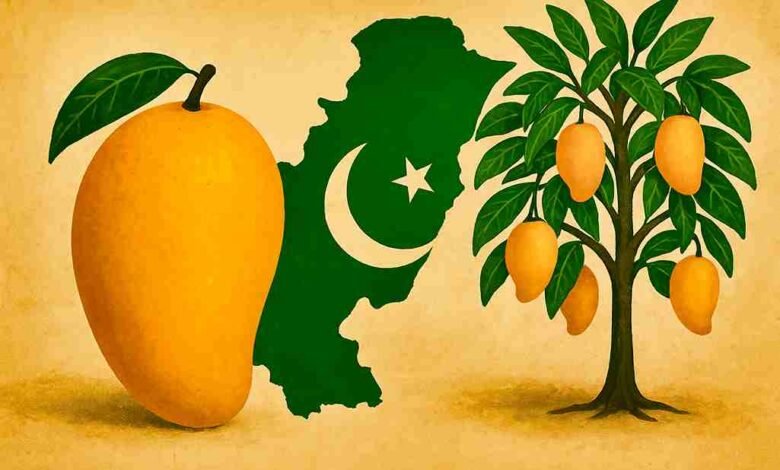
The mango has been praised for centuries as the “king of fruits,” but in Pakistan, its status goes much deeper than taste or popularity. It is a symbol of heritage, pride, abundance, and identity. Today, the mango proudly holds the title of Pakistan’s national fruit, yet its journey to this honor is rooted in thousands of years of history, evolving civilizations, agricultural traditions, and cultural bonds that shape the Pakistani identity itself.
This article explores how the mango became Pakistan’s beloved national fruit, why it holds such emotional and economic importance, and how this single fruit has embedded itself into the nation’s culture, cuisine, and global image. By the end, you’ll understand that for Pakistan, the mango is not just a fruit it’s an experience, a legacy, and a unifying symbol cherished by millions.
A Fruit with Ancient Roots: Tracing the Mango’s Early History
The love affair between the people of the subcontinent and the mango stretches back more than 4,000 years. Historians believe that the mango originated in the region that now includes modern-day Pakistan and India. Archaeological findings from the Indus Valley Civilization, particularly in ancient cities like Mohenjo-daro and Harappa, show evidence of fruit cultivation, including early varieties of mangoes.
The Mango in Ancient Texts and Civilizations
Early Sanskrit texts describe the mango as “rasala” (juicy) and “sahakara” (fruit of companionship).
Buddhist monks carried mango seeds along their travels, helping spread the fruit to Southeast Asia.
Persian traders later brought mangoes to the Middle East, and from there, they reached East Africa.
Because of this unique historical journey, Pakistan’s soil became one of the earliest homes of this iconic fruit. This deep-rooted connection is a major reason why the mango became a natural cultural symbol long before Pakistan emerged as a nation-state.
The Mango in Pakistan’s Geography and Climate
Pakistan’s unique climate provides ideal growing conditions for mangoes especially in provinces like Punjab and Sindh. Fertile soil, long sunny summers, and warm temperatures allow the fruit to develop richer sweetness and flavor compared to many other mango-growing regions.
Key Mango Producing Regions in Pakistan
1. Punjab
Punjab contributes the majority of Pakistan’s mango production. Key districts include:
Multan
Khanewal
Rahim Yar Khan
Bahawalpur
These areas produce some of Pakistan’s most famous varieties, like Chaunsa and Anwar Ratol.
2. Sindh
Sindh’s climate supports early-season mangoes. Key districts:
Mirpurkhas
Hyderabad
Tando Allahyar
The globally loved Sindhri mango comes from this region, known for its size, aroma, and golden-yellow skin.
Together, Punjab and Sindh produce more than 1.8 million tons of mangoes annually, placing Pakistan among the top mango producers in the world. This immense agricultural capacity laid the foundation for the mango’s status as more than just a fruit it became a national pride.
Why the Mango Became Pakistan’s National Fruit
Pakistan’s choice of the mango as its national fruit did not happen by chance. Several cultural, historical, economic, and symbolic factors contributed to this honor.
1. A Deep Cultural Connection
In Pakistan, mangoes aren’t merely eaten they’re celebrated. Every summer, households wait eagerly for the first crates to arrive at local markets. Mango-based gatherings, known as “aam ki daawat”, are a cherished tradition where families and friends enjoy different mango varieties together.
Mangoes feature prominently in:
Poetry and literature
Folk traditions
Hospitality culture
Sufi symbolism
Even globally recognized poets like Mirza Ghalib expressed their love for mangoes in verses that remain popular in Pakistan.
This deep cultural attachment made the mango a natural choice for national representation.
2. A Symbol of Sweetness, Hospitality, and Generosity
Pakistanis often say, “The sweeter the mango, the sweeter the heart of the giver.”
In Pakistani hospitality, serving mangoes expresses respect and warmth. Whether during Eid gatherings, summer weddings, or family reunions, mangoes play a symbolic role.
Such social and emotional significance turned the mango into a powerful cultural icon.
3. Economic Importance to Agriculture
Mango farming is a major pillar of Pakistan’s agricultural economy. The fruit contributes significantly to:
Employment
Livelihoods of small farmers
Export revenue
Rural development
Pakistan exports mangoes to more than 40 countries, including the UAE, Saudi Arabia, UK, EU, and China. Mango exports generate millions of dollars annually and help strengthen Pakistan’s presence in international fruit markets.
This economic importance elevated the mango from a cultural treasure to a national asset.
4. Global Recognition of Pakistani Mango Varieties
Pakistan’s mangoes are known worldwide for their:
rich aroma
creamy texture
superior sweetness
fiber-free pulp
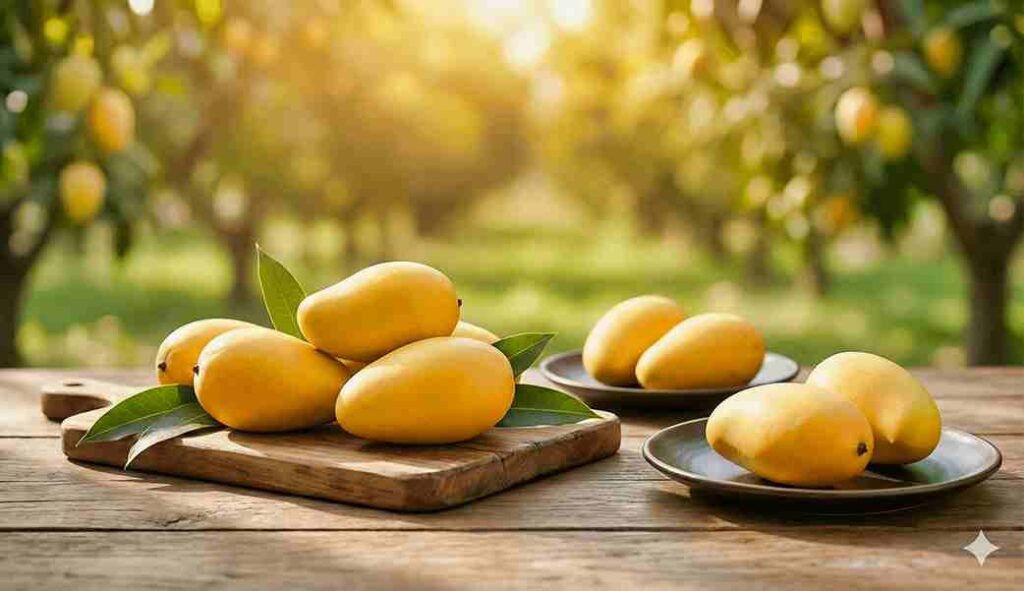
Varieties like Chaunsa, Sindhri, and Anwar Ratol have become global favorites. In fact, the Chaunsa has been described by international chefs as “one of the best mangoes on earth.”
This global acclaim boosted national pride and helped solidify the mango’s title as the national fruit.
The Mango and the Pakistani Identity
The mango is woven into the Pakistani way of life in ways that go beyond culinary delight.
Mangoes in Festivals and Gatherings
Mango parties are a unique Pakistani tradition. From large feasts to simple family picnics, mangoes symbolize celebration and togetherness.
Mangoes in Art and Literature
Traditional art often features mango motifs. In literature, mangoes symbolize love, friendship, and joy.
Mangoes as Gifts of Diplomacy
Pakistan has a long history of using mangoes in diplomacy. Each year, boxes of premium Pakistani mangoes are sent as gifts to foreign leaders a soft power gesture known as “mango diplomacy.”
Famous Pakistani Mango Varieties and Their Legacy
Understanding how the mango became Pakistan’s national fruit would be incomplete without exploring the iconic varieties that have shaped its reputation.
1. Chaunsa
Origin: Punjab
Taste: intensely sweet, aromatic
Famous for: creamy texture, almost fiberless pulp
Chaunsa gained global attention when Pakistani exporters marketed it as the “King of Chaunsa,” leading to rising demand in Europe and the Middle East.
2. Sindhri
Origin: Sindh
Season: early
Features: large size, bright yellow color, classic aroma
Often considered Pakistan’s “queen of mangoes.”
3. Anwar Ratol
Origin: Originally from India, perfected in Pakistan
Taste: extremely sweet
Popularity: one of the most loved mangoes within Pakistan
4. Langra
Taste: tangy-sweet
Shape: oval and green even when ripe
Each of these varieties has its own loyal fan base, adding to the richness of Pakistan’s mango culture.
The Science Behind Pakistan’s Superior Mango Flavor
Pakistan’s mangoes owe their exceptional flavor to a unique combination of:
hot, humid climate
calcium-rich soil
long ripening period
traditional ripening techniques
Unlike chemically ripened mangoes elsewhere, many Pakistani farms still rely on natural methods using hay and controlled storage.
Agricultural scientists also play a major role by creating improved mango strains that are pest-resistant, climate-tolerant, and naturally sweeter.
Mango Farming and the Challenges Faced Today
Despite its national importance, mango farming faces challenges such as:
climate change
heatwaves damaging early crops
water scarcity
outdated farming techniques
export restrictions and quality control issues
However, new initiatives such as drip irrigation, solar-powered cold storage, and government-supported certifications are helping modernize the industry.
How the Mango Strengthens Pakistan’s Global Image
Pakistani mangoes serve as cultural ambassadors. When a box of Chaunsa reaches London or Dubai, it carries with it the fragrance, hospitality, and warmth of Pakistan.
Pakistani restaurants abroad promote mango desserts during the summer season, further spreading global awareness.
The fruit helps shape a positive image of the country, highlighting:
agricultural excellence
cultural richness
export potential
This soft-power value is significant in shaping Pakistan’s place in global markets.
The Mango’s Place in Modern Pakistani Cuisine
The mango’s versatility has allowed it to become a staple ingredient in countless Pakistani dishes, including:
mango lassi
aam panna (cooling drink)
mango milkshakes
mango ice cream
mango kheer
mango salad
Many international chefs have also experimented with Pakistani mangoes in gourmet dishes, from glazes to chutneys.
A Fruit That Unites the Nation
What makes the mango truly special in Pakistan is the way it connects people.
Rich or poor, urban or rural everyone awaits mango season.
Children enjoy mango shakes; elders enjoy sliced mango with roti.
Farmers celebrate their harvest; exporters celebrate global sales.
It is rare for a fruit to blend into the cultural, emotional, and economic fabric of a nation so completely.
And this is exactly why the mango stands proudly as Pakistan’s national fruit.
Conclusion: A Legacy Rooted in Sweetness and Identity
The journey of how the mango became Pakistan’s beloved national fruit is a story of heritage, climate, culture, economics, and identity. From ancient civilizations to modern-day exports, the mango has shaped Pakistan’s global image and enriched its local traditions.
It is more than a sweet summer delight it is a symbol of national pride, hospitality, and unity. Whether served at a family gathering, featured in a diplomatic gift box, or praised by international chefs, the mango continues to represent the sweetness of Pakistan itself.
The title of Pakistan’s national fruit is not just well-deserved it is a perfect reflection of a centuries-old bond between a nation and its most loved fruit.






One Comment