Why Jasmine Is Pakistan’s National Flower
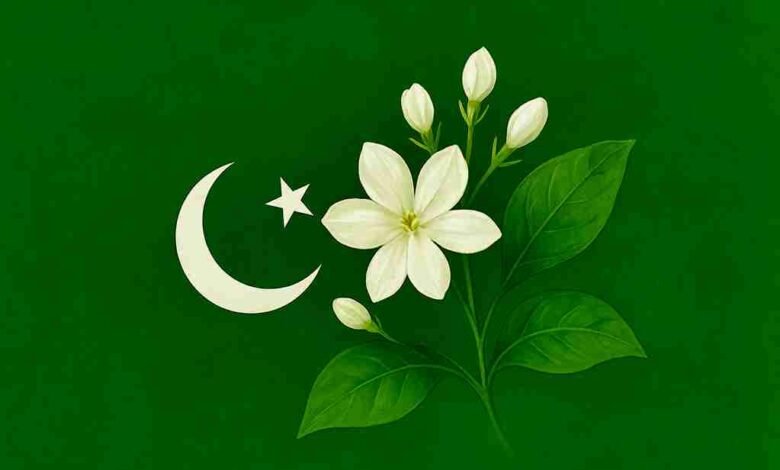
Every country chooses national symbols that reflect its identity, history, and collective character. For Pakistan, the jasmine flower locally known as chambeli holds this honor. At first glance, jasmine’s delicate white petals and soft fragrance might seem like simple aesthetic qualities. But look deeper, and you’ll uncover a story that blends culture, history, spirituality, and national pride.
This article explores why jasmine stands as Pakistan’s national flower, and why a bloom so small carries a meaning so big. From ancient traditions and poetic significance to horticultural relevance and symbolic associations, jasmine represents the very essence of Pakistan’s spirit purity, peace, resilience, and beauty.
Let’s dive into the journey of how and why this little white flower became an unforgettable part of the country’s national identity.
1. A Flower Rooted in the Soil of History
1.1 Jasmine’s Early Presence in South Asia
While the exact origins of jasmine are believed to trace back to regions like Persia and the Himalayas, it has been a part of South Asian culture for over 3,000 years. Ancient civilizations used jasmine in religious rituals, herbal remedies, and perfumery.
In what is now Pakistan, jasmine thrived naturally due to the region’s warm climate and fertile soil. Historic botanical records show that varieties such as Jasminum sambac, Jasminum grandiflorum, and Jasminum officinale were common across Punjab, Sindh, and Khyber Pakhtunkhwa.
Over time, the flower seeped into local customs and traditions, becoming part of daily life in ways that few plants ever do.
2. Cultural Significance: The Heart of the Jasmine Story
2.1 Jasmine in Pakistani Traditions
In Pakistan, jasmine is more than a flower it’s a presence. You’ll find it at:
Wedding ceremonies, where brides wear jasmine garlands
Religious gatherings, especially in homes and mosques
Festive events, where jasmine is used for décor
Daily life, often in hair styling or home fragrance
The scent of jasmine carries emotional meaning for many families, reminding them of celebrations, blessings, and moments of joy.
Its presence at weddings symbolizes purity, devotion, and the beginning of a peaceful life, perfectly reflecting Pakistani values.
2.2 A Symbol in Poetry, Art, and Music
Pakistan’s cultural expressions especially poetry and music are filled with references to flowers, and jasmine frequently appears as a symbol of:
Love
Hope
Beauty
Spiritual growth
Poets like Faiz Ahmed Faiz and Parveen Shakir often used floral metaphors to express deeper emotional states. Jasmine’s purity, elegance, and fragrance make it an ideal symbol to represent inner peace and the beauty of simplicity.
3. Symbolism: Why Jasmine Represents Pakistan
3.1 Purity and Simplicity
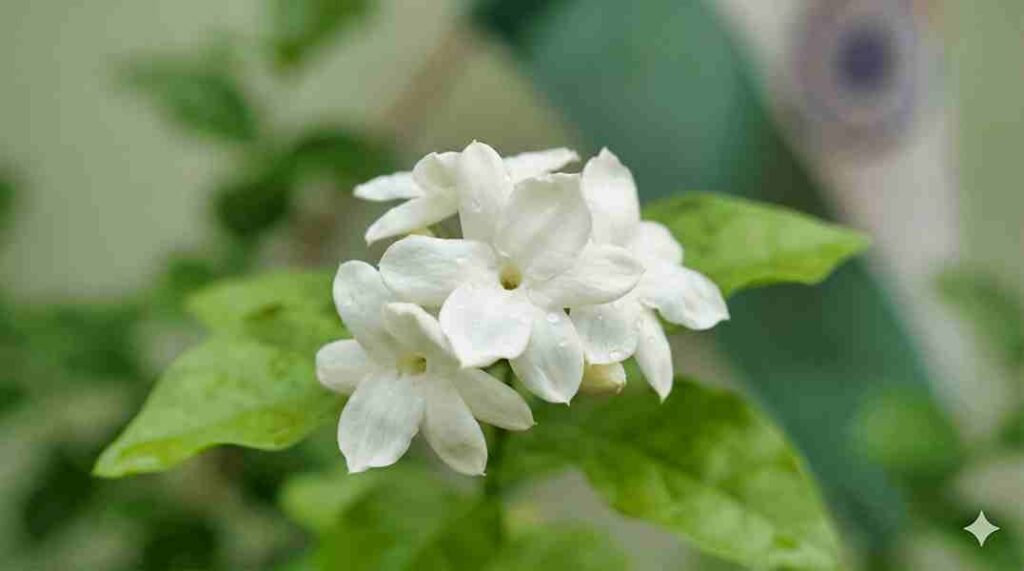
Jasmine’s pure white petals symbolize honesty, cleanliness, humility, and sincerity qualities people associate with an ideal, harmonious society. Its simple form conveys modesty, reflecting the grounded nature of Pakistani culture.
This symbolism aligns with the foundation of Pakistan, envisioned as a peaceful home for its people.
3.2 Peace and Harmony
The flower’s soft fragrance is universally associated with calmness. Jasmine represents:
Peace within communities
Harmony among people
The desire for unity



As Pakistan continues to evolve socially and politically, jasmine’s peaceful symbolism remains deeply relevant.
3.3 Resilience and Strength
Despite its fragile appearance, jasmine is remarkably resilient. It grows in challenging soil, survives high temperatures, and thrives even with minimal care.
This resilience echoes the strength of the Pakistani spirit strong, adaptable, and unbreakable despite obstacles.
4. Why Jasmine Was Officially Chosen as Pakistan’s National Flower
The decision to adopt jasmine as the national flower was grounded in:
4.1 Cultural Commonness
Unlike exotic flowers, jasmine is widely accessible. Families across Pakistan grow it in:
Home gardens
Courtyards
Rooftops
Urban and rural landscapes
Its presence in nearly every household made it a natural choice to represent the nation.
4.2 Spiritual and Religious Connection
Jasmine is often used in Islamic cultural contexts:
Mosques frequently decorate spaces with jasmine garlands
It is associated with spiritual purity
Its fragrance is considered soothing for the mind and heart
Because Pakistan’s cultural identity is deeply aligned with Islamic traditions, jasmine’s spiritual relevance strengthened its symbolic role.
4.3 National Identity and Symbolic Alignment
Jasmine’s white color matches the white strip of Pakistan’s flag, which represents:
Minorities
Peace
Unity
This subtle yet powerful connection reinforces jasmine as a symbol of national harmony.
5. Economic Importance: More Than Just Symbolism
5.1 Jasmine in Pakistan’s Horticulture Industry
Pakistan produces thousands of tons of jasmine annually for:
Essential oil extraction
Perfume manufacturing
Cosmetic products
Traditional medicine
Cities like Sargodha, Multan, Karachi, Hyderabad, and Lahore have major jasmine-growing areas.
Jasmine oil known as “liquid gold” in perfumery is one of the most valuable floral extracts in the world.
5.2 Export and Commercial Value
Although Pakistan’s floral export market is smaller compared to major producers like India or Thailand, jasmine-based products still contribute significantly to:
Small-scale agriculture
Cottage industries
Local commerce
Many rural women create jasmine garlands and sell them in markets, providing household income.
This makes jasmine not just symbolic but economically meaningful.
6. Jasmine in Daily Life: A Symbol That Lives On
It’s rare for a national symbol to be deeply integrated into everyday life, but jasmine is an exception.
6.1 Household Use
You’ll find jasmine:
Planted in front yards
Grown in clay pots
Used for home fragrances
Incorporated in tea (in some regions)
Its scent brings comfort and nostalgia.
6.2 Celebrations and Social Events
Jasmine garlands are essential at:
Weddings
Cultural festivals
School functions
National ceremonies
On Independence Day, many people display jasmine in their homes as a gesture of national pride.
6.3 A Scent That Defines a Nation
Around the world, countries are known for specific scents like lavender for France or cherry blossoms for Japan.
For Pakistan, the fragrance of jasmine is instantly recognizable a natural perfume that feels like home.
7. Jasmine’s National Status in Global Context
7.1 Shared Symbolism Across Nations
Jasmine is also the national flower of other countries like:
Philippines (Sampaguita)
Indonesia (Melati Putih)
Syria
Tunisia
However, each nation associates it with unique meanings.
For Pakistan, jasmine’s symbolism revolves around:
Purity
Peace
Resilience
Unity
These cultural interpretations make jasmine deeply personal to Pakistan’s identity.
8. Conservation and Future Challenges
Despite its cultural significance, jasmine faces challenges in Pakistan:
Urbanization reducing green spaces
Climate change affecting flowering cycles
Pollution harming plant health
Low investment in horticulture research
Preserving jasmine is more than protecting a flower it’s safeguarding a national identity marker.
University researchers and agricultural experts recommend:
Improving seed quality
Promoting rooftop gardening
Supporting local growers
Raising environmental awareness
The future of jasmine depends on collective care.
Conclusion
Jasmine’s title as Pakistan’s national flower is not a coincidence it’s the result of history, culture, spirituality, and symbolism woven together. This small, fragrant white flower reflects the nation’s heart:
Pure in intention
Resilient in spirit
Peaceful in character
Beautiful in simplicity
From weddings and religious gatherings to poetry, gardens, and national celebrations, jasmine touches almost every part of Pakistani life. It symbolizes the shared identity of millions and reminds the world of Pakistan’s cultural richness.
As Pakistan grows and evolves, jasmine remains a timeless emblem a soft, fragrant reminder of unity, peace, and enduring national pride.






9 Comments