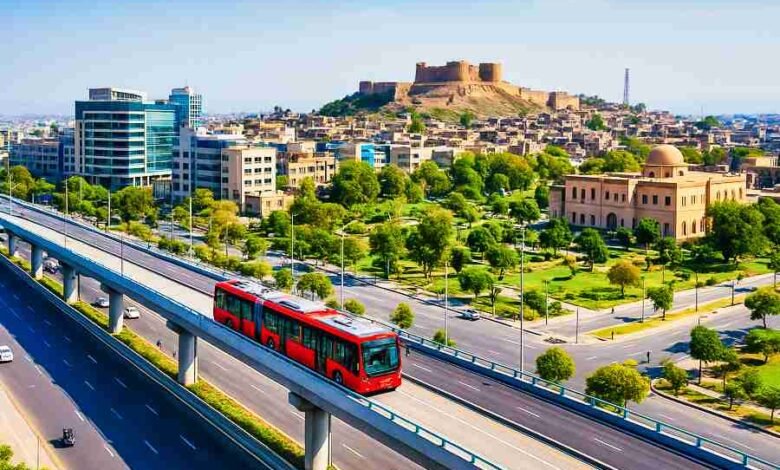
Introduction: Peshawar, the capital of Khyber Pakhtunkhwa province in Pakistan, is one of the oldest continuously inhabited cities in South Asia. With over 2,000 years of recorded history, this vibrant city has served as a melting pot of civilizations from ancient Gandhara to the Mughal Empire and the British Raj. Today, Peshawar is a fascinating blend of rich culture, traditional hospitality, and modern progress.
Situated near the Khyber Pass, the city has long been a strategic gateway between Central Asia and South Asia, making it a hub of trade, culture, and learning for centuries.
Historical Background
The roots of Peshawar stretch deep into ancient history. Originally known as Purushapura, meaning “City of Men” in Sanskrit, it was a prominent city during the Gandhara civilization around the 2nd century BCE.
Under Kushan rule, it became a thriving center of Buddhist art and education home to the famous Kanishka Stupa, one of the tallest structures in the ancient world.
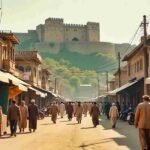
During the Mughal era, Peshawar flourished as a center of architecture and trade, evident in landmarks such as Bala Hisar Fort and Qissa Khwani Bazaar the “Bazaar of Storytellers.” Later, under British rule, Peshawar became a vital military and administrative center.
Geography and Climate
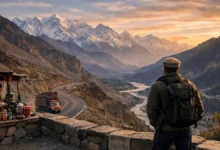
Peshawar lies in the Peshawar Valley, surrounded by mountain ranges including the Safed Koh. The city experiences a semi-arid climate, with hot summers and mild winters. The proximity to the Khyber Pass makes it a historically significant route linking Pakistan with Afghanistan.
Cultural Significance
Peshawar’s culture reflects a unique mix of ancient traditions and modern influences. The majority of its residents are Pashtuns, known for their hospitality, courage, and deep-rooted customs.
The Pashto language dominates daily communication, but Urdu and English are widely understood.
The city is also famous for its traditional music, dance, and cuisine — especially Chapli Kebabs, Peshawari Naan, and Karak Chai. Festivals such as Eid and Jashn-e-Peshawar are celebrated with great enthusiasm.


Architectural and Historical Landmarks
- Bala Hisar Fort: Built by the Mughals, this fort served as a royal residence and later as a military post.
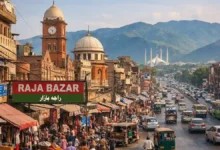
- Qissa Khwani Bazaar: A historical market known for its storytellers and merchants from all over Central Asia.
- Mahabat Khan Mosque: A Mughal masterpiece from the 17th century, showcasing intricate white marble and elegant domes.
- Peshawar Museum: Houses one of the world’s largest collections of Gandhara art, including sculptures of Buddha.
- Sethi House: A stunning example of 19th-century architecture blending Central Asian and Mughal designs.
Modern Development and Economy
Today, Peshawar is transforming rapidly while preserving its historical roots. It serves as a commercial and educational hub, with major institutions like the University of Peshawar and Khyber Medical University.
The city’s economy thrives on trade, agriculture, and small industries. The Peshawar Bus Rapid Transit (BRT) system has modernized public transport, while infrastructure projects aim to connect the city with the China-Pakistan Economic Corridor (CPEC).
Tourism and Local Life
For travelers, Peshawar offers a unique experience — a journey through time. Visitors can explore ancient relics, bustling bazaars, and warm hospitality.
Popular tourist attractions include:
- Khyber Pass
- Jamrud Fort
- Islamia College Peshawar
- Peshawar Zoo
- Shahi Bagh
Despite modernization, the old city’s charm remains — narrow streets, mud-brick homes, and colorful markets reflecting centuries of trade and tradition.
Challenges and Opportunities
Like many growing cities, Peshawar faces challenges such as urban congestion, pollution, and infrastructure strain. However, government initiatives focusing on urban renewal, heritage preservation, and economic growth are gradually improving living standards.
The city’s potential as a cultural tourism hub is enormous. By promoting its history and local craftsmanship, Peshawar could attract international attention and boost regional development.
Conclusion



Peshawar is not just a city — it’s a living museum of civilizations, cultures, and human endurance. Its streets tell stories of conquerors, traders, poets, and common folk who shaped the region’s destiny.
With its strategic location, cultural depth, and resilient people, Peshawar continues to bridge the past and the present — standing as a proud symbol of Pakistan’s rich heritage and vibrant future.








One Comment