How Many Languages Are Spoken in Pakistan1 Cultural Insight
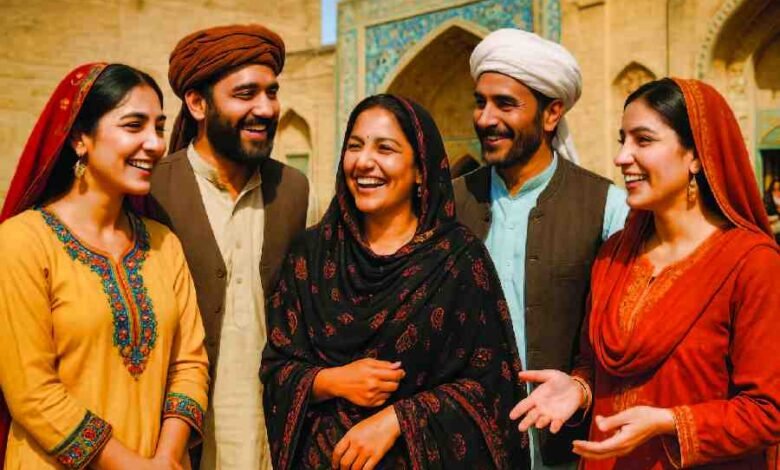
Introduction: A Land of Many Tongues, How Many Languages Are Spoken in Pakistan? A Deep Dive into the Nation’s Linguistic Diversity
Pakistan is a land where language is more than just a means of communication it’s a reflection of history, culture, and identity. With over 240 million people, Pakistan’s linguistic landscape is one of the most diverse in the world. From the poetic flow of Urdu to the rhythmic tones of Punjabi, every region has its own linguistic identity that adds to the nation’s cultural richness.
But just how many languages are spoken in Pakistan? The answer is both fascinating and complex. Linguists estimate that more than 70 languages are spoken across the country some widely used, others on the verge of extinction.
The National Language: Urdu
Urdu serves as Pakistan’s national language and a symbol of unity. Though only spoken natively by around 8% of the population, it bridges communication gaps across provinces. Urdu’s roots trace back to the Mughal era, where it evolved from a blend of Persian, Arabic, Turkish, and local dialects.
Today, it’s the language of education, media, and official communication. Despite regional linguistic pride, Urdu continues to be the common linguistic thread binding Pakistanis from Karachi to Gilgit.
The Official Language: English
Alongside Urdu, English holds official status in Pakistan. It’s the language of government, law, business, and higher education. A legacy of British colonial rule, English remains essential for administrative work and global communication.
English proficiency also plays a key role in career opportunities and social mobility, especially among urban populations. Many schools, universities, and media outlets use English extensively, making Pakistan a bilingual society in many aspects.
Major Regional Languages of Pakistan
Pakistan’s provinces are home to several major languages, each representing centuries of history and tradition. Let’s explore some of the most widely spoken ones:
1. Punjabi
- Spoken by: Around 48% of the population
- Region: Punjab province
Punjabi is the most widely spoken language in Pakistan. It has many dialects such as Majhi, Potohari, and Multani and a rich literary tradition, with poets like Bulleh Shah and Waris Shah shaping its legacy.
Despite its dominance in daily life, Punjabi is not widely used in formal education or official documents, a topic often discussed in linguistic policy circles.
2. Pashto
- Spoken by: About 18% of the population
- Region: Khyber Pakhtunkhwa and parts of Balochistan
Pashto is known for its poetic depth and oral traditions. It’s the mother tongue of the Pashtun people, who take immense pride in their language and heritage. Pashto has several dialects and a strong literary presence, particularly in poetry and folk storytelling.
3. Sindhi
- Spoken by: Around 12% of the population
- Region: Sindh province
Sindhi boasts a rich cultural and literary heritage that dates back centuries. It was once the administrative language during early Islamic rule in the subcontinent. Sindhi is taught in schools across Sindh, and local newspapers, radio, and television channels continue to promote it.
4. Saraiki
- Spoken by: Approximately 10% of Pakistanis
- Region: Southern Punjab and parts of Sindh and Balochistan
Often considered a dialect of Punjabi, Saraiki has its own unique identity and growing literary movement. It’s known for its soft tone and spiritual poetry, often associated with Sufi saints of Multan and Bahawalpur.
5. Balochi
- Spoken by: About 3% of the population
- Region: Balochistan province
Balochi is an ancient language from the Iranian linguistic family. Despite limited written literature, it thrives through oral storytelling and poetry. In recent years, efforts have increased to preserve and promote Balochi through education and media.
6. Others
Apart from these major languages, Pakistan is home to dozens of smaller languages such as Brahui, Hindko, Shina, Balti, Khowar, Burushaski, and Kashmiri. Each of these languages carries unique sounds, scripts, and cultural expressions.
Endangered Languages: A Silent Struggle
While some languages flourish, others face the threat of extinction. Linguists have identified several endangered languages in Pakistan, including Domaaki, Gowro, and Ushojo, spoken by only a few hundred people.
Organizations like The Forum for Language Initiatives (FLI) and UNESCO are working to document and preserve these languages through education and digital archives. Preservation efforts are vital because each dying language represents a loss of cultural memory and identity.
Multilingualism in Everyday Life
Most Pakistanis grow up speaking two or more languages. For example, a person from Peshawar might speak Pashto at home, Urdu in public, and English at work. This natural multilingualism reflects the country’s adaptability and diversity.
Television dramas, music, and social media also blend languages seamlessly, creating a modern linguistic culture that’s vibrant and dynamic.
Conclusion: Unity in Linguistic Diversity
Pakistan’s linguistic diversity is one of its greatest strengths. From the lyrical verses of Sindhi poetry to the energetic rhythm of Punjabi songs, every language contributes to the nation’s cultural identity.
While challenges remain in preserving endangered languages and balancing regional pride with national unity, Pakistan continues to celebrate its diversity. After all, the many voices of Pakistan together tell one powerful story a story of unity, history, and shared identity through language.




3 Comments