A Look at the Deep History of Karachi, 1 The Famous City of Pakistan
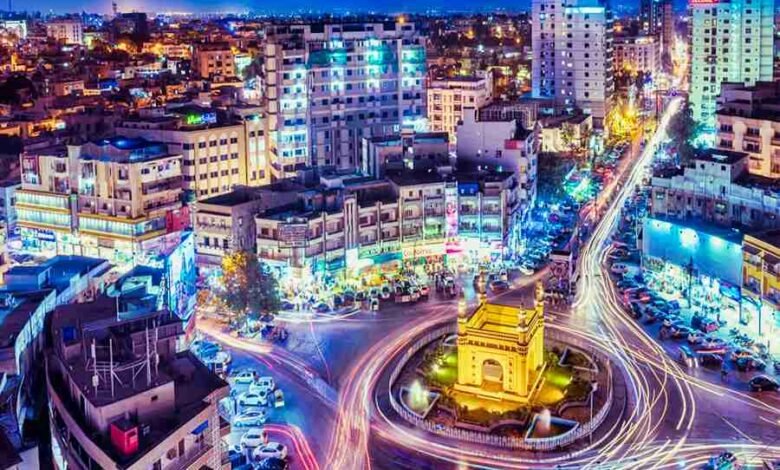
Introduction; Karachi, the beating heart of Pakistan, is far more than just its economic powerhouse. It is a city where ancient history meets modern life a place that has witnessed countless civilizations, empires, and transformations over thousands of years. From being a small fishing village to becoming one of the world’s most densely populated megacities, Karachi’s journey is both remarkable and deeply rooted in the past.
Understanding the history of Karachi is like peeling layers of time each revealing stories of migration, trade, conquest, and resilience. Let’s take a closer look at how this iconic city evolved through the ages.
1. Ancient Roots – The Earliest Settlements, (History of Karachi)
Long before Karachi became a bustling port, the region was home to early human civilizations. Archaeological discoveries suggest that areas surrounding Karachi, such as Banbhore and Shah Jahan Mosque, were significant settlements dating back over 2,000 years.
Banbhore, located near the Indus Delta, is often linked with Debal, the ancient port city mentioned in early Islamic texts. It was here that Muhammad bin Qasim, the young Arab general, arrived in 711 CE, marking the beginning of Islam’s influence in the Indian subcontinent. This event not only changed the region’s spiritual landscape but also laid the foundation for Sindh’s rich cultural identity.
The early settlers of this region relied on fishing, trade, and agriculture, establishing the foundations of a coastal community that would later flourish into Karachi.
2. The Medieval Era, Trade and Transformation
As centuries passed, the Karachi region became a vital part of regional trade routes. Located strategically along the Arabian Sea, it connected South Asia to the Middle East, Africa, and beyond. Merchants, sailors, and travelers passed through these coasts, bringing with them goods, languages, and ideas.
During the Medieval Islamic period, Karachi’s ports served as crucial centers for maritime trade. The city witnessed a fusion of cultures Arab, Persian, Indian, and Central Asian each leaving its mark on the local traditions and architecture.
3. The Colonial Period, The Birth of Modern Karachi
The real transformation of Karachi began during the British colonial era in the 19th century. After the British East India Company annexed Sindh in 1843, Karachi’s potential as a deep-sea port quickly became apparent.
The British invested heavily in the city’s infrastructure constructing the Karachi Port, railways, and roads that connected it to major cities like Hyderabad and Lahore. By the late 1800s, Karachi had become one of the most important ports in the British Indian Empire.
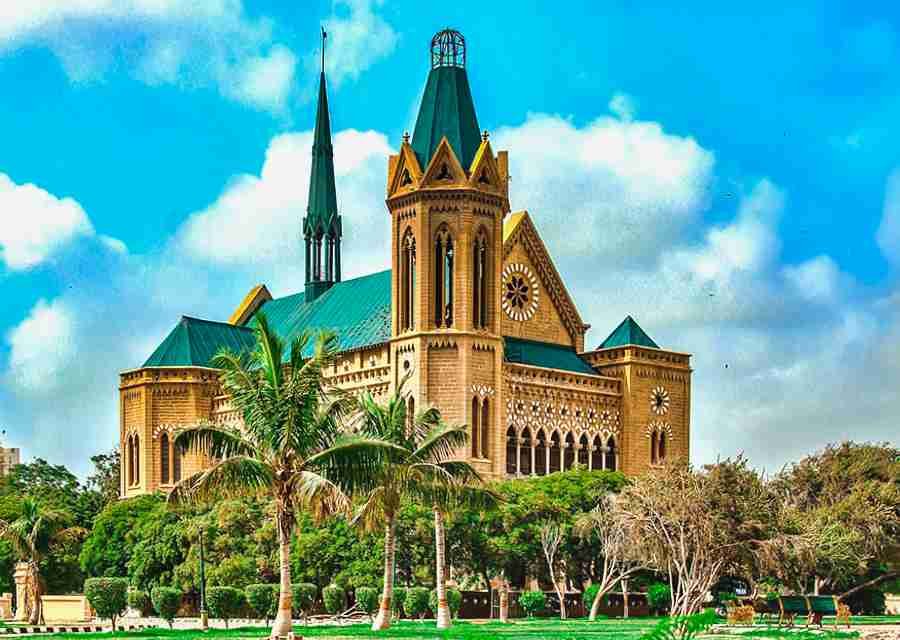
The British era also brought urban development, new educational institutions, and architectural landmarks. Structures like Frere Hall, Merewether Clock Tower, and Empress Market still stand as symbols of colonial architecture and historical pride.
4. Karachi and Independence- A City Reborn
When Pakistan gained independence in 1947, Karachi was chosen as the first capital of the new nation. The city’s cosmopolitan nature and existing infrastructure made it an ideal choice for administrative and political activities.
However, independence also brought challenges. Hundreds of thousands of migrants from India arrived in Karachi, seeking refuge and new beginnings. The city’s population surged dramatically, creating both opportunities and pressure on housing, transport, and employment.
Despite the growing pains, Karachi remained a symbol of unity and progress. It quickly became Pakistan’s industrial and financial center, hosting key institutions like the State Bank of Pakistan, Pakistan Stock Exchange, and numerous multinational companies.
5. The Modern Era – Growth, Challenges, and Resilience
Today, Karachi stands as Pakistan’s largest city, with an estimated population exceeding 20 million people. It is a true megacity diverse, dynamic, and full of contradictions.
Known as the “City of Lights”, Karachi never sleeps. Its economy contributes around 25% of Pakistan’s total GDP, driven by industries such as manufacturing, finance, shipping, and information technology.
However, Karachi’s rapid expansion has also brought challenges urban congestion, water scarcity, and infrastructure stress. Yet, the city’s resilience remains unmatched. Its people are known for their adaptability, entrepreneurial spirit, and ability to thrive despite adversity.
Culturally, Karachi continues to lead Pakistan in fashion, media, and the arts. From the historic streets of Saddar to the modern skyline of Clifton and DHA, the city beautifully blends its past with its present.
6. The Spirit of Karachi, A City That Never Stops
What truly defines Karachi is its spirit. It’s a city where traditions coexist with modern ambitions, where every street tells a story, and every person adds to its mosaic of diversity.
Karachi has produced some of Pakistan’s greatest thinkers, artists, and leaders from Quaid-e-Azam Muhammad Ali Jinnah, the founder of Pakistan, to globally recognized figures in business, science, and culture.
This enduring blend of history, diversity, and determination is what makes Karachi not just a city, but a living narrative of Pakistan’s evolution.
Conclusion
The deep history of Karachi is a story of transformation from a humble coastal village to a thriving global metropolis. Each era, from ancient times to the present, has left an indelible mark on its identity.
Despite challenges, Karachi remains a city of hope and opportunity a place that reflects Pakistan’s resilience, ambition, and vibrant spirit. Understanding Karachi’s past is not just about studying history; it’s about appreciating how its people continue to shape the future while carrying the echoes of their remarkable journey.


3 Comments