Okra Curry Recipe, Easy & Flavorful Bhindi Curry
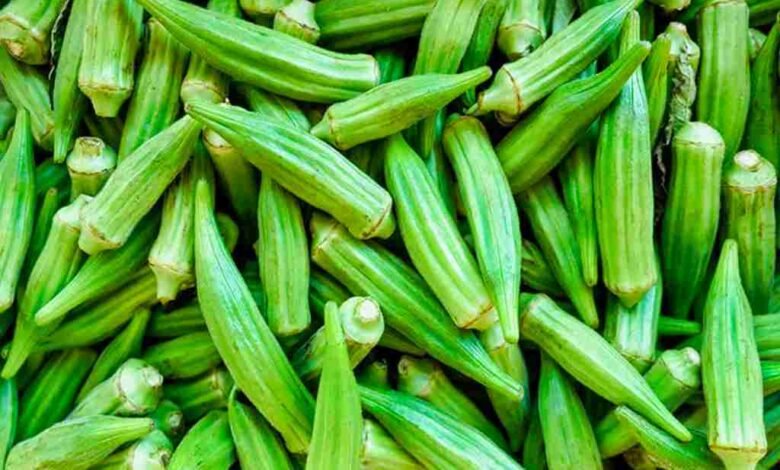
Okra curry is one of those humble, homey dishes that manages to be comforting, nutritious, and endlessly adaptable. Whether you grew up with the fragrant tang of tomatoes and spices simmering with tender okra, or you’re discovering it for the first time, this guide will take you from pantry prep to plate with confidence. I’ll explain why okra behaves the way it does in the pot, how to control its texture, and offer variations so you can make the dish your own.
Why okra curry? A quick intro
Okra (also called lady’s finger or bhindi) is prized for its mild flavor and velvety texture. It soaks up spices and sauces beautifully, making it a perfect vehicle for bold flavors. Nutritionally, okra is low in calories, a good source of dietary fiber, and contains vitamins and antioxidants that support a healthy diet which is one reason it features in many traditional cuisines from South Asia to the American South and parts of Africa.
Ingredients (serves 3–4)
- 400–500 g fresh okra (choose small-to-medium pods they’re less fibrous and more tender)
- 2 tablespoons oil (vegetable, sunflower, or mustard oil)
- 1 teaspoon cumin seeds (optional)
- 1 medium onion, finely sliced
- 1–2 green chilies, slit (adjust to taste)
- 1–2 teaspoons ginger-garlic paste (or 1 tbsp fresh ginger + 2 cloves garlic, minced)
- 2 medium tomatoes, finely chopped (or 1 cup canned crushed tomatoes)
- ½ teaspoon turmeric powder
- 1 teaspoon coriander powder
- ½ teaspoon cumin powder
- ½–1 teaspoon red chili powder (adjust)
- Salt to taste
- 1 teaspoon amchur (dry mango powder) or 1 tablespoon lemon juice (for tang)
- Fresh coriander leaves (cilantro), chopped, to garnish
Optional extras: a small potato (diced), a spoonful of roasted peanut paste, a splash of coconut milk for a creamier variation.
Prep: how to choose and handle okra
- Choose well: look for firm, unblemished, bright green pods. Avoid soft or brown-spotted ones. Smaller pods are more tender.
- Wash and dry: rinse briefly under running water, then dry thoroughly with a kitchen towel. Moisture is what releases extra sliminess, so the drier the pods, the better.
- Cutting: trim the stem ends only; avoid cutting into the pod too much. Slice into 1–1.5 cm rounds (or leave whole if you prefer). If you want less mucilage, cut on a bias and sauté quickly over high heat before adding liquids.
The core method, step by step
- Sear to reduce slime (optional but effective): Heat 1 tablespoon oil in a wide skillet over medium-high heat. Add the sliced okra and sauté, stirring occasionally, until edges begin to brown about 6–8 minutes. Remove and set aside. This step gives the okra a slightly nutty flavor and reduces mucilage.
- Make the base: In the same pan, add the remaining oil. Add cumin seeds; when they sputter, add sliced onion. Cook on medium heat until translucent and slightly golden. Add green chillies and ginger garlic paste if necessary. Fry till the raw smell disappears completely.
- Spices and tomatoes: Lower heat and add turmeric, coriander, cumin powder, and red chili powder. Stir for 20–30 seconds to toast the spices. Add tomatoes and cook until the oil separates or the mixture thickens 6 – 8 minutes.
- Combine: Return the seared okra to the pan and mix gently. Add ¼ cup water (or a little more) if you want a looser curry. Cover and simmer on low for 6–8 minutes, until okra is tender but not mushy.
- Finish: Stir in amchur or lemon juice and adjust salt. Garnish with chopped coriander and a drizzle of oil if desired. Serve hot.

Tips to control okra’s texture (the famous “sliminess”)
- Dry well before cooking. Moisture activates mucilage.
- High-heat sear first. Browning the pods reduces mucilage and adds flavor.
- Acidic ingredients cut slime. Tomatoes, lemon, or vinegar reduce sliminess and brighten flavor. Add them early in the sauce so they can integrate.
- Don’t over-stir once in liquid. Gentle handling preserves shape and prevents a gluey texture.
- Use non-reactive cookware (stainless steel or non-stick) if you’re adding acidic tomatoes they cook cleanly and won’t discolor.
Variations to try
- Tomato-based (classic): The recipe above tangy and bright.
- Coconut okra curry: After the tomatoes, stir in ½ cup coconut milk and simmer gently for a creamier, South-Indian–style curry.
- Dry spiced okra: Skip extra water and tomatoes; cook with onions, tomatoes, and spices until the okra is dry and slightly crispy great with roti.
- Okra with potatoes (bhindi-aloo): Add diced potatoes along with the okra; potatoes soak up the flavors and bulk the dish up.
- Peanut or sesame twist: Stir in a spoonful of roasted peanut paste near the end for a nutty depth (common in some African and southern Asian recipes).
Serving suggestions
Okra curry pairs beautifully with steamed rice, jeera rice, or flatbreads like chapati, roti, and naan. For a light meal, serve with plain yogurt and a simple salad. For a heartier spread, include dal (lentils) and a vegetable or pickle.
Storage & reheating
Okra can be kept in the refrigerator for 2 or 3 days. Reheat gently on the stovetop; high heat can make it tough. Avoid freezing if you want the best texture frozen okra tends to become softer and may release more mucilage when thawed.
Common questions
Q: Does okra lose nutrients when cooked?
A: Some water-soluble vitamins can reduce with prolonged boiling, but cooking also makes other nutrients more available and makes okra easier to digest. Quick, moderate cooking retains both texture and nutrition.
Q: Can I make this vegan?
A: Absolutely the recipe is fully plant-based. Use oil of choice and skip dairy.
Final notes (& a quick flavor checklist)
Okra curry is forgiving and adaptable. Aim for a balance: a bit of tang (tomato/lemon), the warm depth of toasted spices, and a satisfying texture (tender but intact okra). If something feels off, tweak one thing at a time more acid, a pinch more salt, or a little extra roasting time for the okra.
Cooking well is part knowledge, part instinct. With the approach above, you’ll have a dependable okra curry every time from weeknight dinners to family gatherings. Now, grab that skillet and enjoy the simple, delicious alchemy of spices and green pods.


2 Comments