Best Wireless Earbuds 2026: Clear Sound on a Budget
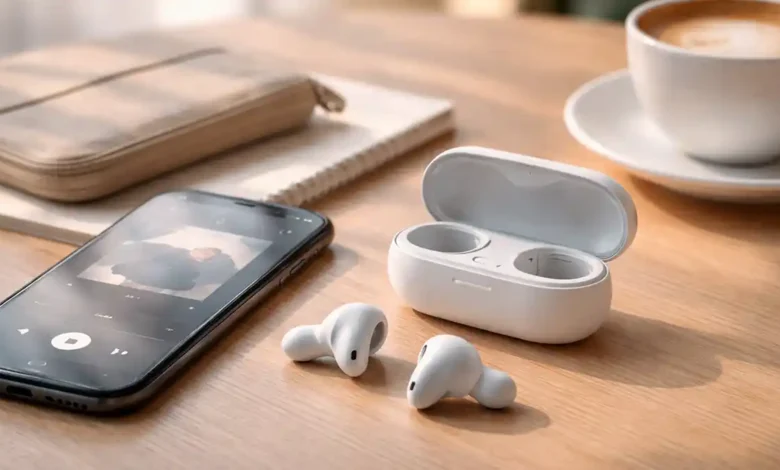
Best Wireless Earbuds 2026 are proof that great everyday audio is no longer a luxury purchase. If your goal is clear sound, reliable connection, and comfortable all-day listening, you can get surprisingly close to premium performance without paying premium prices. The trick is knowing what to look for, what to ignore, and how to match earbuds to your real life: commuting, calls, workouts, studying, travel, or just relaxing with music and podcasts.
This article is designed to help you buy with confidence. We will break down the key features in simple language, explain why some specs matter more than others, and show practical ways to evaluate value.
Let’s start with the most important idea.
Clear sound on a budget is possible, but it is not “magic”
Many people assume expensive earbuds sound better because they cost more. Sometimes that is true, but in 2026 the gap is smaller than most shoppers expect. Why? Competition is intense, manufacturing is efficient, and audio tuning is now heavily software-driven. That means affordable earbuds can offer good drivers, decent noise reduction, and smart processing for calls.
However, budget earbuds still have trade-offs. You may not get the best transparency mode, the strongest wind reduction, or the most natural ANC in every situation. Instead of chasing perfection, aim for the best balance: sound quality you actually enjoy, comfort you can live with, and features that match your daily routine.
The biggest improvements in budget earbuds in 2026
Budget wireless earbuds have leveled up in a few clear ways:
(1) Better tuning out of the box
Many budget models now aim for a balanced “consumer-friendly” sound: a bit of bass, clear vocals, and treble that is not painfully sharp. You still get some models that overdo the bass, but the average tuning is much more listenable than in early true-wireless days.
(2) Useful apps and EQ
An app with a simple EQ can change everything. If vocals feel buried, you can bring them forward. If treble is too bright, you can soften it. App support is also how brands push firmware updates that improve stability.
(3) ANC becoming normal under $100
Active Noise Cancellation used to be a premium feature. Now it is common in the “best earbuds under $100” category. It may not be perfect, but it can make commuting and studying dramatically easier.
(4) More reliable connections
Modern earbuds generally handle busy wireless environments better. Multipoint pairing is also appearing more often, which is great if you switch between phone and laptop.
What “clear sound” really means (in plain English)
When shoppers say they want clear sound, they usually mean these real-world outcomes:
Voices are easy to understand
Podcasts, YouTube, audiobooks, voice notes, and calls should sound natural. Clear sound means speech does not feel muffled or distant.
Music has separation, not blur
In a busy track, you should hear layers: vocals, drums, bass, and smaller details. You do not need “audiophile” perfection. You want instruments to feel distinct.
Bass is controlled
Good bass is not just “more bass.” It is bass that hits when needed, then steps back so it does not cover vocals. Budget earbuds often exaggerate bass, so you are looking for balance.
Here is the secret most buyers learn late: the best sound upgrade is often not a new model. It is a better fit.
Fit and seal: the feature that impacts everything
If your ear tip does not seal properly, you lose bass, clarity, and noise isolation. ANC also becomes far less effective. Two people can buy the same earbuds and have completely different opinions because their ears are different.
How to get a better seal (fast)
- Try every included tip size. Most people default to medium, but many need small or large.
- If the earbuds feel loose, go one size up.
- If you feel pressure or pain, go one size down or try a different tip shape.
- Insert, then gently twist until the earbuds feel stable.
If you do nothing else after purchase, do this. It makes budget wireless earbuds sound more expensive instantly.
The smart budget buyer checklist (priorities in the right order)
If you want clear sound on a budget, use this order of importance:
- Comfort and stability: If it hurts, you will not use it.
- Seal and fit: This affects sound, ANC, and bass.
- Connection reliability: Dropouts ruin everything.
- Microphone quality: Critical if you take calls.
- Battery per charge: “Case total” is less important.
- ANC and transparency: Choose based on lifestyle.
- App features and EQ: Small tweaks make a big difference.
- Durability and water resistance: Especially for workouts.
This approach prevents the most common mistake: buying based on one flashy feature while ignoring daily usability.
ANC on a budget: what it does well, and what it does not
Budget ANC can be genuinely helpful, but it is not a silence button.
Budget ANC is strongest against steady low noise
- airplane cabin hum
- bus and train rumble
- air conditioner or fan noise
- office background noise
Budget ANC is weaker against sharp, changing sounds
- close voices
- sudden clinks and high-pitched sounds
- wind gusts
If you commute, travel, or work in noisy spaces, ANC is worth prioritizing. If you mostly listen at home, you may get better value by focusing on comfort and sound quality instead.
Transparency mode: underrated but important
Transparency mode pumps outside sound into your ears so you can hear your surroundings. A good transparency mode feels natural. A weak one sounds thin, artificial, or hissy.
If you walk outdoors often, work in an office, or need to hear announcements, transparency quality matters. Many budget earbuds are “good enough” here, but the best ones feel effortless.
Microphones and call clarity: the reality check
Call quality is one of the biggest differences between “fine” earbuds and truly excellent earbuds.
What actually improves call clarity
- multiple microphones (helpful, but not everything)
- good noise filtering and voice isolation processing
- wind handling
- stable connection that avoids digital glitches
Quick tip for better calls
Even with good earbuds, your environment matters. If you take an important call outdoors, turning your head away from wind and lowering your voice slightly can improve clarity. If the call is truly critical, switching to the phone microphone can still be the most reliable move.

Battery life: what to measure (and what to ignore)
Earbud boxes often advertise huge numbers like “40 hours.” That usually means total battery with the case, with features turned off.
For real life, focus on:
- single-charge playback (how long the earbuds last before going back in the case)
- performance with ANC on if you use it
- how quickly the case recharges, and whether it supports wireless charging
A practical target for many users is enough battery to cover a full workday with breaks. That usually means solid single-charge battery and a case that tops up quickly.
Bluetooth and codecs in 2026 (simple guide)
You will see codec terms in marketing. Here is what matters.
The basics
- SBC: the default codec; typically fine for casual listening
- AAC: common on iPhone; can sound good with proper implementation
“High quality” options
- LDAC: often on Android; can deliver higher quality when conditions are right
- aptX variants: depend on your phone support; not universal
The practical truth
A codec logo does not guarantee great sound. Tuning and fit matter more for most listeners. If you use an iPhone, you can still get excellent sound without chasing codec labels. If you use Android, advanced codec support can be a nice bonus, but do not make it your main reason to buy.
LE Audio and Auracast (future-facing features)
Bluetooth LE Audio is designed to improve efficiency and enable new features like broadcast-style audio sharing. In everyday terms, it can support more flexible listening and sharing as devices adopt it. It is not a must-have today, but it is a smart bonus if you keep earbuds for years.
The budget sweet spot: where value is strongest
In 2026, value usually peaks in the under-$100 segment. This is where you often get:
- enjoyable tuning with clear vocals
- usable ANC
- decent app support
- stable connection
- solid battery life
That said, there are three price tiers worth understanding.
Tier 1: Under $50
Great for:
- casual listening
- students
- backup pair
- gym beater earbuds
Trade-offs:
- weaker ANC (or none)
- average microphones
- simpler apps
Tier 2: Under $100
Best for:
- most people who want “one pair” for daily life
- commuting and travel on a budget
- balanced features
Trade-offs:
- transparency mode may be average
- call quality can vary by model
- ANC may be inconsistent in complex environments
Tier 3: $100 to $150
Best for:
- people who want more refined ANC and transparency
- stronger microphone processing
- slightly better comfort and polish
Trade-offs:
- you may be close to premium pricing during non-sale periods
If you want clear sound on a budget, Tier 2 is usually the smartest target.
How to pick the right earbuds for your lifestyle
Instead of hunting for one “best” product, decide what matters most to you.
If you commute daily
Prioritize:
- comfortable seal for long sessions
- ANC that reduces low rumble
- transparency for street awareness
Look for a model known for stable fit and consistent noise reduction.
If you take a lot of calls
Prioritize:
- voice clarity in noisy environments
- wind reduction
- connection stability between phone and laptop
Multipoint can be a big convenience if you switch devices during the day.
If you work out
Prioritize:
- secure fit (wings or a shape that locks in)
- sweat resistance
- easy controls you can use mid-workout
If earbuds slip, try larger tips or a model with stabilizers. Sweat can also change grip, so choose a pair designed for motion.
If you watch videos or play games
Prioritize:
- low latency mode
- stable connection
- consistent audio sync
Gaming modes help, but device settings and apps also affect latency. For competitive gaming, wired solutions still win, but earbuds can be good for casual play.
Popular budget-friendly earbud styles (and who they fit)
Earbuds usually fall into a few designs:
Stem-style earbuds
Pros:
- easier mic placement for calls
- often stable controls
- can feel lighter in ear
Cons:
- may feel less “locked in” for workouts for some ears
Compact rounded earbuds
Pros:
- often more secure for movement
- can feel discreet
- good passive isolation if seal is strong
Cons:
- controls can be fiddly on very small shells
Earhook or winged sport earbuds
Pros:
- best stability for running and gym
- less likely to fall out
Cons:
- bulkier, less pocket-friendly
The right design depends on your ears and your routine. Comfort wins over aesthetics every time.

A practical “budget scorecard” you can use in 5 minutes
When comparing two earbuds, score each category from 1 to 5:
- Comfort after 30 minutes
- Seal and stability while walking
- Vocal clarity in a podcast
- Bass control in music
- ANC usefulness (if included)
- Transparency naturalness (if included)
- Mic clarity on a test call
- App EQ and controls
- Connection reliability around your home
- Battery per charge
Whichever model wins for your needs is the “best wireless earbuds” choice for you, regardless of hype.
“Best Wireless Earbuds 2026” budget picks: how to interpret recommendations
It is normal to see the same models appear across lists and reviews because some brands consistently deliver value. When you see a model repeatedly recommended for sound quality, ANC, or battery, it is usually a sign it performs well for the price.
Still, your best pick depends on:
- your ear shape
- your phone and laptop
- your preferred sound style (bass-heavy vs balanced)
- whether calls matter
- how often you travel or commute
If possible, buy from a retailer with an easy return policy. Comfort is personal, and that is not something a spec sheet can guarantee.
Android vs iPhone: what changes?
Best earbuds for Android
Android users may benefit from:
- broader codec options on some phones
- tighter settings control for Bluetooth
- brand-specific fast pairing features (depending on ecosystem)
But the biggest advantage is flexibility. If a model supports your phone’s preferred codec, you may get more consistent performance.
Best earbuds for iPhone
iPhone users should focus on:
- stable AAC performance
- great tuning and fit
- reliable app support
- easy switching across Apple devices (if supported by the earbud and your setup)
You do not need special codecs to get clear sound on iPhone. A well-tuned pair with a good seal can sound excellent.
How to make any budget earbuds sound better (quick upgrades)
Even budget wireless earbuds can punch above their price with the right tweaks.
(1) Change tips before you judge the sound
Poor seal equals weak bass and unclear vocals. This is the number one fix.
(2) Use EQ lightly
Avoid extreme boosts. Small changes are cleaner:
- reduce bass if vocals feel buried
- slightly boost mids if speech feels distant
- lower treble if cymbals sound sharp
(3) Choose the right mode for the moment
- Quiet room: ANC off may sound more natural
- Commute: ANC on reduces fatigue
- Walking outdoors: transparency mode improves awareness
(4) Keep the earbuds clean
Debris can reduce treble and make sound dull. Clean tips regularly and wipe the mesh carefully.
Durability and care: making budget earbuds last longer
Battery aging is the main reason wireless earbuds “die.” You cannot fully stop it, but you can slow it down.
Practical habits:
- avoid leaving the case in heat (car dashboard, direct sun)
- keep the case charged, but do not store it at 0% for long periods
- clean contacts if charging becomes inconsistent
- replace tips when they lose shape or grip
A little maintenance can extend real-world usability by months or years.
Common buying mistakes (and how to avoid them)
Mistake 1: Buying based on one headline feature
Great ANC means nothing if the earbuds hurt after 20 minutes. Comfort and seal come first.
Mistake 2: Trusting “specs” more than real use
Driver size, Bluetooth version, and fancy buzzwords do not guarantee good sound. Tuning and fit are what you hear.
Mistake 3: Overpaying because of launch pricing
Many earbuds drop in price or go on sale. If you are flexible, waiting for discounts can upgrade you into a better tier.
Mistake 4: Ignoring your main use case
If you mainly take calls, mic quality should be a top priority. If you mainly commute, focus on ANC and comfort.
What to expect next in budget earbuds
In the near future, budget earbuds will keep improving in a few areas:
- smarter noise processing for calls
- more consistent transparency quality
- broader adoption of LE Audio features
- better battery efficiency
You do not need to chase every new feature. Focus on what makes your daily listening better right now.
Quick FAQ
(1) Are budget wireless earbuds worth it in 2026?
Yes. Many affordable models now offer clear sound, usable ANC, and solid battery life if you choose based on fit and real needs.
(2) What matters more: sound quality or ANC?
Sound quality first. ANC is a helpful feature for commuting and noisy spaces, but it cannot fix poor tuning or bad fit.
(3) Do I need LDAC or aptX for clear sound?
Not necessarily. A good seal and balanced tuning often matter more than codec support for most listeners.
(4) Why do my earbuds sound muffled?
Usually it is a poor seal or dirty tips. Try a different tip size and clean the earbuds carefully.
(5) What battery life should I aim for?
Focus on single-charge playback. Choose something that can handle your longest daily session without stress.
(6) Are earbuds safe for workouts?
Yes, if they fit securely and have basic splash or sweat resistance. Stability is just as important as rating.
(7) Should I care about Bluetooth LE Audio?
It is a nice future-friendly feature, but not required. Prioritize comfort, tuning, and reliability first.
(8) How can I compare earbuds quickly in a store or at home?
Test comfort, seal, vocal clarity (podcast), bass control (music), and mic clarity (short call). Those reveal value fast.
Conclusion
Buying Best Wireless Earbuds 2026 on a budget is about smart priorities, not perfect specs. Start with comfort and seal, because they shape sound quality more than most people realize. Then choose the features that match your routine: ANC for commuting, strong microphones for calls, secure fit for workouts, and stable connection for everyday use.
The good news is simple: you no longer need to pay premium prices to get clear sound, enjoyable music, and a reliable experience. With a practical checklist and a little tuning, budget wireless earbuds can feel like a genuine upgrade in daily life.




2 Comments