Modern Living: Smart Tips for Daily Life

What It Means to Live Smarter, Not Harder
Modern life is fast, loud, and constantly shifting. We wake up to alarms, scroll through notifications before even getting out of bed, and often reach the end of the day wondering where the hours went. Many people feel overwhelmed not because they are doing too much but because they are doing everything without a system. That’s where the idea of modern living enters: a lifestyle built around smart choices, intentional habits, and tools that make daily life easier instead of more chaotic.
Modern living isn’t about having the latest gadgets or keeping up with trends. It’s about designing a balanced, efficient, and meaningful life using practical strategies and everyday improvements. Whether you are a student, a working professional, a parent, or someone simply looking to upgrade your routines, adopting smart lifestyle habits can transform your day-to-day experience.
This in-depth guide explores practical ways to live smarter supported by psychology, research, and real-life examples while keeping everything easy to understand and apply.
1. The Foundation of Smart Living: Building Better Daily Habits
Smart living begins not with big changes, but with small daily improvements that compound over time. Researchers at University College London found that habits take 66 days on average to become automatic. That means consistency matters far more than perfection.
Here are essential habits that form the foundation of a modern, balanced lifestyle:
1.1 Start Your Day with Purpose
A rushed morning often leads to a chaotic day. A smart morning routine doesn’t need to be long just intentional.
Try this 10-minute routine:
1 minute: Deep breathing
3 minutes: Light stretching
2 minutes: Hydration (a glass of water)
4 minutes: Review your top 3 priorities
This method keeps you calm and grounded before the day starts pulling you in different directions.
1.2 Use the “Two-Minute Rule”
If something can be done in two minutes delete an email, fold a shirt, wipe a counter do it immediately. It eliminates clutter, mental and physical.
1.3 Plan Your Days with the 3×3 Method
This simple strategy keeps you productive without burnout:
3 major tasks
3 minor tasks
It creates structure without overwhelming you.
2. Smart Time Management: Doing More with Less Stress
Time is the one resource we can’t earn back, and the way we manage it defines how productive and peaceful our life becomes.
2.1 The Power of Time Blocking
Instead of jumping between tasks, assign specific time blocks:
9-11 am: Deep work
11-12 pm: Meetings
2-3 pm: Emails/messages
Studies show task-switching reduces productivity by up to 40%. Time blocking gives your brain a clear focus.
2.2 The 80/20 Principle
Also known as the Pareto Principle:




20% of actions create 80% of results
Focus on the tasks that actually matter.
2.3 Use Digital Tools Wisely
Smart living doesn’t mean being glued to apps it means choosing tools that simplify your life.
Useful examples:
Notion / Evernote, organize ideas
Google Calendar, time management
Forest, focus sessions
Todoist, task tracking
Technology should reduce stress, not add to it.
3. Healthy Living in the Modern Age
A smart lifestyle prioritizes your physical and mental well-being. The healthier you feel, the more capable you become in every aspect of life.
3.1 Balanced Nutrition Without Complication
You don’t need strict diets. You need smart choices:
Prioritize whole foods
Add protein to every meal
Drink enough water
Limit processed snacks
According to the Harvard School of Public Health, improving diet quality can reduce your risk of major diseases by up to 20–30%.
3.2 Movement Throughout the Day
Modern living often includes long sitting hours. Instead of forcing yourself into long workouts, break activity into short bursts:
Stretch every hour
10-minute walks
Desk exercises
Household chores
These small movements improve circulation and energy levels.
3.3 Sleep Is the Ultimate Productivity Hack
Sleep affects memory, mood, energy, and long-term health. Experts recommend:
7–9 hours of sleep
Consistent sleep/wake time
A cool, dark room
No screens 30 minutes before bed
Smart living begins with rest, not hustle.
4. Digital Well-Being: Using Technology Without Being Consumed by It
We are constantly connected yet often feel disconnected from ourselves. Healthy digital habits protect your mental space.
4.1 Limit Notification Overload
Each alert pulls your mind away. Disable non-essential notifications to regain control.
4.2 Set “Offline Hours”
For example:
9pm to 7am digital-free
No devices during meals
One screen-free day per week
Studies show that reducing screen time increases focus, happiness, and sleep quality.
4.3 Curate Your Online Space
Unfollow accounts that drain you. Follow ones that educate or inspire. Your digital environment affects your mood just like your physical space.
5. Smart Money Habits for Financial Peace
Financial stress is one of the biggest barriers to a peaceful life. Smart living includes mindful money management, even in small ways.
5.1 Track Your Expenses
Awareness is the first step. You don’t need complicated budgets just clarity.
Apps like Wallet, YNAB, and Mint can help.
5.2 The 50/30/20 Rule
A simple way to manage income:
50% needs
30% wants
20% savings & debt payments
5.3 Build Emergency Savings
Aim for 3-6 months of basic expenses. This buffer gives you confidence in uncertain times.
5.4 Invest Slowly and Smartly
You don’t need to be wealthy to invest. Start small:
Mutual funds
Index funds
Retirement accounts
Consistency beats perfection.
6. Smart Home, Smart Life: Designing a Calm, Productive Environment
Your environment shapes your habits. A clean, organized space supports a clear mind.
6.1 Minimalism with Flexibility
Minimalism isn’t about owning nothing it’s about removing what doesn’t add value.
Declutter:
Obvious trash
Clothes you don’t wear
Unused gadgets
Duplicate items
6.2 Create Zones in Your Home
Even small homes can have:
A focus zone (desk or corner)
A relaxation zone
A creativity zone
This trains your brain to associate spaces with actions.
6.3 Add Nature and Light
Natural elements reduce stress and improve mood:
Indoor plants
Natural light
Soft warm lighting
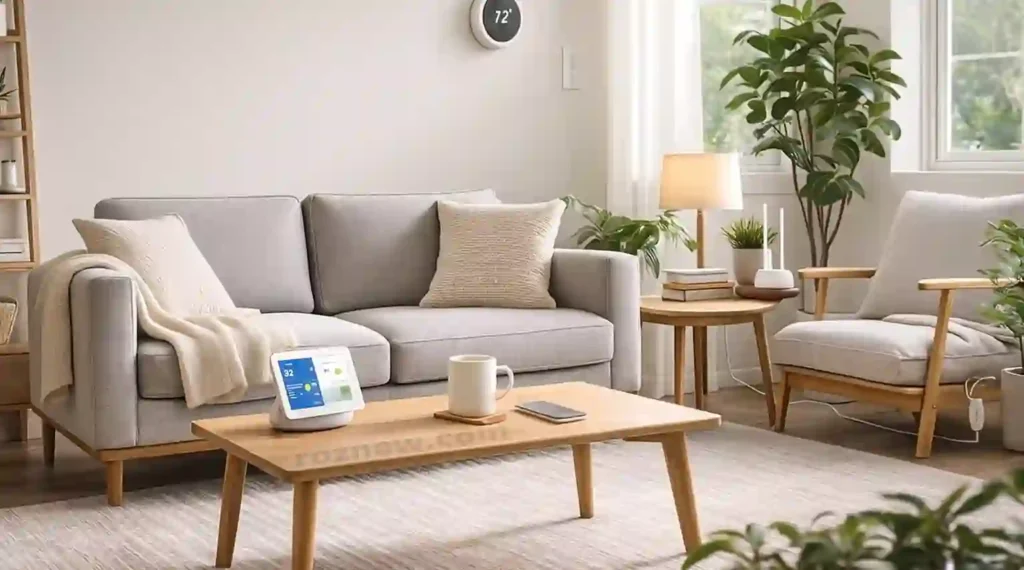
6.4 Smart Home Devices that Actually Help
Not everything needs automation, but useful tools include:
Smart plugs
Voice assistants
Air purifiers
Energy-saving lights
Modern living is about comfort, not complexity.
7. Building Strong Social and Emotional Wellness
Human connection remains essential even in a tech-driven world.
7.1 Practice the “Two-Minute Connection Rule”
Take two minutes each day to message or call someone you care about. Small touchpoints build strong relationships.
7.2 Learn Emotional Flexibility
Modern living requires emotional strength not by ignoring feelings but understanding them.
Try:
Journaling
Mindful breathing
Short reflections at night
7.3 Choose Your Circle Wisely
Your environment affects your energy:
Surround yourself with positive, supportive people
Set boundaries with draining ones
8. Lifelong Learning: The Smart Person’s Secret Advantage
The world changes fast. Staying updated is part of smart living.
8.1 Learn a Little Every Day
15 minutes of learning compounds massively.
Topics could include:
Finance
Technology
Psychology
Languages
Career skills
8.2 Take Micro Courses
Platforms like Coursera, Udemy, and Khan Academy offer flexible learning suited to modern schedules.
8.3 Keep a Knowledge Journal
After learning something new, write it down.
This helps you remember and reflect.
9. Creating Balance: The Heart of Modern Living
Smart living is not about being productive all the time. It is about balance.
9.1 Rest Without Guilt
Rest is fuel.
You’re not lazy for relaxing you’re recharging.
9.2 Practice the “Slow Living Hour”
Dedicate one hour each day to:
Reading
Walking
Music
Tea/coffee
Silence
This slows your mind in a fast world.
9.3 Celebrate the Small Wins
Success is built on small, consistent victories.
Acknowledge them.
Conclusion: Smart Living Is a Journey, Not a Destination
Modern living doesn’t require a complete lifestyle overhaul. It’s about small choices that make life easier, calmer, healthier, and more meaningful. Whether it’s organizing your space, managing time better, eating more mindfully, building strong connections, or using technology intentionally, every smart habit adds a brick to the foundation of a better life.
When you adopt smart living, you’re not just improving your routines you’re reshaping the way you think, feel, work, and grow. The goal is simple: live with clarity, move with intention, and enjoy a life that feels balanced, peaceful, and truly your own.






3 Comments