Why Nihari Stands as Pakistan’s National Dish Today

Pakistan’s National Dish Nihari: The Story, Evolution, and Cultural Power of Pakistan’s National Dish Nihari.
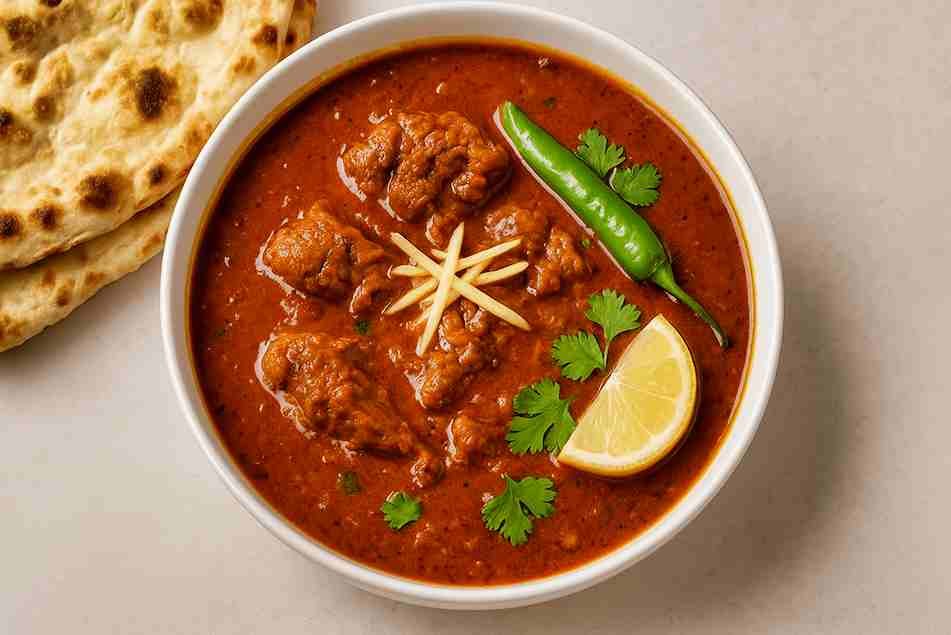
When you think of the food identity of Pakistan, one dish rises above all others not just because of its bold flavors, but because of its deep cultural roots and emotional connection with the people. That dish is Nihari, now widely embraced as Pakistan’s National Dish. More than just a slow-cooked stew, Nihari is a symbol of comfort, heritage, and culinary craftsmanship that has shaped food traditions for generations.
In recent years, culinary experts, food historians, and Pakistani citizens have collectively leaned toward Nihari as the dish that best expresses the spirit of Pakistan. But what makes this velvety, aromatic delicacy worthy of “national dish” status? Why has it captured the national imagination like no other?
To understand that, we must dive into its rich history, cultural symbolism, regional variations, economic popularity, and its unique power to bring people together.
A Dish Born From Tradition: The Origins of Nihari
While today’s Pakistan is the proud home of Nihari, its origins stretch back centuries. The dish is believed to have emerged during the Mughal era, when royal chefs specialized in slow-cooked meals designed to nourish warriors and nobles alike. The word “Nihari” comes from the Arabic “Nahar,” meaning morning, because it was traditionally served at sunrise.
From the Royal Kitchens to the Streets
After the Mughal decline, Nihari didn’t disappear it transformed. Skilled Muslim cooks who migrated to present-day Pakistan helped carry forward the tradition. In cities like Karachi and Lahore, Nihari quickly became a beloved breakfast dish for laborers, traders, families, and food lovers. It moved from palaces to bustling streets, becoming a food of the people.
The journey of Nihari mirrors the journey of Pakistan itself: a blend of heritage, migration, adaptation, and reinvention.
Why Nihari Represents Pakistani Identity
Pakistan is a land shaped by diversity of regions, languages, ethnicities, and culinary styles. Yet, certain foods unite people across these differences, and Nihari stands at the top of that list. Its rise as Pakistan’s National Dish Nihari is connected to several layers of meaning.
1. Symbol of Cultural Unity
Whether you visit Karachi, Lahore, Islamabad, Peshawar, or even smaller towns, you’ll find Nihari simmering in cauldrons, filling the air with its unmistakable aroma. You’ll find:
Karachi’s fiery, spice-rich Nihari
Lahore’s buttery, thick, marrow-heavy version
Islamabad’s balanced, modernized variants
Home-style recipes passed down generations
Each region adds its own personality, yet the identity of the dish remains intact. This unity-in-diversity makes Nihari a powerful symbol of national connection.
2. A Culinary Masterpiece of Slow Cooking
Nihari is not a fast dish. It demands:
6–12 hours of slow cooking
Patience
Skill
Precision in spices
A good ratio of bone marrow, broth, and meat
Slow cooking is deeply rooted in South Asian tradition, where food is considered a craft. Nihari is one of the clearest expressions of this philosophy.
The result?
A dish where meat melts effortlessly, gravy becomes velvety, and every spoonful tastes like a celebration of time-honored methods.
Nihari reminds Pakistanis of the beauty of patience a cultural value often emphasized in traditional households.
3. Emotional and Family Significance
Ask any Pakistani what Nihari means to them, and you’ll hear stories not recipes.
People remember:
Sunday mornings with family
Late-night street food adventures
Special winter gatherings
Their grandmother’s version
The “best Nihari” at a local shop
Food isn’t just fuel; it’s memory. It’s identity. It’s emotion.
Nihari has become the centerpiece of countless family traditions. It is prepared for celebrations, Eid mornings, weddings, and leisurely breakfasts. This emotional depth is one reason it resonates so widely.
4. Affordable Yet Luxurious
Interestingly, Nihari is paradoxical:
It feels luxurious rich gravy, tender meat, bone marrow but it’s also accessible and affordable for most households.
This dual identity makes it ideal as a national dish. It is:
Rich enough to honor tradition
Easy enough for families to cook
Affordable enough for street stalls
Special enough for festive occasions
Few dishes manage to hold all these qualities.
5. A Dish That Represents Strength and Nourishment
Historically, Nihari was known for its high nutritional value. Laborers, soldiers, and workers consumed it for strength and stamina. Even today, fitness professionals sometimes refer to it as “the ultimate protein-packed Pakistani meal.”
With:
Collagen
Bone marrow
Iron
Slow-cooked minerals
High-quality protein
…it remains one of the heartiest meals in Pakistani cuisine.
This reputation reinforces Nihari as more than just food it’s nourishment rooted in tradition.
The Rise of Nihari in Modern Pakistan
In the last decade, Nihari has undergone a revival unlike anything seen before. Social media, restaurant culture, food bloggers, and tourism have all contributed to its growing recognition as the de facto national dish.
1. Culinary Tourism Boost
Travelers from abroad often list Nihari as one of the must-try foods in Pakistan. In cities like Lahore and Karachi, tourists line up at famous spots such as:
Waris Nihari
Javed Nihari
Muhammadi Nihari
Haji Nihari
Food tourism has helped Nihari become an ambassador of Pakistani identity.
2. Nihari in Fine Dining
Modern restaurants have reimagined Nihari with gourmet twists:
Bone marrow-infused Nihari
“Deconstructed Nihari”
Wagyu Nihari
Organic desi ghee variations
Nihari with saffron
Nihari served in clay pots for added aroma
Yet, despite innovations, the essence remains traditional.
3. Popularity in the Pakistani Diaspora
From London to Dubai, Toronto to Riyadh, Pakistani-owned restaurants proudly feature Nihari as a signature dish. For millions of overseas Pakistanis, Pakistan’s National Dish Nihari is a comforting link back home.
It symbolizes nostalgia, belonging, and cultural pride.
The Making of a National Dish: What Qualifies Nihari
A national dish is not simply selected it evolves through collective acceptance. Here’s why Nihari fits all criteria:
✔ Historic relevance
Created, preserved, and perfected through centuries.
✔ Cultural significance
Integral to festivals, gatherings, winters, and traditions.
✔ National presence
Available everywhere restaurants, homes, street stalls.
✔ Emotional connection
Carries memories, identity, and symbolic value.
✔ Global recognition
Famous internationally and loved by foreign visitors.
✔ Flexibility and innovation
Remains authentic yet open to modern variations.
All these factors help explain why Nihari naturally rose to the status of Pakistan’s national dish today.
Health, Science, and the Art Behind the Flavor
To understand Nihari’s deeper appeal, we must explore the science of flavor.
1. Slow Cooking Enhances Umami
Long cooking extracts:
Gelatin
Amino acids
Collagen
Natural fats
These produce deep, savory umami notes that trigger a sense of comfort and satisfaction.
2. Balanced Spice Profile
Nihari is not fiery it’s aromatic.
It uses warming spices like:
Cinnamon
Fennel
Ginger
Black pepper
Star anise
Nutmeg
This balance aligns with Pakistani preference for flavorful food that’s rich but not overwhelming.
3. Bone Marrow = Silky Texture
The marrow creates a natural creaminess. It’s luxurious without adding creams or artificial thickeners.
Science supports what Pakistanis have known for centuries:
Nihari just feels good to eat.
Nihari’s Impact on Pakistan’s Food Economy
The dish isn’t just culturally important it’s economically significant.
1. Thousands of Businesses Rely on Nihari
From premium restaurants to roadside dhabas, entire enterprises revolve around Nihari. It generates income for:
Meat sellers
Spice vendors
Local farmers
Chefs
Food delivery services
Event caterers
2. A Prime Example of Street Food Excellence
Unlike many national dishes that are served only at home or in high-end restaurants, Nihari thrives in street culture.
Many iconic food streets in Pakistan including Karachi’s Burns Road and Lahore’s Old City feature Nihari as their star attraction.
3. Export Potential
Packaged masala mixes, ready-to-cook Nihari kits, and frozen versions are exported to the Middle East, Europe, and North America. This boosts cultural visibility and economic gain.
Nihari as a Symbol of Pakistani Hospitality
Serving Nihari is considered an act of warmth and generosity. Guests are welcomed with hot naan and a steaming bowl of Nihari cooked lovingly sometimes overnight.
In Pakistani culture, feeding someone is equivalent to honoring them, and Nihari embodies this spirit beautifully.
The dish transitions effortlessly from:
Breakfast to brunch
Late-night hangouts to winter feasts
Casual meals to festive occasions
Its versatility makes it a perfect symbol of Pakistani hospitality.
Why Nihari Stands Out More Than Other Pakistani Dishes
Pakistan has many extraordinary dishes:
Biryani
Haleem
Karahi
Pulao
Sajji
But none of them checks all the boxes that Nihari does:
| Dish | Cultural Roots | National Presence | Emotional Depth | Uniqueness |
|---|---|---|---|---|
| Biryani | Strong | Regional Rivalries | High | High |
| Karahi | Very Strong | National | Medium | Medium |
| Haleem | Religious & Festive | Seasonal | High | Medium |
| Nihari | Deepest | Universal | Highest | Very High |
Nihari holds a distinct place it’s personal, national, historical, and emotional all at once.
Conclusion: A Dish That Truly Represents Pakistan
Nihari is not just a bowl of slow-cooked goodness it’s the flavor of history, migration, family, and tradition. It tells the story of Pakistan: resilient, diverse, rich, and full of soulful warmth.
Its rise to the status of Pakistan’s National Dish Nihari is not due to trends or marketing it’s the genuine, collective choice of the people. It reflects who Pakistanis are, what they celebrate, and how they connect with each other.
In a nation built on deep cultural roots and shared values, Nihari stands proudly as more than food. It is heritage. It is comfort. It is identity.
And that is why Nihari remains and will continue to remain the national dish of Pakistan.




3 Comments